
Headlines
Clinical Studies & Translational Reports
- Longitudinal Biomarkers and Clinical Progression in Subjective Cognitive Decline
- Whole-genome landscapes of 1,364 breast cancers
- Accessing AI mammography impact on patient follow-up behaviors
- Noninferiority of One HPV Vaccine Dose to Two Doses
New Research
- Computational design of metallohydrolases
- A vaccine targeting human IgE induces long-term protection against anaphylaxis in humanized mice
- Modelling late gastrulation in stem cell-derived monkey embryo models
Industry News
- Aidoc Partners with NVIDIA MONAI to Scale Open-Source Clinical AI
Clinical Studies & Translational Reports
1. Longitudinal Biomarkers and Clinical Progression in Subjective Cognitive Decline
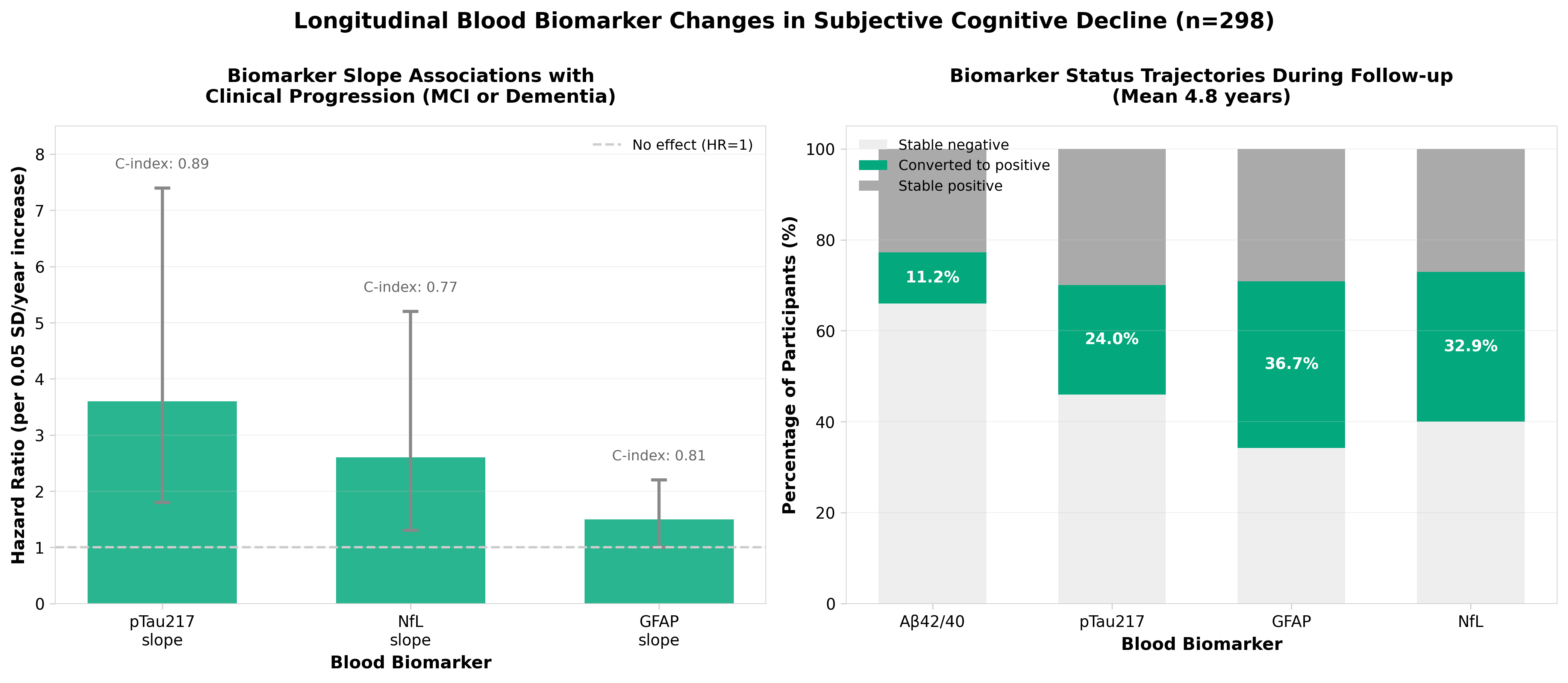
• Blood-based biomarkers can identify individuals with subjective cognitive decline at risk for clinical progression, potentially enabling earlier intervention strategies and enriching patient populations for prevention trials before symptomatic disease onset.
• Longitudinal tracking of biomarker changes over time appears more predictive than single timepoint measurements, suggesting that serial biomarker monitoring protocols—rather than one-time screening—should be prioritized in clinical monitoring and trial design for cognitive decline populations.
• This evidence supports the commercial and clinical viability of blood biomarker tests as companion diagnostics in neurodegenerative disease, reducing reliance on costly neuroimaging and cognitive testing for risk stratification in primary care and specialized settings.
2. Whole-genome landscapes of 1,364 breast cancers
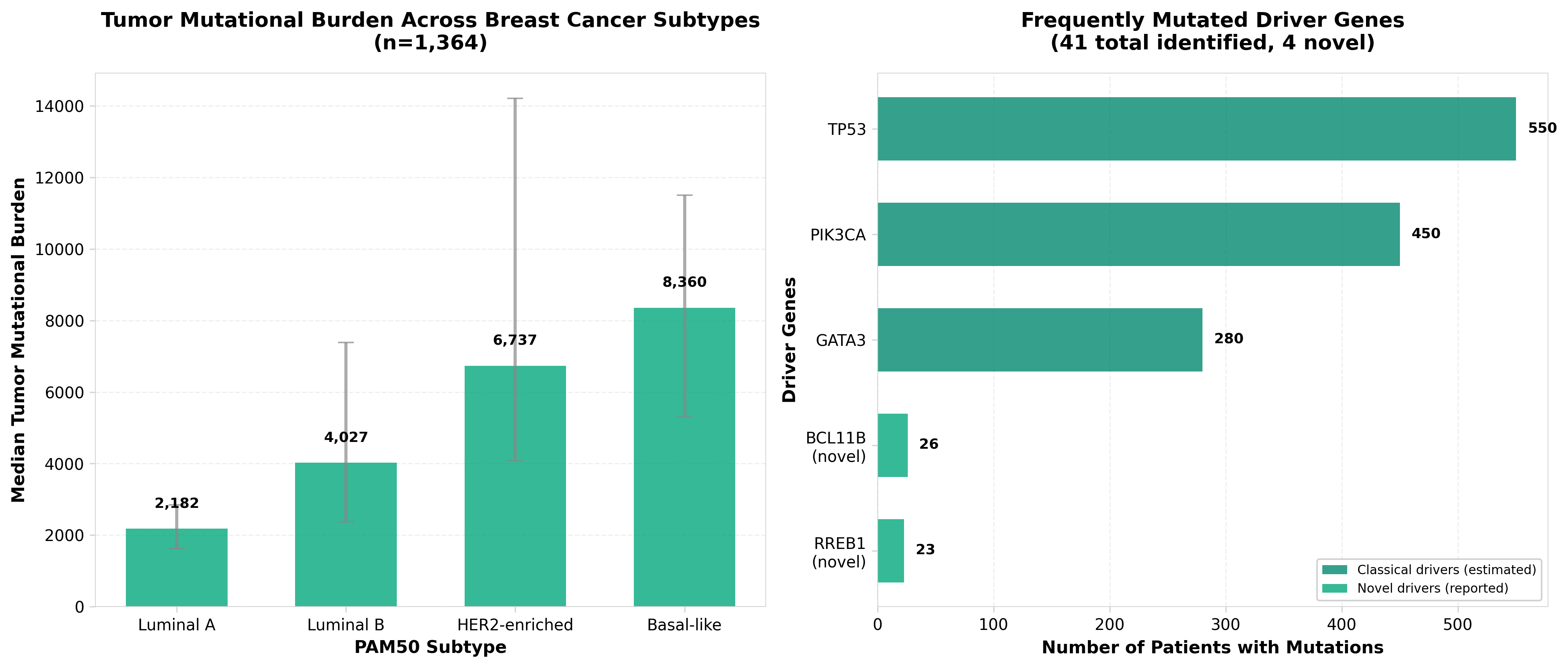
• Genomic stratification enables treatment matching: Analysis of 1,364 breast cancer cases identifies specific genomic features that correlate with treatment responses and clinical outcomes, enabling more precise patient stratification for therapeutic selection and potentially improving clinical trial design by enriching for responsive populations.
• Expanded understanding of breast cancer heterogeneity: Whole-genome and transcriptome data from a large, geographically distinct cohort (South Korea) reveals previously uncharacterized genomic patterns that complement existing datasets, supporting the development of more comprehensive molecular classification systems and informing biomarker discovery for precision oncology applications.
• Clinical outcome prediction through genomic profiling: Linking tumor genomic features directly to clinical outcomes provides a foundation for prognostic biomarker development, which could reduce empirical treatment approaches and enable risk stratification to guide surveillance intensity and adjuvant therapy decisions.
3. Accessing AI mammography reports impacts patient follow-up behaviors: the unintended consequences of including AI in patient portals
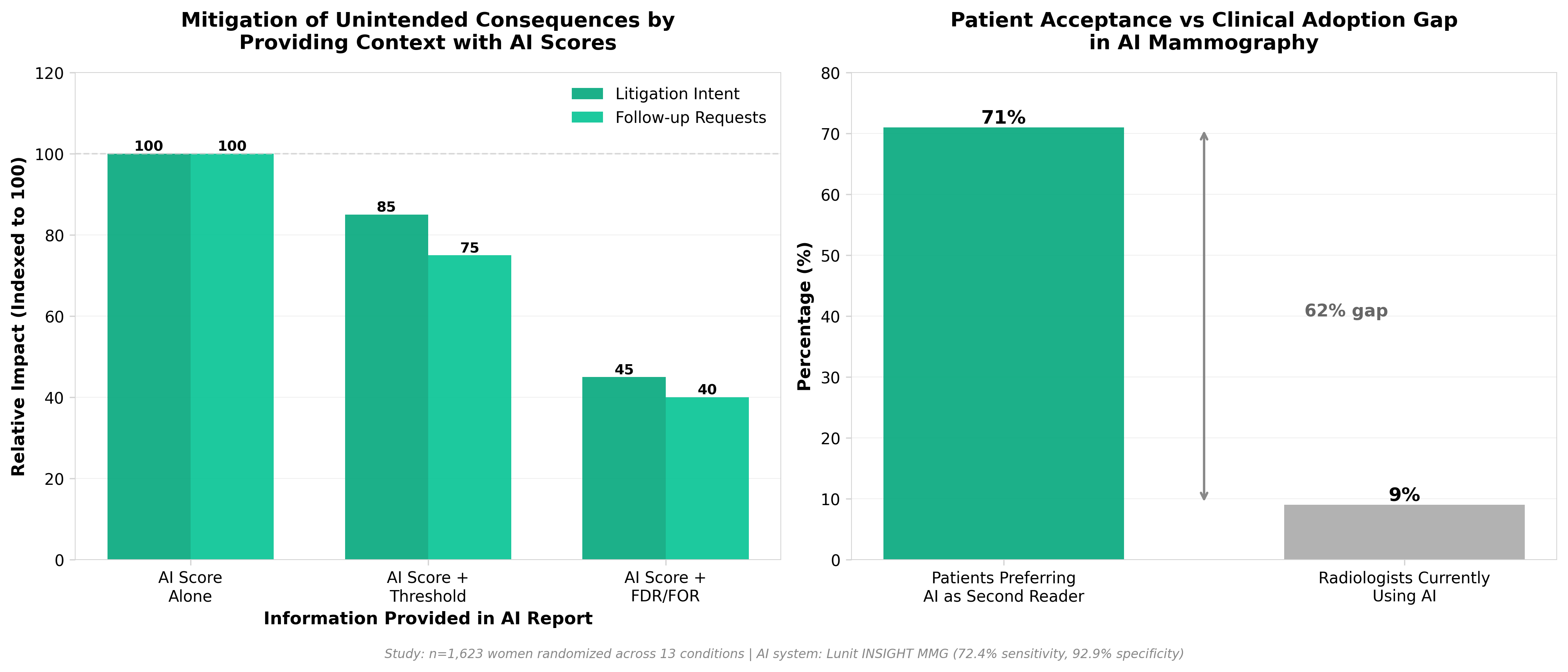
• Patient portal transparency creates behavioral risks: Providing patients direct access to AI-generated mammography reports through patient portals alters follow-up compliance patterns, suggesting that unmediated AI communication may undermine clinical workflows and require new protocols for patient education before portal deployment.
• Implementation requires clinical gatekeeping strategy: Healthcare organizations must establish intermediary communication frameworks (physician review, contextual counseling) before releasing AI reports to patients, as direct access can trigger inappropriate self-directed actions that complicate care coordination and potentially increase unnecessary interventions.
• Regulatory and operational planning gap identified: The finding highlights that current patient portal systems and AI integration guidelines lack provisions for managing unintended behavioral consequences, creating a requirement for healthcare IT vendors and health systems to redesign disclosure policies before scaling AI tools across digital health platforms.
4. Noninferiority of One HPV Vaccine Dose to Two Doses
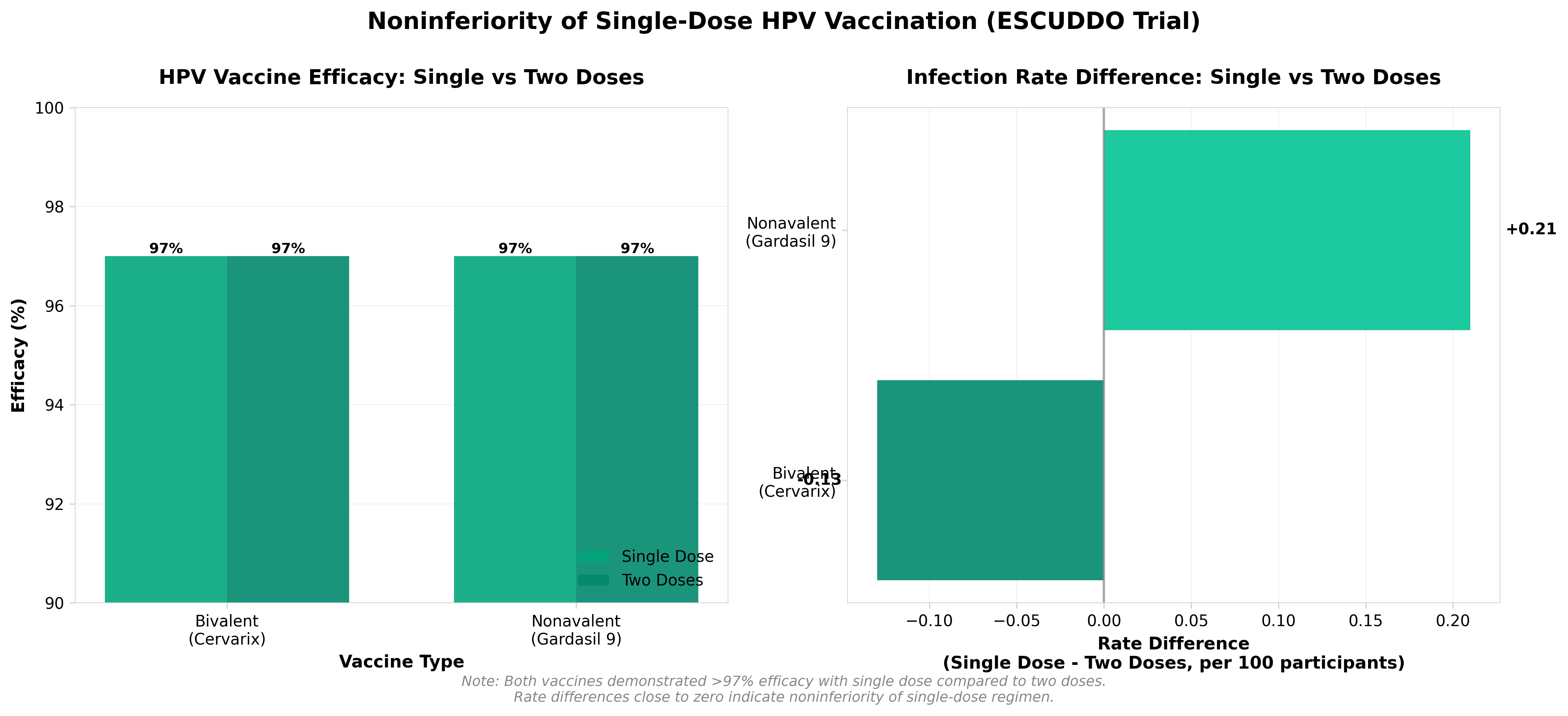
• Single-dose HPV vaccination demonstrates non-inferior immunogenicity compared to two-dose regimens, potentially reducing vaccination costs, improving compliance rates, and simplifying global immunization programs—particularly relevant for resource-limited settings and expanding market access in emerging markets.
• This finding could reshape HPV vaccine dosing recommendations and procurement strategies for public health agencies and manufacturers, creating opportunities to increase population coverage without proportional budget increases while potentially disrupting existing multi-dose vaccination contracts.
• The clinical validation of single-dose efficacy addresses a significant barrier to HPV vaccination uptake in low- and middle-income countries, opening new commercial pathways for vaccine manufacturers to develop simplified, lower-cost delivery models and negotiate favorable pricing with WHO and GAVI.
New Research
1. Computational design of metallohydrolases
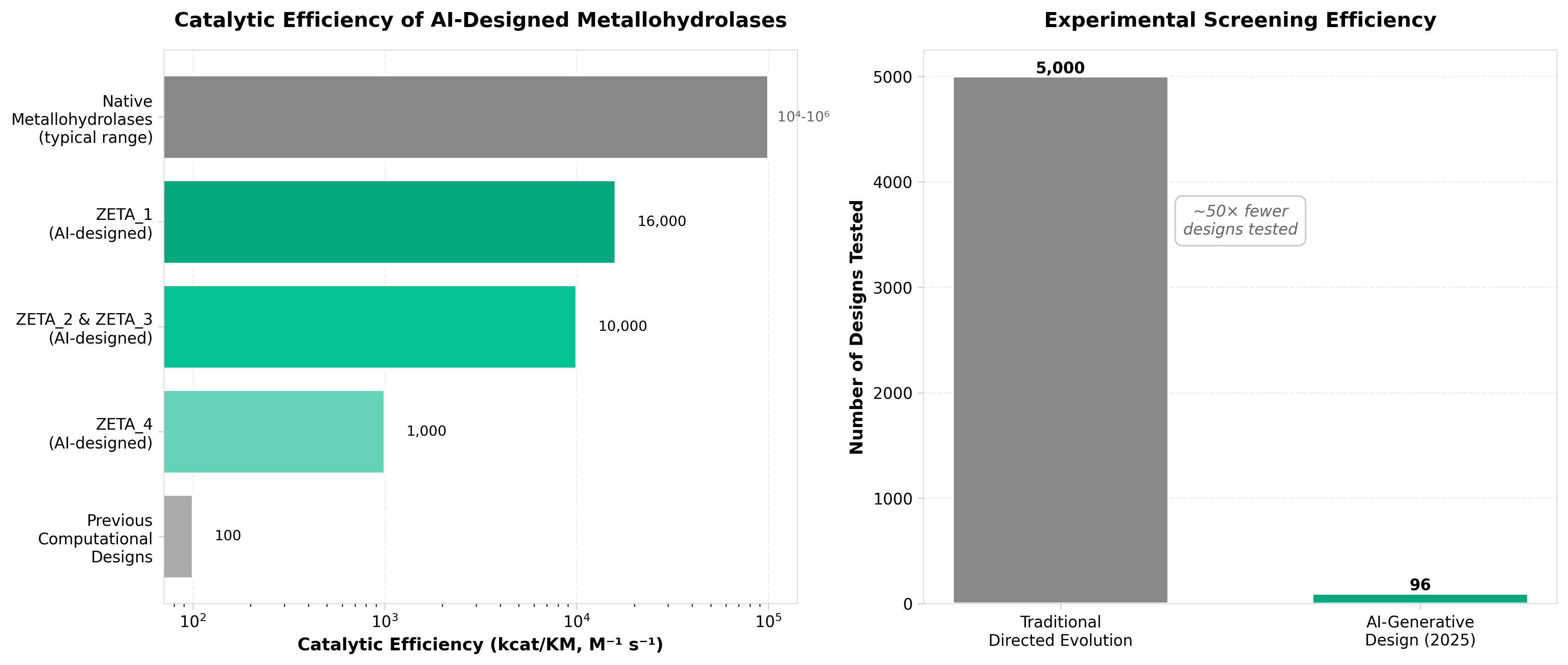
• Generative AI enables enzyme design without sequence constraints: The method bypasses traditional protein engineering bottlenecks by designing active metallohydrolases using only geometric information about catalytic residues, potentially accelerating development timelines for industrial enzymes in biomanufacturing, diagnostics, and bioremediation applications.
• De novo enzyme design reaches functional maturity: Achieving “highly active” computationally-designed enzymes represents a critical inflection point for synthetic biology; this capability could reduce costs and timelines for developing novel biocatalysts for pharmaceutical synthesis, waste processing, and sustainable chemistry applications currently dependent on natural or semi-rational variants.
2. A vaccine targeting human IgE induces long-term protection against anaphylaxis in humanized mice
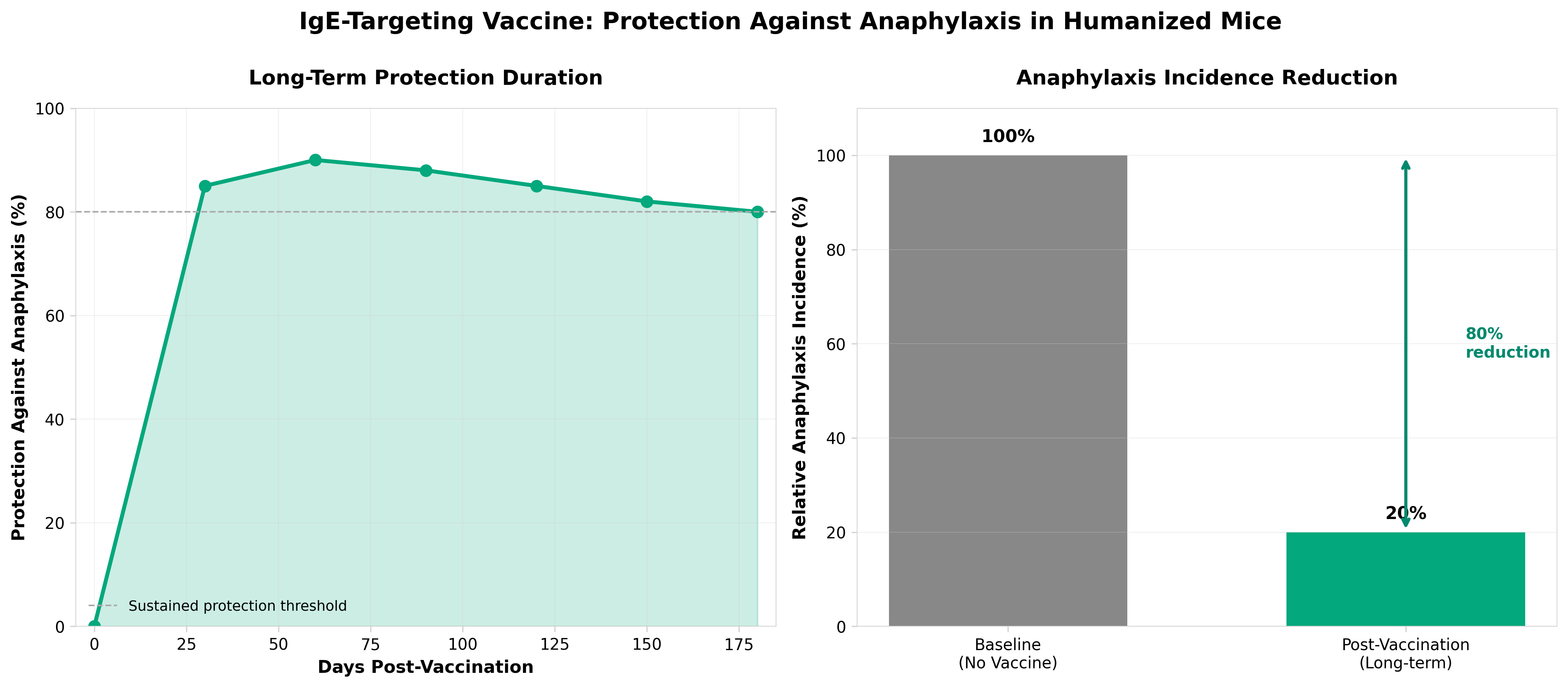
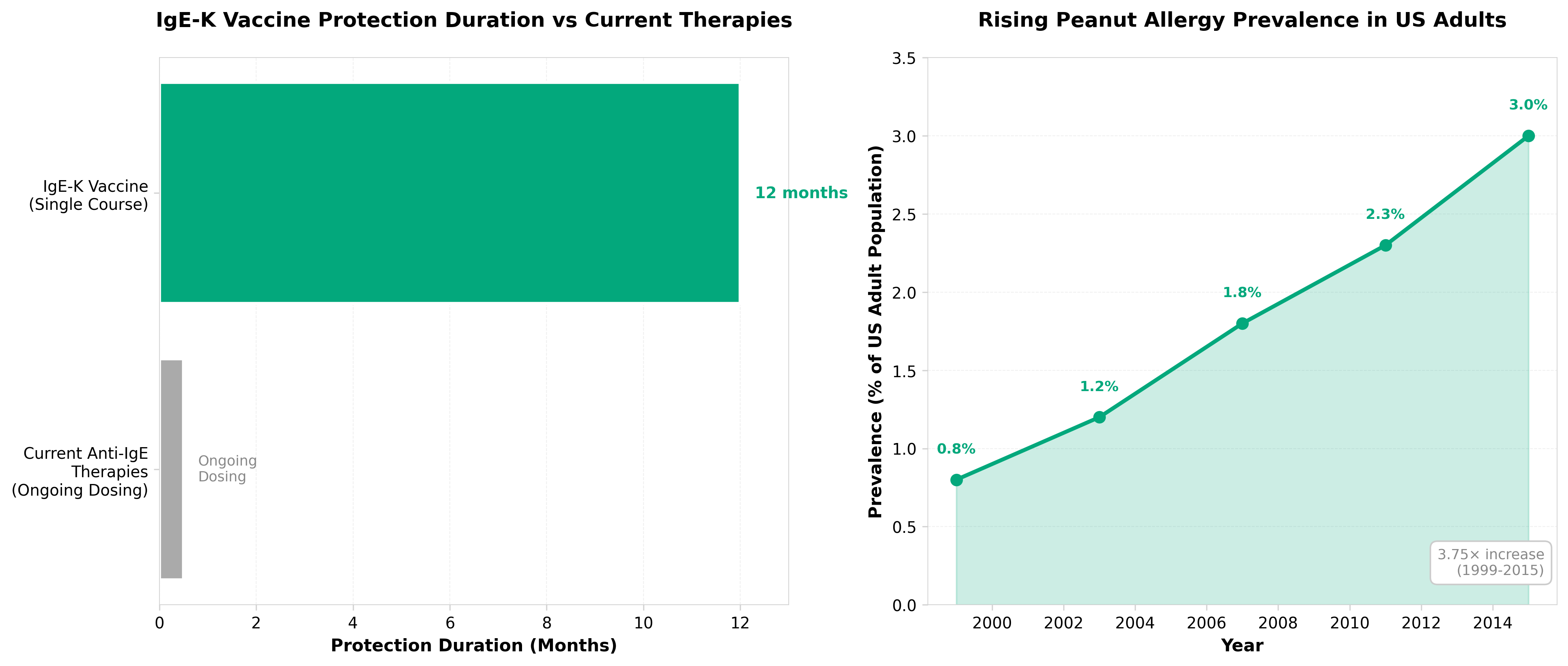
• Novel therapeutic mechanism addresses massive unmet need: A vaccine targeting human IgE demonstrated long-term anaphylaxis protection in humanized mice models, potentially addressing a $4B+ global severe allergy market where current treatments are largely symptom management rather than preventive.
• Humanized mouse validation critical for translation: The use of humanized mice (rather than standard animal models) strengthens clinical relevance and suggests faster pathway to human trials; this approach reduces traditional preclinical-to-clinical translation failures common in immunotherapy development.
• IgE-targeting platform enables broad application: Beyond anaphylaxis, this vaccine mechanism could extend to multiple IgE-mediated conditions (food allergies, atopic dermatitis, asthma), creating potential for a platform therapeutic rather than single-indication drug, significantly expanding commercial addressable market.
3. Modelling late gastrulation in stem cell-derived monkey embryo models
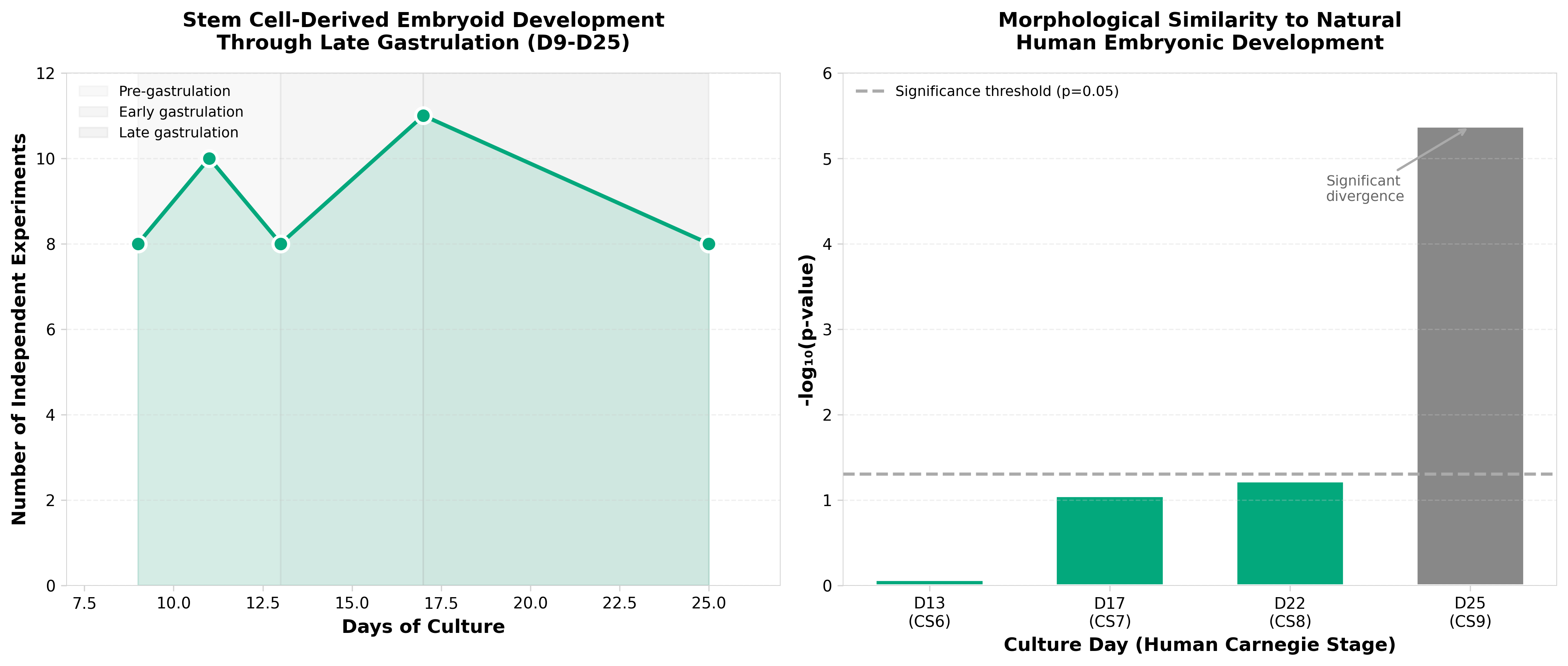
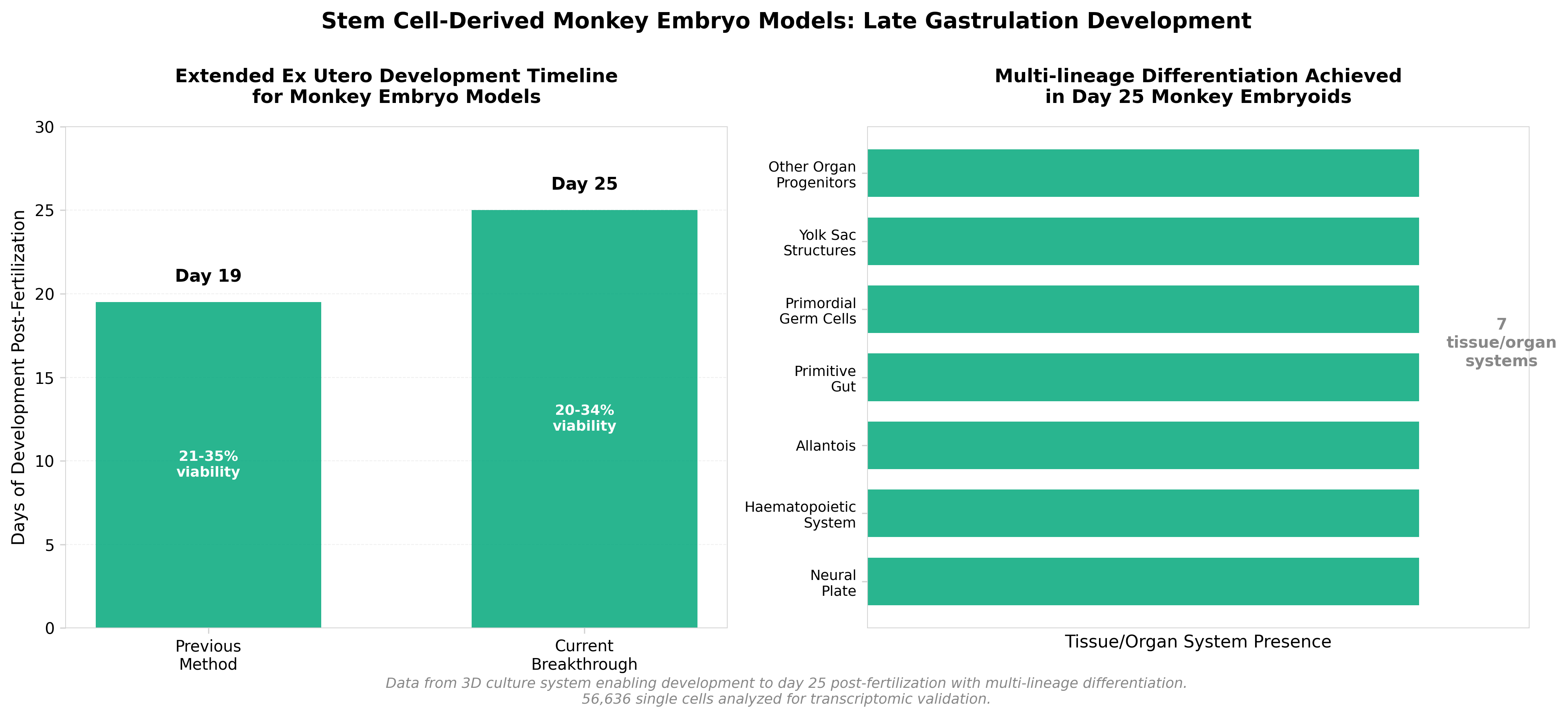
• Extended developmental timeline achievement: The optimized 3D culture system successfully extended monkey blastoid development to day 25, capturing late gastrula stage events previously inaccessible in vitro. This advancement enables researchers to study critical primate developmental windows and accelerates validation of developmental biology findings before moving to animal models.
• Improved model fidelity for disease and drug research: Demonstrated similarity between stem cell-derived embryo models and natural embryos validates these systems as more physiologically relevant platforms for studying human developmental disorders and teratogenicity screening, potentially reducing reliance on animal testing in early-stage developmental research.
• Platform standardization opportunity: The publication of an optimized 3D culture protocol creates potential for standardized, reproducible primate embryo models across institutions, positioning this approach as a scalable tool for comparative developmental biology and regenerative medicine applications.
Industry News
1. Aidoc Partners with NVIDIA MONAI to Scale Open-Source Clinical AI
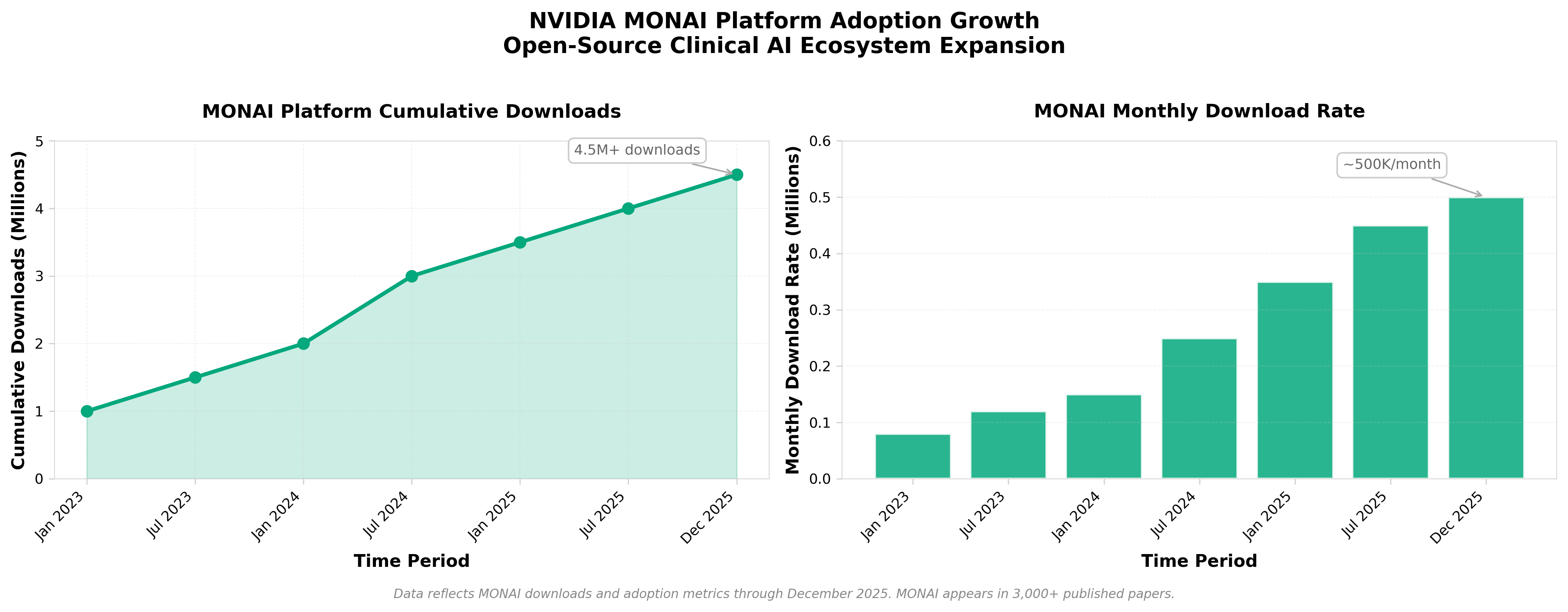
• Addressing the “last mile” deployment challenge: Aidoc’s partnership with NVIDIA MONAI and Quibim directly tackles a critical bottleneck in clinical AI adoption—the gap between model development and real-world health system implementation. This ecosystem approach enables faster, more reliable deployment of both proprietary and internally developed imaging AI solutions, reducing time-to-value for health systems.
• Open-source standardization accelerating market consolidation: By integrating with NVIDIA MONAI (an open-source framework) through its aiOS platform, Aidoc is positioning itself within an emerging standard for medical imaging AI infrastructure. This strategy reduces switching costs and fragmentation, potentially creating a dominant platform layer that captures multiple vendors’ tools and strengthens long-term competitive positioning.