Headlines & Launches
1. Alphabet’s AI biotech Isomorphic Labs bags $2.1B series B to fuel next-gen drug design model
• Alphabet’s Isomorphic Labs raised $2.1B Series B (following $600M Series A), totaling $2.7B to scale AI drug design engine IsoDDE using AlphaFold 3.
• This represents the second-largest biotech round ever after Altos Labs’ $3B, with partnerships worth $2.9B in potential milestones from Eli Lilly/Novartis.
• AI drug discovery market projected to grow from $2.35B (2025) to $13.77B (2033) at 24.8% CAGR, with AI-native biotechs commanding 100% valuation premiums.
2. Included Health Launches Provider Connect AI Assistant for High-Quality Physician Matching
• Included Health launched Provider Connect, an AI assistant embedded in their platform that matches patients with high-quality physicians using real-time clinical data and natural language processing.
• The platform transforms static provider networks into dynamic matching engines, potentially reducing healthcare costs while improving care quality for employer-sponsored health plans.
• This represents the convergence of AI-driven healthcare navigation in a $10.08 billion market growing 8.52% annually, with AI telehealth segments expanding 36.35% CAGR through 2034.

3. Signant Health Acquires Ametris to Combine Wearable Data and eCOA Technology
• Signant Health acquired wearable data company Ametris to integrate subjective patient feedback with objective sensor data on a unified clinical trial platform.
• The acquisition addresses a key industry bottleneck by replacing multiple disconnected vendors serving 600+ sponsors including all Top 20 pharma companies.
• Targets the converging digital biomarkers ($1.89B-$60.6B by 2035) and eCOA ($4.12B by 2030) markets amid 30,000+ annual clinical trials adopting digital endpoints.

4. Optura Raises $17.5M to Measure Healthcare AI ROI and Performance
• Optura raised $17.5M Series A led by Salesforce Ventures to address healthcare’s AI ROI measurement problem, bringing total funding to $25M.
• Platform tracks $120M in value at 700% ROAI™ across $2B+ AI initiatives, targeting the 95% enterprise GenAI pilot failure rate.
• Addresses critical gap as healthcare AI investment hits $1.4B (46% of total healthcare investment) with projected market growth to $110.61B by 2030.

5. Charles River debuts AI diagnostic tool to cut down pathology timelines
• Charles River launches AI-powered digital pathology platform cutting timelines by one week, reducing pathology read times by 20% through automated quality control.
• Eliminates manual histology steps and glass slide shipping while enabling GLP-validated digital reviews across their global pathology network for faster turnaround.
• Positions Charles River in digital pathology market projected to grow 10.2-13.4% CAGR, reaching $3.8-16.2 billion by 2033-2035 driven by drug discovery applications.

Deep Dives & In Depth Analysis
1. [Articles] Molecular alterations prediction in gliomas via an interpretable deep learning model: a multicentre and retrospective study
• Researchers developed GMAP, an AI model predicting glioma molecular alterations from histopathology slides with 87-95% accuracy across 4,769 images from 3,235 patients.
• GMAP enables cost-effective molecular profiling without expensive genomic testing, validated across 12 Chinese hospitals with AUROCs ranging 0.672-0.885 externally.
• Foundation model approach demonstrates scalable pathology automation for resource-limited settings, advancing AI-driven precision medicine through interpretable diagnostic tools.

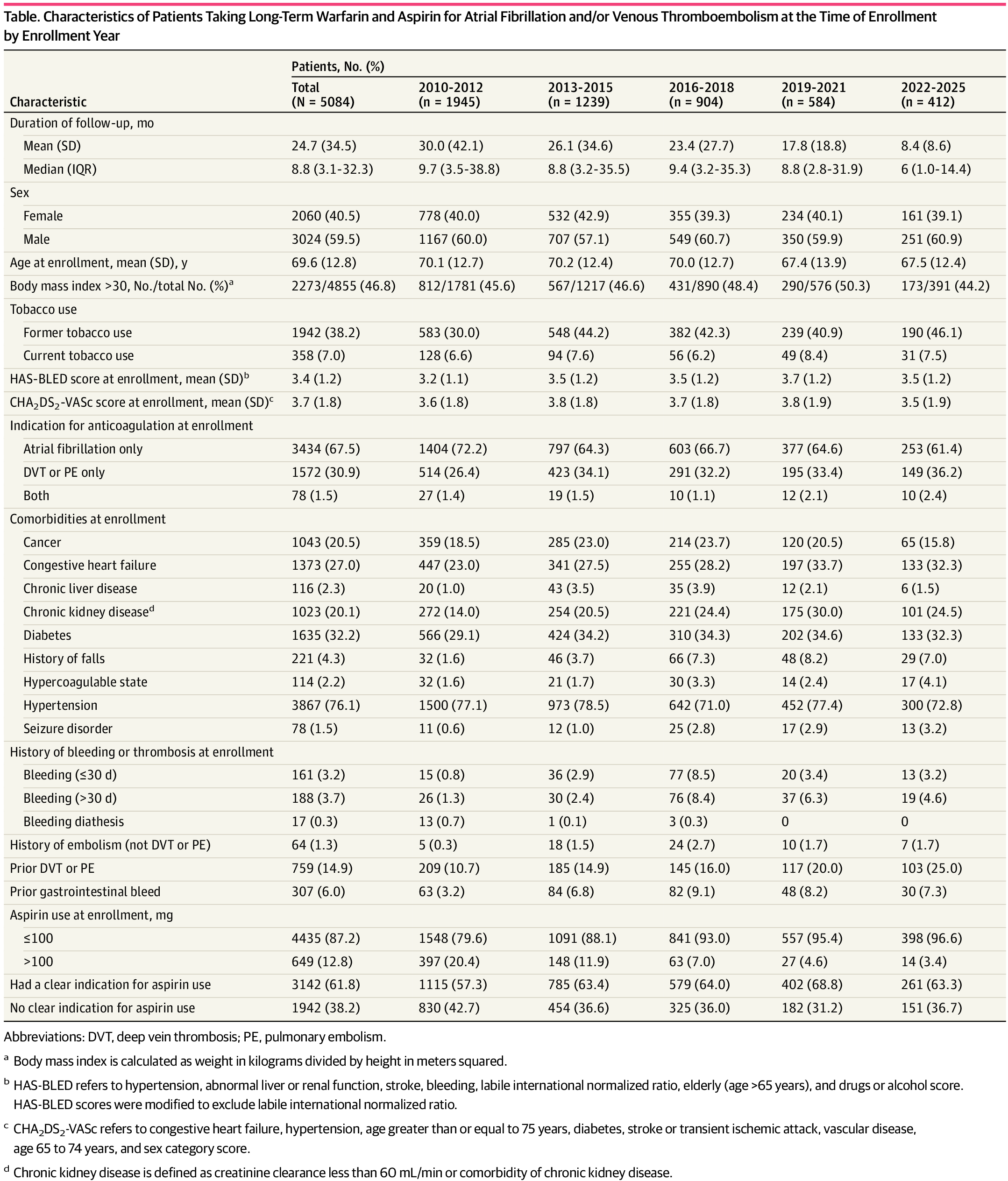
2. Long-Term Outcomes of a Multicenter Aspirin Deprescribing Intervention
• A multicenter study tracked 5,084 patients over 84 months following aspirin deprescribing intervention in warfarin-treated atrial fibrillation/VTE patients, showing sustained 2.7% monthly deprescribing rates.
• Monthly aspirin deprescribing increased from 1.0% to 2.7% post-intervention, with bleeding events initially declining from 2.5% to 2.0% but showing upward trajectory long-term.
• Demonstrates anticoagulation clinic-based interventions can achieve durable medication optimization, supporting automated deprescribing protocols and AI-driven polypharmacy reduction in healthcare systems.
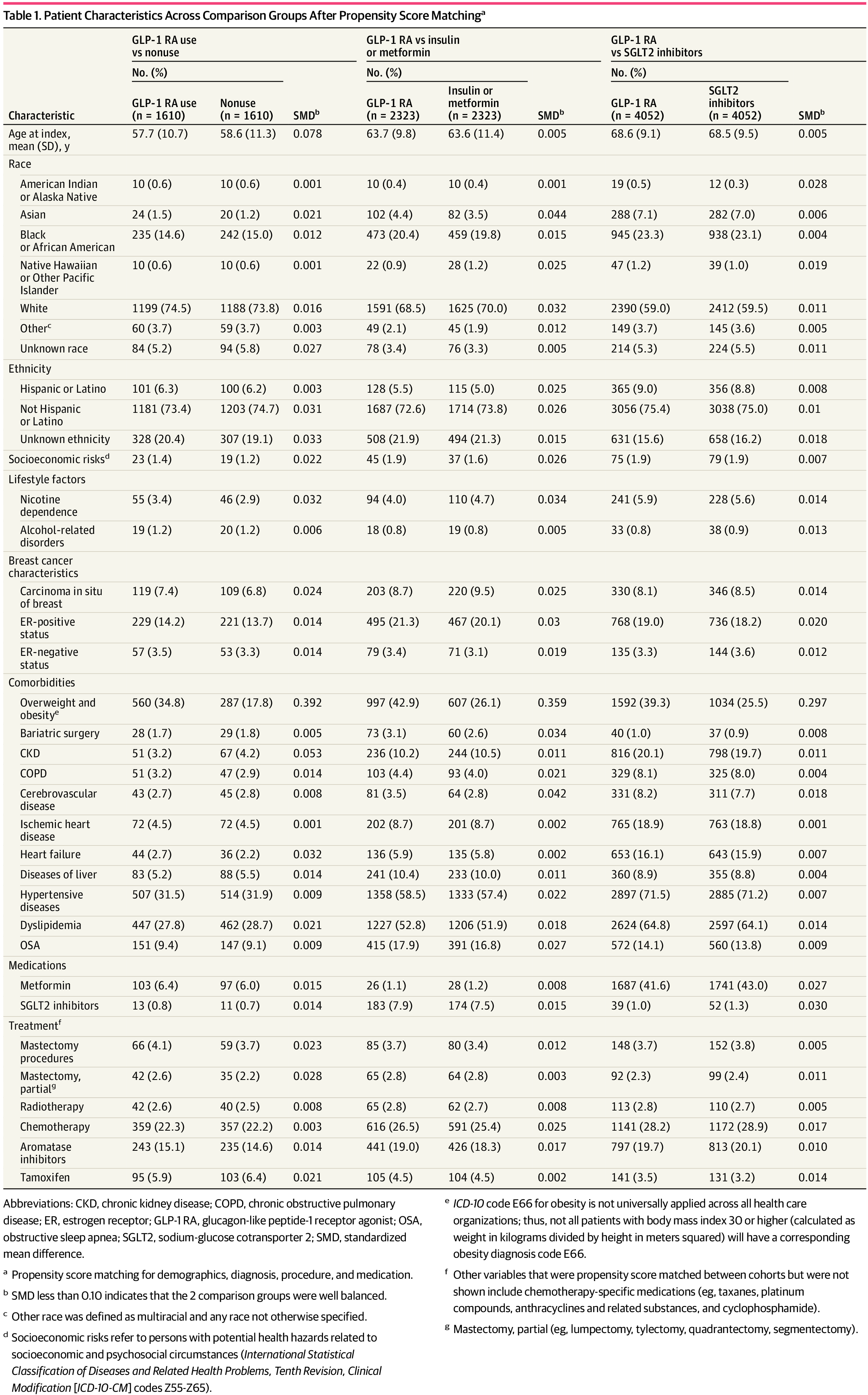
3. Survival and Recurrence With GLP-1 Receptor Agonists in Breast Cancer
• This retrospective cohort study of 841,831 breast cancer patients found GLP-1 receptor agonists reduced 10-year mortality risk by 65% (HR 0.35) and recurrence by 56% (HR 0.44) in obese patients.
• The findings suggest GLP-1 RAs like Ozempic/Wegovy may offer significant survival benefits beyond diabetes/weight management for breast cancer patients with obesity or type 2 diabetes.
• This represents potential expansion of GLP-1 RA applications into oncology supportive care, potentially driving further adoption in the $25+ billion GLP-1 market beyond metabolic indications.
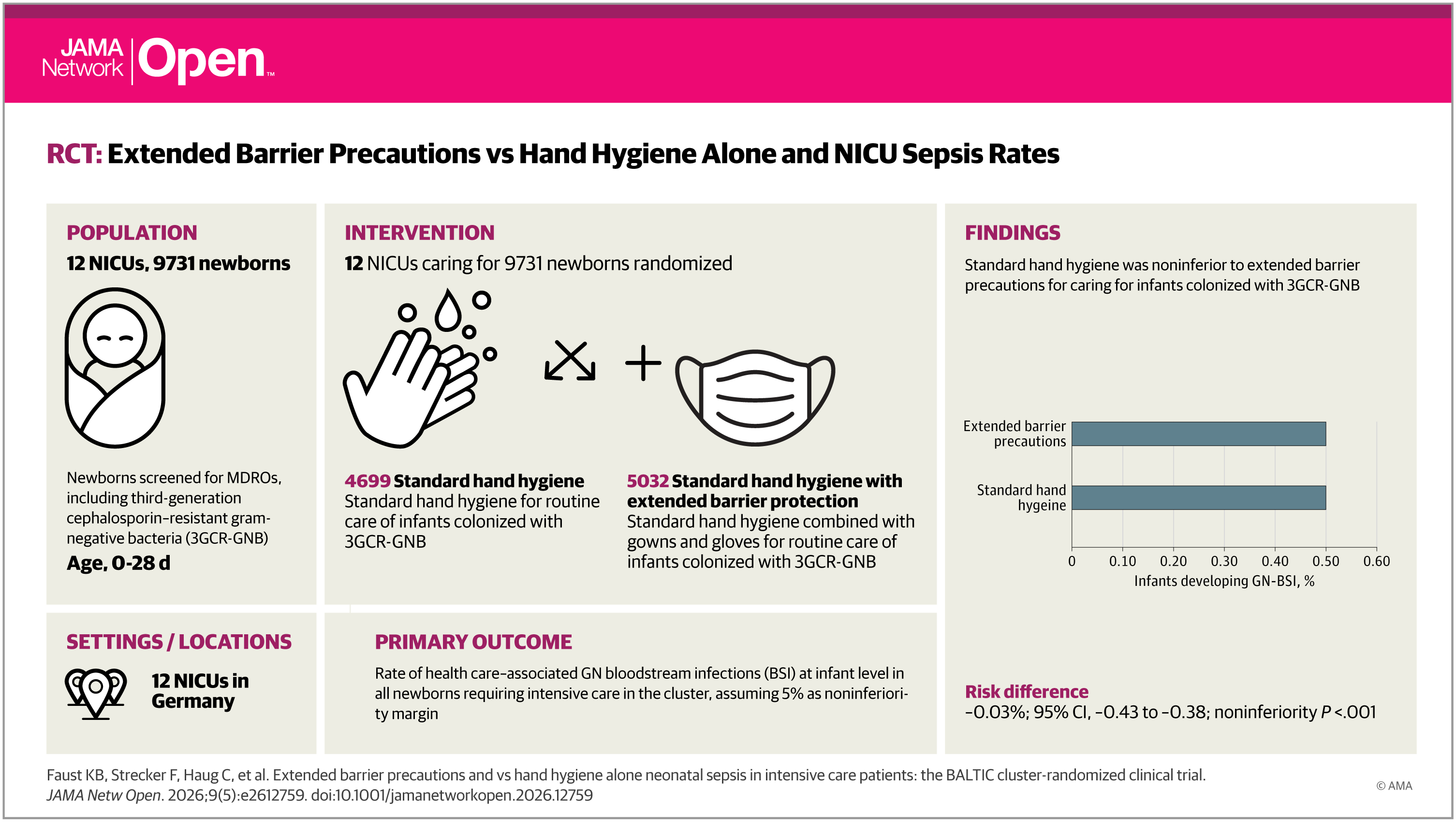
4. Extended Barrier Precautions vs Hand Hygiene Alone and NICU Sepsis Rates
• This cluster-randomized trial of 9,731 neonates across 12 German NICUs found standard hand hygiene alone was noninferior to gown-and-glove protocols for preventing gram-negative bacterial sepsis (0.5% infection rate in both groups).
• German NICUs could save €4 million annually by eliminating routine gown-and-glove use for colonized infants, with 33% cost reduction while maintaining identical 0.5% bloodstream infection rates.
• Evidence-based infection control optimization reduces healthcare waste and costs without compromising patient safety, supporting sustainable hospital practices and targeted resource allocation in critical care settings.
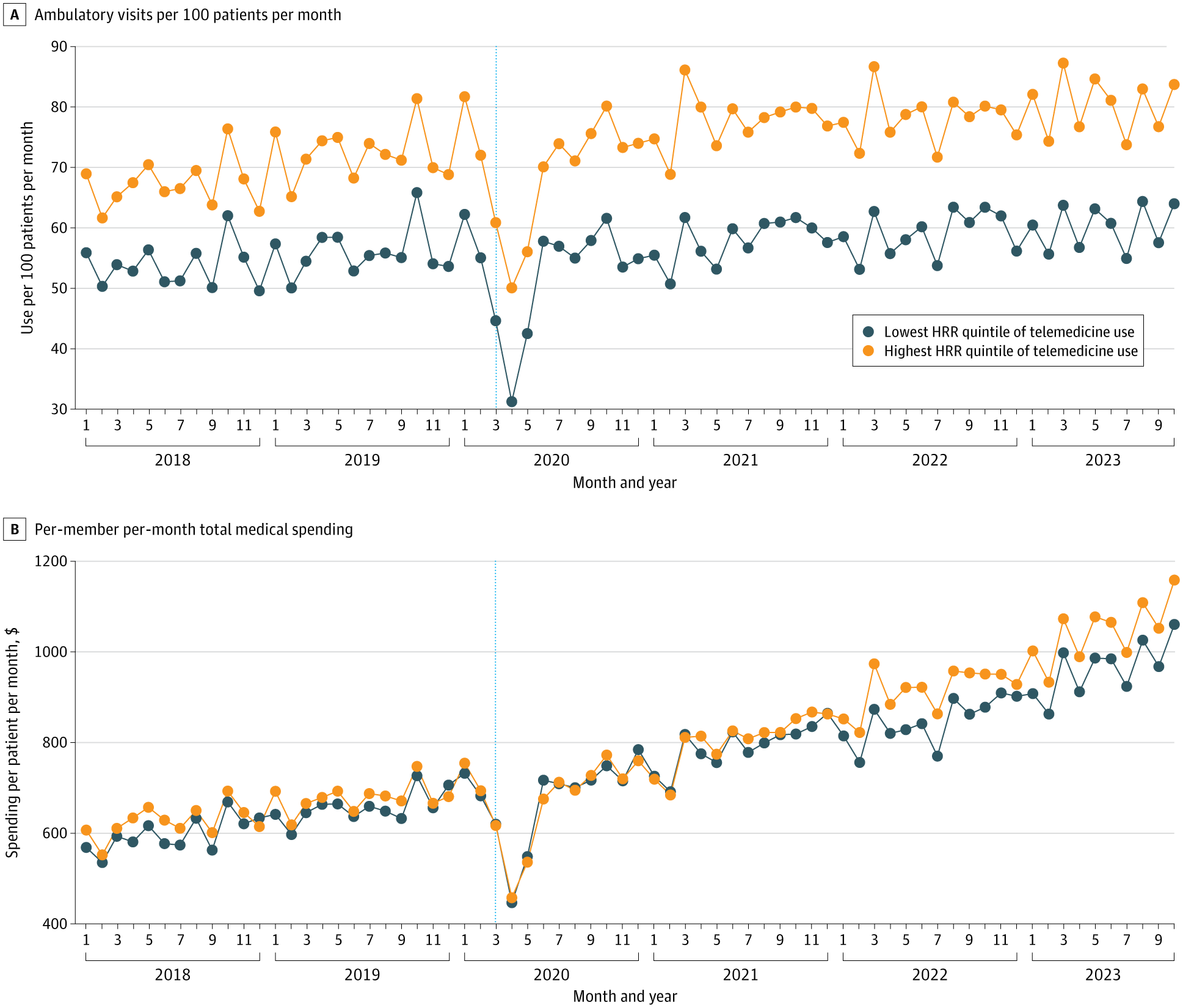
5. Telemedicine Adoption, US Ambulatory Visits, and Total Medical Spending, 2019-2023
• This study analyzed 3.04 million US adults from 2019-2023, finding telemedicine adoption showed 2.4% fewer visits and 0.5% lower spending, but results were not statistically significant.
• Federal policymakers can extend Medicare telemedicine flexibilities beyond 2027 expiration without major spending concerns, as no significant utilization increases were observed across payer types.
• Telemedicine’s cost-neutral profile supports sustainable digital health integration, enabling continued investment in virtual care platforms without triggering healthcare inflation across $178.4 billion analyzed spending.
New Research
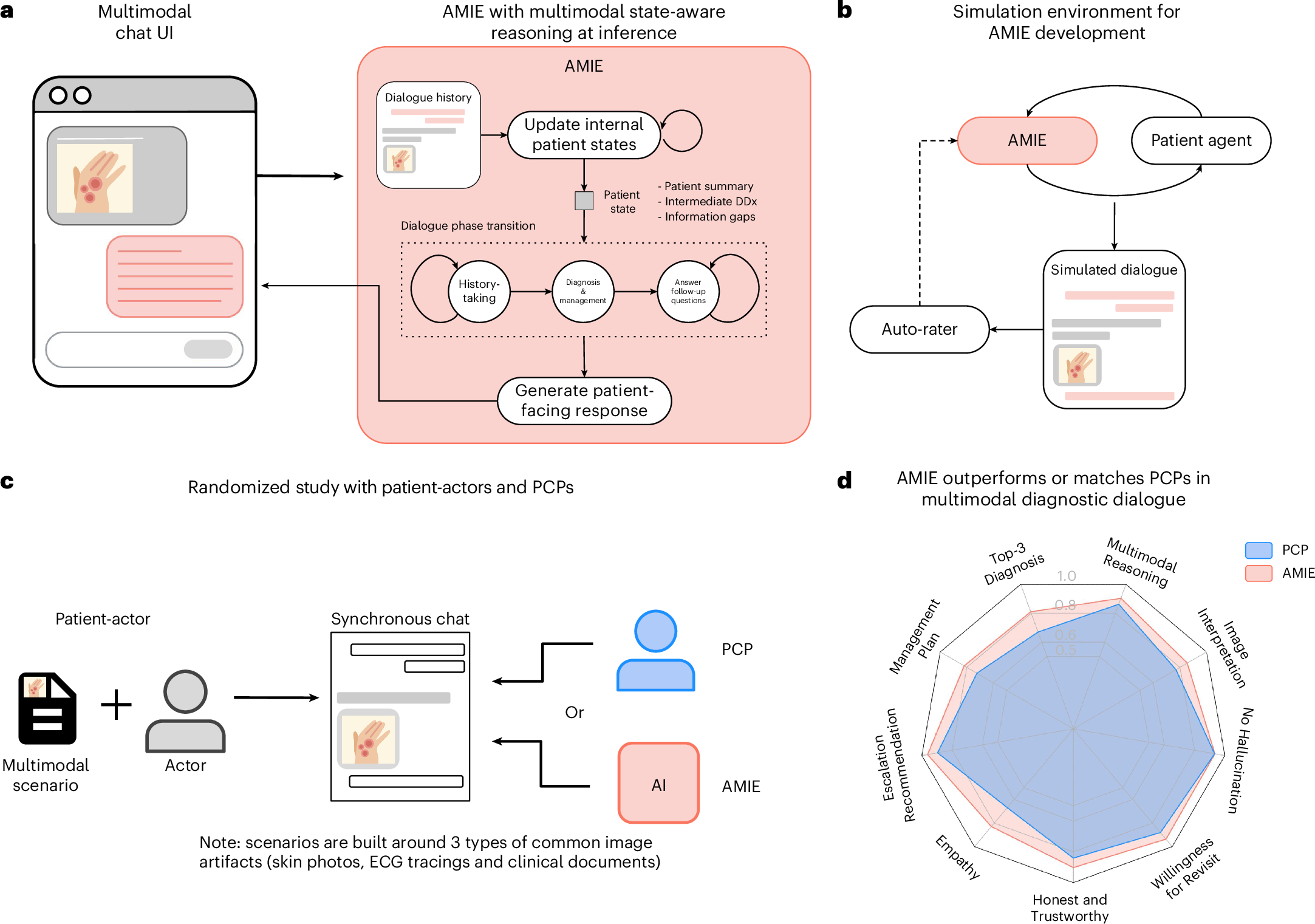
1. Advancing conversational diagnostic AI with multimodal reasoning
• Researchers developed multimodal AMIE, an AI system that outperformed primary care physicians on 29 of 32 evaluation metrics across 105 simulated telehealth consultations involving medical images, ECGs, and clinical documents.
• The AI demonstrated superior diagnostic accuracy and consultation quality compared to board-certified PCPs as rated by 18 specialist physicians and patient-actors in randomized, blinded evaluations.
• This advancement bridges the gap between text-only medical AI chatbots and real-world clinical practice, enabling AI systems to process and reason about multimodal medical data in telehealth settings.
2. Deep peptide recognition profiling decodes TCR specificity and enables disease-associated antigen discovery
• Researchers developed a deep learning system combining yeast display with protein language models to predict T cell receptor specificity, achieving >95% accuracy across 16 disease-associated TCRs.
• The platform identified novel autoantigen candidates for ankylosing spondylitis and uveitis, including PSG5 peptide which showed significantly elevated T cell responses in patients versus controls.
• This approach enables scalable TCR engineering and autoantigen discovery, potentially accelerating development of precision immunotherapies and personalized treatments for autoimmune diseases.

3. Sleep chart of biological ageing clocks in middle and late life
• This study of 500,000 UK Biobank participants reveals a U-shaped relationship between sleep duration and biological aging across 23 multi-organ clocks, with optimal sleep ranging 6.4-7.8 hours.
• Both short (<6h) and long (>8h) sleep patterns increased all-cause mortality risk by 50% and 40% respectively, with 153 significant disease associations identified across multiple organ systems.
• The multi-omics sleep optimization framework could enable personalized longevity interventions, potentially reducing age-related disease burden through targeted sleep duration recommendations based on individual biological profiles.

4. Machine Learning and Deep Learning Models for Predicting Future Falls in Community-Dwelling Older Adults: Systematic Review and Meta-Analysis of Longitudinal Evidence
• This systematic review analyzed 28 studies of machine learning models predicting falls in community-dwelling older adults, finding pooled AUC of 0.79 but extreme heterogeneity (I²=99.8%).
• Only 0.3% of 10,253 screened studies met inclusion criteria and all models showed high bias risk, indicating significant validation gaps despite market growth to $3.7B by 2035.
• ML-based fall prediction represents emerging precision geriatrics opportunity, but requires robust external validation to capture the $1.38B fall detection market growing at 8.14% CAGR.
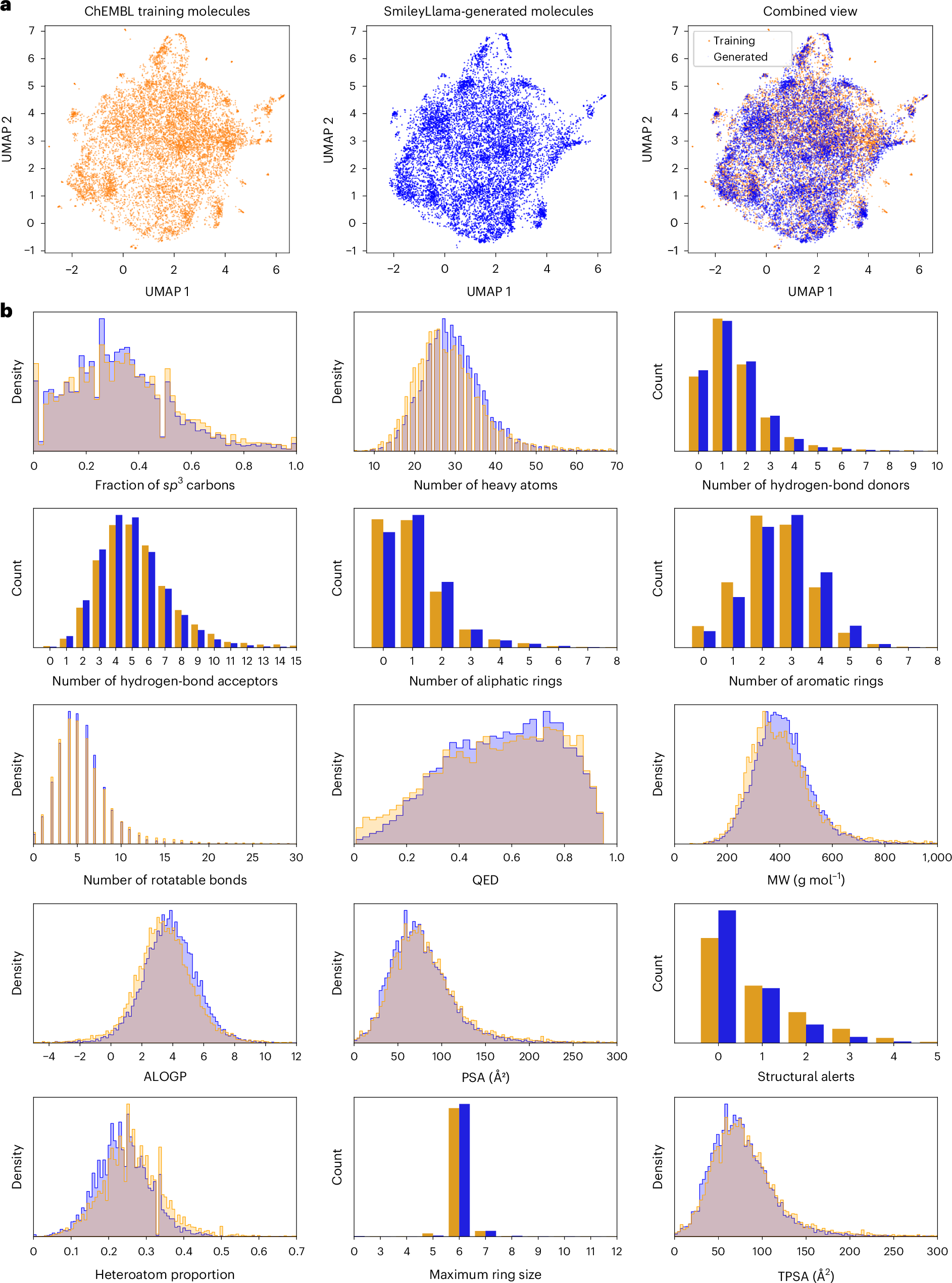
5. SmileyLlama: modifying large language models for directed chemical space exploration
• SmileyLlama transforms Llama-3.1-8B into a chemical language model achieving 97.8% validity and 99.9% uniqueness for drug-like molecule generation via supervised fine-tuning on 2 million ChEMBL molecules.
• The model requires 75% fewer training epochs than existing methods while generating novel SARS-CoV-2 inhibitors with synthetic accessibility scores of ~3.
• This $53 training approach democratizes drug discovery by enabling natural language-prompted molecule design without specialized chemistry models or expensive infrastructure.