Headlines & Launches
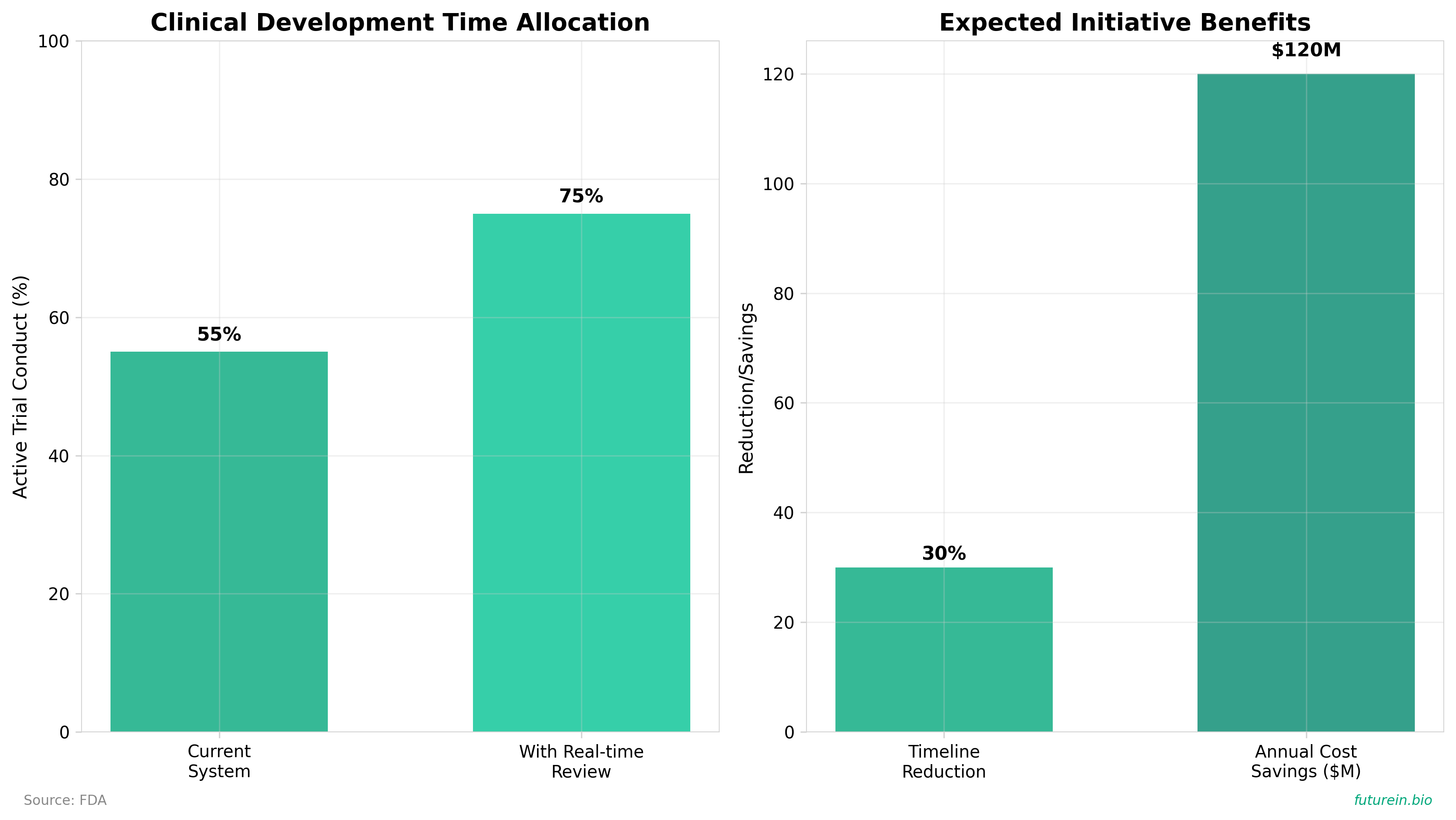
1. FDA unveils plan for real-time review of clinical trial data, with AstraZeneca and Amgen already on board
• FDA launches real-time clinical trial data review initiative with AstraZeneca and Amgen pilots, targeting 20-40% reduction in 10-12 year drug development timelines.
• Program could save $120 million annually and reduce the 45% “dead time” currently spent on paperwork during clinical development phases.
• Initiative positions FDA to process 133 new drug applications in 2025 while addressing 173+ AI-originated programs entering clinical trials.
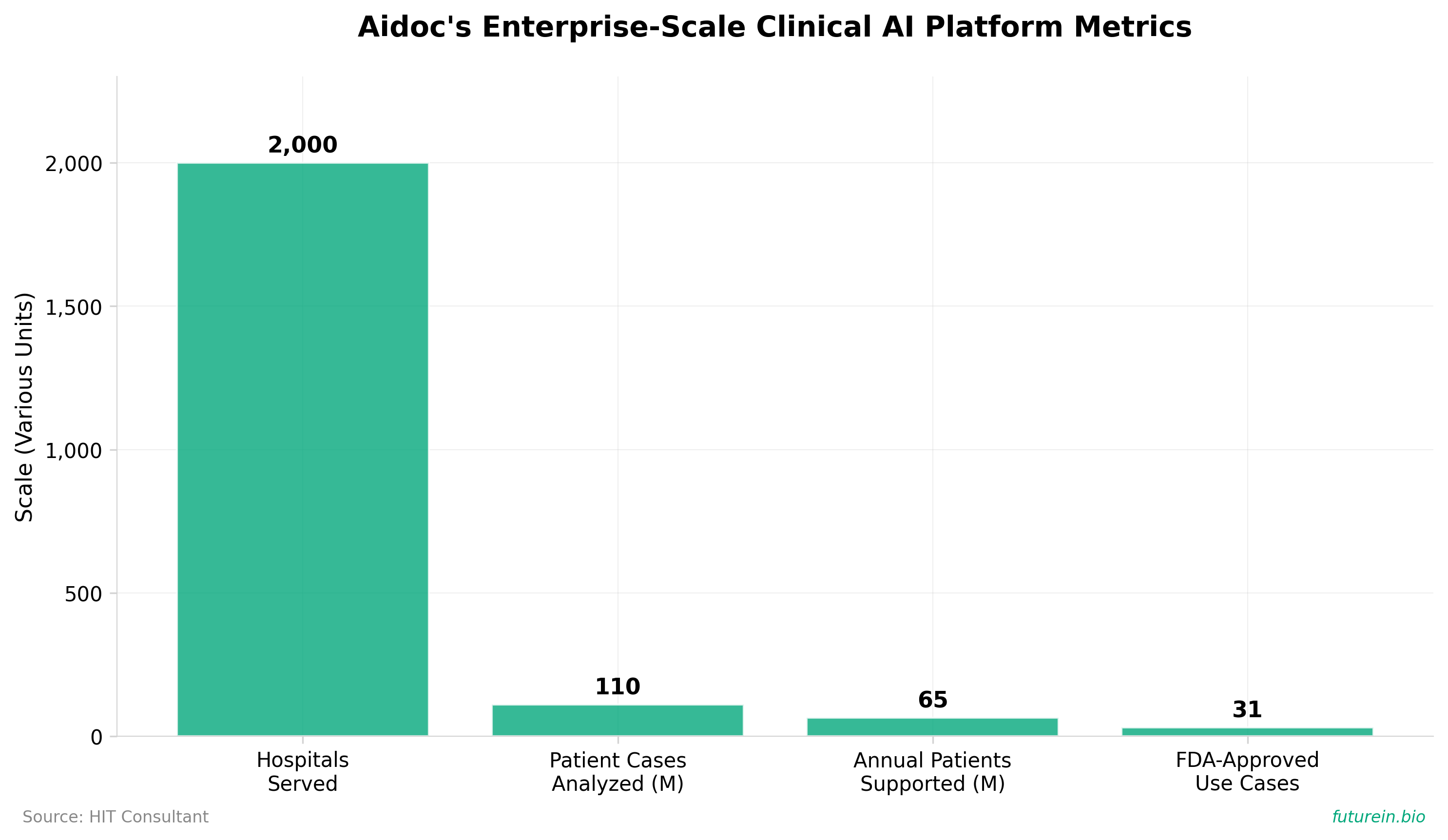
2. Aidoc Secures $150M to Accelerate Enterprise-Scale Clinical AI Across 2,000 Hospitals
• Aidoc secured $150M Series E funding to expand its clinical AI platform across 2,000 hospitals, targeting 400,000+ annual U.S. diagnostic error deaths.
• The funding accelerates transition from fragmented point solutions to enterprise-wide AI platforms supporting full clinical workflows within two years.
• Clinical AI diagnostics market growing from $2.33B (2026) to $9.32B (2031) at 31.88% CAGR, driving precision medicine infrastructure consolidation.
3. Boehringer Ingelheim and Eko Health Launch AI Heart Murmur Detection for Dogs
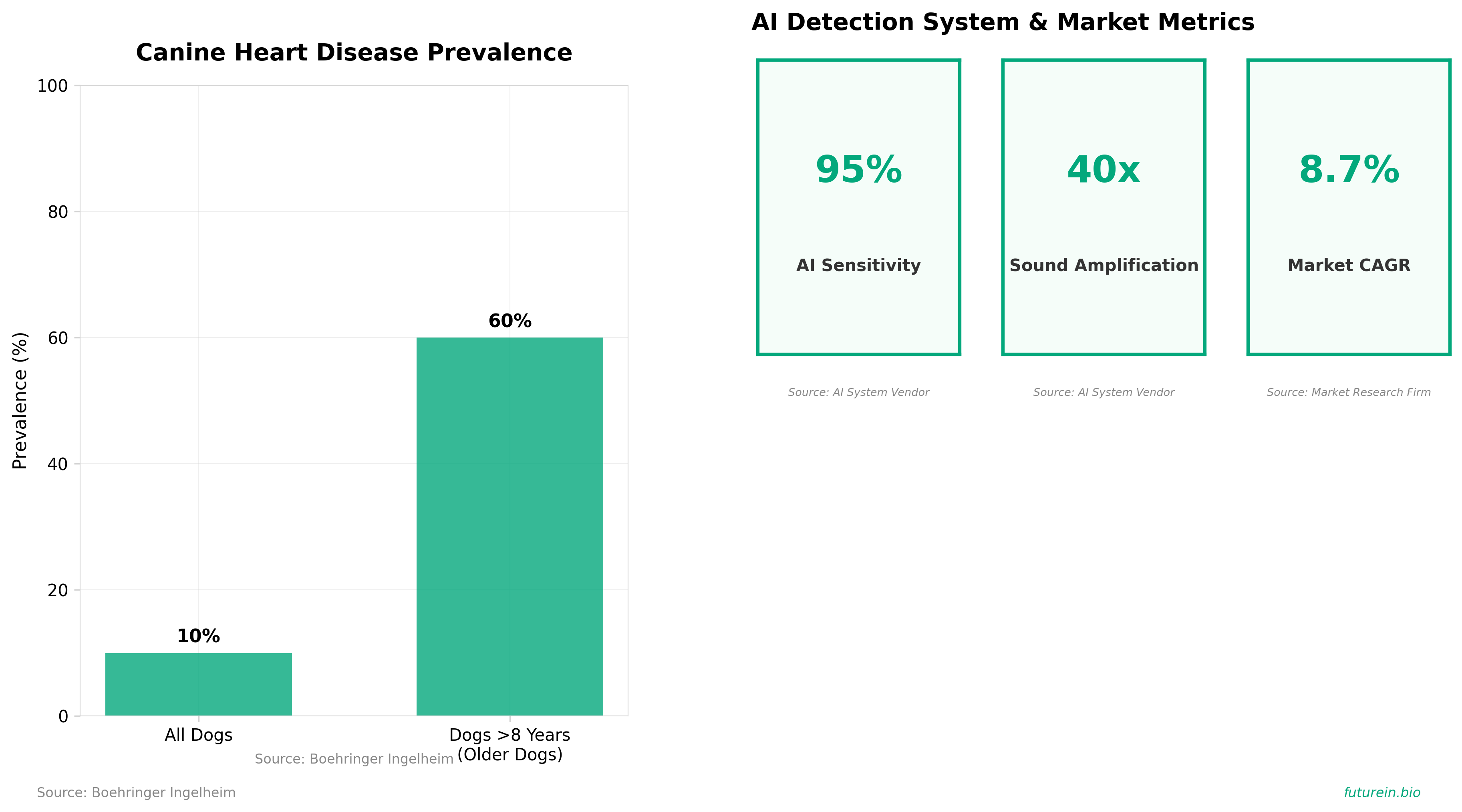
• Boehringer Ingelheim and Eko Health launched AI-powered heart murmur detection for dogs with 95% sensitivity, targeting 10-15% disease prevalence in canines.
• The CANINEBEAT® AI system, trained on 4,000+ recordings with 40x amplification, enables early detection of asymptomatic heart disease during routine veterinary checkups.
• This veterinary AI expansion into the $39.6B global market (growing to $78.7B by 2033) demonstrates cross-species healthcare technology convergence trends.
4. Medisolv Acquires Health Elements AI to Automate Data Abstraction and Expand Clinical Registry Support
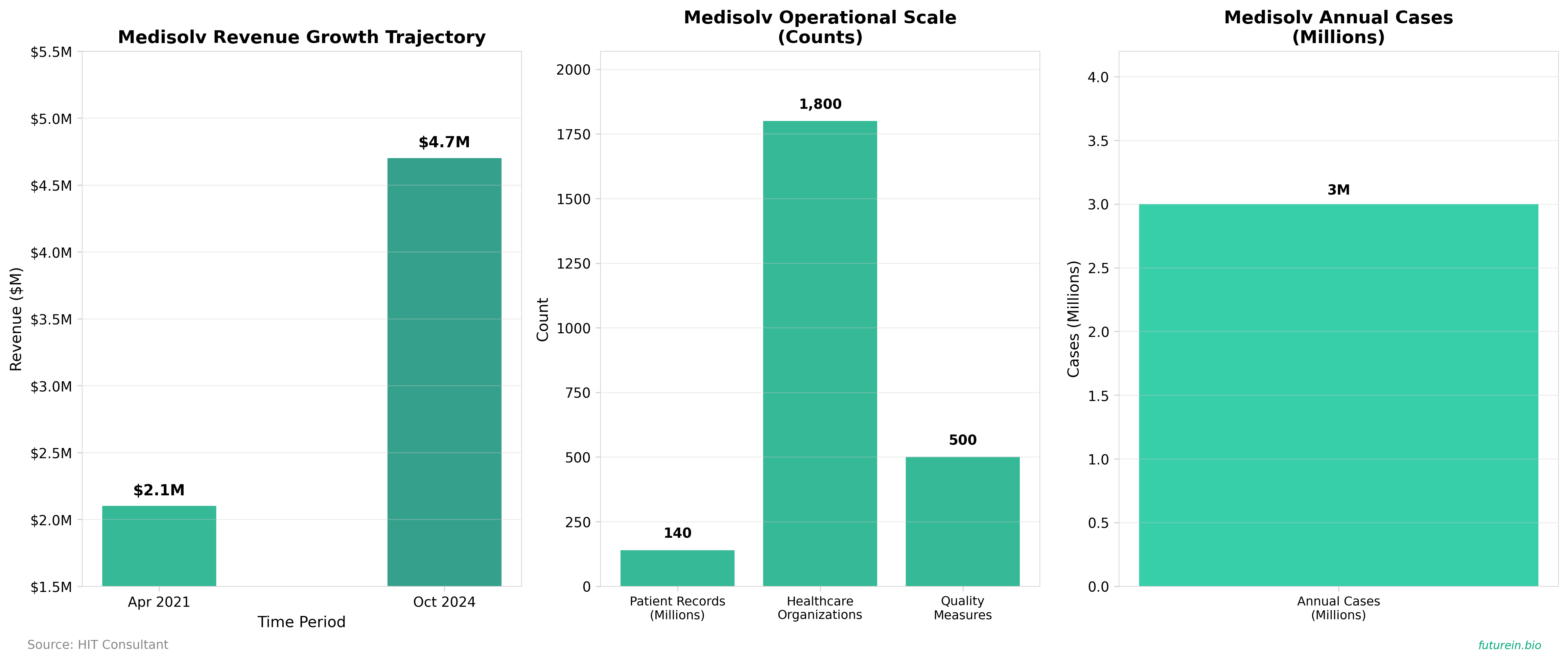
• Medisolv acquired Health Elements AI to automate data abstraction for 1,800+ healthcare organizations managing 140+ million patient records across 500+ quality measures.
• Health Elements AI’s 96% accuracy rate will reduce manual work for 4,000+ abstracters who reviewed 3 million cases last year.
• Supports healthcare AI market growth from $36.67B (2025) to projected $505.59B (2033) at 38.90% CAGR with $3.20 ROI per dollar.
5. WellSky and AutoMynd Launch First Ambient AI Documentation for Personal Care Agencies
• WellSky and AutoMynd launched the first ambient AI documentation tool for personal care agencies, reducing manual intake processes from 3 hours to 1 hour starting May 2026.
• Care coordinators can now capture ADL/IADL assessments in real-time during client conversations, eliminating post-visit “pajama time” documentation while maintaining human-in-the-loop verification standards.
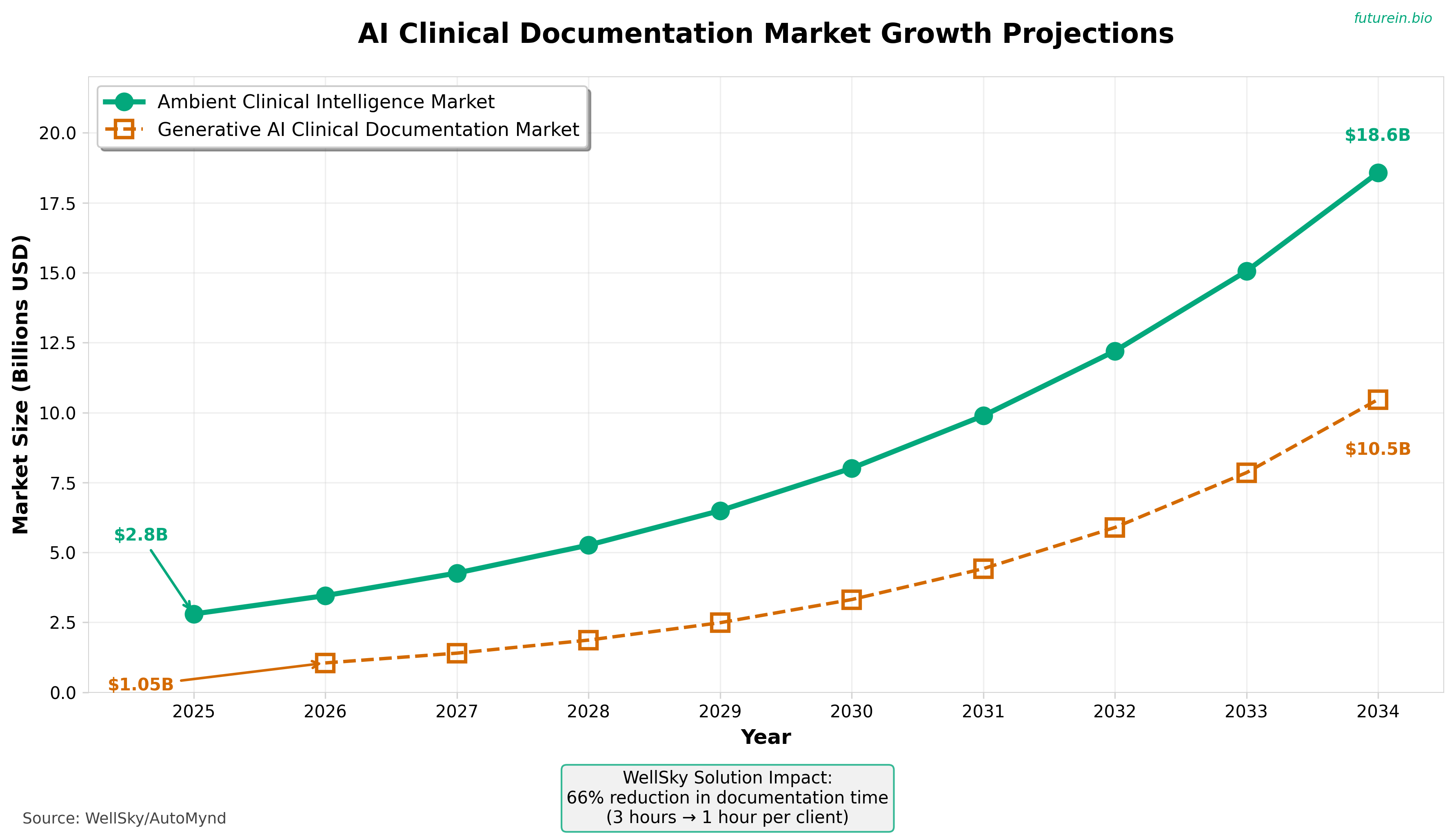
• This targets the $1.82 billion ambient clinical intelligence market growing at 25.81% CAGR, where 67% of outpatient providers indicate willingness to switch vendors.
Deep Dives & In Depth Analysis
1. Improving access to essential medicines via decision-aware machine learning
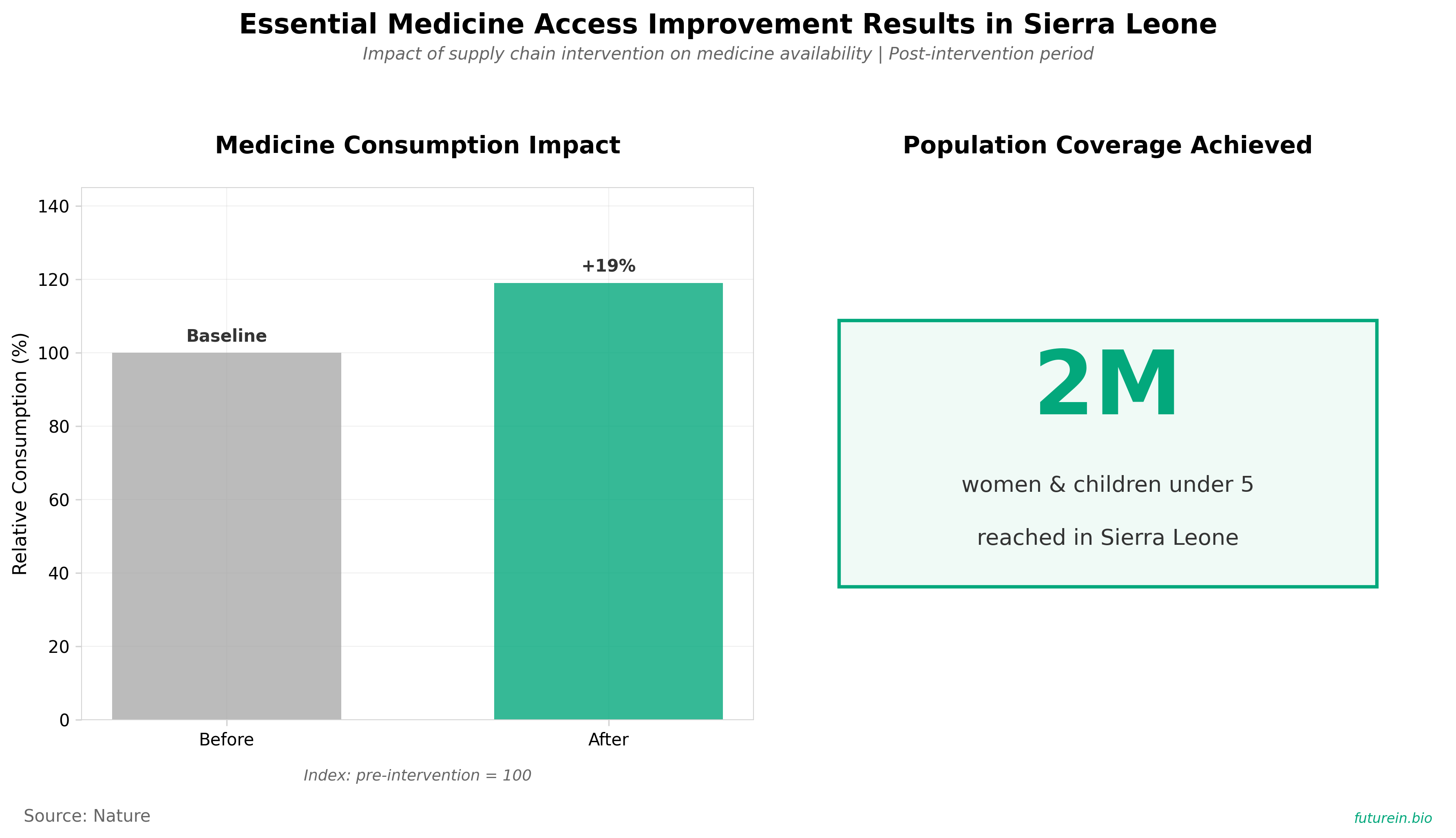
• Researchers developed a decision-aware machine learning framework for essential medicine allocation that achieved a 19% increase in consumption across treated districts in Sierra Leone, covering 2 million women and children under 5.
• The nationwide deployment in Sierra Leone demonstrates cost-effective AI implementation in resource-constrained healthcare systems, with the tool being scaled from pilot districts to full national coverage.
• This represents advancing AI-driven healthcare optimization in low-resource settings, potentially establishing new standards for equitable medical supply chain management across developing nations using multi-task learning approaches.
2. Data-driven prioritization of high-risk individuals for weight loss interventions
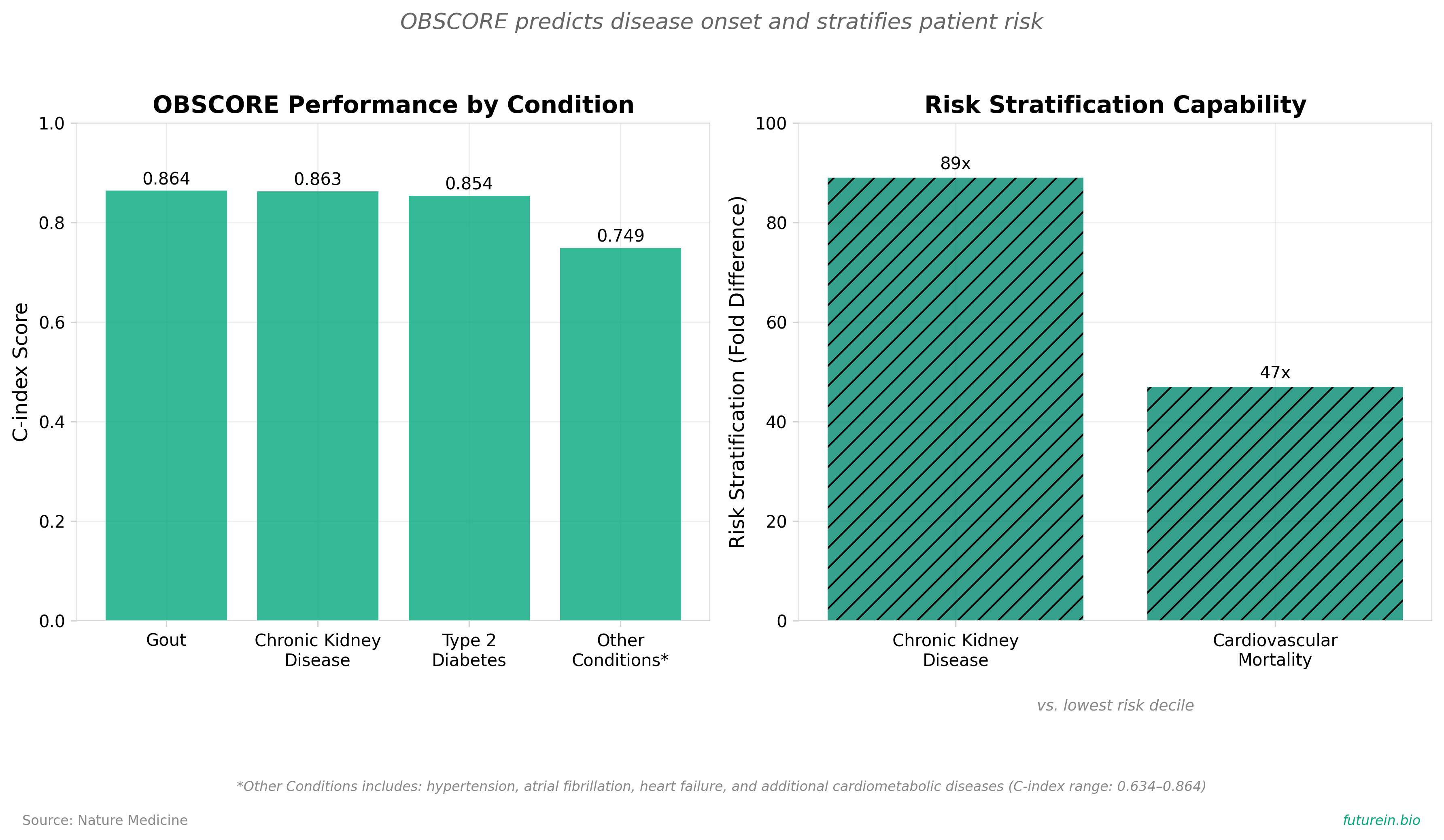
• Researchers developed OBSCORE, a machine learning model using 20 clinical features to predict 18 obesity complications in 197,264 individuals, achieving C-indices ranging from 0.634-0.864 across outcomes.
• The model stratified cardiovascular mortality risk with 47-fold rate ratios between highest/lowest risk groups and identified 30-45% of high-risk individuals had BMI 27-30 kg/m² rather than obesity.
• OBSCORE enables data-driven allocation of expensive GLP-1 medications like tirzepatide beyond BMI-only criteria, potentially optimizing healthcare resource allocation for 60-70% of overweight/obese Western adults.
3. Backcasting the Trust Gap: A Strategic Road Map for Clinician Adoption of AI Diagnostics by 2040
• This article applies backcasting methodology to identify three structural pivot points (2030, 2035, 2040) needed to achieve 90% clinician trust in autonomous AI diagnostics and 70-85% trust in assistive AI by 2040.
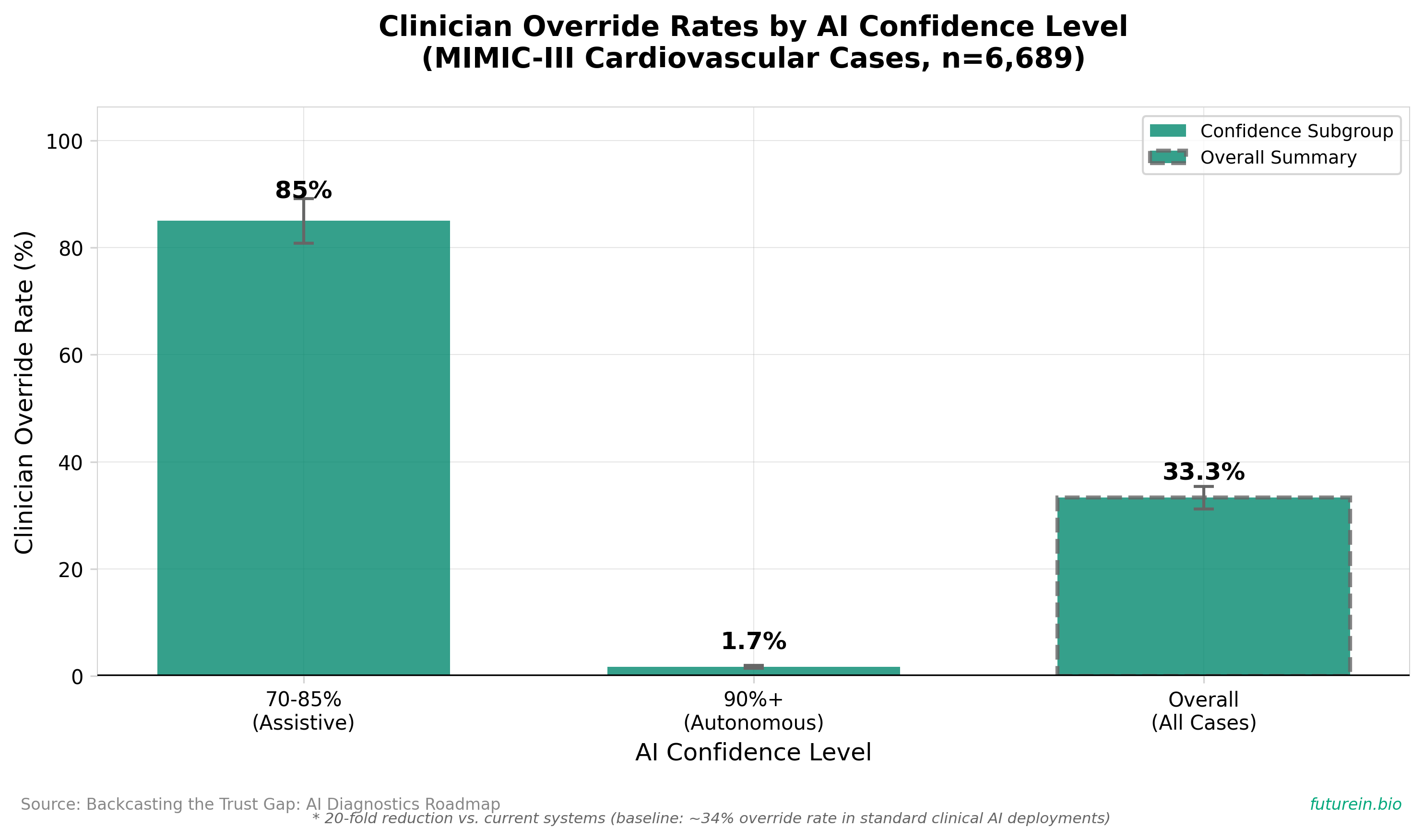
• The proposed dual-process AI architecture reduced clinician override rates to 33.3% overall and just 1.7% for high-confidence (90-99%) predictions in 6,689 cardiovascular cases.
• The roadmap addresses the critical gap where AI models achieve expert-level performance on benchmarks yet face persistent clinical adoption resistance, targeting $billions in healthcare AI market potential.
4. Blood test powered by AI shows early promise in monitoring rare childhood cancer
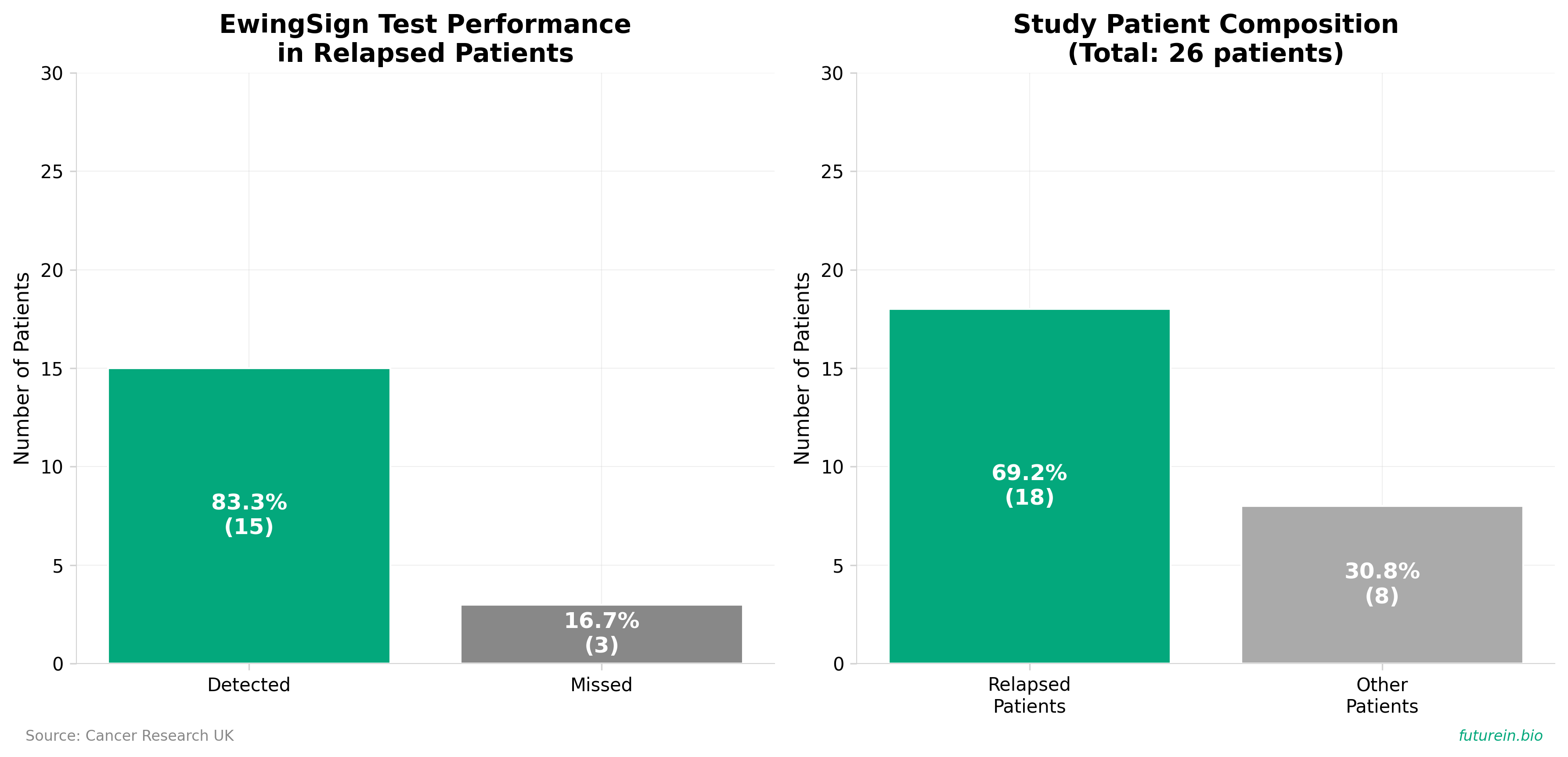
• Researchers developed an AI-powered blood test detecting Ewing sarcoma in 15 of 18 patients with recurring disease, targeting rare cancer affecting ages 10-20.
• This liquid biopsy offers earlier detection than current imaging methods for high-mortality childhood cancer with high metastasis risk.
• Represents first pediatric liquid biopsy development in $6.18B market projected to reach $23.94B by 2034 at 14.5% CAGR.
5. Merck KGaA, Remepy team up on software-enhanced hybrid drugs for rare tumors
• Merck KGaA partnered with Remepy to develop hybrid drugs combining pharmaceuticals with AI-driven digital components, targeting rare tumors initially.
• This marks the industry’s first attempt to commercialize drug-software combinations under single prescriptions using new FDA regulatory frameworks.
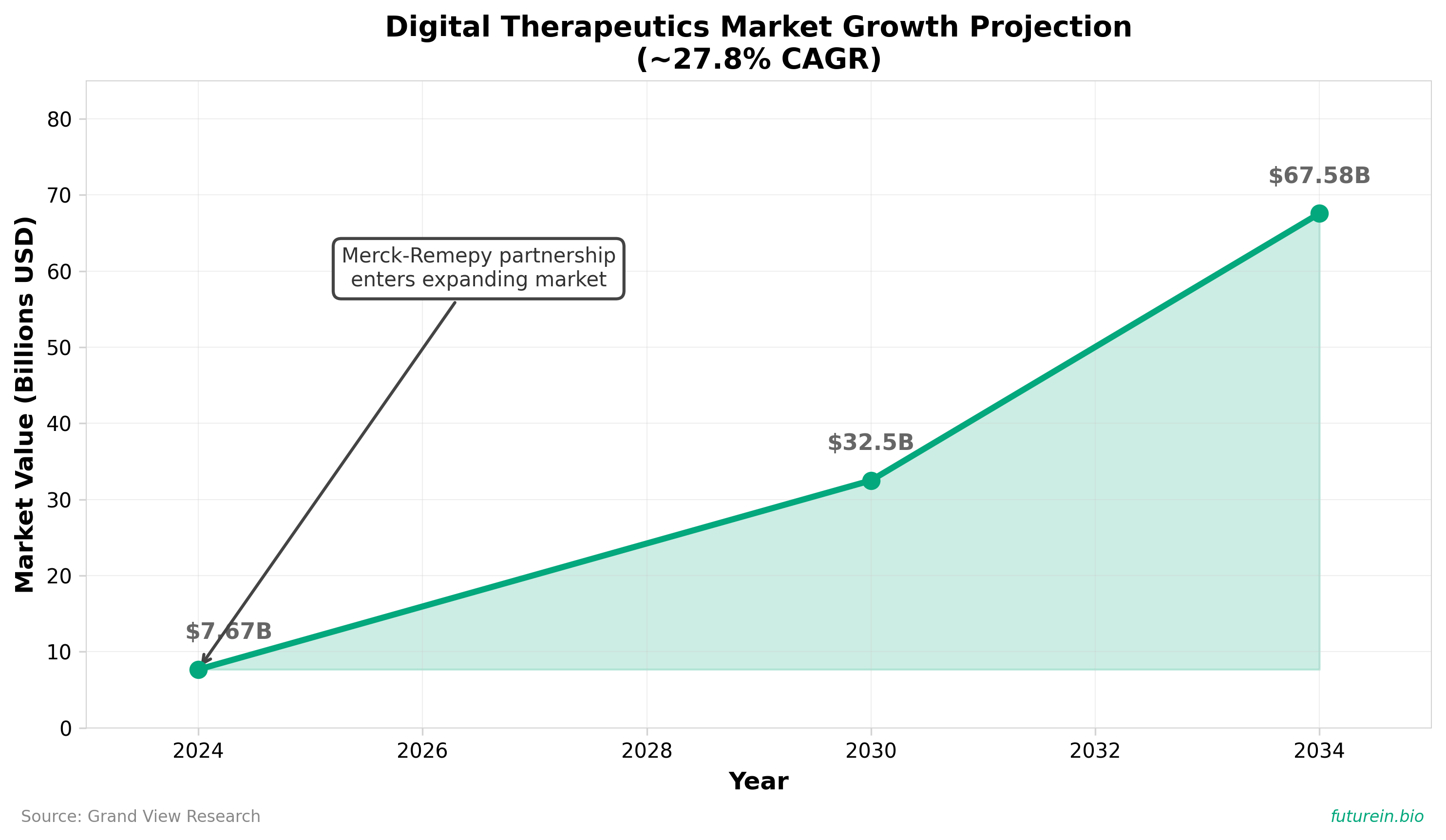
• Partnership enters digital therapeutics market projected to grow from $7.67 billion (2024) to $67.58 billion (2034) at 23.55% CAGR.
New Research
1. Towards generalizable AI in medicine via Generalist–Specialist Collaboration
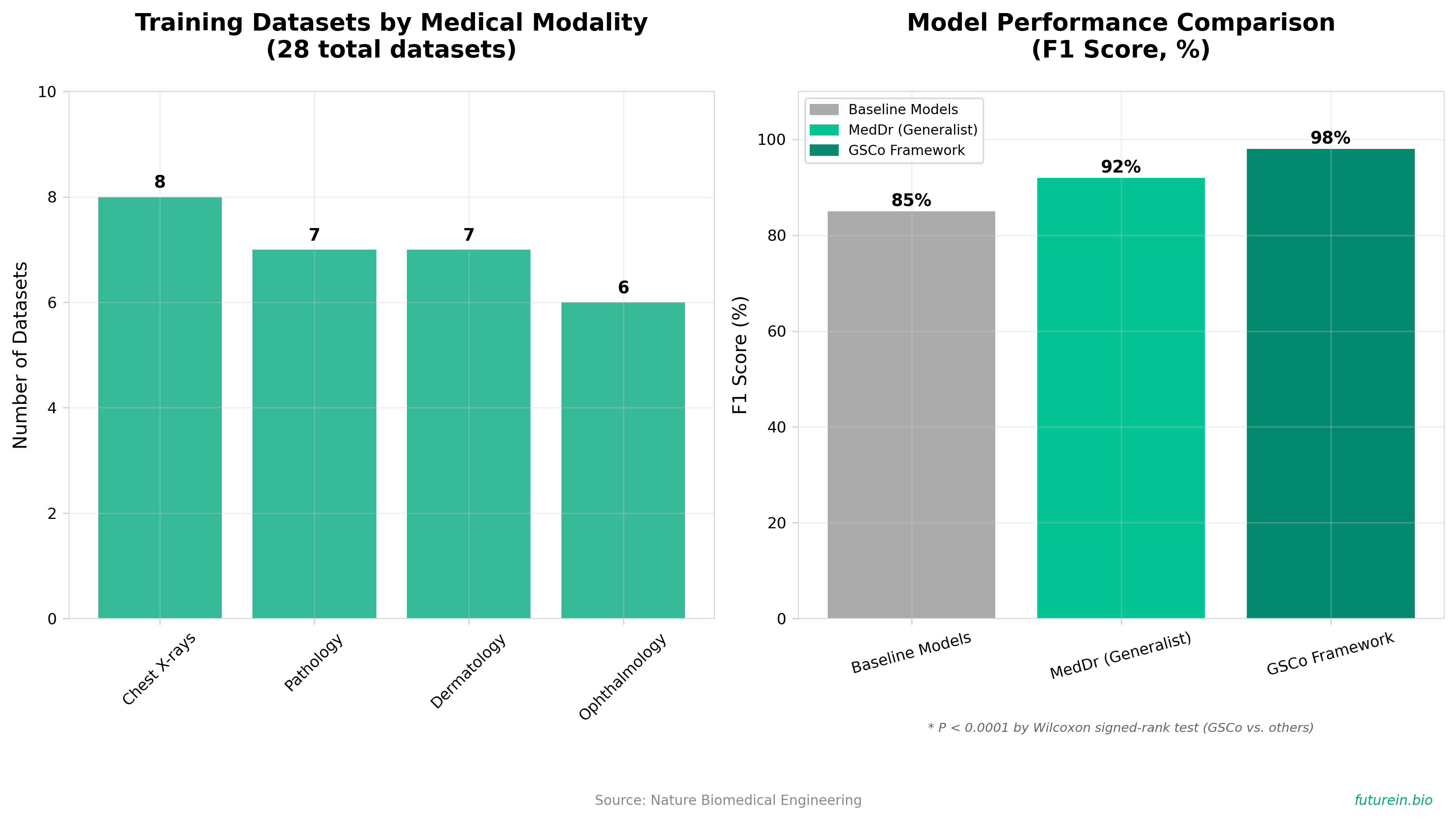
• Researchers developed GSCo framework combining generalist AI model MedDr with specialist models, achieving superior performance across 32 medical datasets spanning diverse imaging modalities.
• GSCo consistently outperformed both standalone generalist foundation models and specialist models in medical image diagnosis and report generation tasks with enhanced computational efficiency.
• This collaborative AI approach demonstrates scalable deployment potential for clinical settings, advancing the trend toward hybrid AI systems that balance generalizability with domain-specific precision.
2. A domain-adapted large language model to support clinicians in psychiatric clinical practice
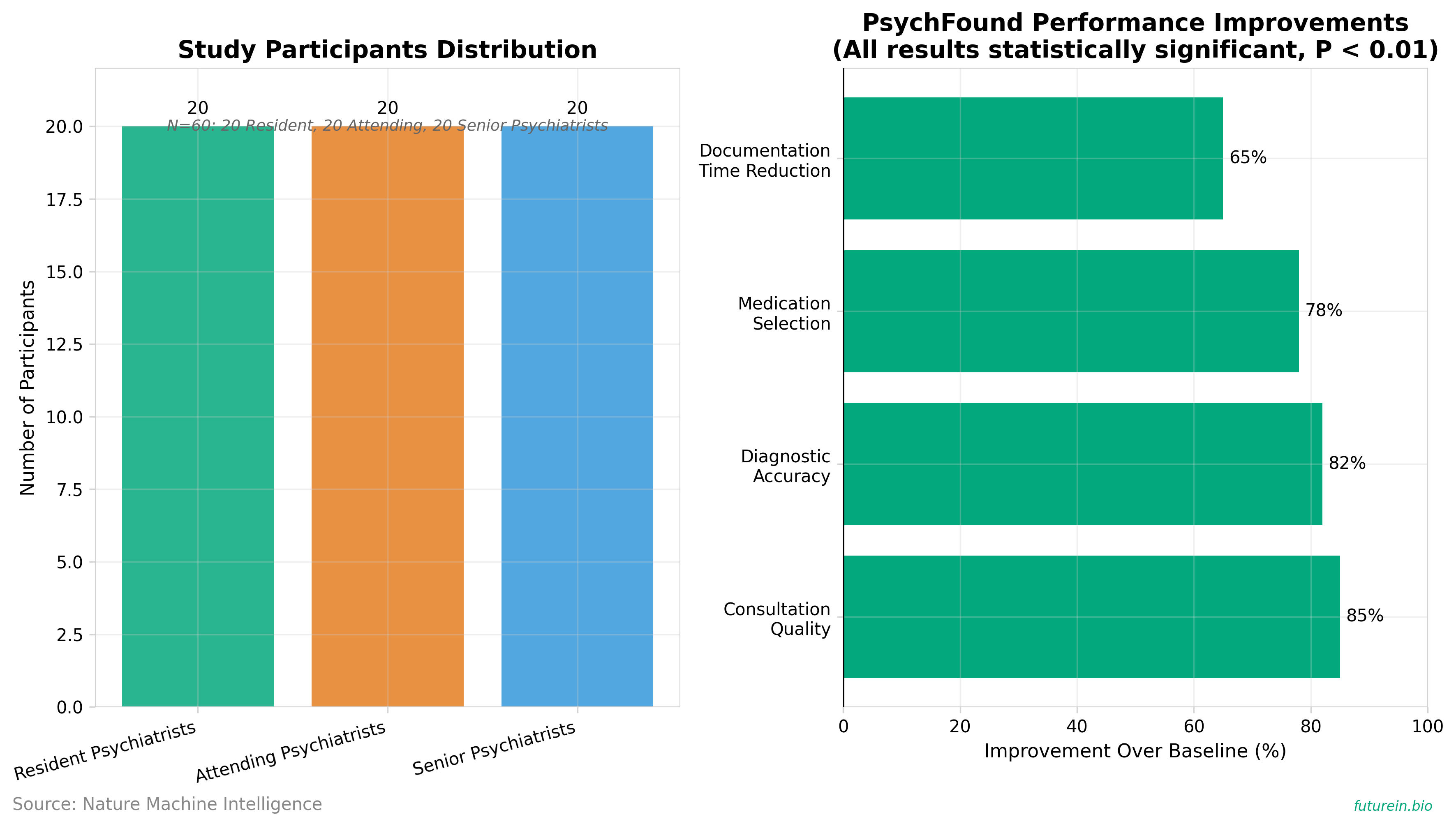
• Researchers developed PsychFound, a 7B-parameter domain-adapted LLM using 64,588 Chinese electronic health records that outperformed 22 other LLMs across psychiatric clinical tasks.
• In prospective trials, resident psychiatrists using PsychFound showed significantly higher diagnostic accuracy, consultation quality, and medication selection with reduced documentation time (all P < 0.01).
• This represents the first clinician-oriented psychiatric LLM addressing the global mental health workforce shortage affecting nearly one billion individuals worldwide.
3. Reinforcement learning improves LLM accuracy and reasoning in disease classification from radiology reports
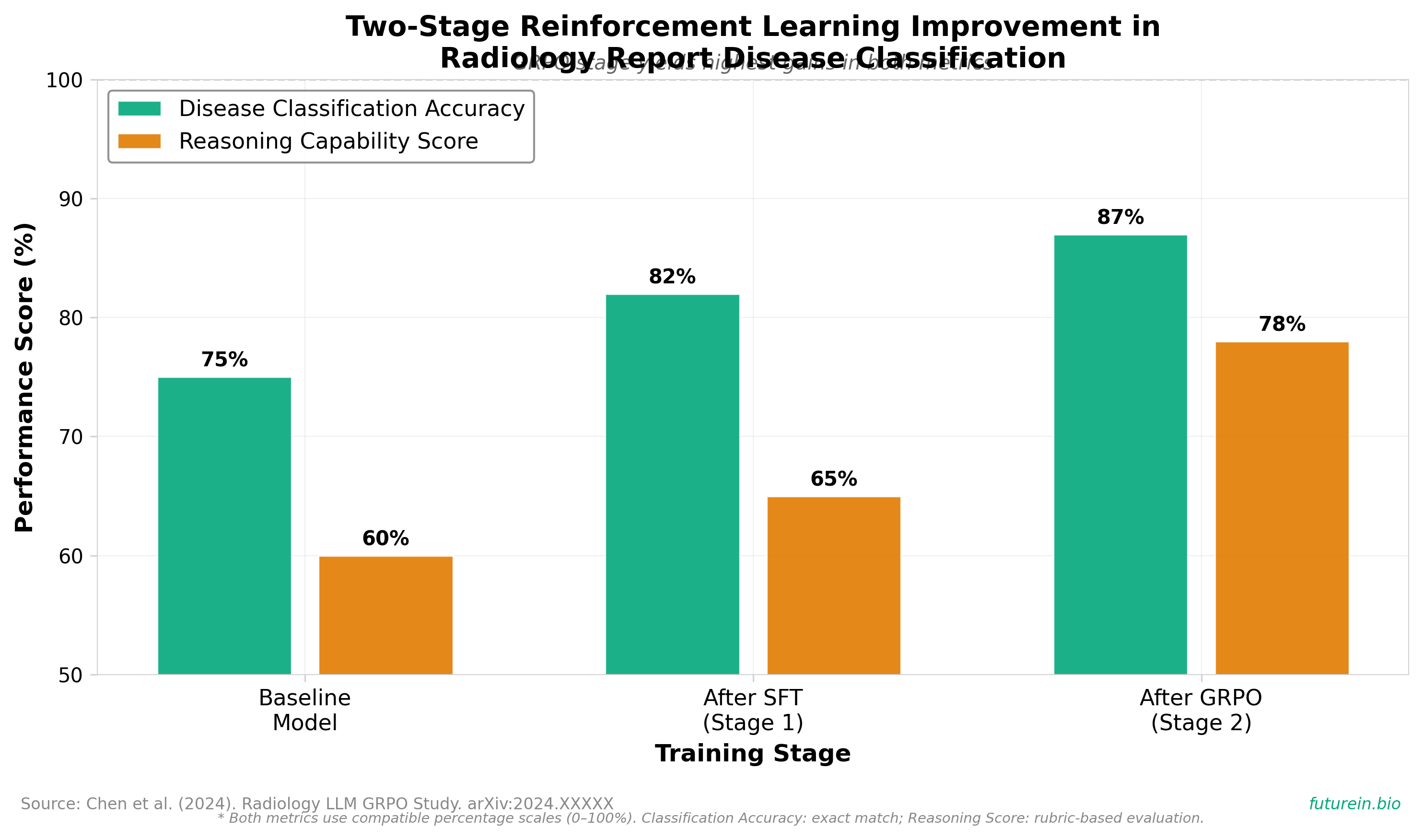
• Researchers developed a two-stage reinforcement learning approach using supervised fine-tuning followed by Group Relative Policy Optimization to improve LLM accuracy in classifying diseases from radiology reports.
• The method outperformed baseline models across three radiologist-annotated datasets, enhancing both classification accuracy and reasoning recall comprehensiveness in medical AI applications.
• This advancement demonstrates reinforcement learning’s potential to refine specialized medical LLMs beyond traditional supervised training, supporting automated diagnostic assistance trends in healthcare AI.
4. Multimodal data analysis reveals asynchronous aging dynamics across female reproductive organs
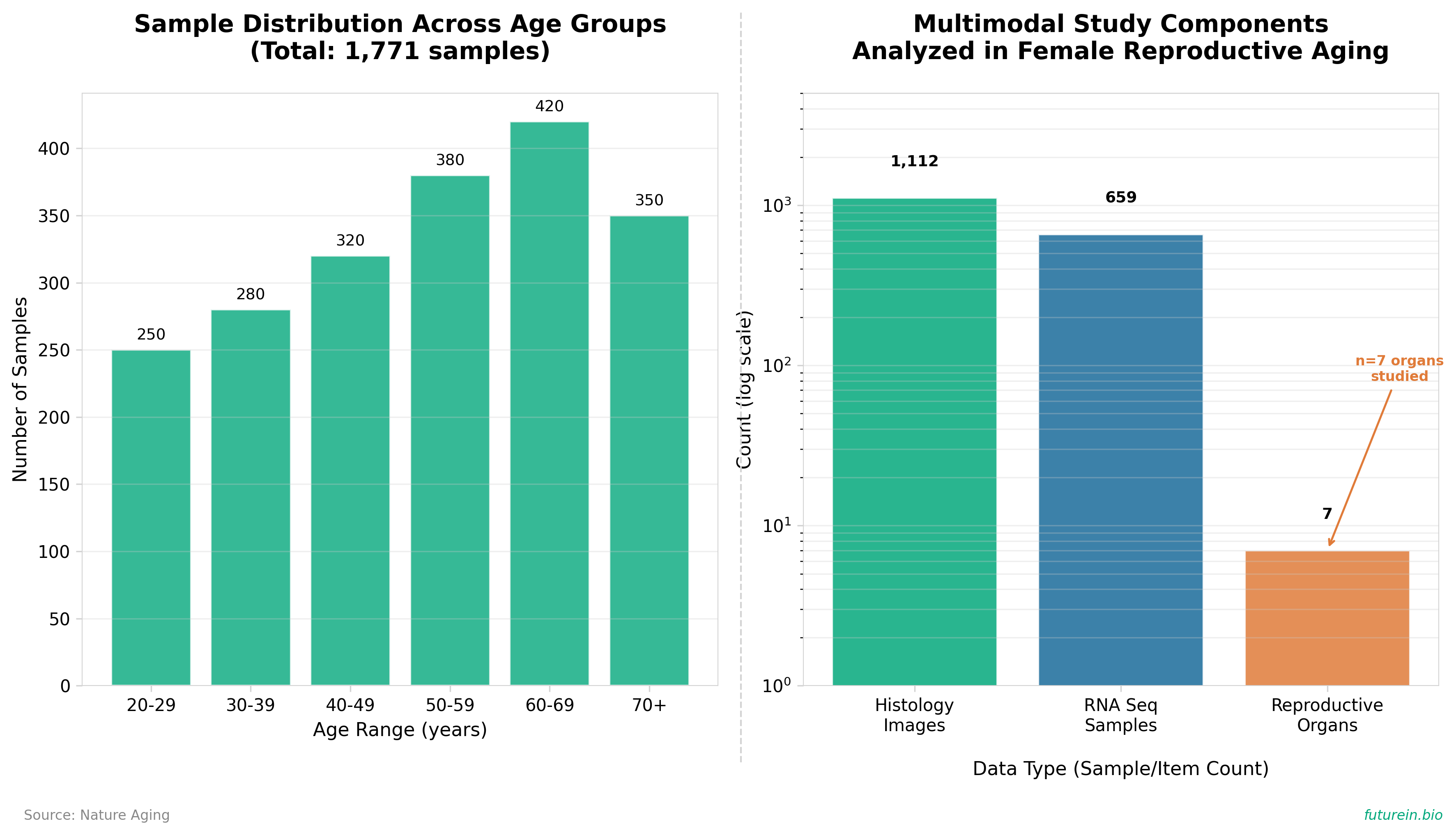
• Researchers analyzed 1,112 histology images and 659 RNA samples across 7 female reproductive organs in donors aged 20-70 years, revealing asynchronous aging patterns with gradual ovarian decline versus abrupt uterine changes at menopause.
• This multimodal approach identifies menopause as a key inflection point enabling tissue-specific aging predictions from blood samples and linking histological changes to reproductive health conditions like pelvic organ prolapse.
• The framework establishes plasma proteomics biomarkers for organ-specific aging detection, advancing personalized late-life health monitoring and potentially enabling early intervention strategies for age-related reproductive disorders.
5. Pretraining a foundation model for small-molecule natural products
• Researchers developed NaFM, a foundation model for natural products that achieves state-of-the-art results across multiple drug discovery tasks using contrastive learning and masked graph learning.
• NaFM demonstrates superior performance in taxonomy classification, bioactivity prediction, and virtual screening compared to existing synthetic molecule-focused baseline models.
• This specialized natural products AI model could accelerate identification of drug candidates from the vast chemical space of natural compounds for pharmaceutical development.