Responsible Implementation of EHR-Based Clinical Prediction Models
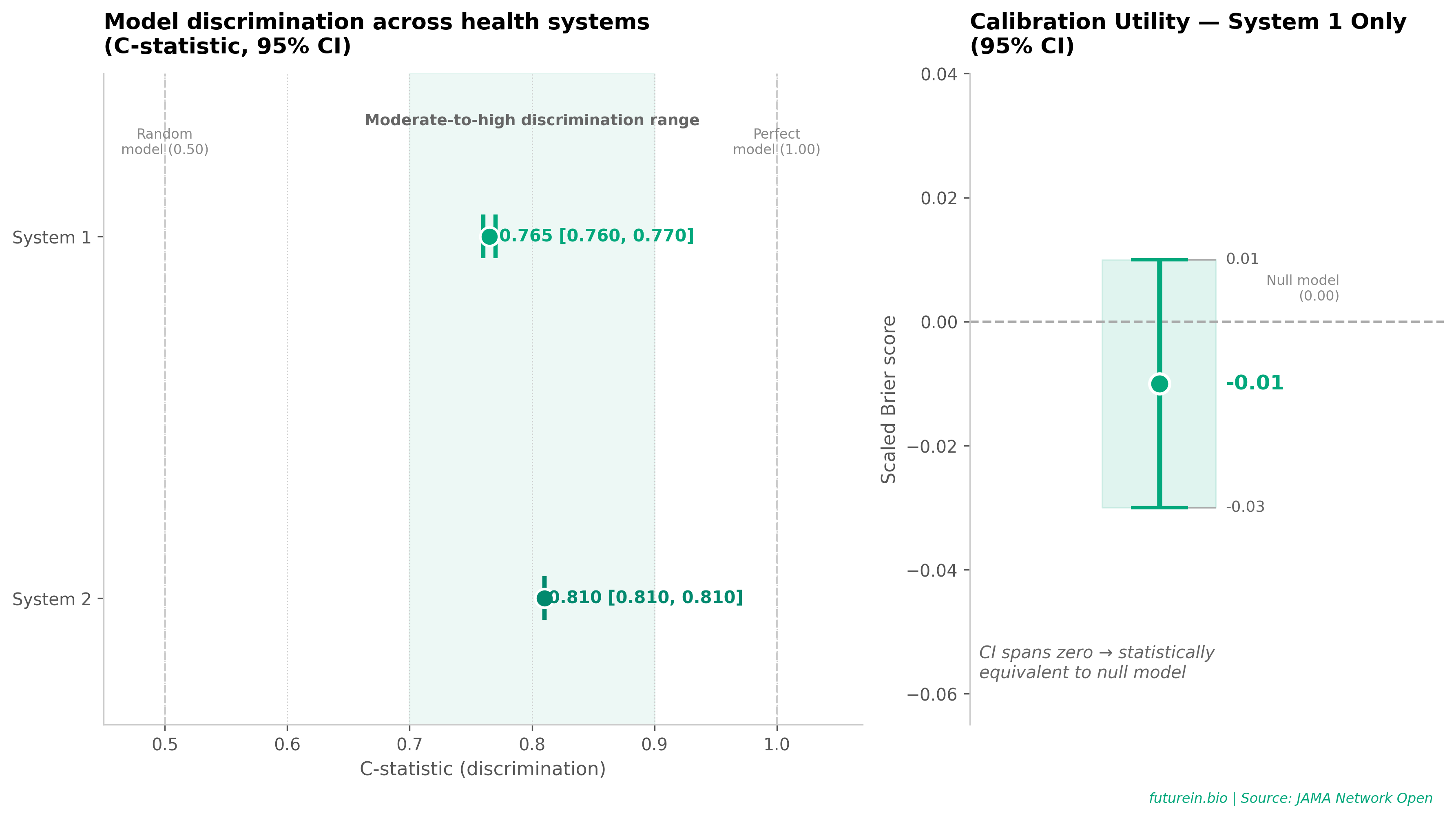
• This JAMA commentary argues EHR-based clinical prediction models like Epic’s EOLCI (C-statistic 0.76–0.81, poor calibration, Scaled Brier Score −0.01) require responsible implementation beyond statistical performance.
• Poor EOLCI calibration—overpredicting mortality risk across 39 hospitals in 2 health systems—signals urgent need for local, recurring model validation before clinical deployment.
• Long-term, the field must shift toward treating prediction models as clinical interventions requiring continuous fairness monitoring, workflow integration, and context-specific equity assessment across subgroups.
Accuracy and Equity of an End-of-Life Care Index in Predicting 1-Year Mortality
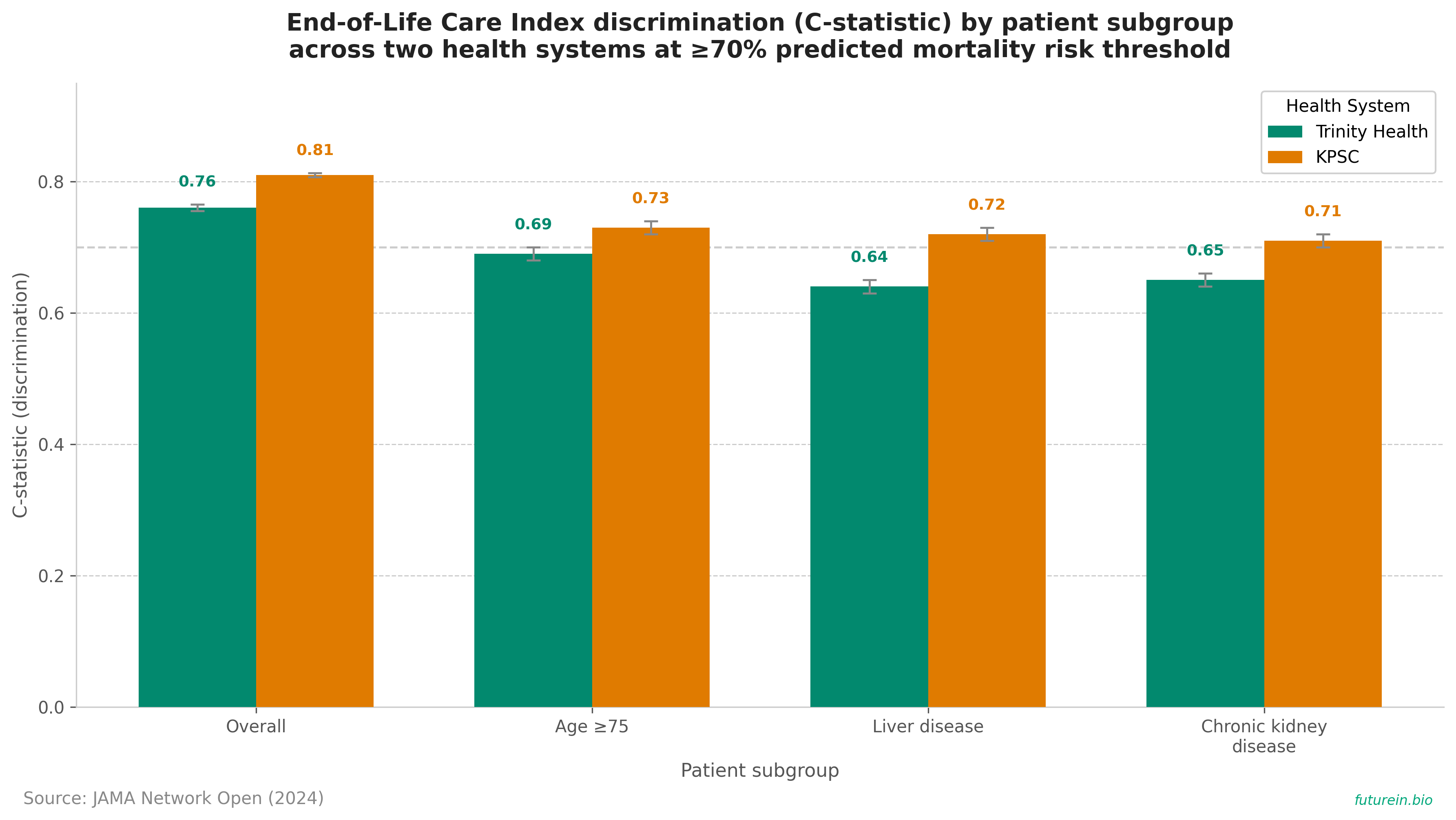
• The Epic End-of-Life Care Index (EOLCI) was externally validated across 287,106 encounters at 39 hospitals, showing moderate-high discrimination (C-statistic: 0.76–0.81) but poor calibration with consistent mortality overestimation.
• The EOLCI performed worse in patients ≥75 years and Medicaid recipients (SBS: −0.19 vs. 0.04), signaling recalibration needs before clinical deployment as a palliative care trigger.
• Widescale EHR-embedded mortality prediction tools require mandatory equity audits across diagnosis subgroups—liver disease and heart failure showed C-statistics as low as 0.64–0.69—before commercial adoption.
Flow Neuroscience Launches FDA-Approved At-Home tDCS Treatment for Major Depressive Disorder
• Flow Neuroscience launched FL-100, the first FDA-approved (PMA P230024) at-home tDCS prescription device for moderate-to-severe MDD in the U.S.
• The device achieved 58.3% response vs. 37.8% sham in its pivotal trial (n=174), priced at $500–$800, targeting 20M+ U.S. depression patients.
• At-home neuromodulation with 76% 6-month response rates and 90% maintained remission signals a shift toward durable, decentralized neuropsychiatric care.

Verily Secures Strategic Investment from NVIDIA to Accelerate Precision Health AI Platform
• Verily Health secured a strategic equity investment from NVIDIA, extending its $300M March 2026 funding round, with a syndicate including Alphabet, Series X Capital, and UCHealth.
• NVIDIA’s B200 GPUs, NeMo, Parabricks, and RAPIDS frameworks will accelerate Verily’s Forecast 1.0 multimodal foundation model and Pre Platform, serving 21,500+ researchers globally.
• NVIDIA’s pivot from technology partner to equity investor within 12 months reflects AI compute providers’ growing strategy to embed directly into precision health data infrastructure.

ARPA-H picks UpDoc, Tempus and Atman to build AI tools for heart disease
• ARPA-H selected UpDoc ($9.2M), Atman Health ($7.7M), and Tempus AI for its $62.7M ADVOCATE program to build FDA-authorized agentic AI cardiac tools.
• Year 1 deploys $33.7M across a 39-month pathway targeting 200,000+ preventable CVD deaths and ~$28B annual heart failure savings.
• Program addresses structural gaps—50% of U.S. counties lack cardiologists—accelerating agentic AI toward FDA authorization within 24 months.
Computable longitudinal patient journeys from structured and unstructured EHR data
• This Nature Medicine study presents an LLM-based framework extracting computable clinical data from unstructured EHR text, validated by physician adjudication with high inter-reviewer agreement.
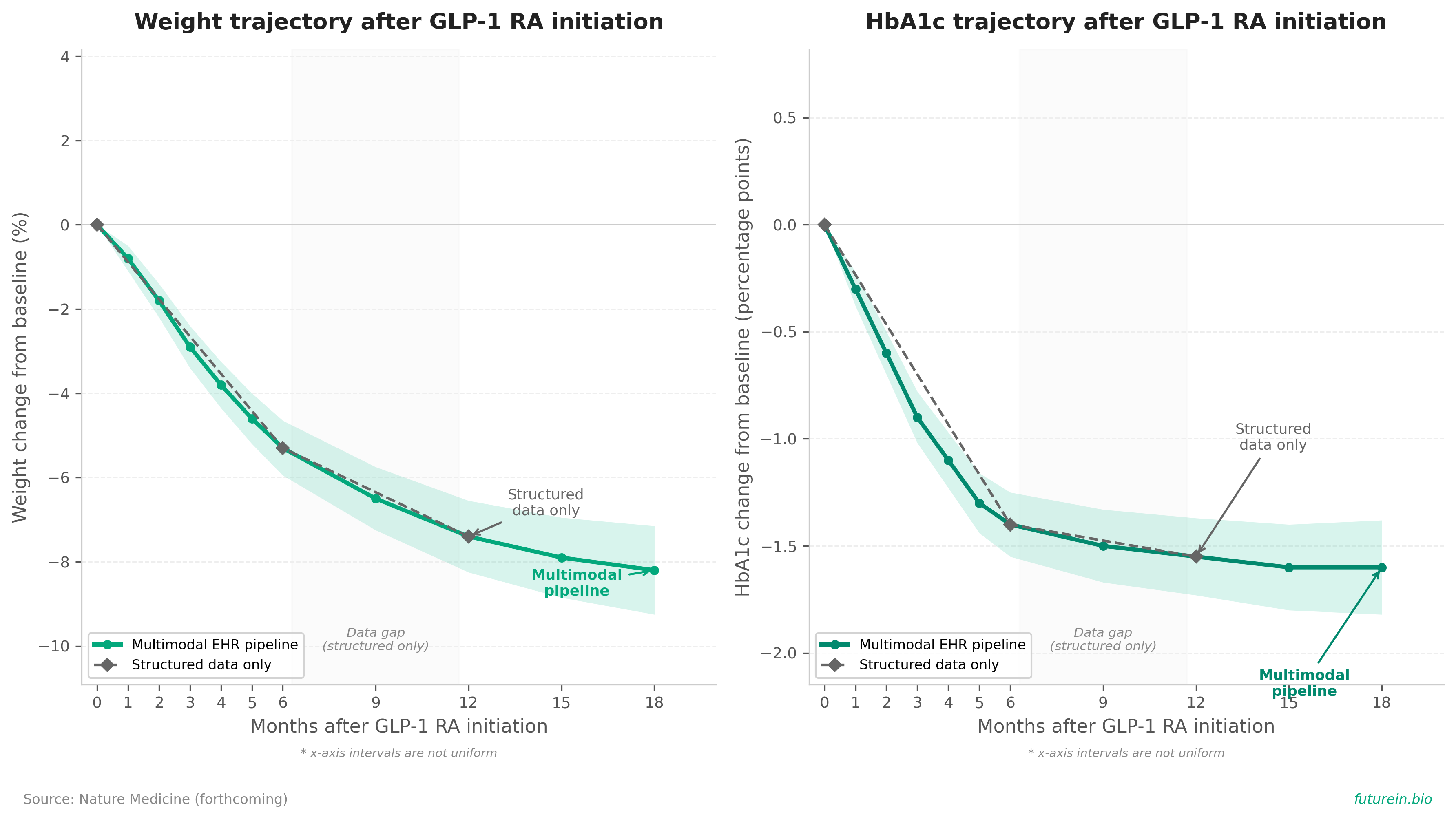
• Applied to GLP-1 RA therapy, the disease-agnostic system reconstructs patient-level trajectories, modeling longitudinal weight and HbA1c changes beyond fixed-timepoint endpoints in large-scale cohorts.
• The knowledge graph architecture with agentic programmatic interfaces positions LLM-driven real-world evidence generation as a scalable alternative to structured-data-only EHR analytics across all clinical conditions.
The Rise of Shadow AI in Health Care: What It Means for Patient Care
• Shadow AI in healthcare is rising as 58% of clinical staff use unauthorized AI tools to offset a documented 26.7-hour daily workload gap.
• Immediate risks include $7.4M average breach costs, 97% of AI security incidents linked to missing access controls, and only 23% of users understanding HIPAA implications.
• With the AI healthcare market expanding from $38B (2025) to $928B (2035) at 37.66% CAGR, governance frameworks must scale alongside explosive adoption or patient safety erodes.

Evaluating Large Language Models in Clinical Audiology (AUDIOLOGYBENCH): Benchmark Development and Validation Study
• AUDIOLOGYBENCH benchmarks LLMs across 3 clinical audiology tasks, revealing task type (η²=0.333) dominates performance 333× more than model selection (η²=0.001).
• Clinical recommendations scored 89.74/100 (98.1% pass rate, 0 dangerous outputs) versus numerical interpretation’s critical 35.4% error rate (95/268 cases).
• Automated adjudicators showed near-random human agreement (κ=0.05, PPV=36%), signaling unreliable safety validation infrastructure as specialty-specific medical AI deployment scales.
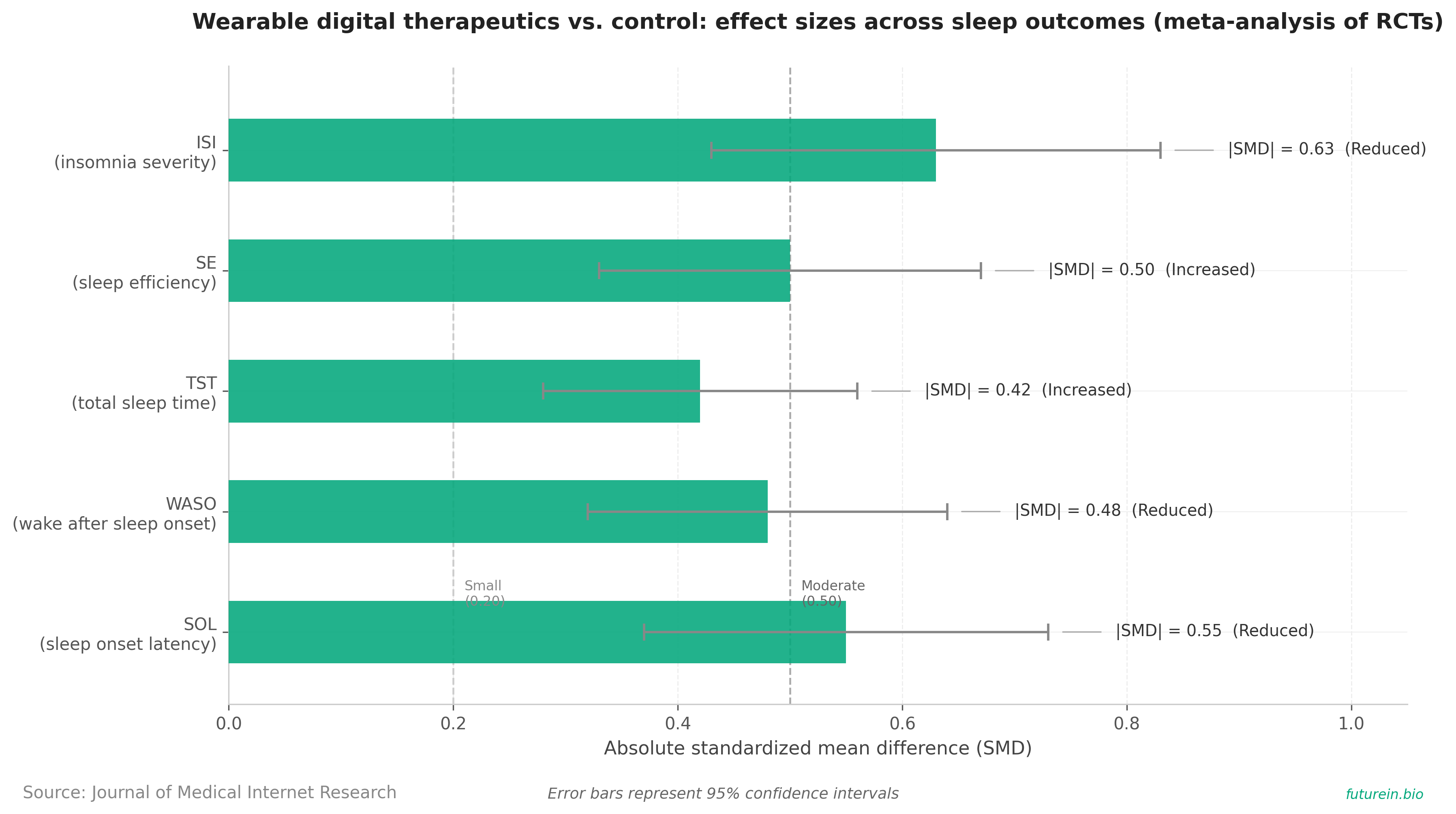
Effectiveness of Wearable Digital Therapeutics in Improving Sleep Outcomes Among Individuals With Insomnia: Systematic Review and Meta-Analysis of Randomized Controlled Trials
• This systematic review and meta-analysis evaluated wearable digital therapeutics (WDTs) across randomized controlled trials to assess sleep outcome improvements in insomnia patients.
• WDTs demonstrated statistically significant improvements in sleep efficiency, sleep onset latency, and wake after sleep onset versus control groups across pooled RCT data.
• Findings support growing integration of FDA-regulated wearable DTx into insomnia care, aligning with the expanding $30B+ digital therapeutics market targeting behavioral sleep interventions.
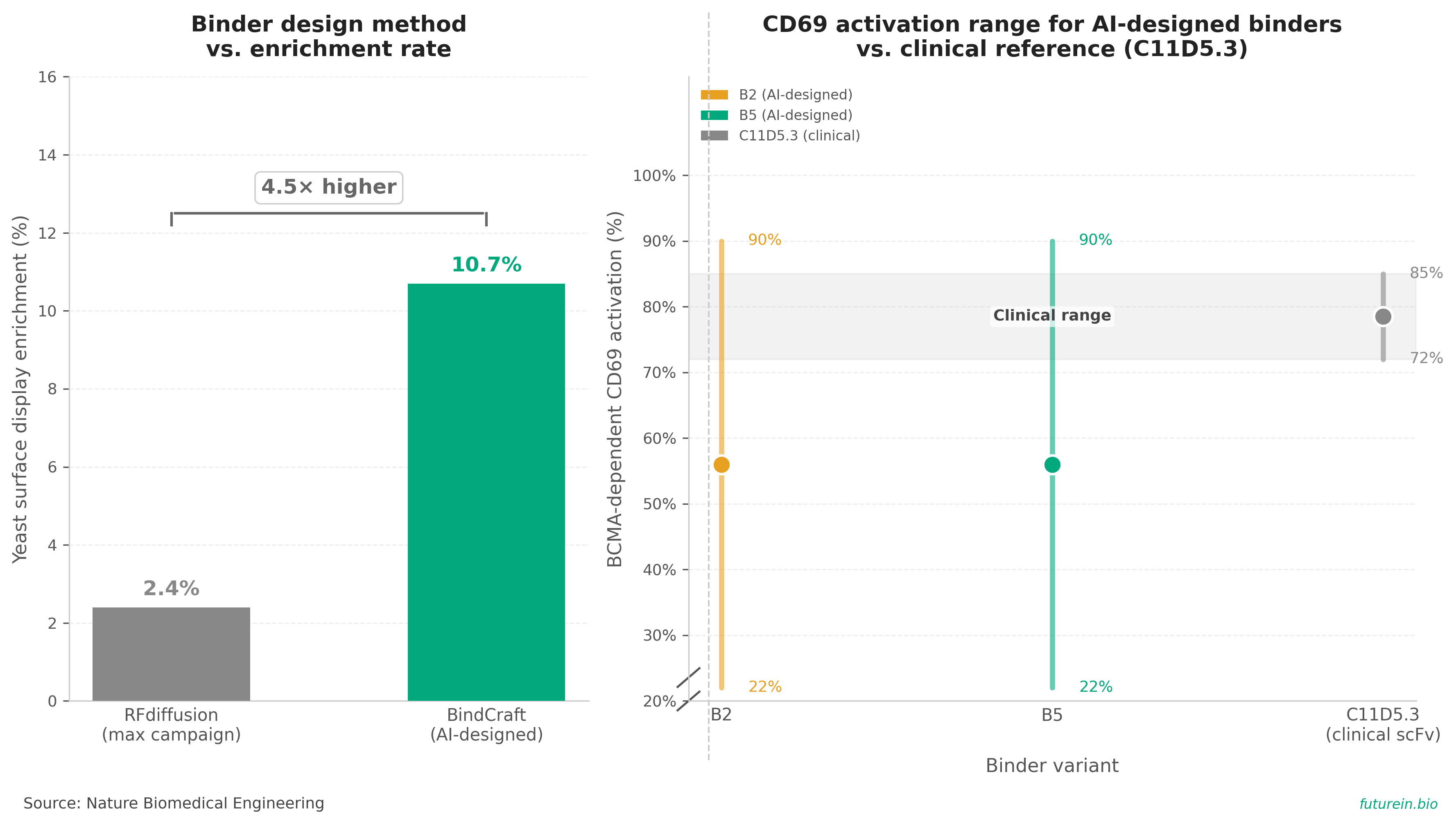
Sequence and structural determinants of efficacious de novo chimaeric antigen receptors
• Researchers screened 1,758 AI-designed protein binders targeting BCMA, CD19, and CD22 for CAR T-cell efficacy, identifying key design constraints and solutions.
• Evolved minibinder B5.I0 outperformed clinical-grade CARVYKTI and C11D5.3 scFv at 1:10 effector-to-tumor ratios, achieving near-complete tumor control in xenograft models.
• AI-driven de novo protein design (RFdiffusion, BindCraft) is emerging as a scalable alternative to antibody-derived CAR domains, with net charge identified as a key tonic signaling predictor.
AI-guided design of complete bacteriophage genomes
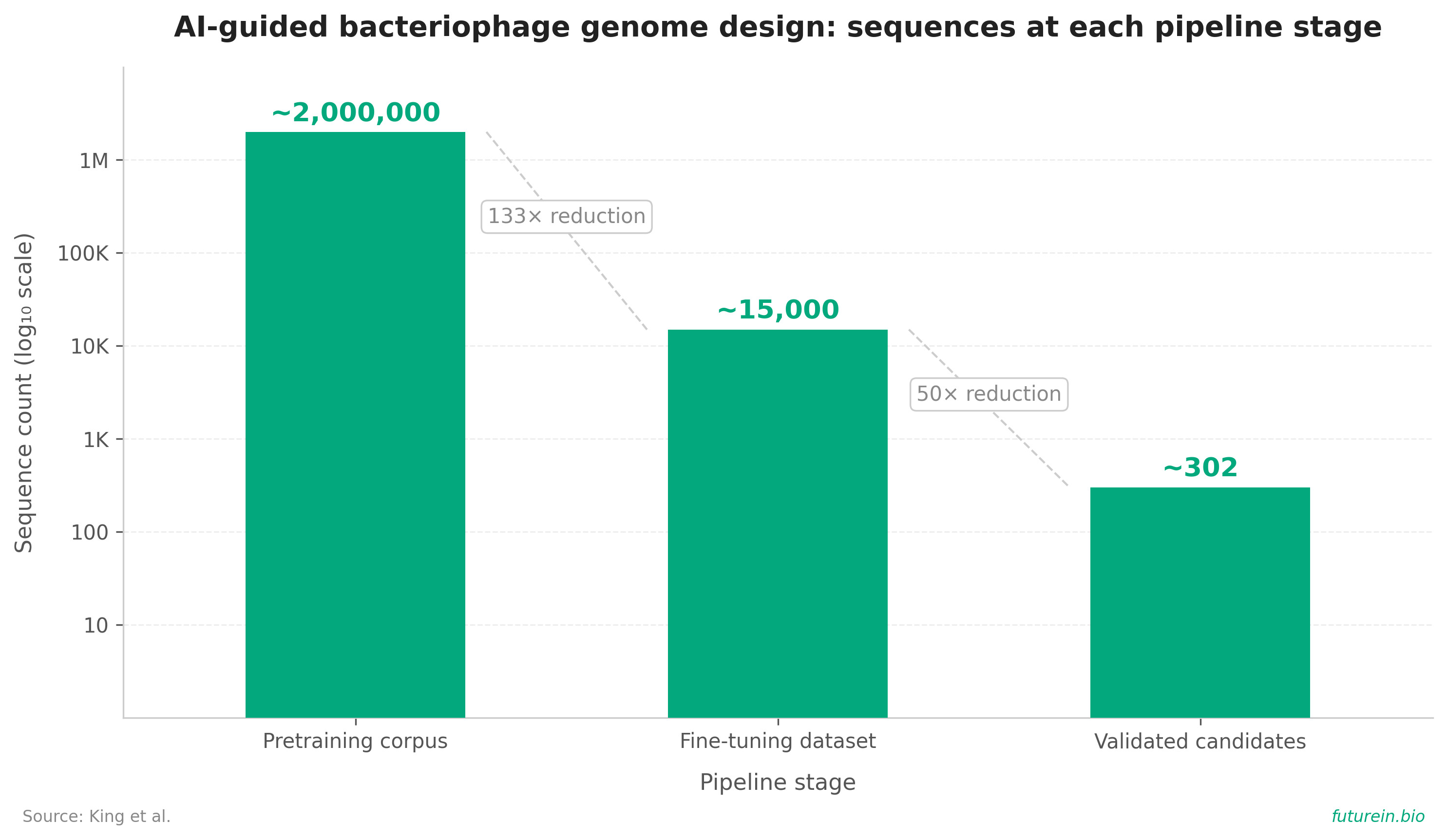
• King et al. used genomic language models Evo 1 and Evo 2, fine-tuned on ~15,000 sequences, to generate 302 candidate ΦX174-like bacteriophage genomes (5.4kb, 11 genes).
• AI-generated sequences demonstrated diversity exceeding natural variation, marking the first demonstrated generative design of complete, functional whole genomes.
• This establishes a scalable AI-to-genome pipeline, potentially accelerating phage therapy development and synthetic biology beyond current natural sequence limitations.
Loberamisal for Acute Ischemic Stroke
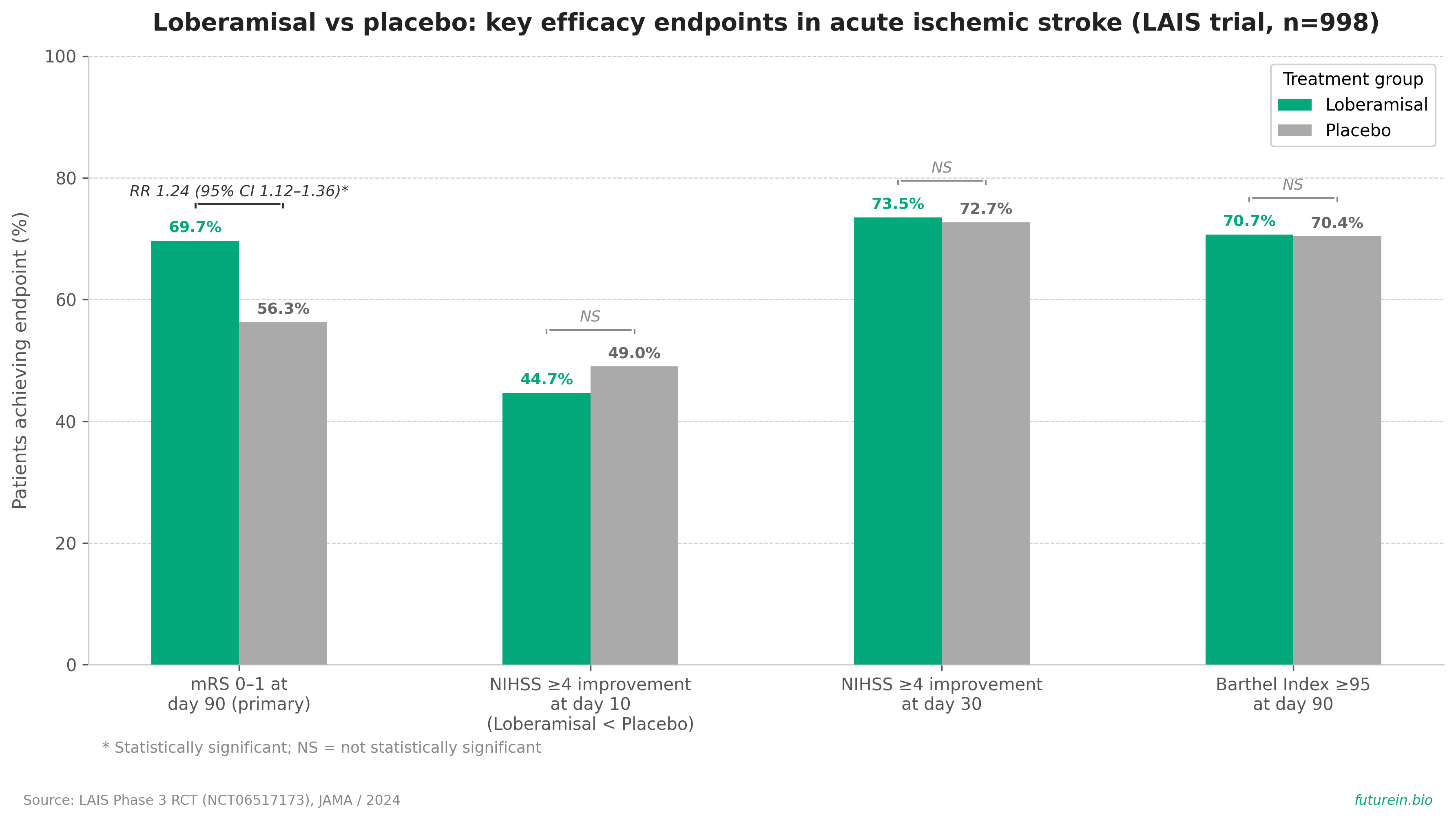
• The LAIS phase 3 RCT (n=997) tested IV loberamisal 40mg daily×10 days vs placebo in acute ischemic stroke patients within 48 hours of onset.
• Loberamisal achieved 69.7% vs 56.3% full functional recovery (mRS 0-1) at 90 days (RR 1.24; 95% CI 1.12-1.36; risk difference 13.28%).
• As the first dual PSD-95/α2-GABAA neuroprotective agent to show phase 3 efficacy, loberamisal could reopen a historically failed neuroprotection drug development pathway.
Teclistamab versus lenalidomide-dexamethasone in high-risk smoldering multiple myeloma: a randomized phase 2 trial
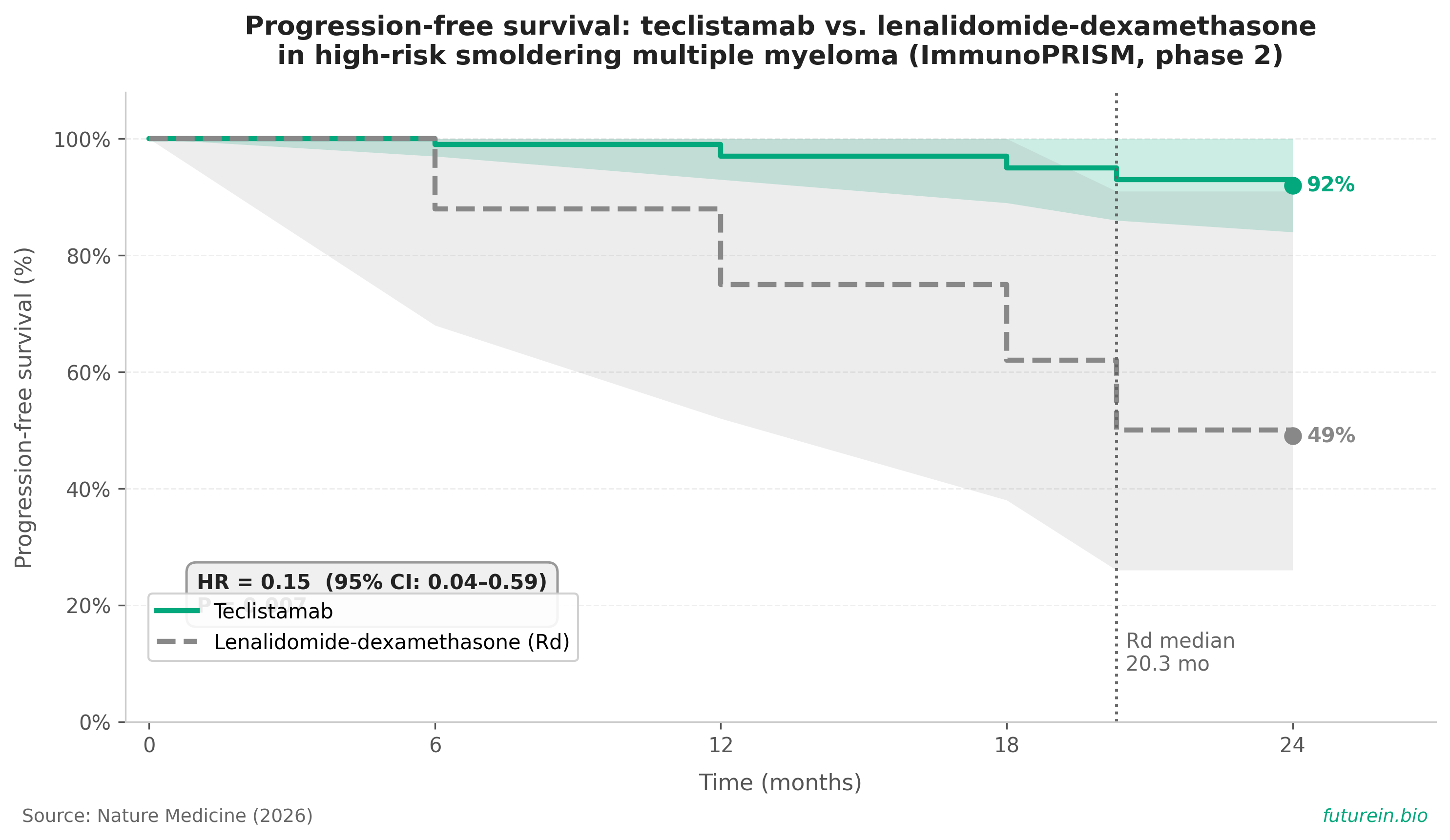
• The ImmunoPRISM phase 2 trial (NCT05469893) compared teclistamab vs. lenalidomide-dexamethasone in 59 high-risk smoldering multiple myeloma patients across 24.5 months median follow-up.
• Teclistamab achieved 77.8% complete response rate and 82.2% MRD negativity vs. 0% CR with Rd, with 92% vs. 49% 2-year progression-free survival.
• Early immune interception with BCMA-targeting bispecifics in precursor disease stages yields deeper remissions than later-line RRMM use (39.4% CR in MajesTEC-1), reshaping treatment sequencing strategy.
TRI-611, a selective, brain-penetrant molecular glue degrader of ALK
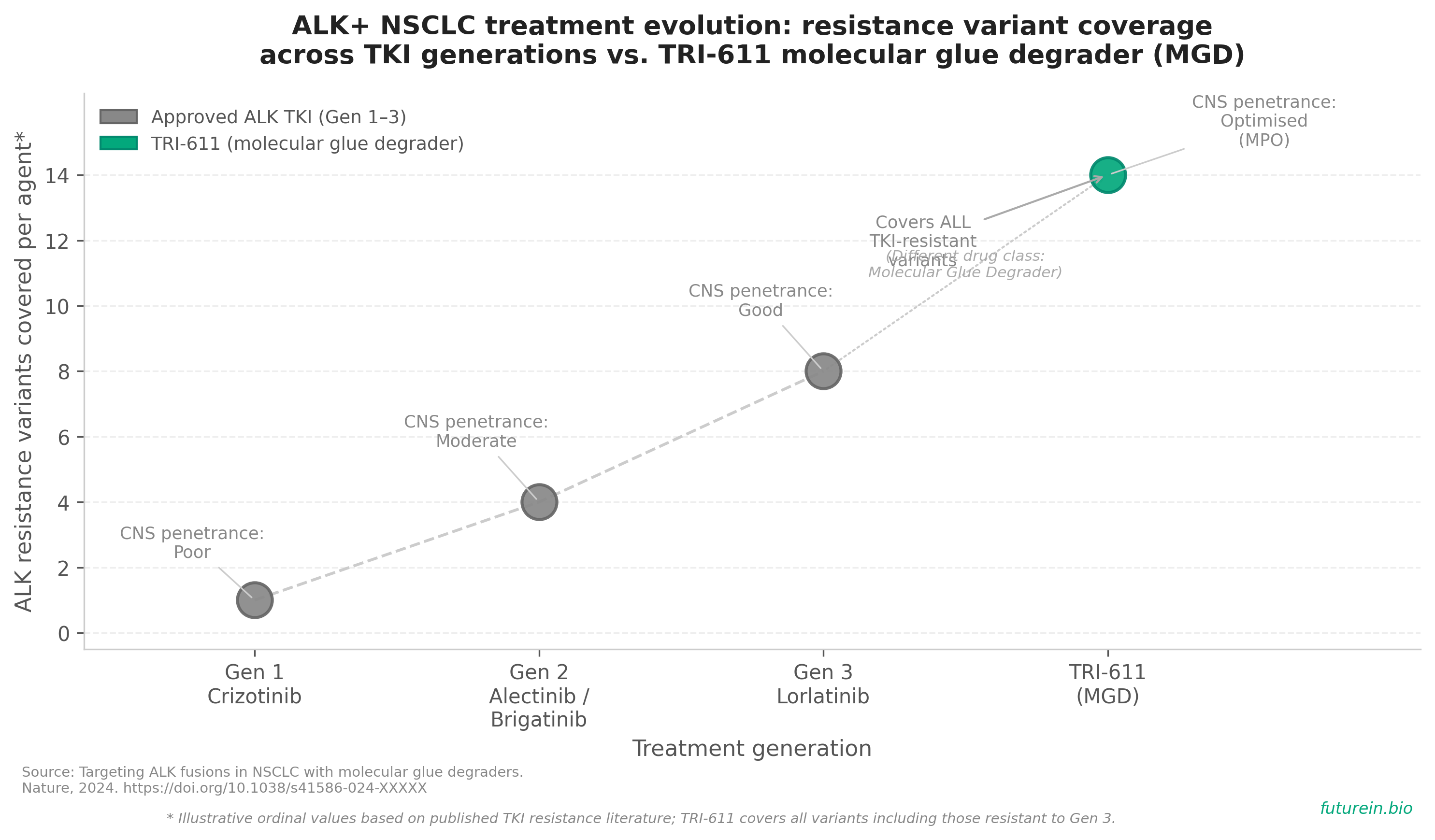
• TRI-611 is a brain-penetrant molecular glue degrader targeting ALK fusion proteins in ALK-positive NSCLC, achieving tumor regression in subcutaneous and intracranial xenograft models.
• Combined with lorlatinib, TRI-611 produces synergistic, durable tumor regressions, including against TKI-resistant ALK mutations — now entering clinical-stage development.
• TRI-611 represents the first clinical-stage molecular glue degrader targeting an oncogenic gene fusion, validating targeted protein degradation beyond PROTACs for CNS-penetrant oncology.
Fibronectin mediates APOE4-driven blood–brain barrier dysfunction in Alzheimer’s disease
• This Nature Aging study identifies astrocyte-derived fibronectin (FN1) as the key mediator of APOE4-driven blood-brain barrier dysfunction in Alzheimer’s disease.
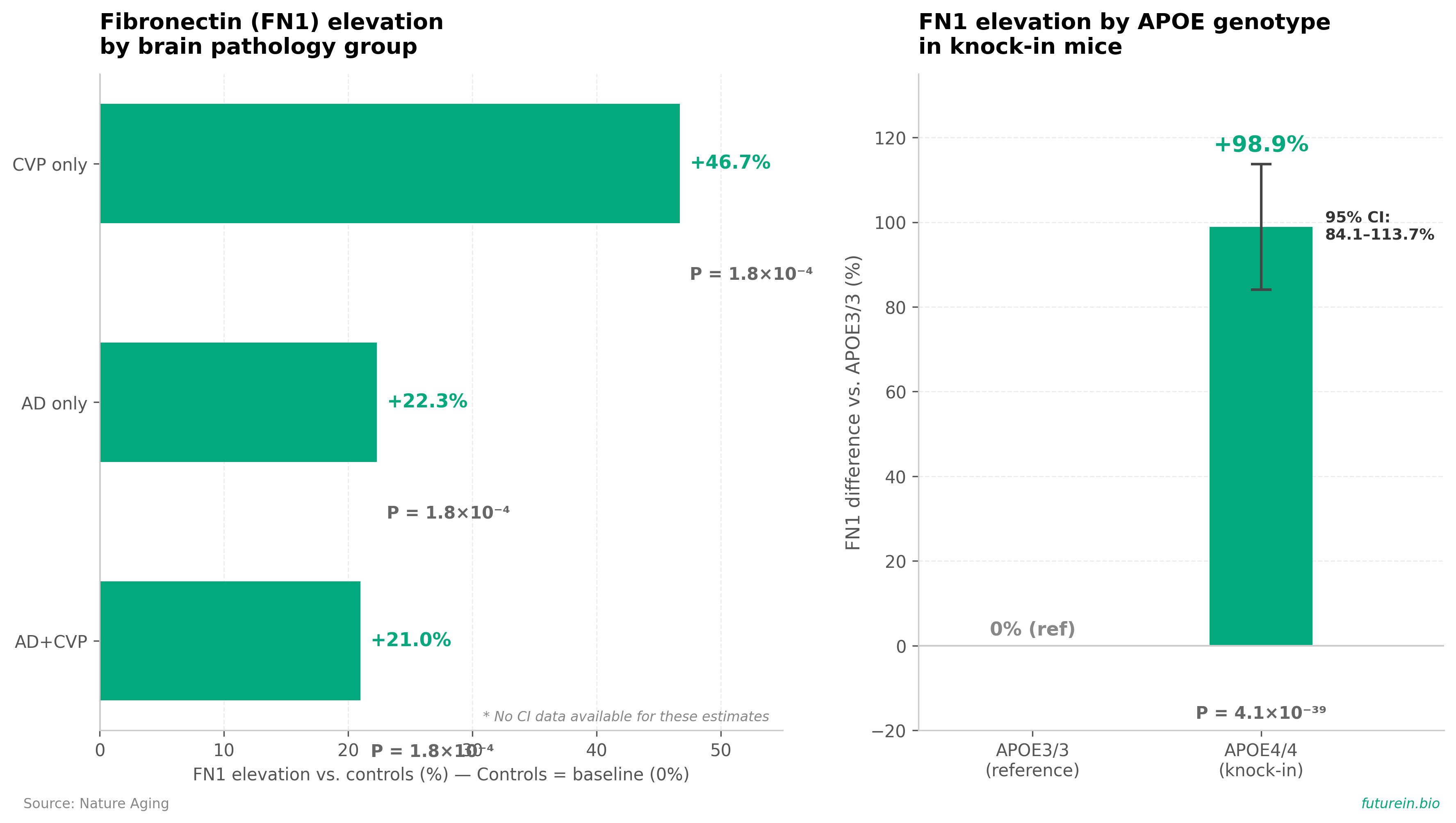
• APOE4 mice showed 98.9% higher FN1 levels vs. APOE3; AD patients’ CSF showed significantly elevated FN1 (P=3.31×10⁻⁷), confirming FN1 as a measurable biomarker.
• FN1 emerges as a druggable therapeutic target, with a protective FN1 loss-of-function variant previously shown to reduce AD risk by 71% in APOE4 carriers.