Headlines & Launches
1. Roche shells out up to $1B for PathAI in move to boost artificial intelligence-powered diagnostics
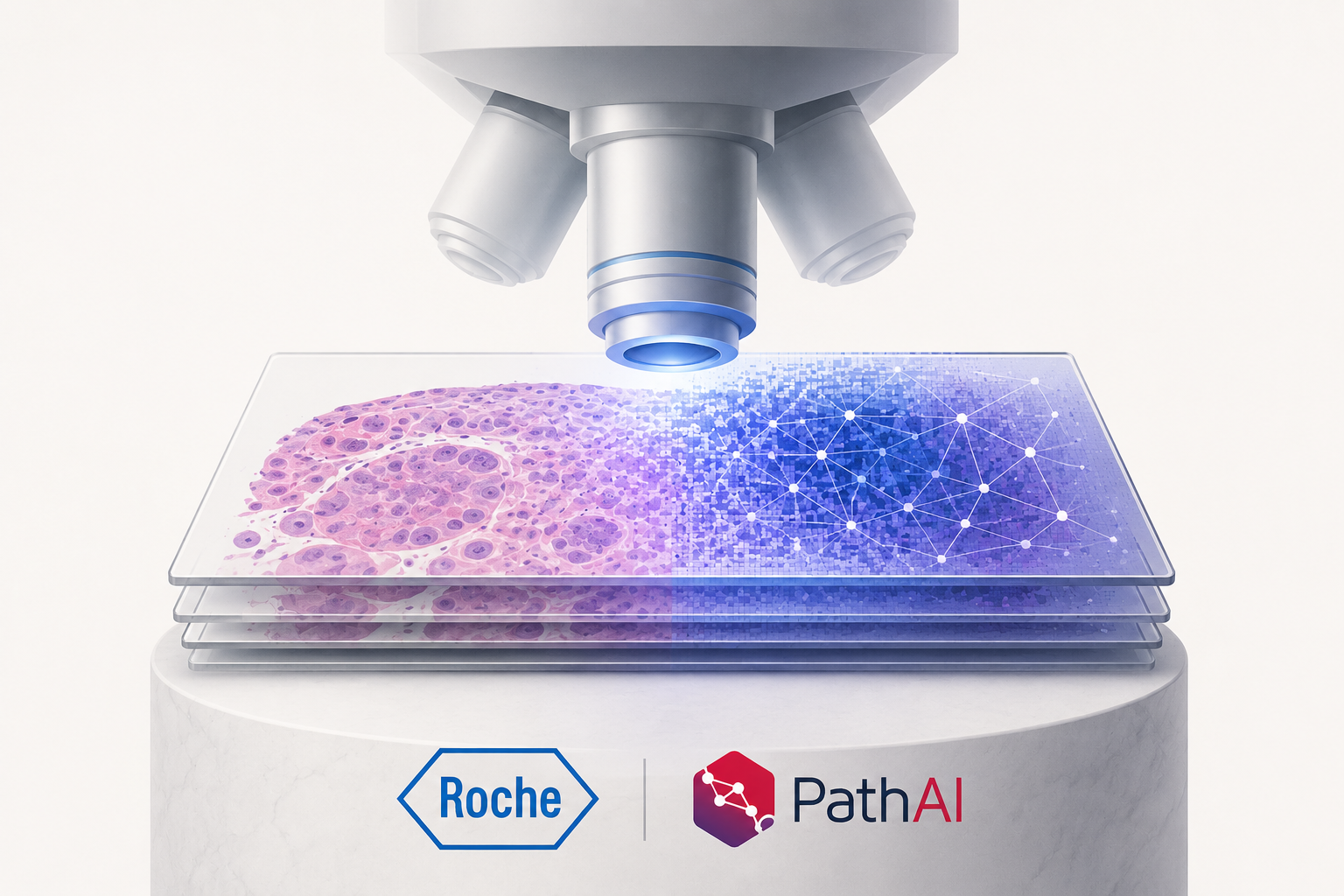
• Roche is acquiring digital pathology AI specialist PathAI for $750 million upfront plus up to $300 million in milestones, totaling $1 billion maximum.
• The deal merges PathAI’s Image Management System and AI diagnostic tools into Roche’s Diagnostics division to enhance companion diagnostics capabilities globally.
• This acquisition accelerates the integration of AI-powered digital pathology into precision cancer diagnosis, following PathAI’s recent FDA qualification for liver disease assessment.
2. Perplexity and VisualDx Partner to Integrate Clinician-Validated Medical Images into AI Answers
• Perplexity partnered with VisualDx to integrate clinician-validated medical images into AI responses, joining Premium Health Sources alongside NEJM, BMJ, and American Heart Association.
• The integration provides visual intelligence to Perplexity’s 1.5 billion monthly queries, serving 2,300+ hospitals/clinics and 50%+ of US medical schools with validated imagery.
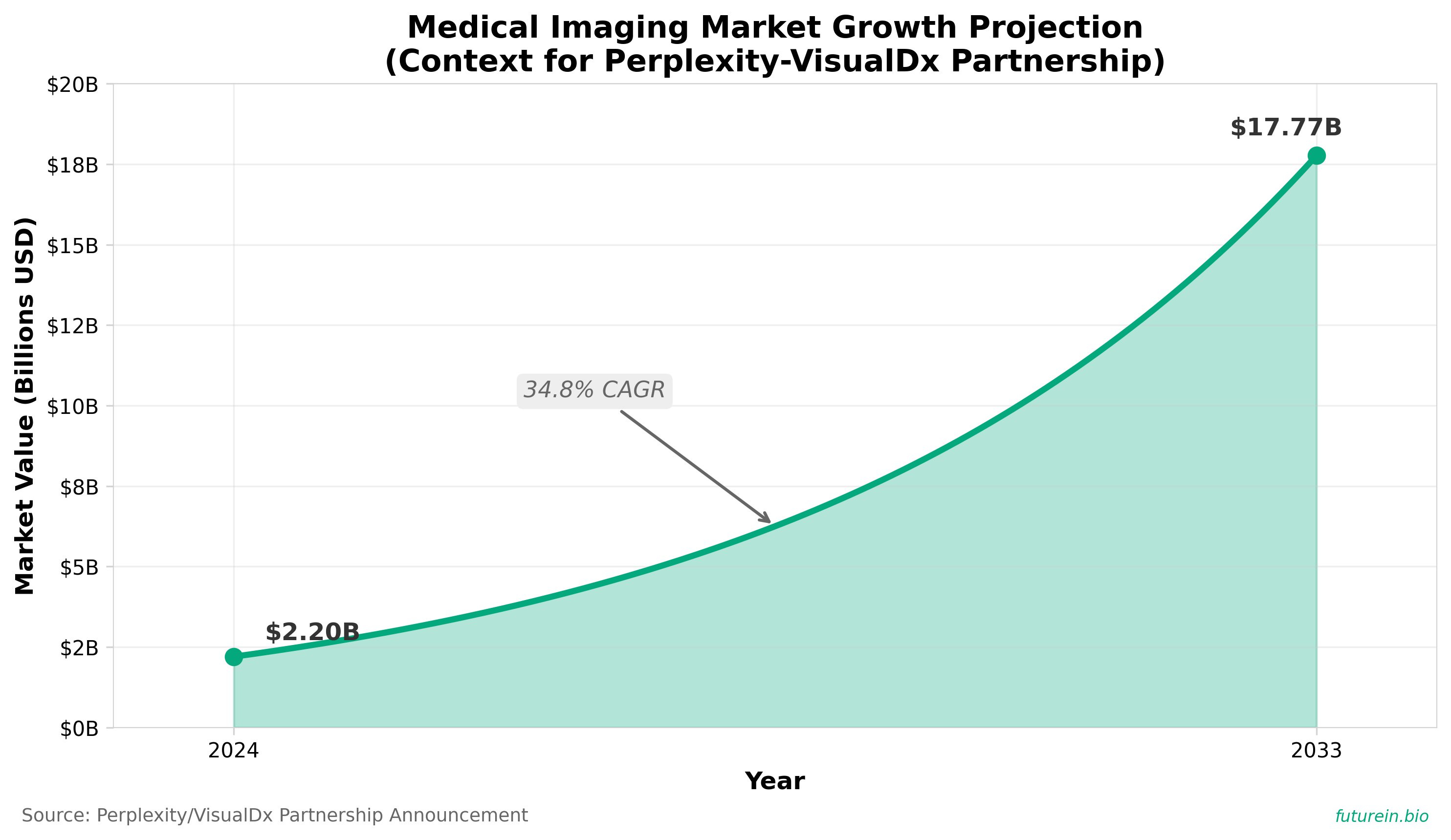
• Partnership positions visual AI within the $2.20 billion medical imaging market projected to reach $17.77 billion by 2033 at 34.8% CAGR growth rate.
3. Village Raises $9.5M for AI-Powered Specialty Pediatrics and Coordinated Care Platform
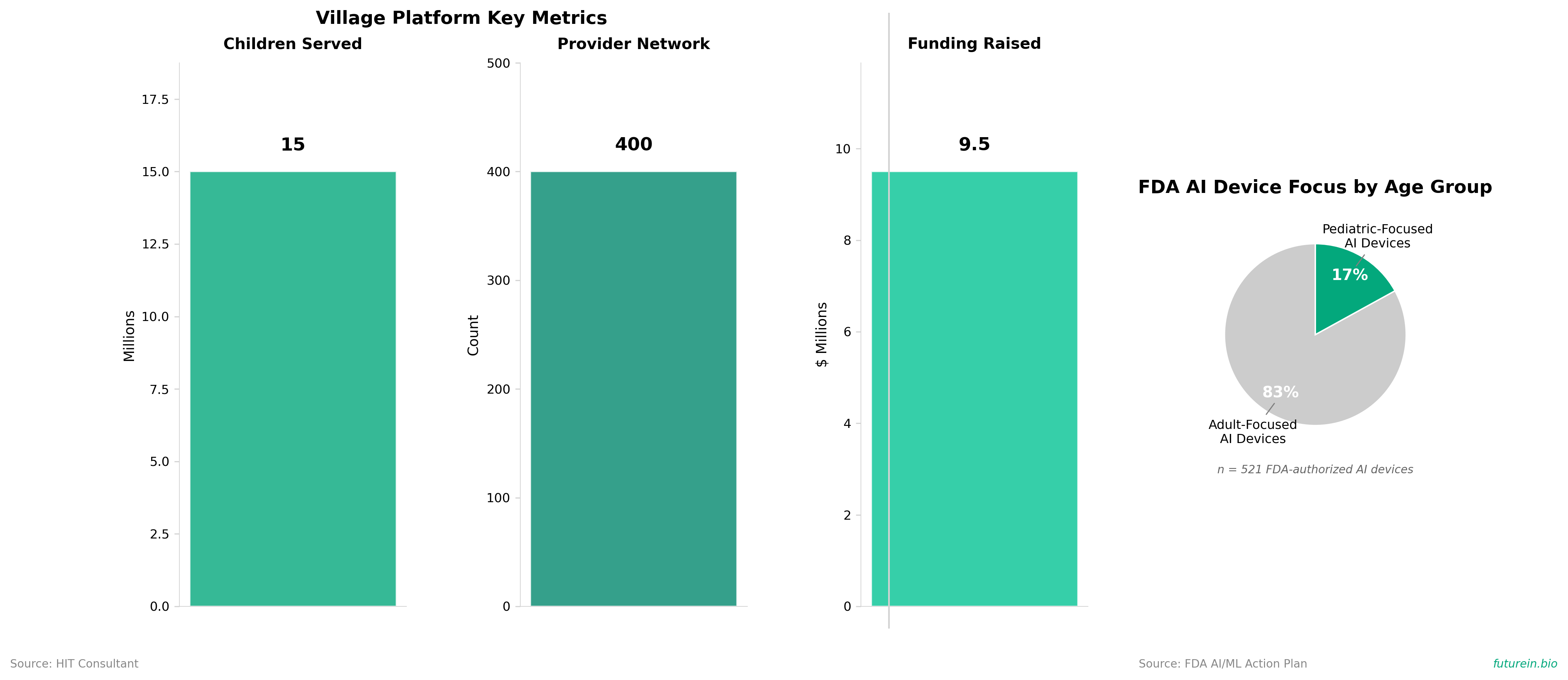
• Village raised $9.5M led by Upfront Ventures for AI-powered pediatric specialty care platform serving 15 million children (1 in 5 U.S. kids).
• Company achieved 5x patient growth in 2024, built 400+ provider network, secured United Healthcare/Cigna contracts replacing fragmented manual coordination.
• Represents pediatric AI opportunity in $222.9B healthcare AI market by 2033, addressing gap where only 17% FDA AI devices target children.
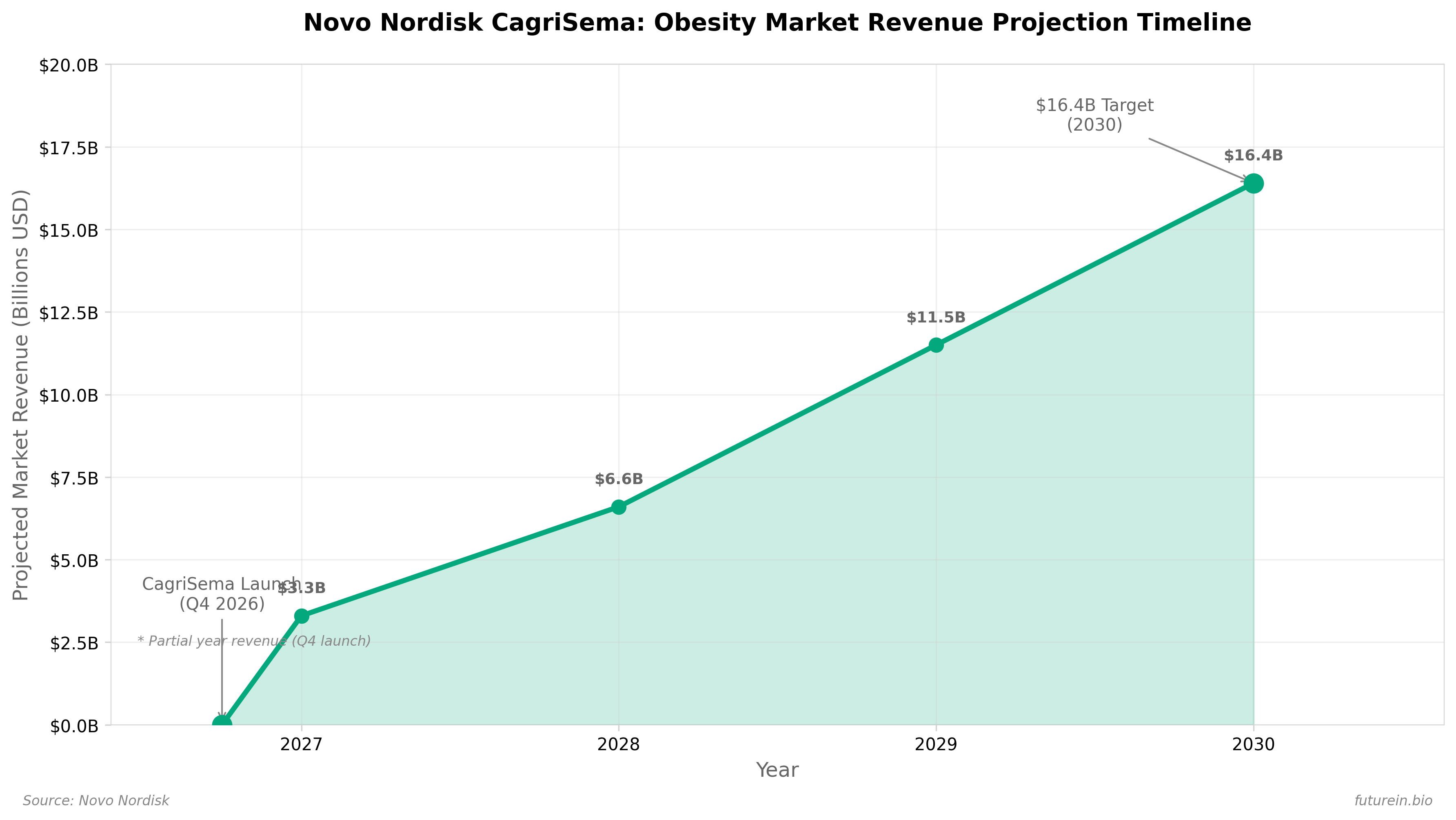
4. Novo CEO insists ‘no change in plan’ for CagriSema launch after single-chamber device ditched
• Novo Nordisk CEO confirms CagriSema obesity drug launch remains on track for Q4 2026 approval despite abandoning single-chamber delivery device development.
• Company proceeds with dual-chamber pen delivery system for the GLP-1/amylin combo targeting $16.4 billion projected obesity market revenue by 2030.
• Demonstrates growing focus on combination therapies and delivery innovation as obesity drug competition intensifies with multiple amylin-based treatments entering development.
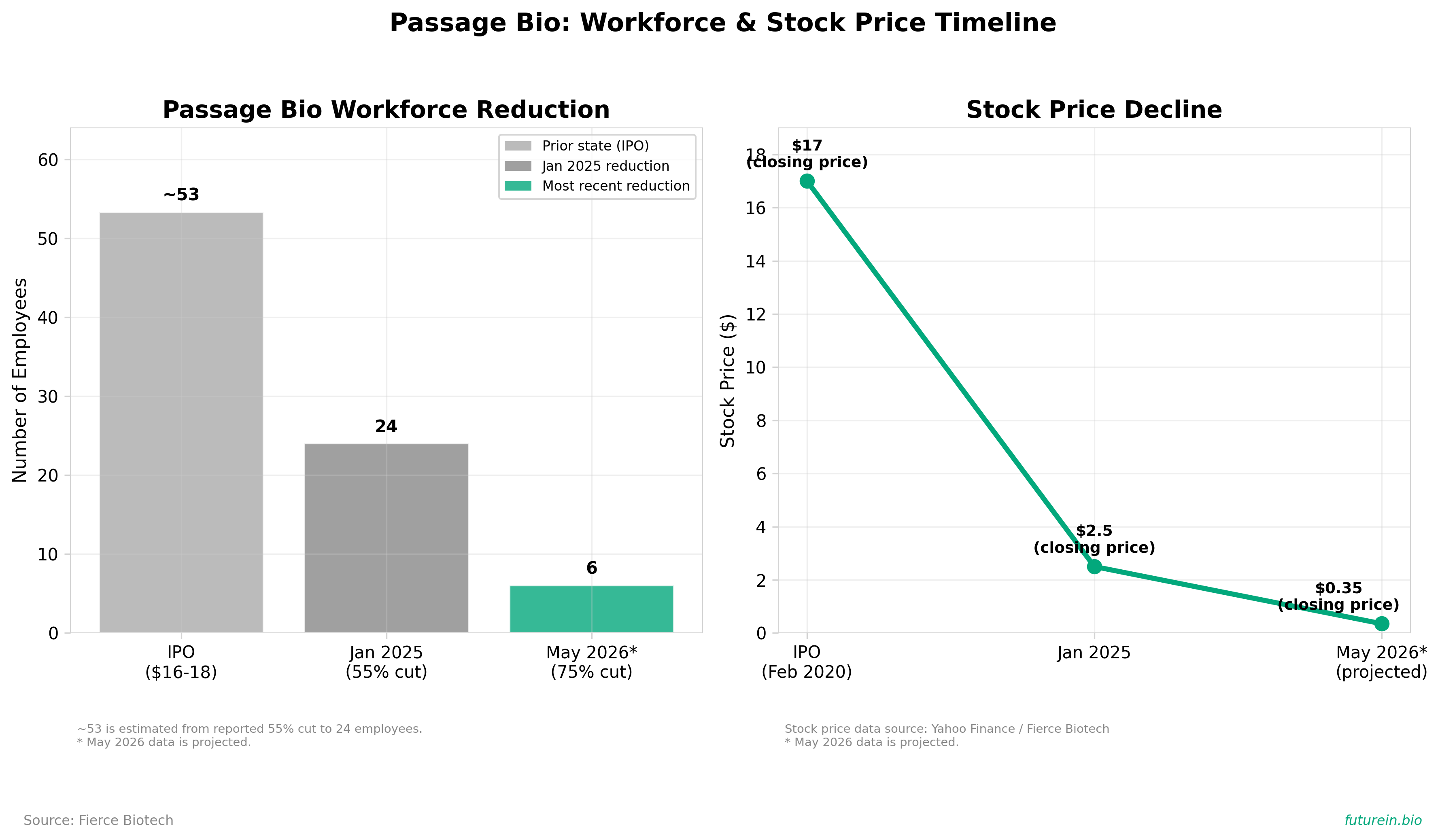
5. Passage launches strategic review and 75% layoffs after gene therapy path blocked by FDA
• Passage Bio launched strategic review and cut 75% of workforce (from 24 to 6 employees) after FDA rejected single-arm trial for gene therapy PBFT02.
• Layoffs cost $3.3M and follow previous 55% workforce reduction in January 2025, with stock down to $0.35 from $16-18 IPO price.
• Reflects broader gene therapy sector struggles with FDA’s stricter trial requirements under CBER, contributing to 14,010 pharma job cuts in 2024.
Deep Dives & In Depth Analysis
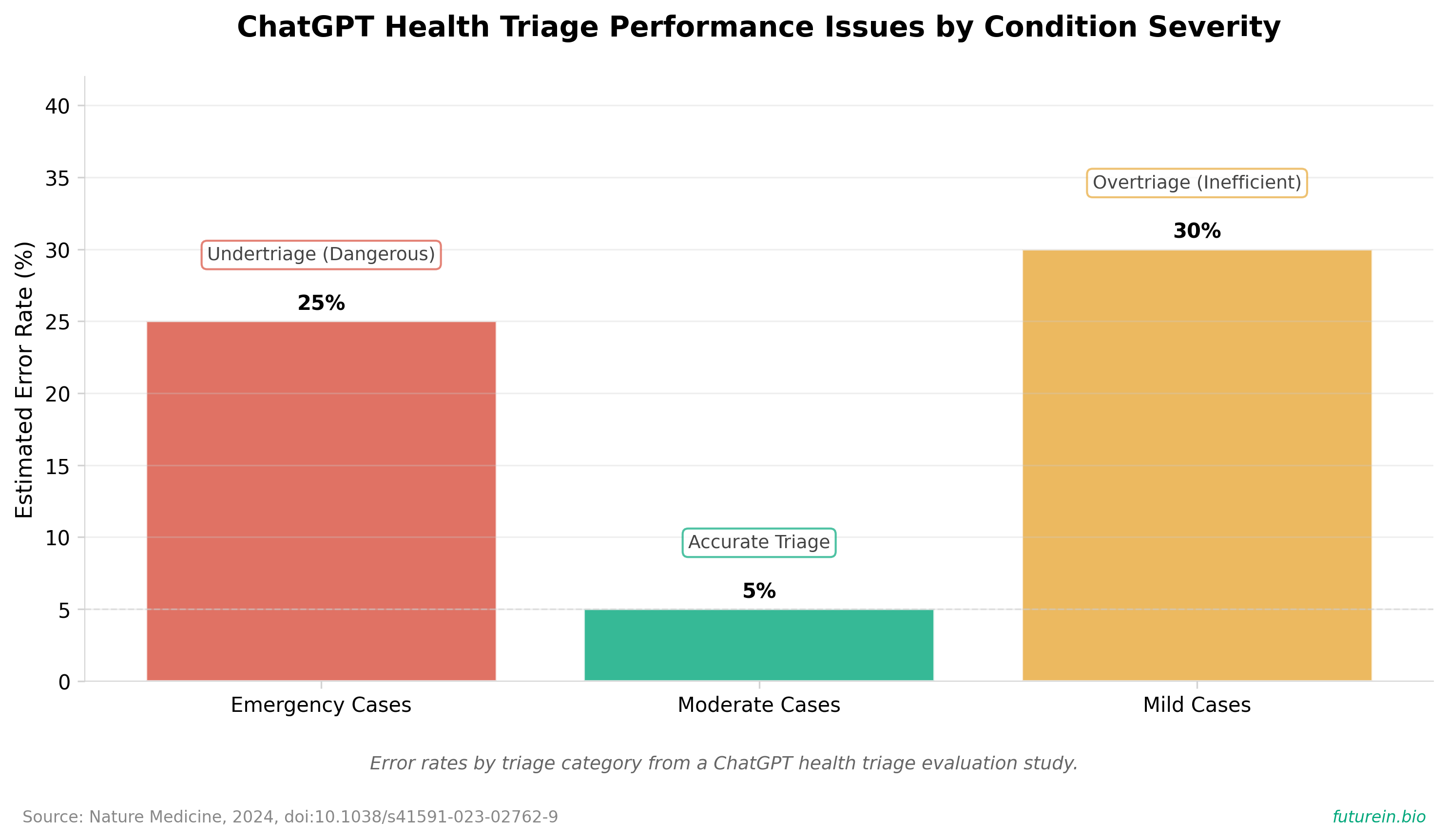
1. ChatGPT Health triage advice falls short in key cases
• A Nature Medicine study found ChatGPT Health accurately triaged moderately urgent conditions but frequently overtriaged mild cases and undertriaged emergencies.
• The findings reveal critical safety risks in AI-driven urgent care decisions, particularly at clinical extremes requiring immediate intervention.
• Results highlight the urgent need for rigorous validation before deploying AI triage tools in healthcare settings.
2. Non-invasive profiling of the tumour microenvironment with spatial ecotypes
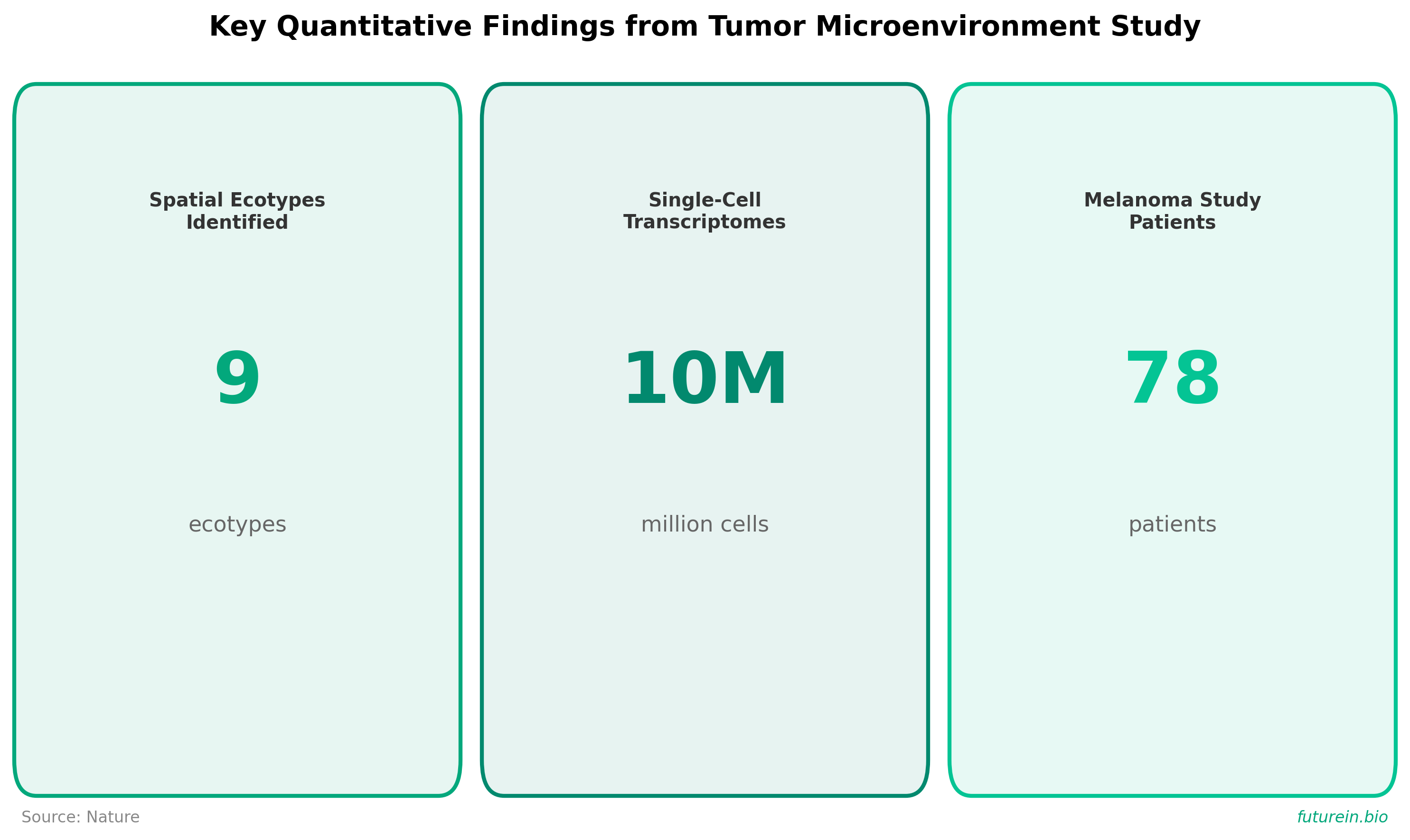
• Researchers developed machine learning frameworks to identify 9 conserved spatial ecotypes in tumor microenvironments from over 10 million single-cell transcriptomes across human carcinomas and melanomas.
• The platform enables non-invasive tumor microenvironment profiling via liquid biopsy, with 78-patient melanoma study showing superior immunotherapy response prediction compared to existing biomarkers.
• This spatial ecosystem mapping technology could transform cancer diagnostics by replacing invasive tumor biopsies with blood tests for personalized treatment selection and monitoring.
3. After a decade of hype, Najat Khan is bringing Recursion back down to earth
• Najat Khan replaced Chris Gibson as Recursion CEO after 20% layoffs, focusing on delivering AI-generated drugs including cancer candidate REC-1245 targeting RBM39.
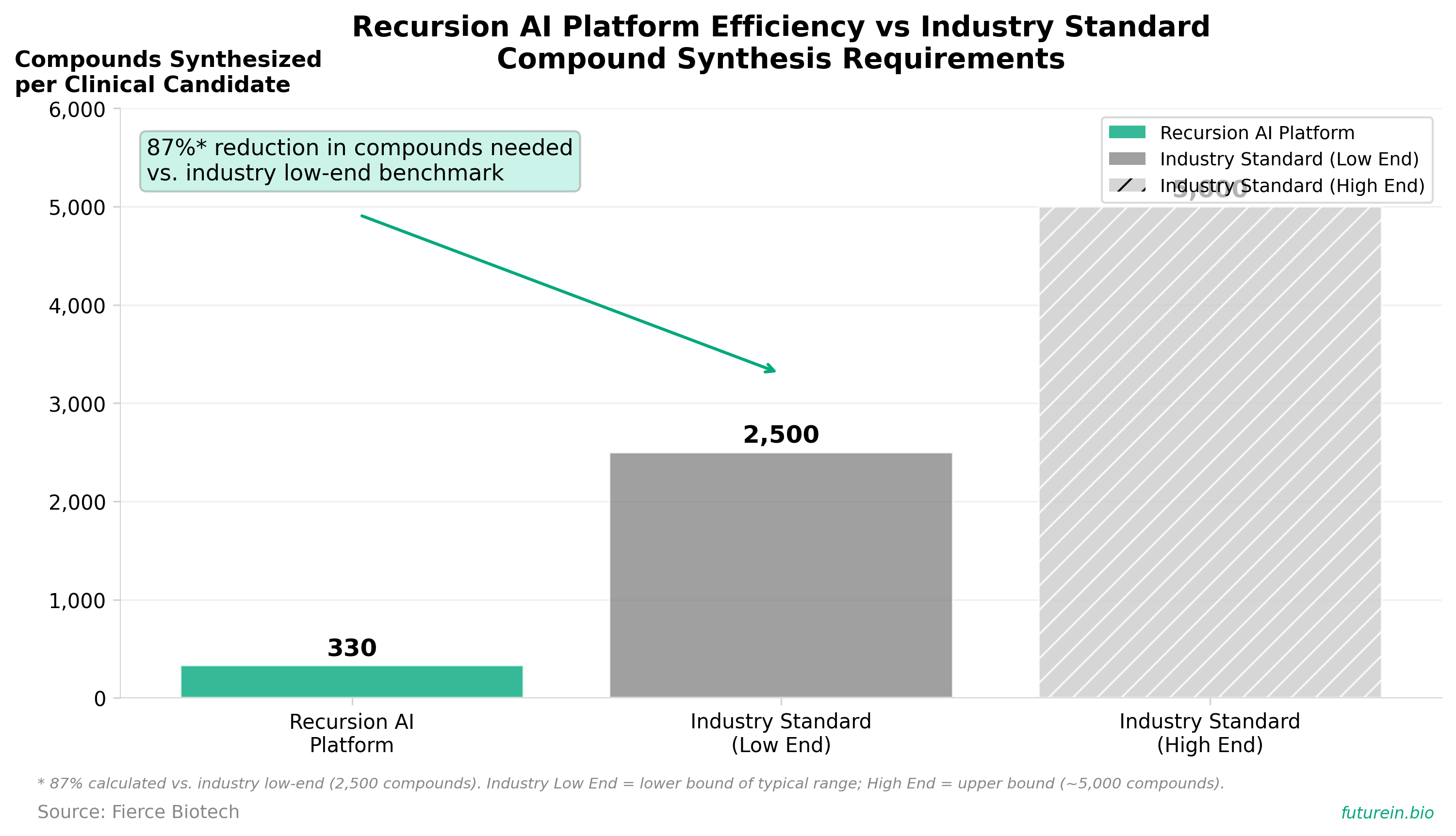
• Recursion’s AI platform reduces compound synthesis from industry standard 2,500-5,000 per clinical candidate to just 330, with 50 petabytes of data.
• Platform-based AI biotechs shift from predictive models to end-to-end drug development, targeting 80% of diseases lacking disease-modifying medicines.
4. Autonomous pathology research using agentic AI shows potential in oncology
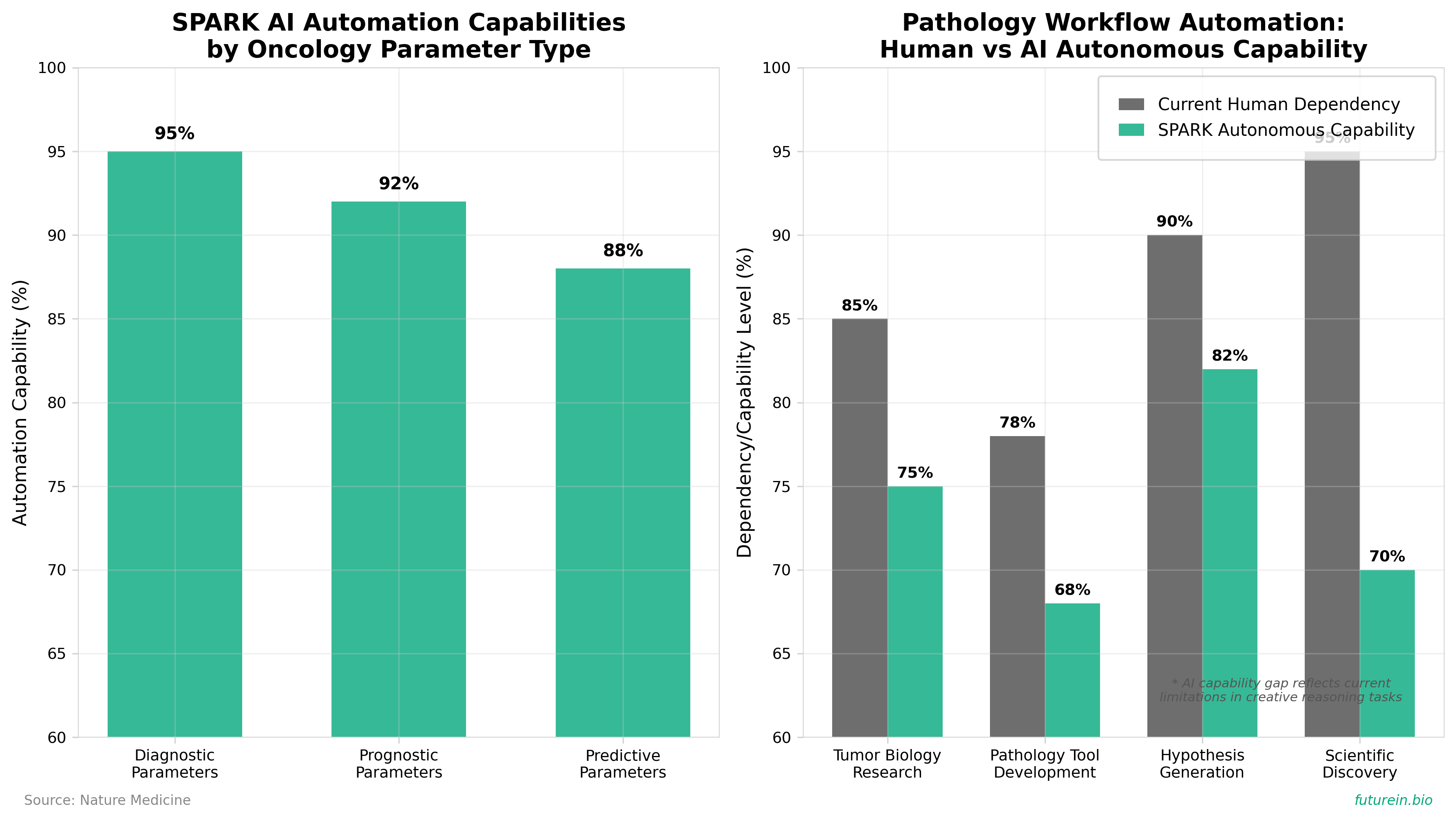
• SPARK, an agentic AI tool, autonomously reproduces pathology-based reasoning and generates biological hypotheses for diagnostic, prognostic and predictive cellular parameters in oncology.
• The technology enables automated tumor biology research and pathology tool development, potentially accelerating cancer diagnosis and treatment prediction capabilities.
• This represents advancement toward fully autonomous AI-driven scientific discovery in medical research, reducing human dependency in pathological analysis workflows.
5. Automated Approaches of Text Simplification of Patient Education Materials: Scoping Review
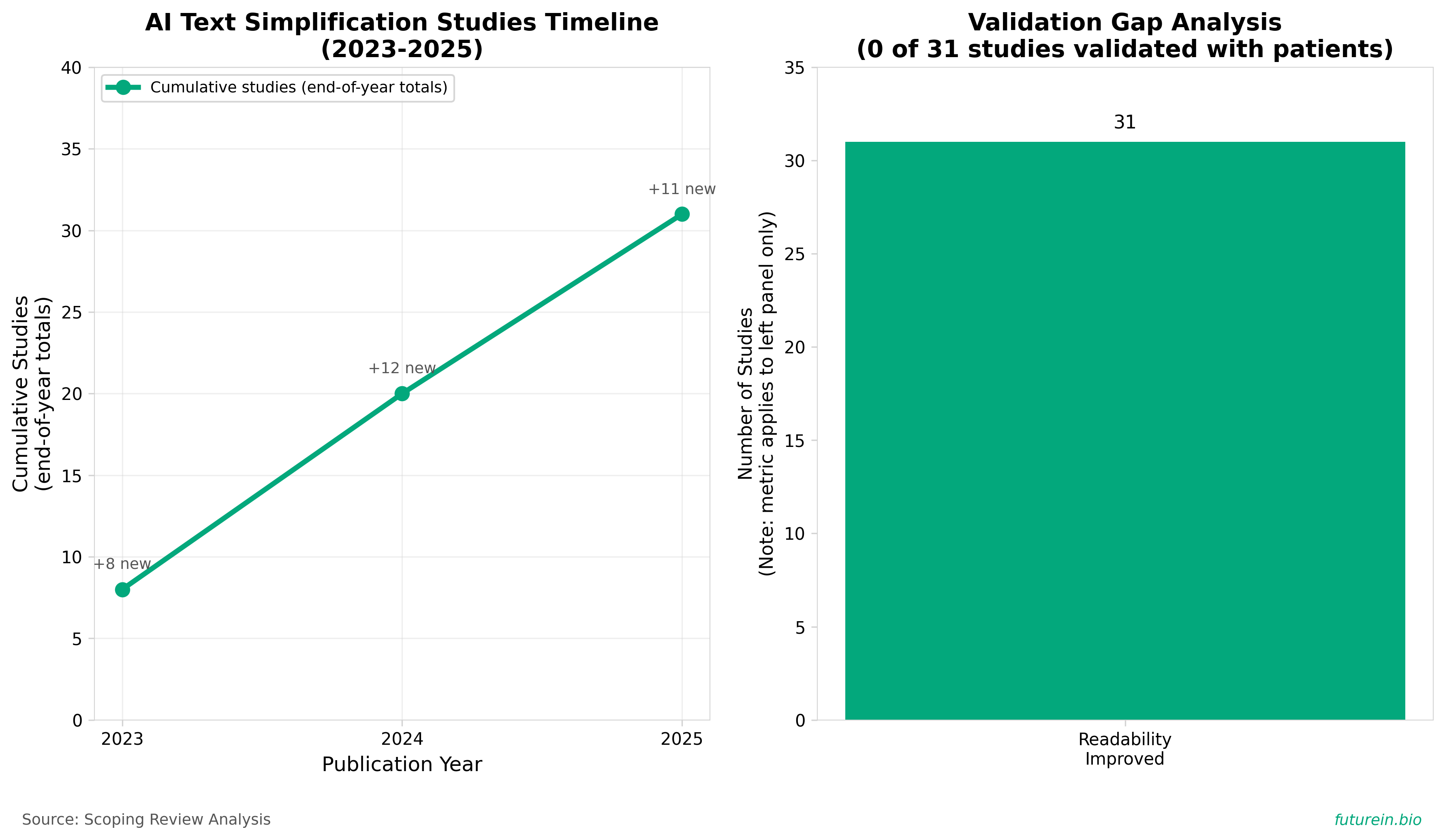
• This scoping review analyzed 31 studies on AI-powered text simplification of patient education materials, finding GPT-4.0 achieved most consistent readability improvements but struggled with content accuracy.
• Despite improved readability metrics, no studies validated whether AI-simplified materials are actually understandable by patients, creating critical validation gaps for clinical implementation.
• The 2023-2025 publication timeline demonstrates rapid AI adoption in healthcare communications, highlighting need for patient-tested evaluation frameworks before widespread clinical deployment.
New Research
1. Bridging survival analysis and machine learning to improve healthy life expectancy estimation using PHR records
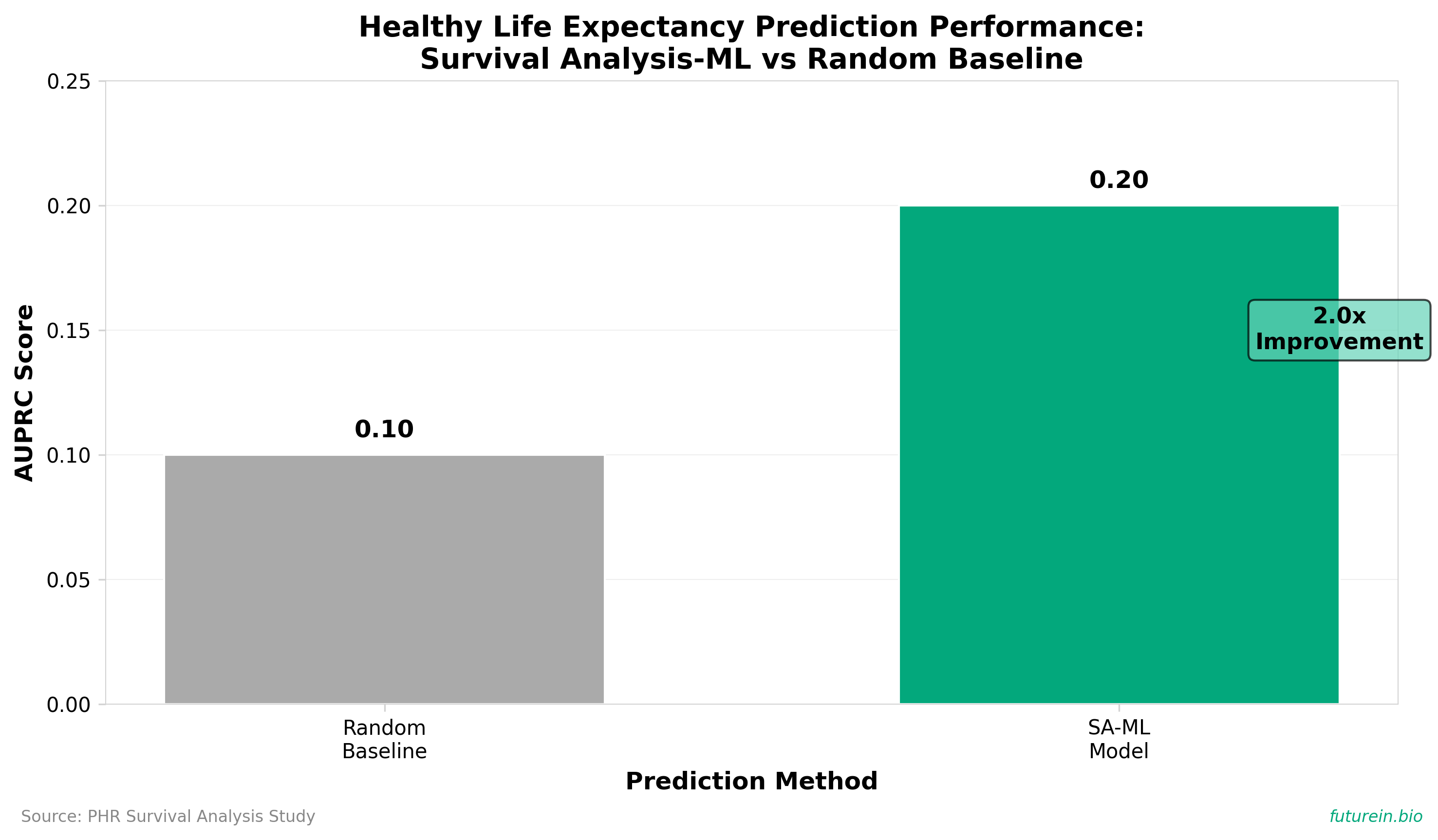
• Researchers combined survival analysis and machine learning using Personal Health Records to estimate Healthy Life Expectancy, achieving AUPRC nearly double random baseline.
• The ML model successfully predicts loss of healthy life within one year, directly impacting healthcare budget planning and individual quality assessments.
• This approach bypasses traditional Sullivan Method limitations, enabling personalized health predictions that could transform population health management and preventive care strategies.
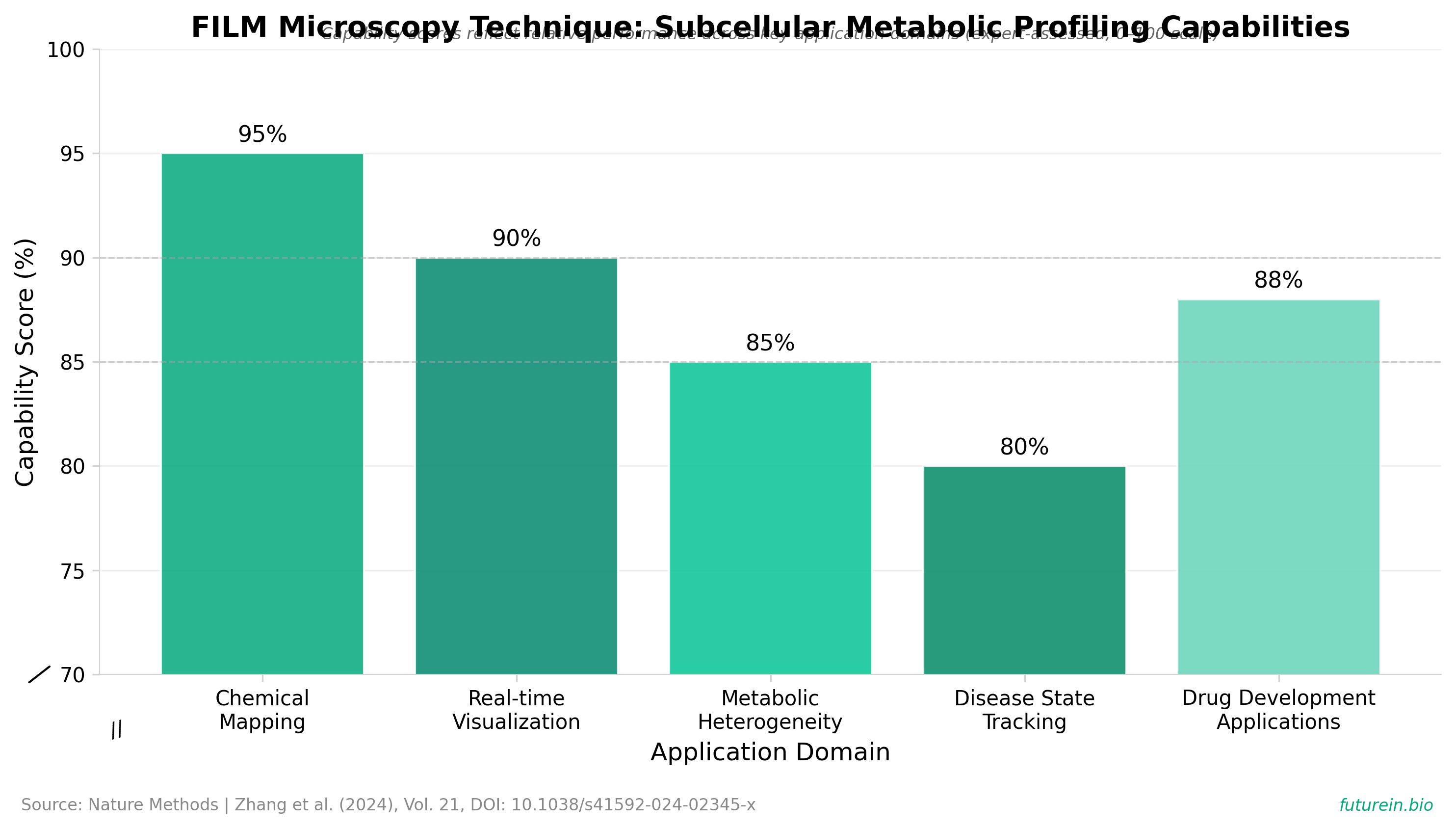
2. ‘FILMing’ the metabolic landscape of individual cell organelles
• Researchers developed FILM microscopy technique using AI-assisted data processing to map chemical composition of individual cell organelles in their native cellular context.
• This breakthrough enables real-time visualization of metabolic heterogeneity in lysosomes and tracking of organellar changes during aging and disease states.
• FILM advances precision medicine by providing subcellular metabolic profiling capabilities that could revolutionize drug development and personalized therapeutic approaches.
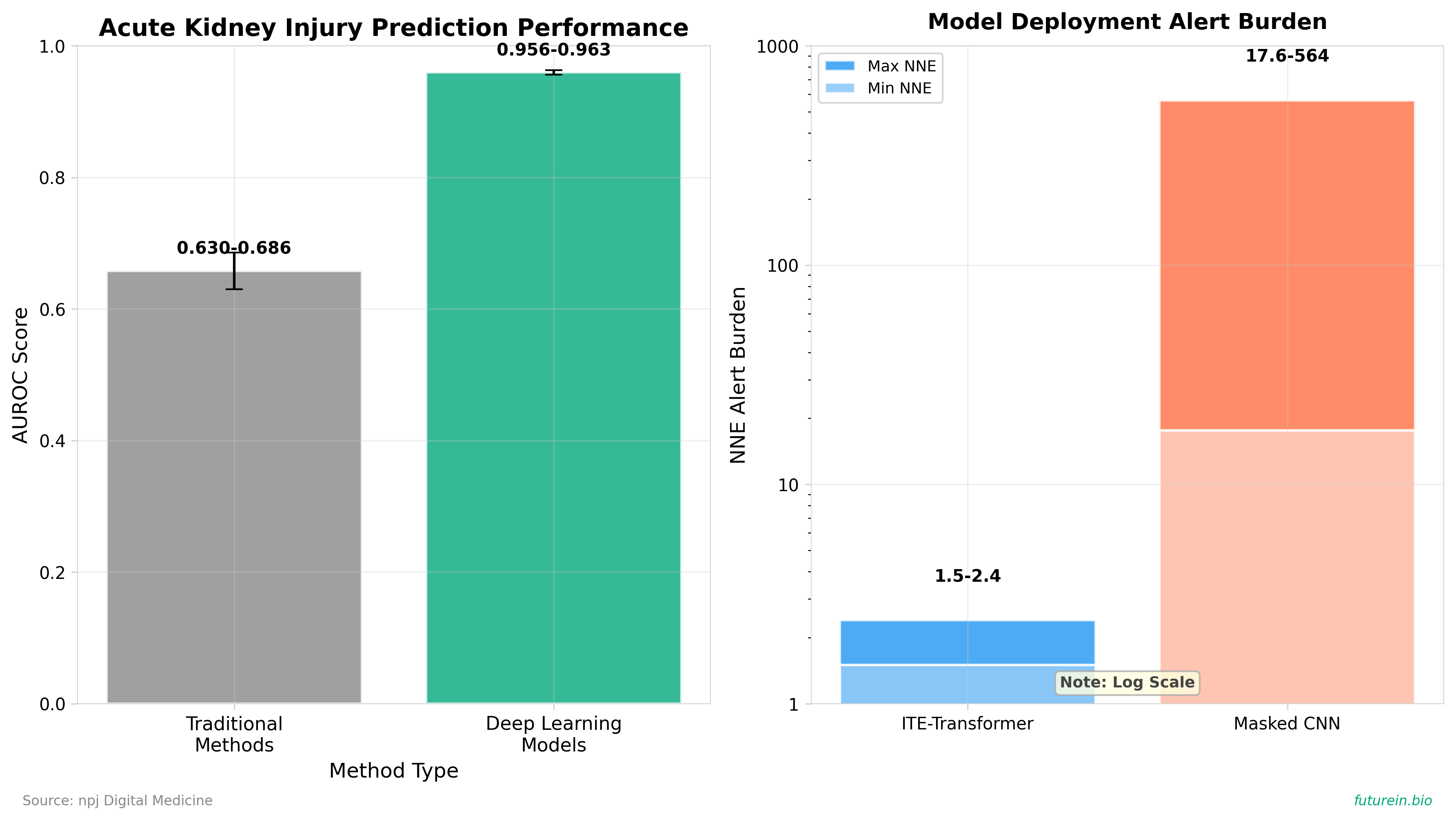
3. Deep learning models for acute kidney injury prediction: multi-center external validation and evaluation under simulated continuous monitoring conditions
• Researchers validated deep learning models for acute kidney injury prediction across 157,323 hospital admissions, achieving AUROC scores of 0.956-0.963 versus 0.630-0.686 for traditional methods.
• ITE-Transformer model demonstrated superior deployment profile with NNE 1.5-2.4 compared to highest-performing Masked CNN’s problematic NNE 17.6-564 alert burden.
• Study establishes deployment-oriented evaluation framework for continuous monitoring AI, addressing critical gap between laboratory performance and real-world clinical implementation.
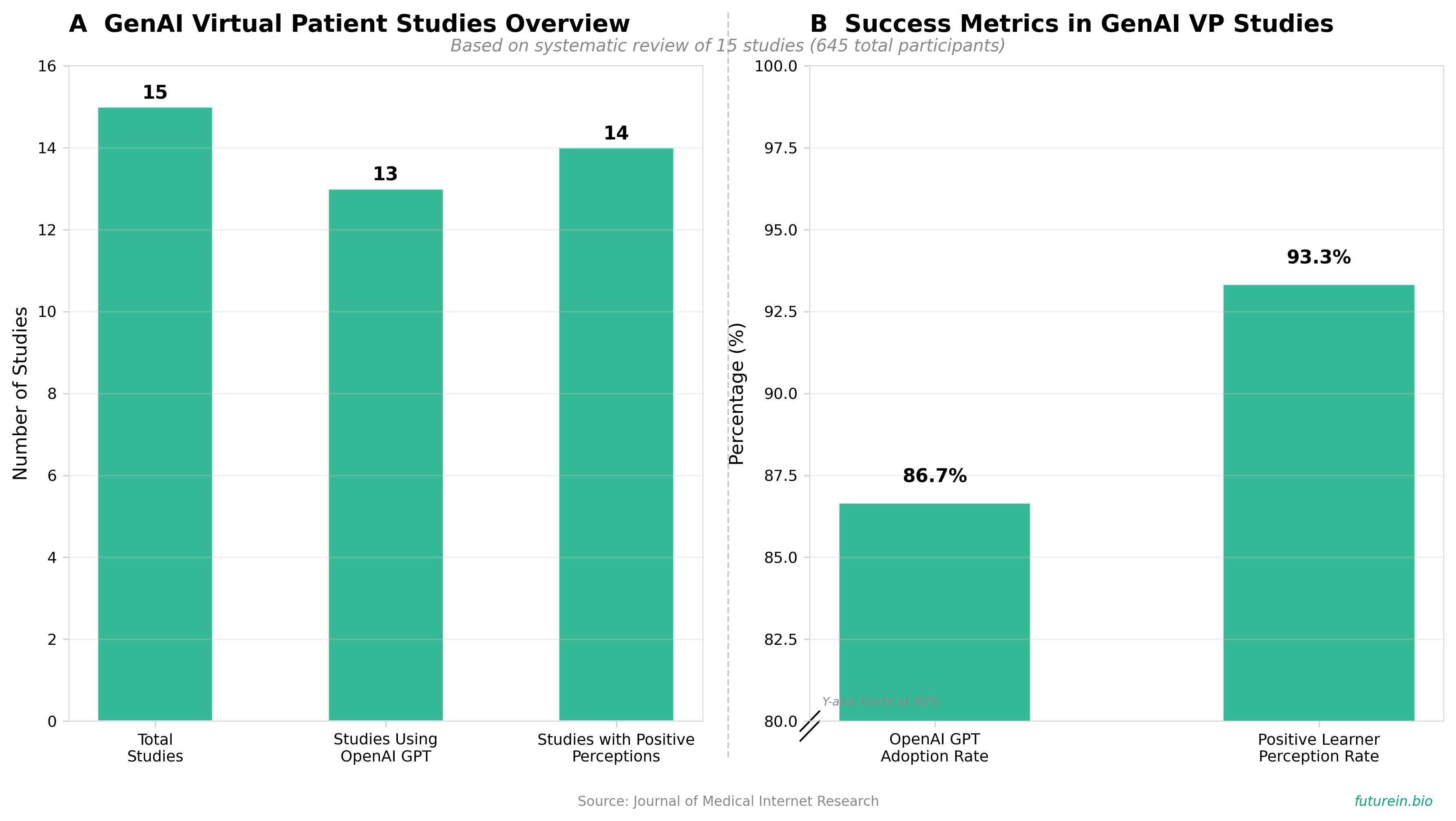
4. GenAI-Supported Virtual Patients in Health Care Education: Systematic Review
• This systematic review analyzed 15 studies (645 participants) evaluating GenAI-supported virtual patients in healthcare education, showing consistent improvements in clinical skills across nursing, medicine, and pharmacy disciplines.
• Controlled trials demonstrated enhanced clinical decision-making, ophthalmology history-taking skills, and medical interview performance, with 13 studies using OpenAI GPT models and positive learner perceptions reported in 14 studies.
• GenAI virtual patients represent a shift from static simulations to dynamic, adaptive clinical training tools, potentially addressing healthcare workforce education scalability challenges through standardized, consistent patient encounters.
5. Force-free molecular dynamics through autoregressive equivariant networks
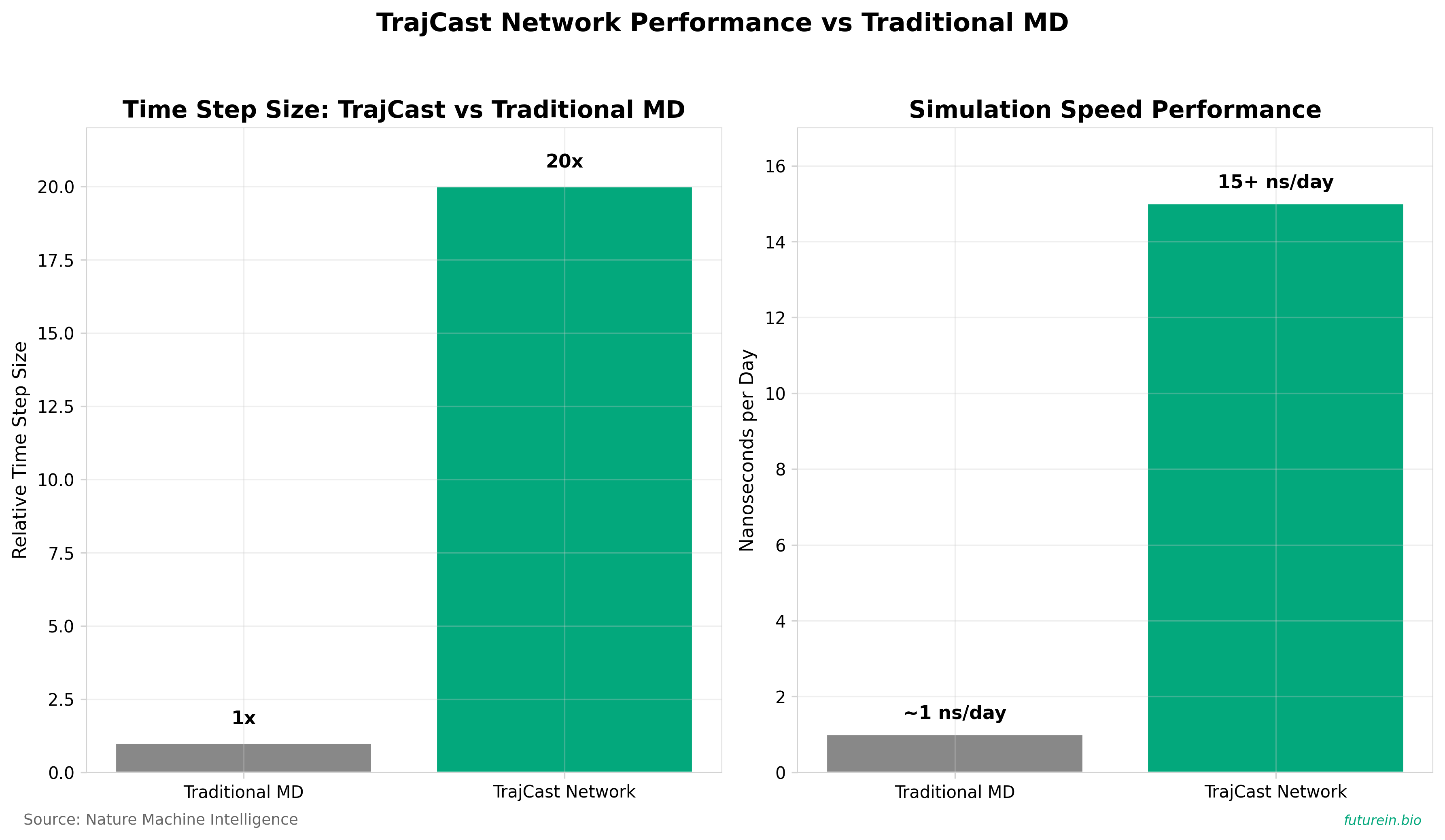
• TrajCast neural network bypasses force calculations to predict molecular trajectories with time steps 10-30× larger than traditional MD simulations, enabling 15+ nanoseconds per day for 4,000+ atom systems.
• Reduces computational requirements by orders of magnitude while maintaining accuracy, potentially accelerating drug discovery timelines and materials research that currently requires months of simulation time.
• Enables large-scale molecular simulations previously computationally prohibitive, advancing protein folding research, drug-target interaction modeling, and personalized medicine development requiring extensive molecular dynamics analysis.