Top Stories
1. Human Longevity launches newco, teams with Insilico for AI-powered longevity research
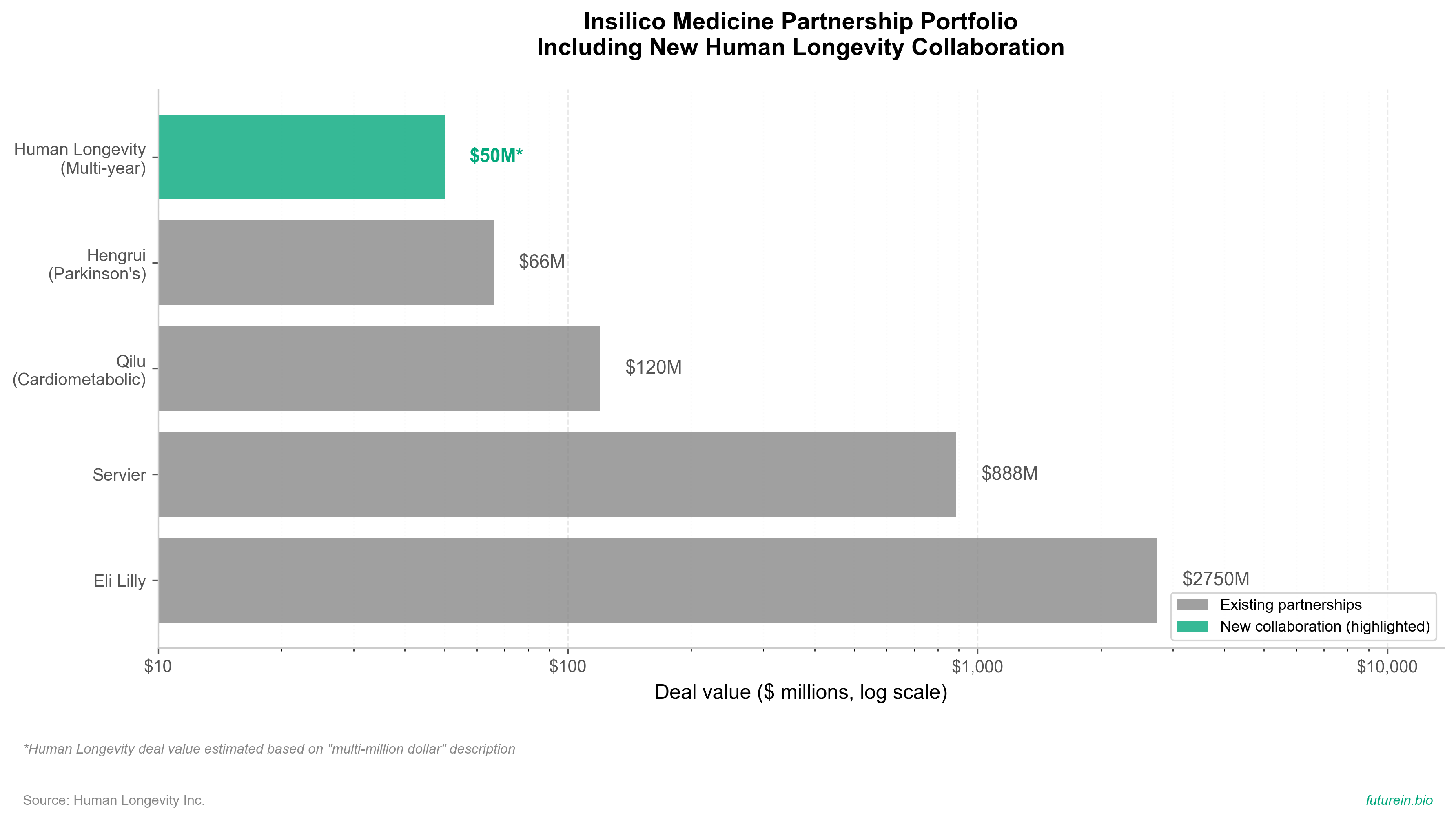
• Human Longevity launched Human Life Foundation Models (HLFM) with a multi-year, multi-million-dollar AI collaboration with Insilico Medicine for longevity research.
• The partnership combines Human Longevity’s clinical datasets with Insilico’s AI capabilities to create predictive healthcare platforms for aging mechanisms.
• This follows Insilico’s $293 million Hong Kong IPO and major pharma deals totaling over $3.8 billion, signaling AI-driven drug discovery momentum.
2. Dexcom warns of stolen glucose monitors being sold by unauthorized dealers
• Dexcom warned that some lots of its G7 wearable glucose monitors were stolen on their way to the scrapyard and were sold by a third-party vendor.
3. Kordata Dynamics launches with neural-focused AI clinical trial model
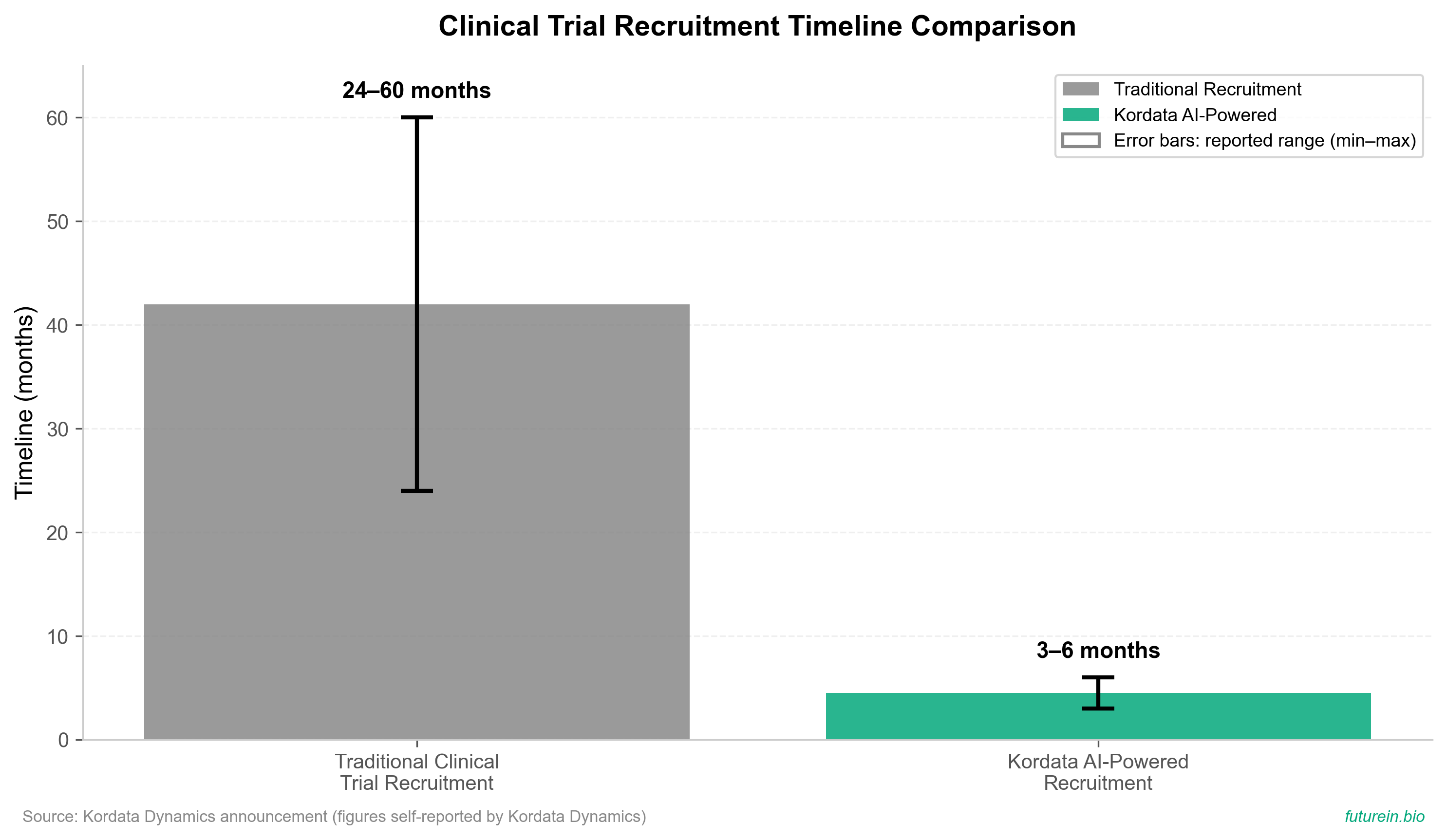
• Kordata Dynamics launched from stealth with pre-seed funding to accelerate neural clinical trials using AI, targeting 3-6 month recruitment versus current multi-year timelines.
• The spinout from BIOS Health focuses on neuromodulation trials for Alzheimer’s, Parkinson’s, epilepsy, and drug-resistant cardiovascular/autoimmune conditions using real-time data processing.
• Platform aligns with FDA’s new real-time clinical data review initiative, representing shift toward AI-powered precision medicine and accelerated drug development workflows.
4. WellSky Launches CareQueue Feature to Embed Proactive AI Triage Inside Long-Term Care EHRs
• WellSky launched CareQueue, an AI-powered triage system embedded in long-term care EHRs to prioritize resident care using real-time data analysis.
• The system transforms fragmented resident data into dynamic workflows, helping nursing teams identify critical care needs instantly while maintaining clinician decision-making authority.
• This addresses the $4.5 billion AI clinical decision support market growing at 17.1% CAGR, targeting 142 million global seniors needing extended care.

5. K Health and Penn Medicine Partner to Launch Enterprise-Wide Clinical AI Architecture
• Penn Medicine partners with K Health (valued at $900M, down 40% from $1.5B peak) to deploy AI clinical agents across EHR systems, starting with virtual urgent care.
• The integration aims to reduce documentation time by 50%+ and automate patient intake, addressing capacity crunches as 66% of physicians now use health AI.
• This enterprise-wide deployment reflects healthcare AI’s shift from point solutions to foundational infrastructure, with the market projected to reach $613.81B by 2034.

New Research
1. In Vivo Base Editing of PCSK9 with VERVE-102 for Hypercholesterolemia
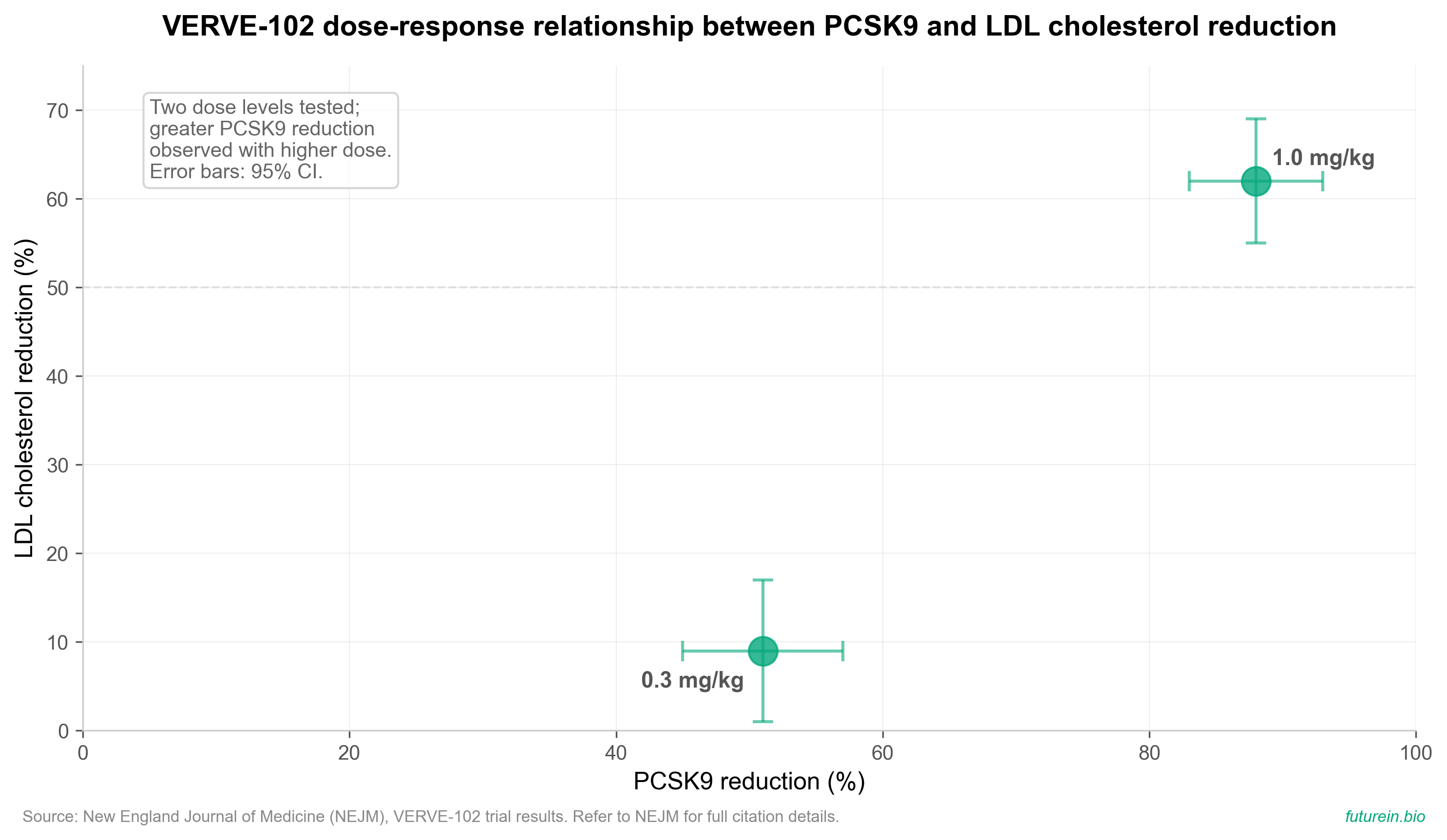
• VERVE-102 base-editing therapy achieved 88% PCSK9 reduction and 62% LDL cholesterol reduction (78 mg/dL absolute) in 35 participants with single intravenous dose.
• Phase 1 trial demonstrates durable cholesterol lowering lasting over 1 year, potentially replacing chronic PCSK9 inhibitor treatments requiring frequent dosing.
• In vivo base editing represents shift toward one-time genetic medicines for cardiovascular disease, expanding beyond rare diseases into common chronic conditions.
2. A Hormone Cell Atlas maps the human endocrine system at cellular resolution
• Researchers at the University of Cambridge constructed the Hormone Cell Atlas by analyzing 379 hormone and receptor genes across 14 million single cells from 47 human tissues, using the hormone2cell pipeline to map hormone production and action at cellular resolution.
• The atlas reveals hormone signaling extends far beyond classical endocrine glands, identifying non-classical sites such as secretin in plasmacytoid dendritic cells and demonstrating GLP-1 receptor expression in cardiomyocytes, explaining cardiac effects of GLP-1-based drugs.
• Published in Science and available at hormonecellatlas.org.uk, this open-access resource provides a comprehensive framework for dissecting endocrine physiology and identifying therapeutic targets.
3. Generalizable mutation-effect prediction across adaptive immune recognition via unified multimodal framework
• UniAIR introduces a unified AI framework that predicts mutation effects across diverse immune recognition scenarios including antibody-antigen and T cell receptor interactions with state-of-the-art performance.
• The multimodal transformer enables accurate prediction of immune system mutations with minimal task-specific tuning, potentially accelerating immunotherapeutic design and drug development timelines.
• This generalizable approach could standardize computational immunology tools, advancing personalized medicine and vaccine development by mapping mutation landscapes across adaptive immune recognition systems.
4. A large-scale unified deep learning model for peptide mass spectrum interpretation trained on multimodal data
• pUniFind is a deep learning model trained on 100+ million spectra that unifies peptide-spectrum scoring with de novo sequencing for mass spectrometry proteomics analysis.
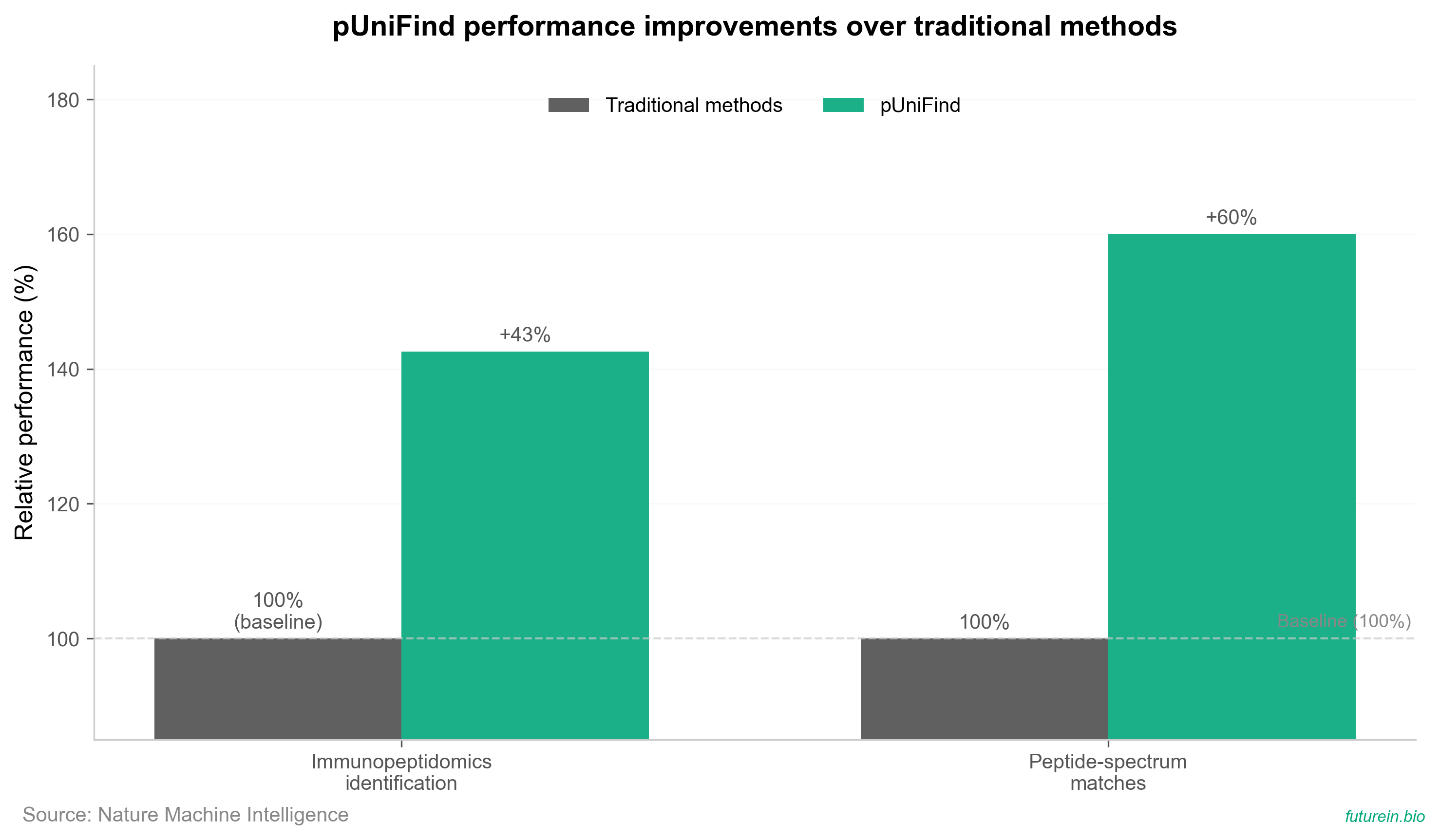
• The model achieved 42.6% increase in peptide identification in immunopeptidomics and 60% more peptide-spectrum matches than existing de novo methods despite 300x larger search space.
• This unified framework demonstrates how large-scale multimodal AI can dramatically improve protein analysis sensitivity, potentially accelerating drug discovery and personalized medicine development.
5. Protein language models for structural biology
• Protein language models effectively decode evolutionary patterns to make protein structure prediction and design scalable across biological systems.
• This transformative capability is accelerating biological discovery and engineering processes at all scales of research and development.
• The technology represents a fundamental shift toward AI-driven structural biology that will reshape drug discovery and protein engineering workflows.
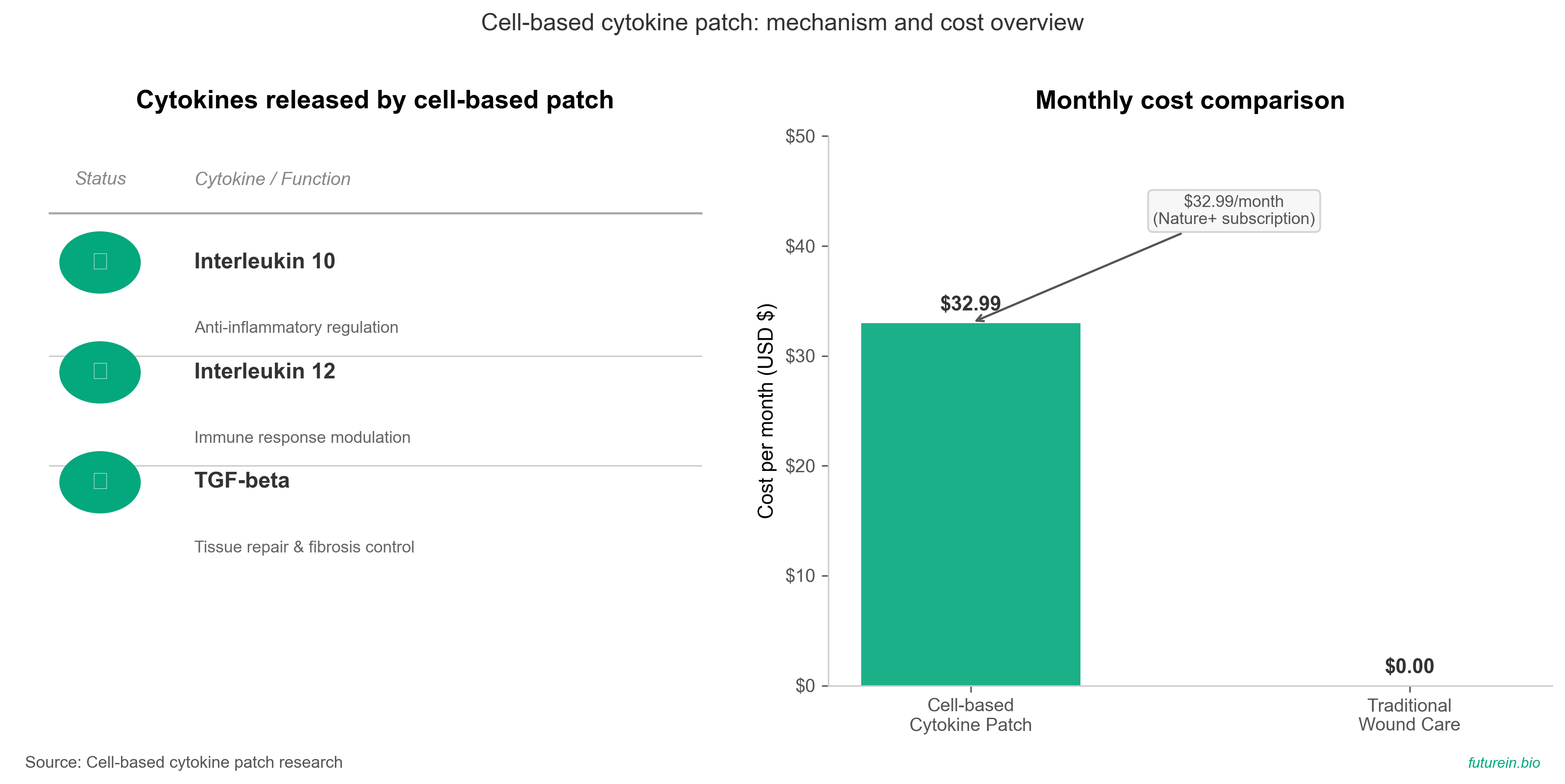
6. Cell-based cytokine patch for localized immunomodulation and accelerated healing in rodent and porcine wounds
• Researchers developed a removable cell-based patch containing engineered human retinal epithelial cells that secrete IL-10, IL-12, and TGF-β to accelerate wound healing in rodent and porcine models.
• The cytokine-releasing patch demonstrated accelerated healing with sustained local delivery over several days, targeting disrupted molecular pathways rather than just physical wound properties.
• This localized cellular immunomodulation approach represents a shift toward precision wound therapeutics that directly reprogram tissue repair mechanisms, advancing beyond current moisture/pressure-focused treatments.