Top Stories
1. Vida Health Partners with Instacart to Launch Category-Specific Grocery Stipends for Cardiometabolic Care
• Vida Health integrates Instacart Health Fresh Funds into virtual cardiometabolic care, delivering category-specific grocery stipends across 98% of U.S. households, including 95% of food deserts.
• Members gain instant access to dietitian-approved groceries, addressing the 11% vs. 6% CVD event rate gap between food-insecure and food-secure populations across all 50 states.
• Vida’s 70% customer growth and 90%+ revenue gains signal accelerating demand for nutrition-integrated chronic care within the projected $100B GLP-1/cardiometabolic market by 2030.
2. IMU Biosciences nabs $53M funding round to ‘decode’ the immune system
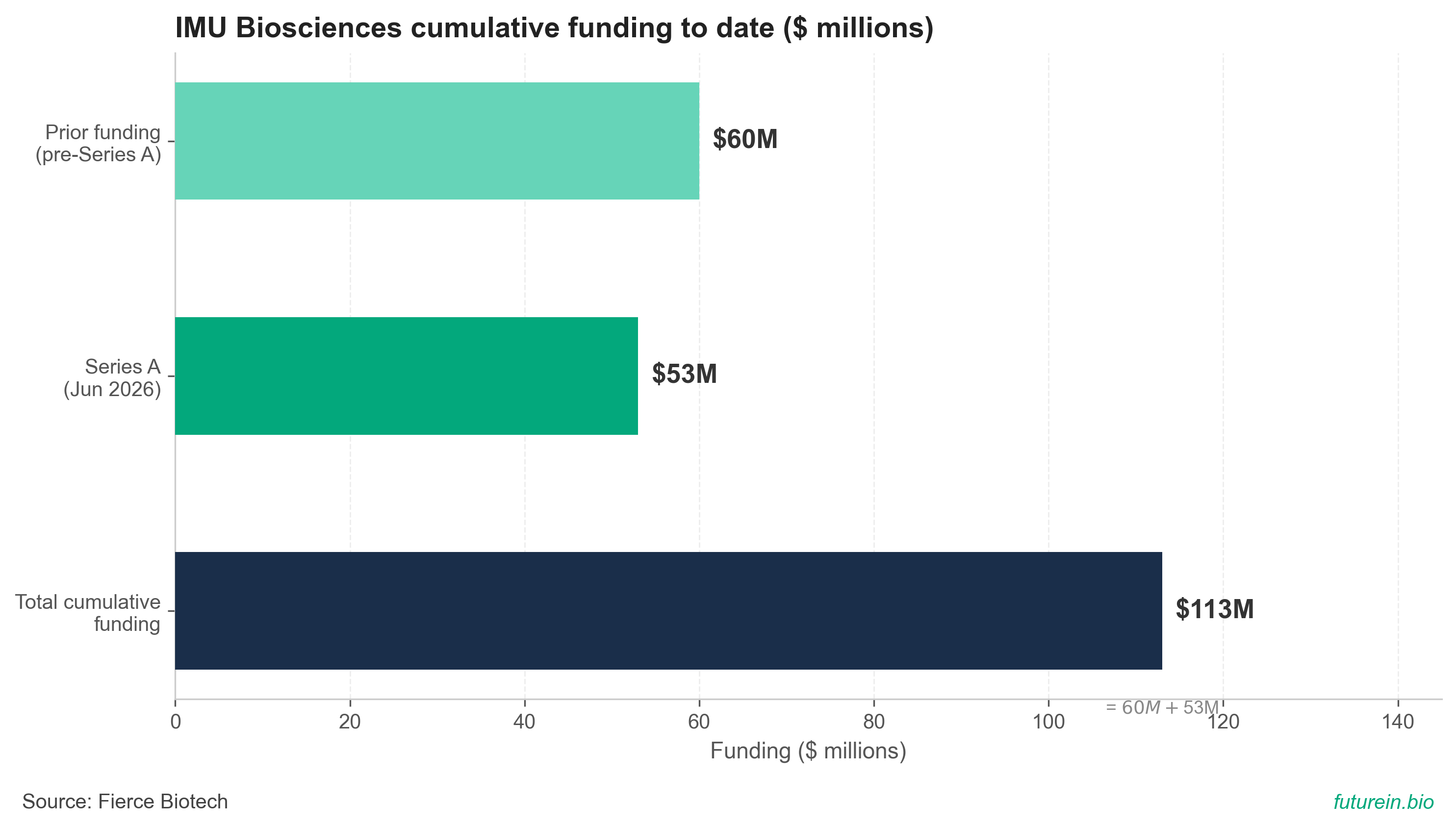
• IMU Biosciences raised a £40M ($53M) Series A, co-led by IQ Capital and Molten Ventures, totaling $113M+ raised to date.
• Funding accelerates clinical platform expansion and infrastructure, enabling blood-sample analysis of 100M immune data points per patient.
• IMU’s multi-omic + ML approach to immune “decoding” signals growing investor conviction in precision immunology as a disease diagnosis paradigm.
3. Ilant Health Secures $15M to Expand Value-Based Precision Obesity Management
• Ilant Health closed a $15M Series A (total $22M+) to scale its precision obesity platform achieving 15% member weight loss vs. 5.8% real-world benchmark.
• Employer and health plan partners gain transparent GLP-1 pricing via Eli Lilly and Novo Nordisk integrations, directly addressing unsustainable pharmaceutical spend spikes.
• Ilant targets a $15.92B obesity treatment market projected to reach $60.53B by 2030 (22.31% CAGR), led by GLP-1 therapies commanding 80.19% revenue share.

4. ASCO, Ryght AI team up for breast cancer trial site selection
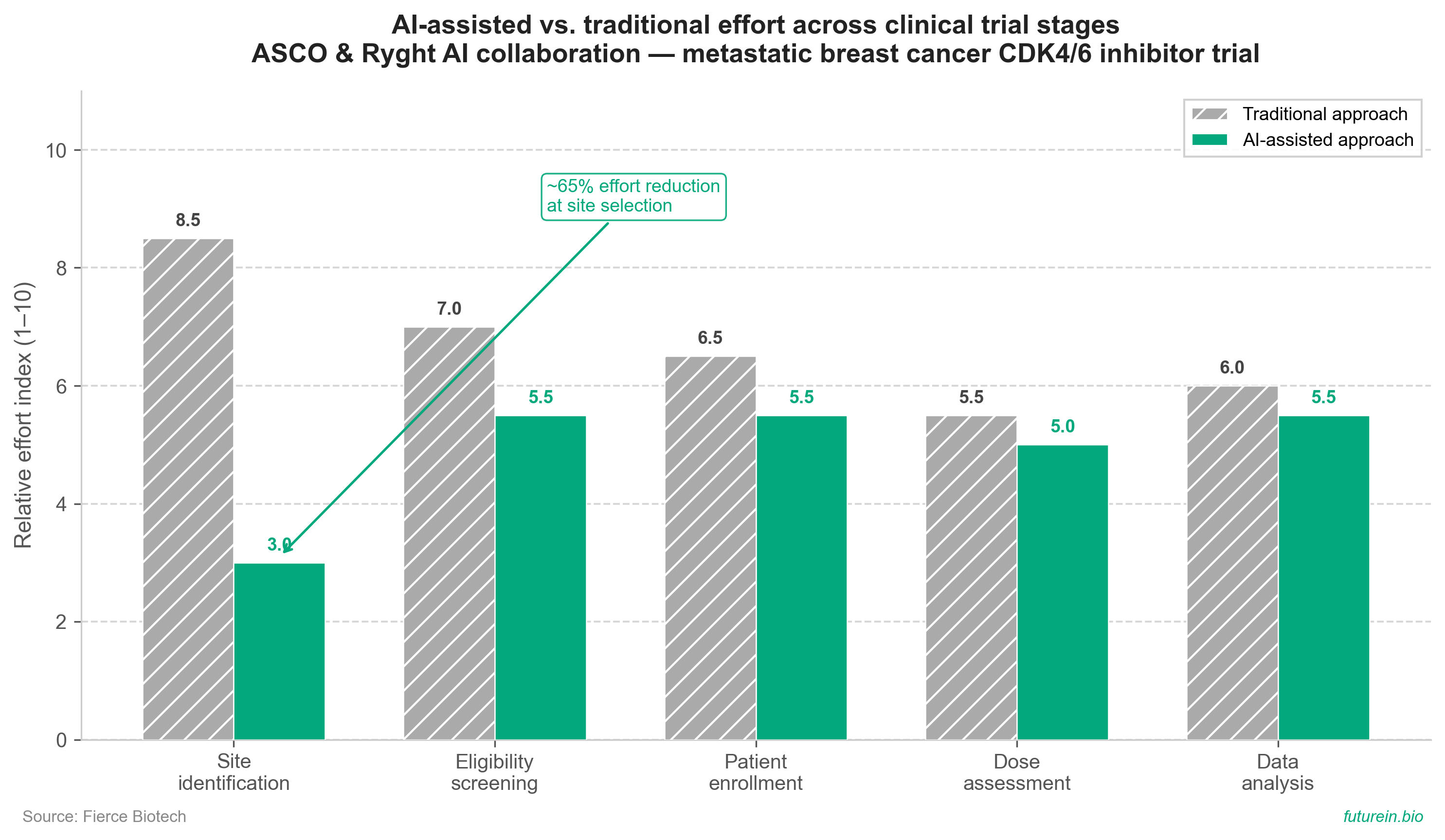
• ASCO and Ryght AI are partnering to use AI-powered site selection for a PCORI-funded ($11M) CDK4/6 inhibitor dosing trial in metastatic breast cancer patients.
• Ryght’s AI Site Twin platform will accelerate site activation and enrollment by ranking sites on expertise, capacity, regulatory history, and enrollment dynamics.
• The collaboration models AI-driven trial optimization for oncology, addressing a critical gap: patients 65+ are underrepresented despite representing the majority of breast cancer cases.
5. Foundation Medicine tallies FDA nod to pair its blood test with Pfizer’s prostate cancer combo
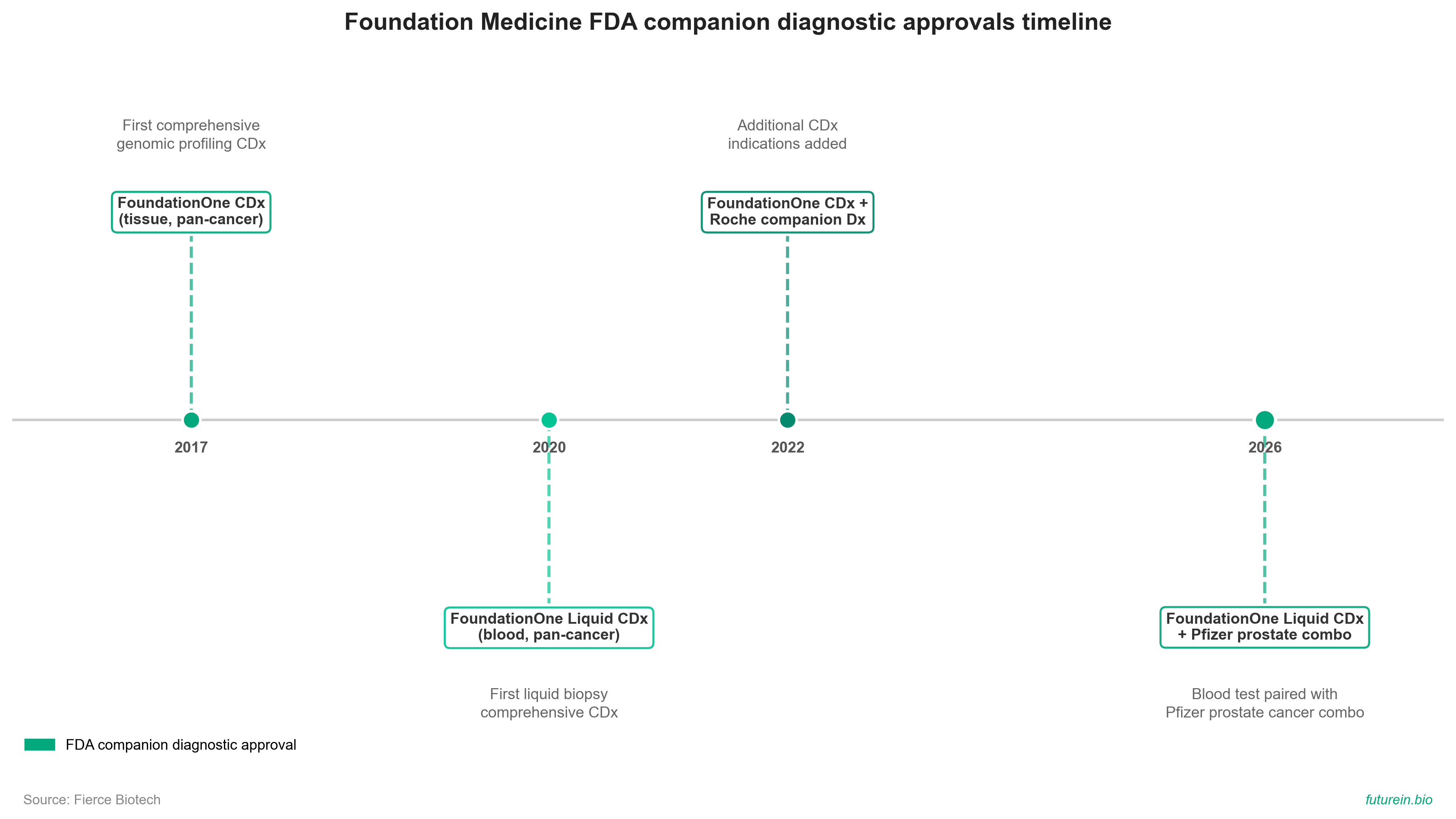
• Foundation Medicine received FDA approval to pair its genomic blood test with Pfizer’s Talzenna+Xtandi combo for HRR gene-mutated mCRPC patients.
• This marks Foundation’s 9th prostate cancer companion diagnostic approval, adding to 100+ total CDx approvals, expanding patient identification for BRCA and non-BRCA HRR mutations.
• Growing CDx-drug pairing trend is accelerating, with Foundation securing 3 major partnerships (Pfizer, BMS, Fulgent) within weeks, reflecting precision oncology’s expanding commercial infrastructure.
New Research
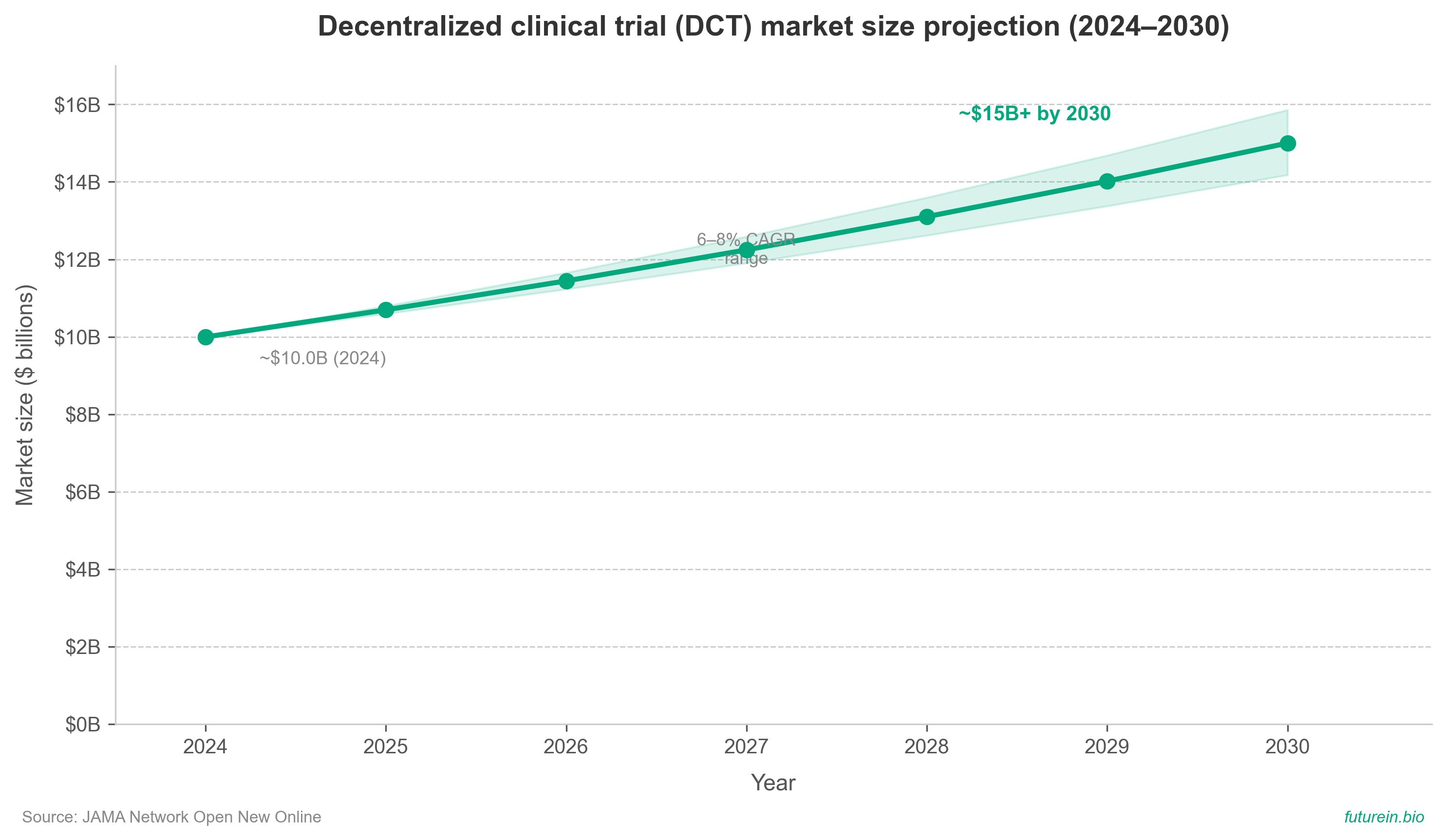
1. A Multiregional Decentralized Clinical Trial Program to Improve Access
• This article examines decentralized clinical trial (DCT) programs addressing access barriers, where only 7% of cancer patients participate and ~45–52% face >60-minute travel burdens.
• DCTs demonstrably improve diversity: one rural COVID-19 trial achieved 62.5% Black enrollment versus traditional trial norms, using telehealth and local labs.
• Long-term, DCTs address systemic gaps—36% of physician practices offer zero trials, and 55% of patients cite cost barriers—signaling structural reform in trial design.
2. Time-restricted feeding puts mouse healthspan on the clock
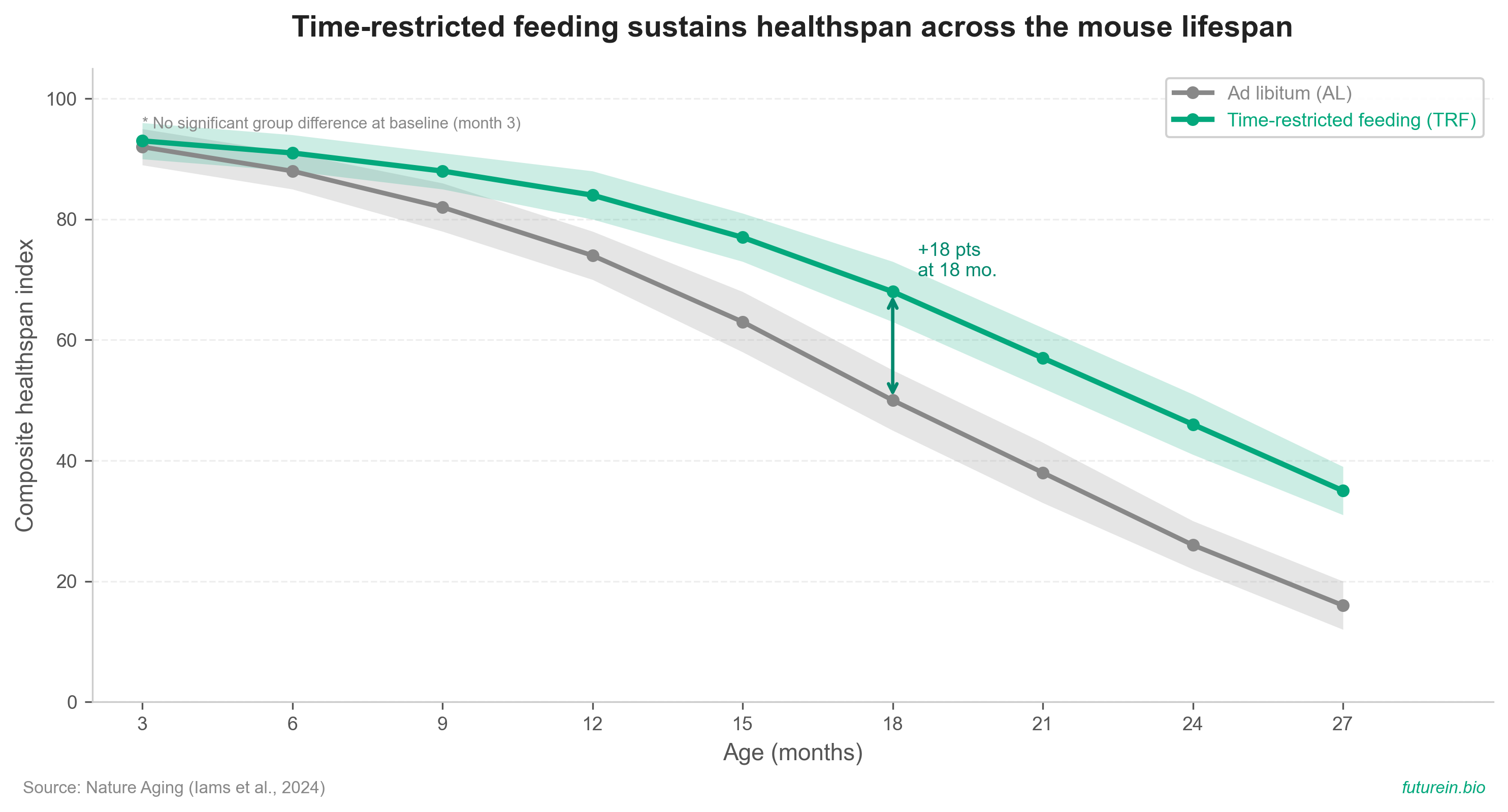
• A 2026 Nature Aging study by Iiams et al. found lifelong time-restricted feeding (TRF) extends healthspan in non-obesogenic mice on standard diets.
• TRF produced sex-specific effects on aging-related pathologies and lifespan, suggesting biological sex must be controlled in future dietary intervention research.
• Findings reinforce TRF’s growing translational potential, building on prior human trials (Manoogian et al., Ann. Intern. Med., 2024) linking meal timing to metabolic aging outcomes.
3. Health Care Cost Trajectories in the Last Year of Life by Age at Death
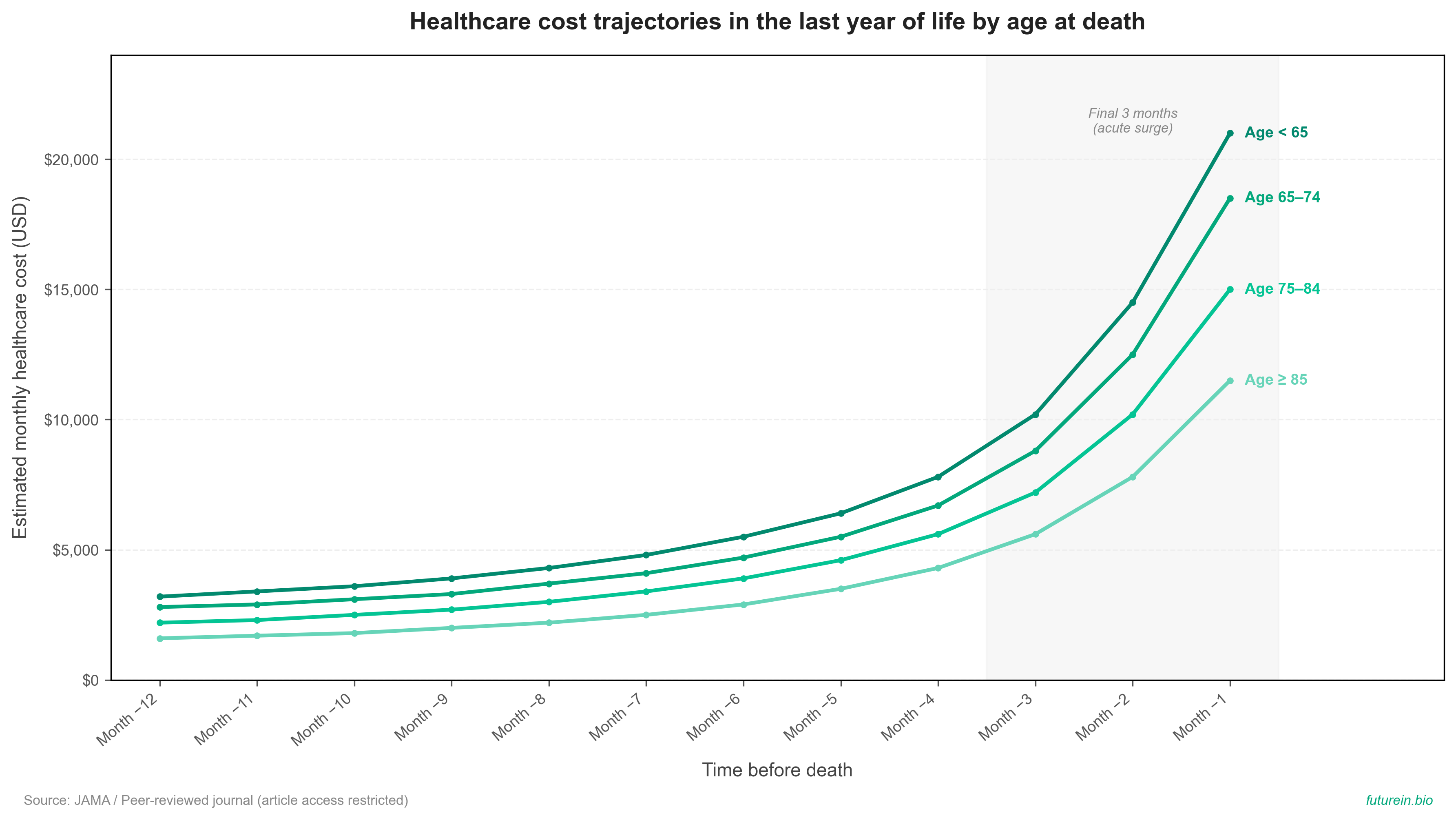
• This study analyzes healthcare cost trajectories in the final year of life, revealing ~$80,000 total EOL spending with Medicare covering 66% (~$52,800) across age groups.
• Inpatient Medicare spending drops from >$20,000 (ages 65–79) to <$10,000 (ages 90+), while dementia patients’ OOP costs ($61,522) run 81% higher than non-dementia decedents ($34,068).
• EOL spending equals ~6× average population spending, consuming 25% of total Medicare budgets, signaling major cost-management opportunities for healthtech and value-based care platforms.
4. Structural motif search across the protein universe with Folddisco
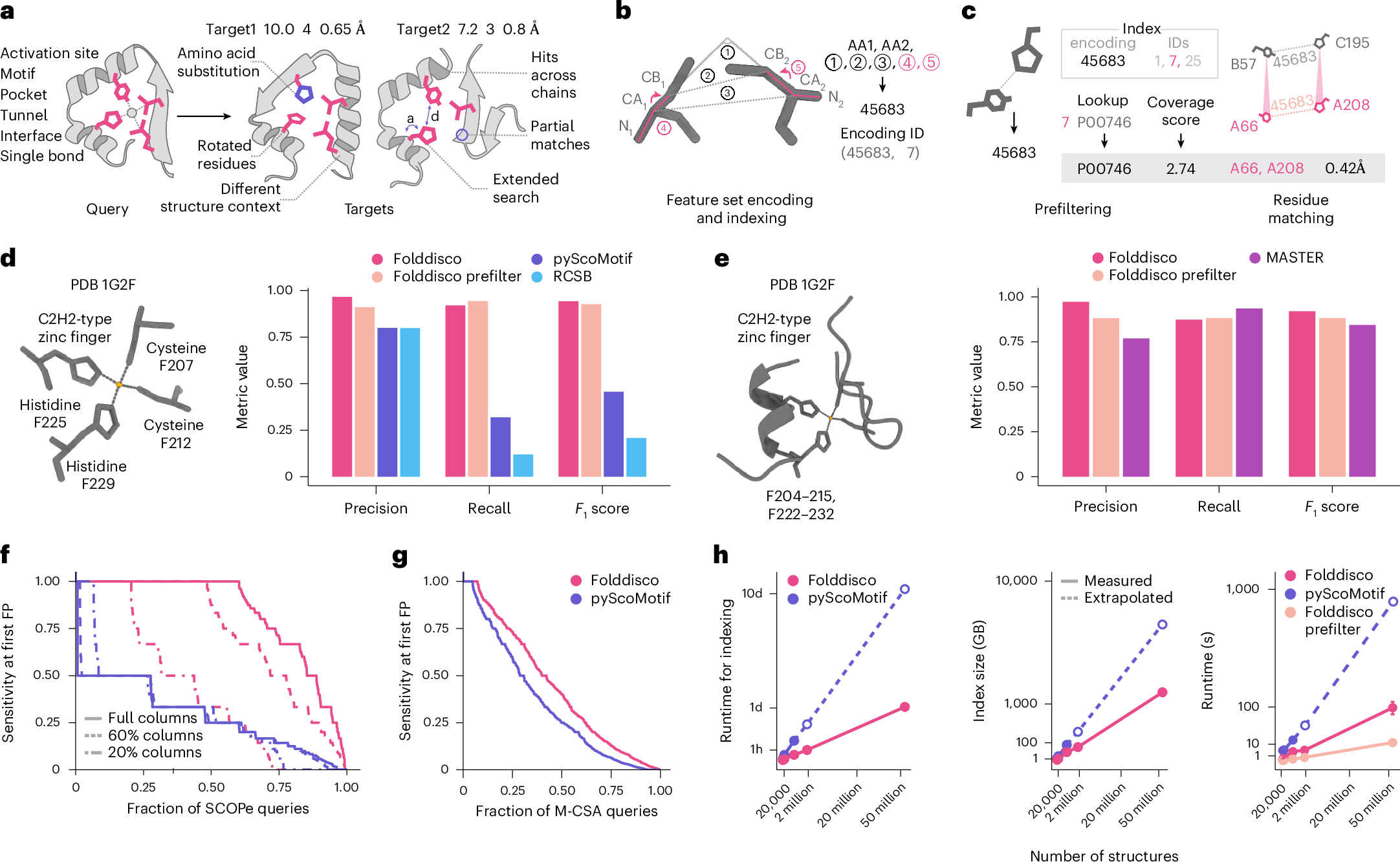
• Folddisco is a structural protein motif search tool using position-independent geometric features and rarity-based scoring to query million-scale databases.
• Folddisco is 20x faster in querying and 4x more storage-efficient than existing methods, with improved accuracy across 713 M-CSA catalytic site benchmarks.
• Enables scalable functional annotation across 214M+ AlphaFold-predicted structures, accelerating enzyme engineering, drug target discovery, and evolutionary biology research.
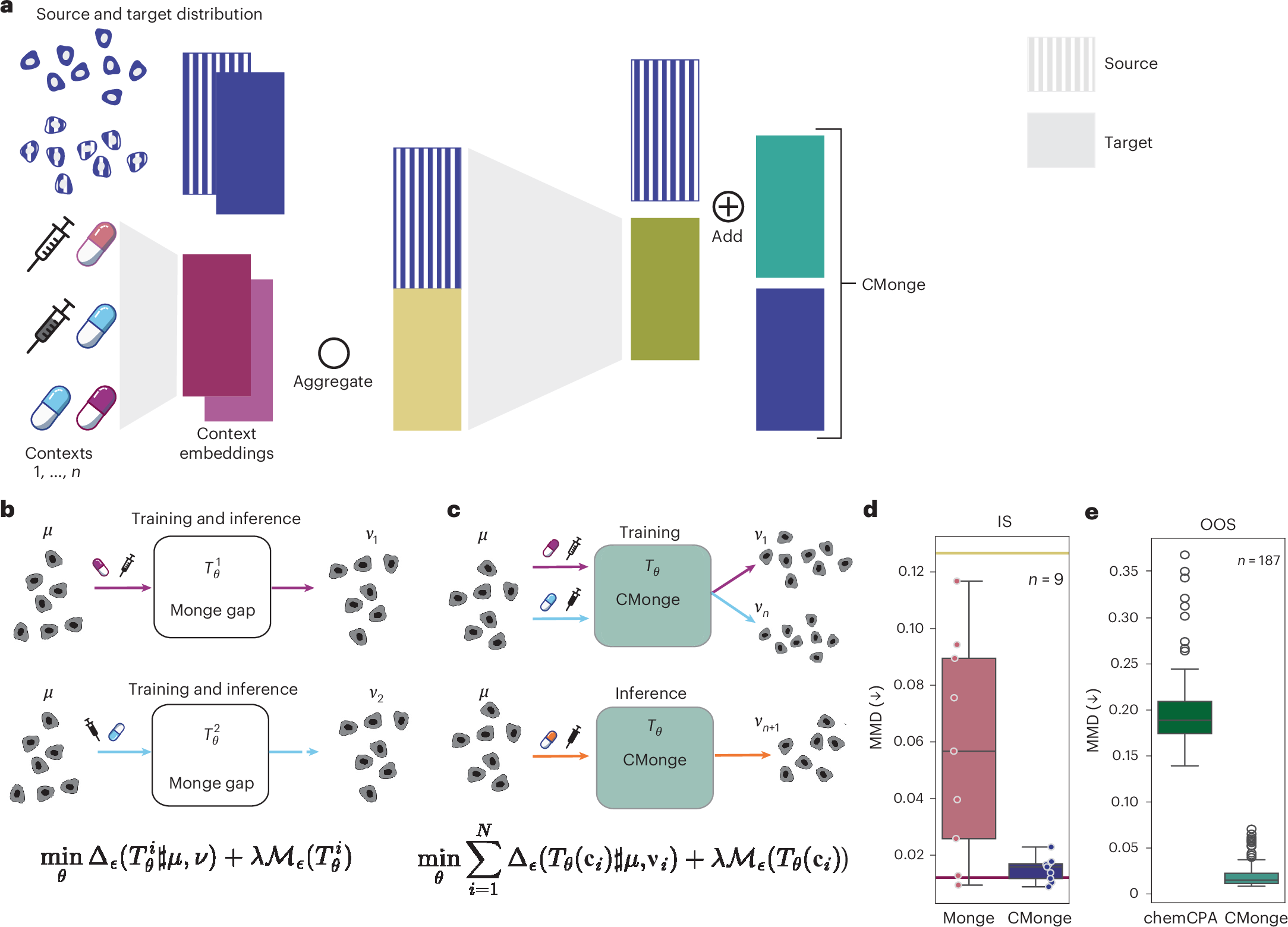
5. Conditional Monge Gap enables generalizable single-cell perturbation modelling
• Driessen et al. introduce CMonge, a conditional optimal transport framework predicting single-cell perturbation responses across 187 drugs, 4 doses, achieving R² >0.8 on 748 conditions.
• CMonge outperforms chemCPA with 23,000–560,000 parameters versus chemCPA’s 1.37M, enabling generalization to unseen drugs using only compound structure (SMILES).
• Scalable virtual drug screening across hundreds of millions of compounds positions lightweight OT models as efficient alternatives to 100M+ parameter single-cell foundation models.