Moderna and Merck’s mRNA cancer vaccine shows survival benefit in phase 3 trial
• Moderna/Merck’s mRNA cancer vaccine intismeran cut melanoma recurrence risk 49% in Phase 2 and met primary endpoints in 1,137-patient Phase 3 trial.
• Moderna stock surged 177% on announcement; peer mRNA biotechs gained up to 20%, validating investor confidence in personalized neoantigen vaccine platforms.
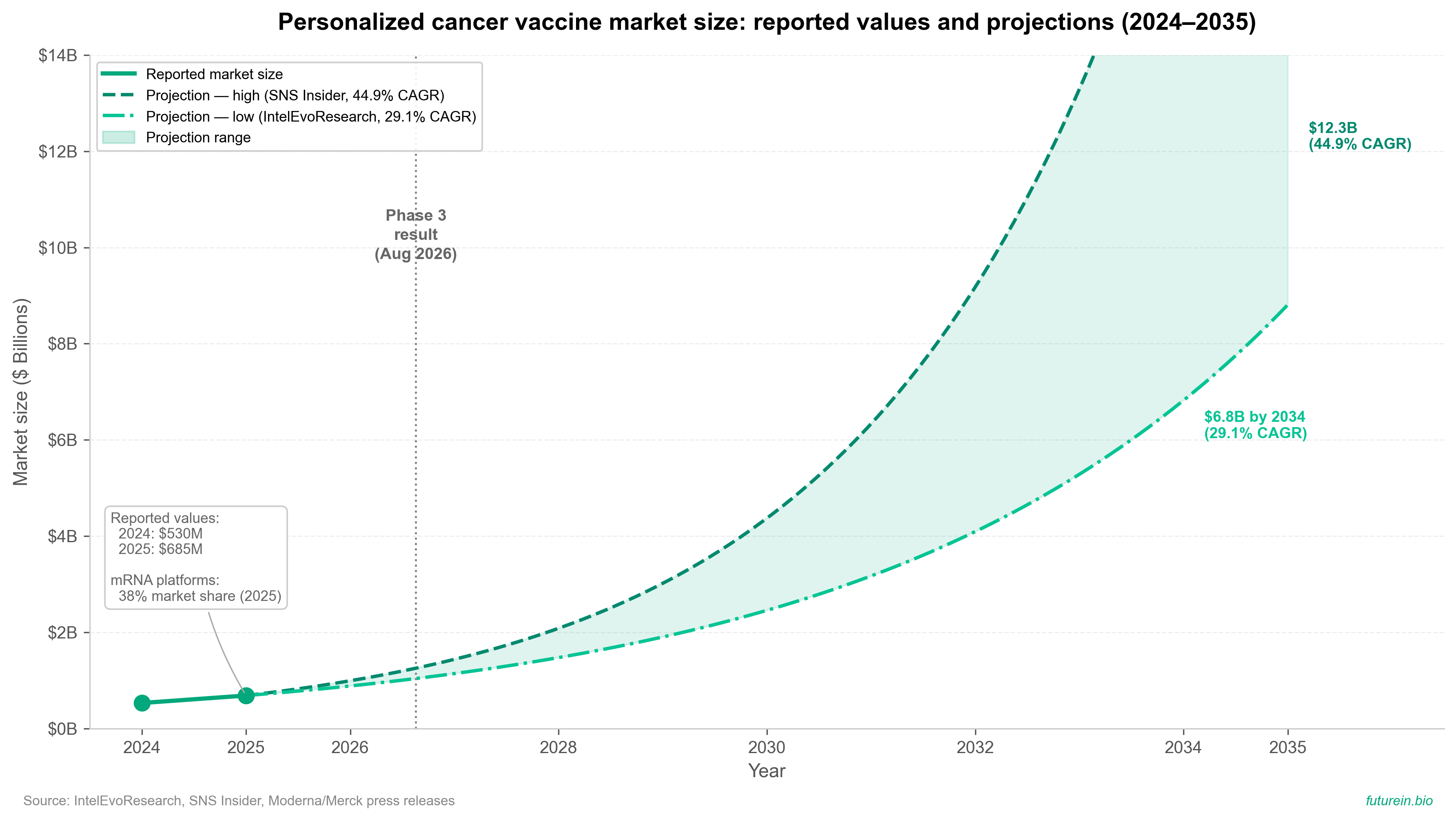
• Personalized cancer vaccine market projected to grow from $685M (2025) to $6.8–12.3B by 2034–2035, at 29–45% CAGR, driven by mRNA platform expansion.
LLMs match human reviewers at detecting adverse events in immunotherapy trials
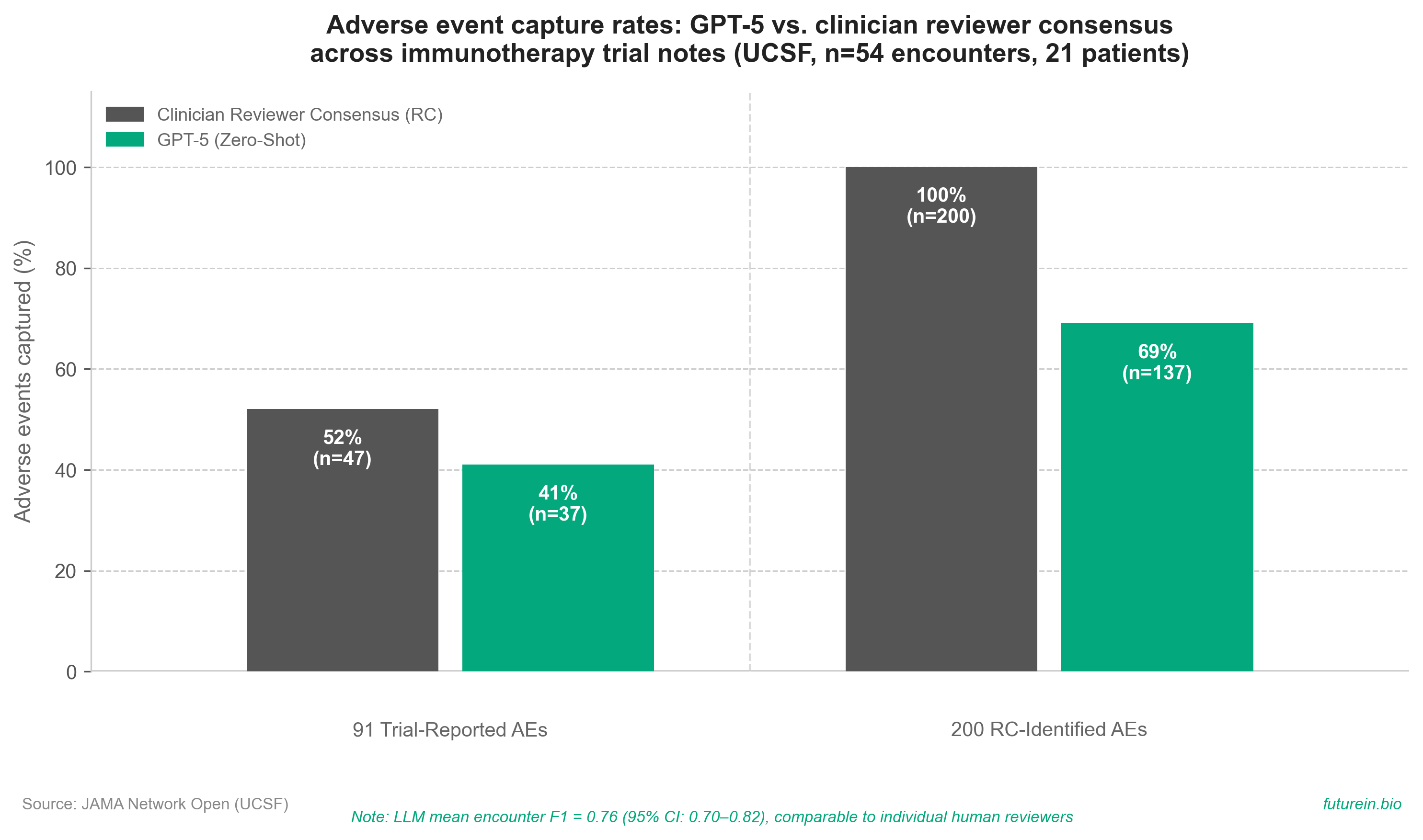
• GPT-5 extracted CTCAE-classified adverse events from 54 immunotherapy trial notes, achieving mean F1 score of 0.76, comparable to individual clinician reviewers (Krippendorff α=0.56).
• LLM captured 69% of 200 RC-identified AEs versus only 24% reported by trials, identifying 3 clinician-missed AEs, suggesting immediate utility in supplementing manual review.
• LLM-based AE extraction signals a scalable AI-human workflow for clinical trial pharmacovigilance, aligning with emerging FDA regulatory priorities to leverage AI in drug approval processes.
Weave Bio and Takeda deploy AI-native regulatory automation in drug development
• Weave Bio and Takeda are deploying AI-native regulatory automation across 14 active drug programs, covering IND submissions, HAQ, and RTQ workflows.
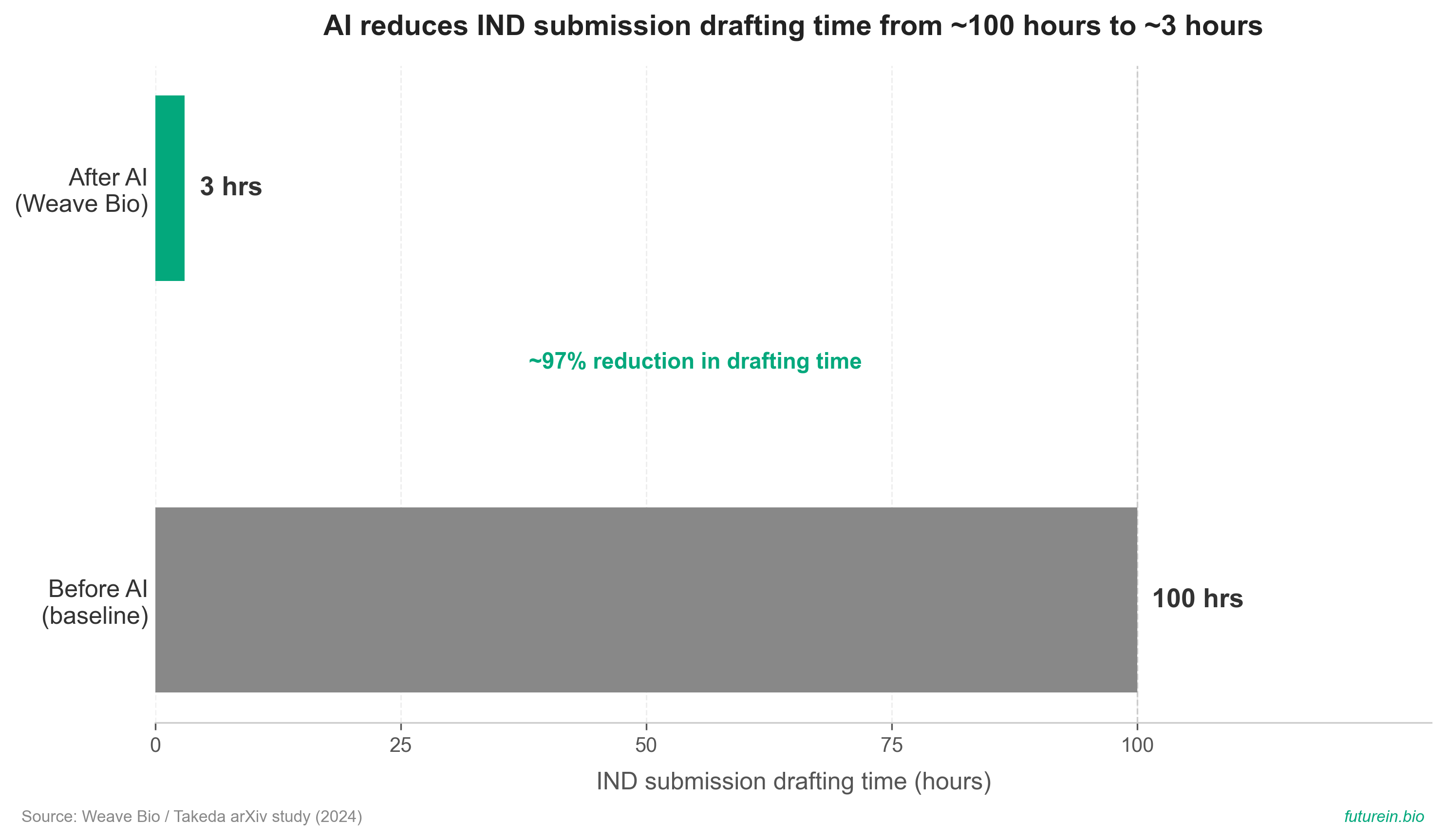
• AI reduced IND drafting time 97% (100→3 hours), achieved 68% HAQ answer quality (target: 50–70%), and logged 100+ questions with zero extraction errors.
• With only 11% of pharma fully adopting AI and potential 70% preclinical timeline compression, Weave’s $30M-funded platform signals significant early-mover advantage.
AI model learns RNA patterns from sequence data without manual annotation
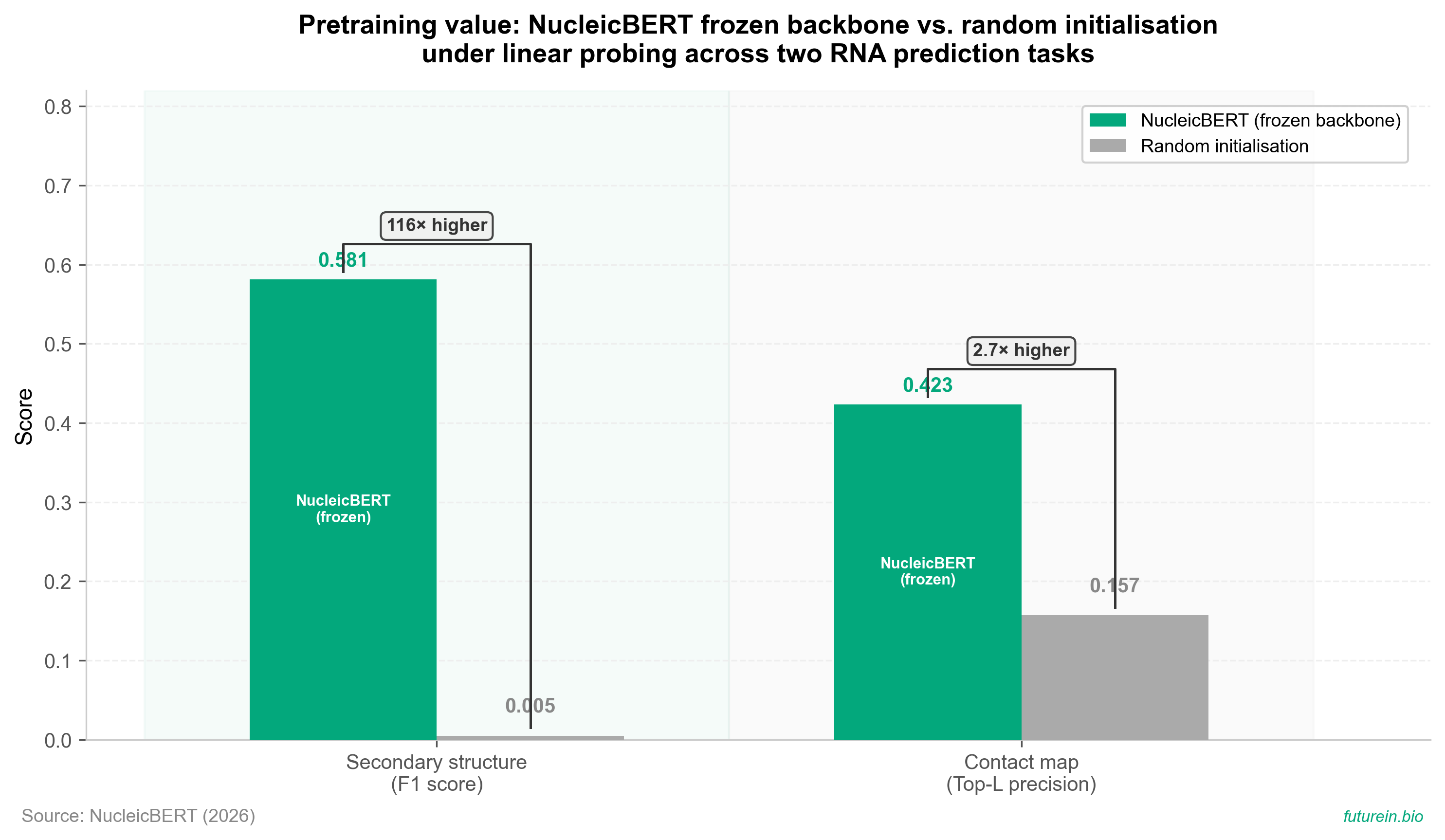
• NucleicBERT is a self-supervised BERT-based RNA language model trained on 30M ncRNA sequences, achieving 83.1% masked token prediction accuracy without evolutionary data.
• The model matches or exceeds specialized RNA tools on structure/function tasks, reaching R²=0.994 on ribozyme fitness and F1=0.870 on secondary structure prediction.
• NucleicBERT’s alignment-free, single-sequence framework addresses critical 3D RNA data scarcity, with shuffle-detection sensitivity aligning with natural RNA sequence variation boundaries of 26.9%±10.4%.
AI BioDesign project adapts nature’s design rules for biotechnology
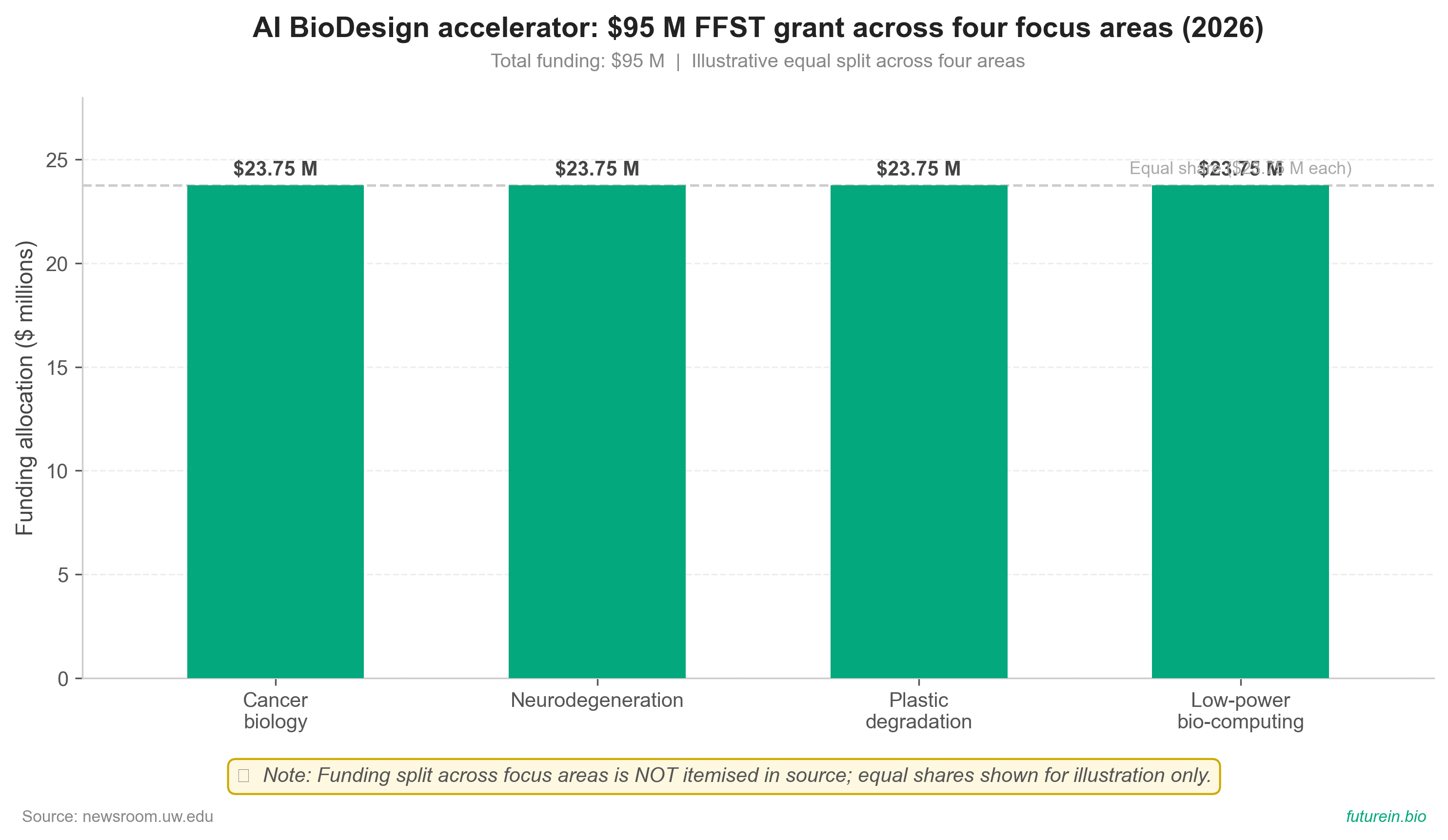
• The Allen Institute, UW, and Fred Hutch launched AI BioDesign, a $95M FFST-funded accelerator using AI to engineer novel biological sequences beyond nature’s existing designs.
• The platform combines multiplex experiments, open datasets, and iterative design-build-measure-learn cycles to accelerate development of cancer therapies, plastic-degrading enzymes, and bio-computers.
• AI BioDesign reflects biotech’s shift toward AI-guided synthetic biology, where predictive models replace trial-and-error, potentially compressing decades of evolutionary biology into scalable engineering cycles.
AI predictions match case managers on hospital discharge dates
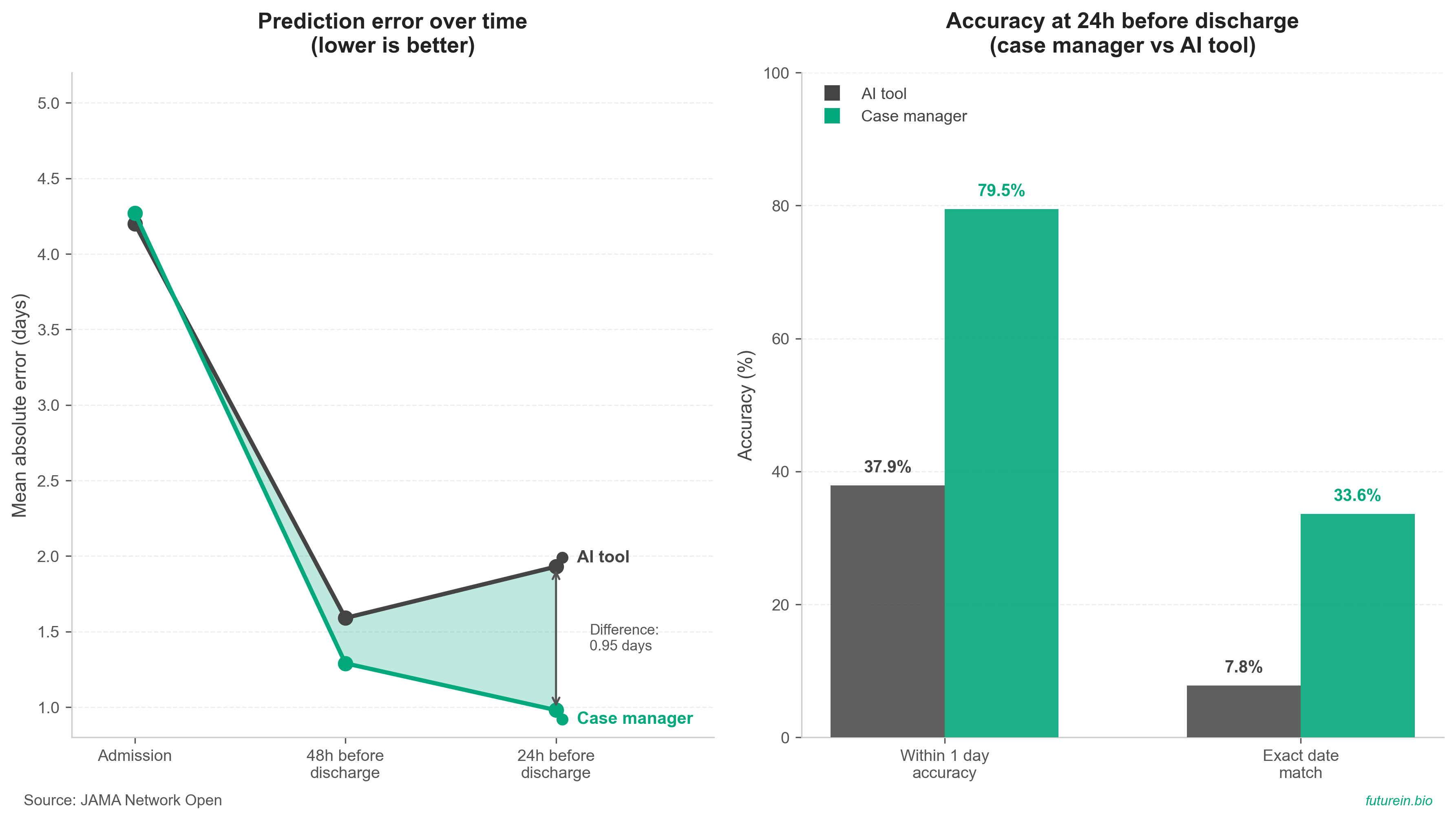
• This JAMA study compared AI vs. case manager hospital discharge date accuracy across 22,349 encounters at Houston Methodist Hospital (Aug 2023–Feb 2024).
• At admission, accuracy was comparable (MAE: 4.20 vs. 4.27 days), but case managers outperformed AI significantly at 24h pre-discharge (MAE: 0.98 vs. 1.93 days; 79.5% vs. 37.9% within 1 day).
• AI showed subgroup-specific value (intermediate 5–7 day stays: MAE 1.49 vs. 2.24 days), signaling need for targeted rather than blanket AI deployment in hospital operations.
AI feedback system boosts adenoma detection rates in Danish colonoscopies
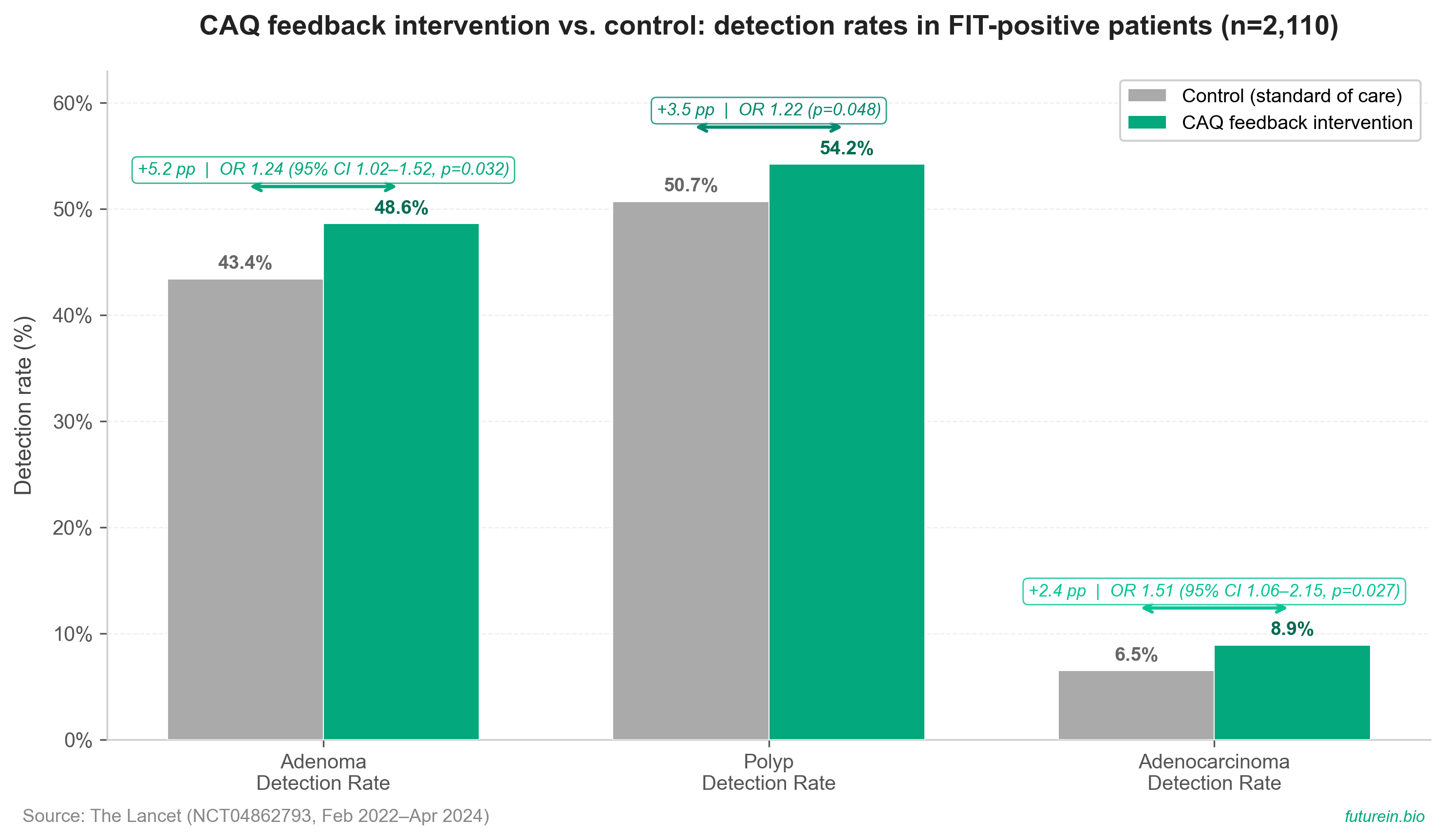
• This Danish multicentre stepped-wedge RCT (n=2,110 patients, 17 endoscopists) tested whether post-colonoscopy CAQ feedback improved adenoma detection rates.
• CAQ intervention raised ADR 48.6% vs. 43.4% (OR 1.24, p=0.032), ACDR 8.9% vs. 6.5% (OR 1.51, p=0.027), and withdrawal time 960s vs. 915s.
• AI-driven real-time quality feedback systems represent a scalable healthtech pathway to standardize endoscopist performance, given ADR variability ranges 7.4%–52.5% and each 1% ADR gain reduces interval colorectal cancer risk by 3%.
Owkin partners with Boehringer Ingelheim on AI drug discovery for cancer and immunology
• Owkin signed a licensing deal with Boehringer Ingelheim for its AI platform “K Pro” and multimodal patient data targeting oncology and immunology drug discovery.
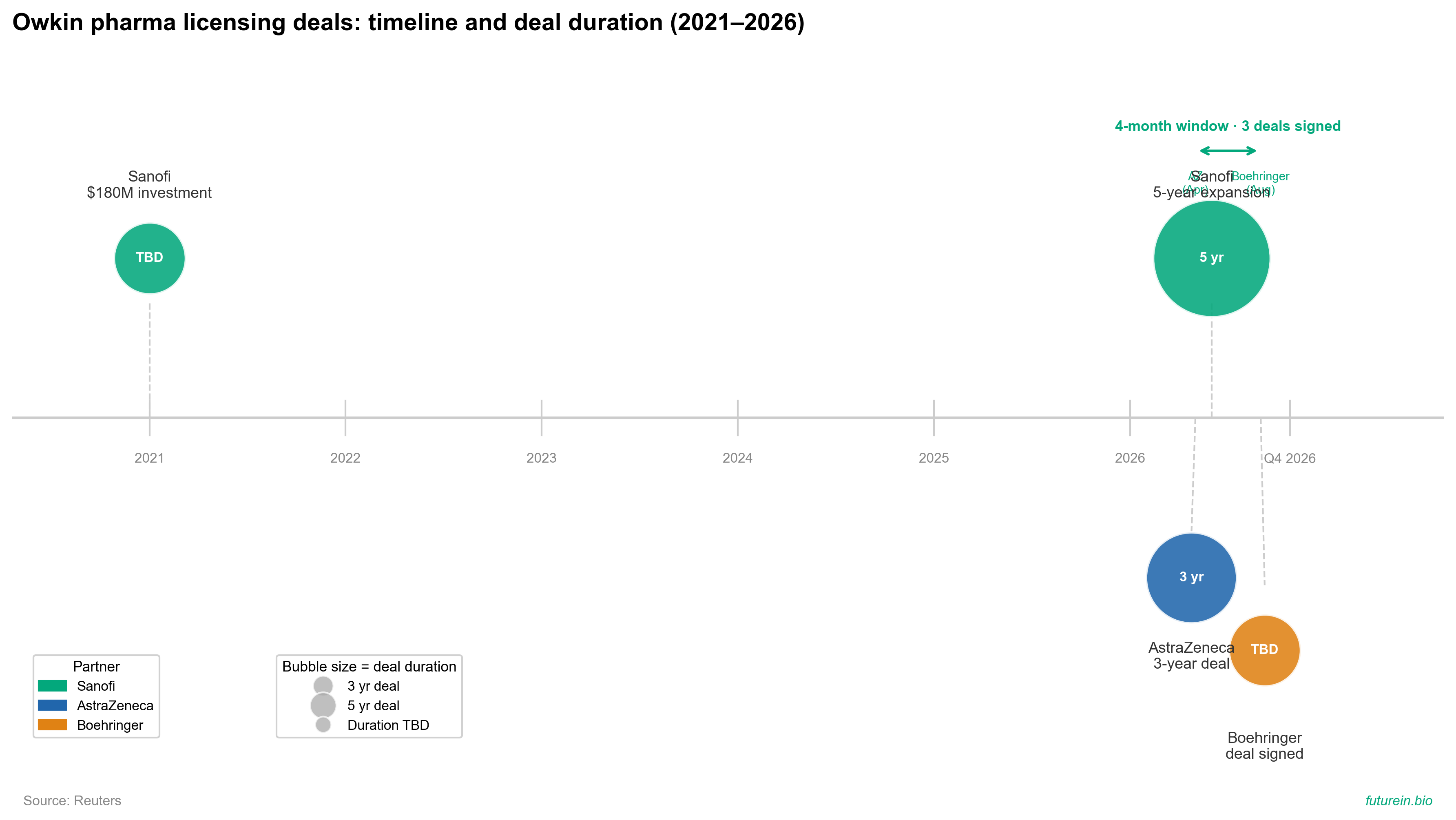
• Boehringer joins AstraZeneca (3-year deal, May 2026) and Sanofi (5-year expansion, June 2026) as K Pro’s 3rd major pharma licensee within 5 months.
• Owkin’s ~$337M raised from 24 investors and 3 major licensing deals in under 6 months signals accelerating AI-pharma platform consolidation in drug discovery.
FDA clears Kneu Health Apple Watch tool for continuous Parkinson’s tremor and dyskinesia monitoring
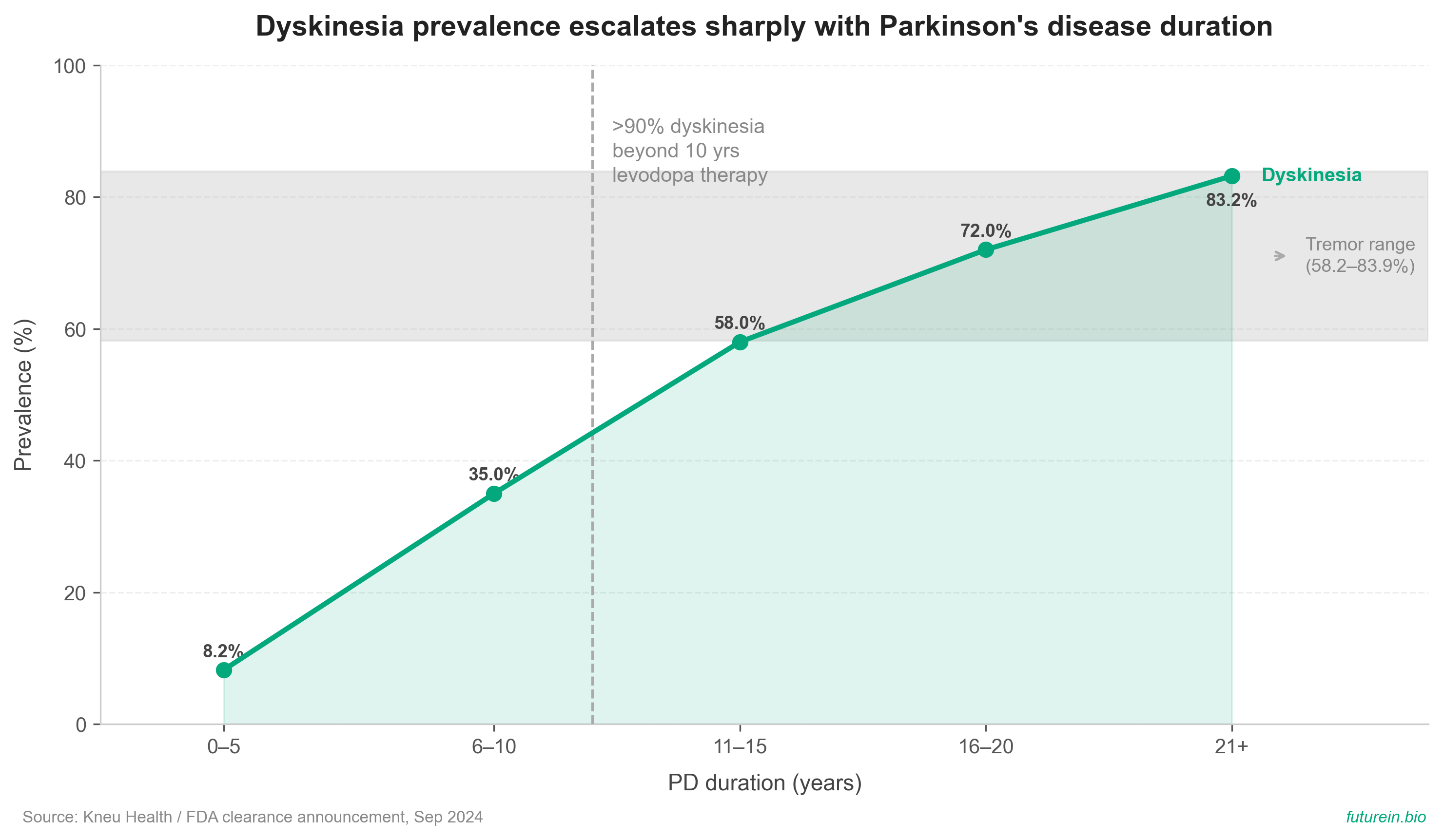
• Kneu Health received FDA clearance for an Apple Watch tool providing 24/7 passive tracking of Parkinson’s tremor and dyskinesia, affecting 83.9% and 83.2% of long-term patients respectively.
• The tool replaces isolated clinic snapshots with continuous longitudinal data, achieving 79% adoption within 2 weeks across 10 NHS organizations backed by Oxford Science Enterprises and Cedars-Sinai.
• The clearance targets a $68–109M monitoring device market growing at 12–15% CAGR, exploiting a critical gap: >90% patient interest in wearables versus only 8% actual medical wearable adoption.
Viral ORFeome resource enables large-scale protein discovery and functional studies
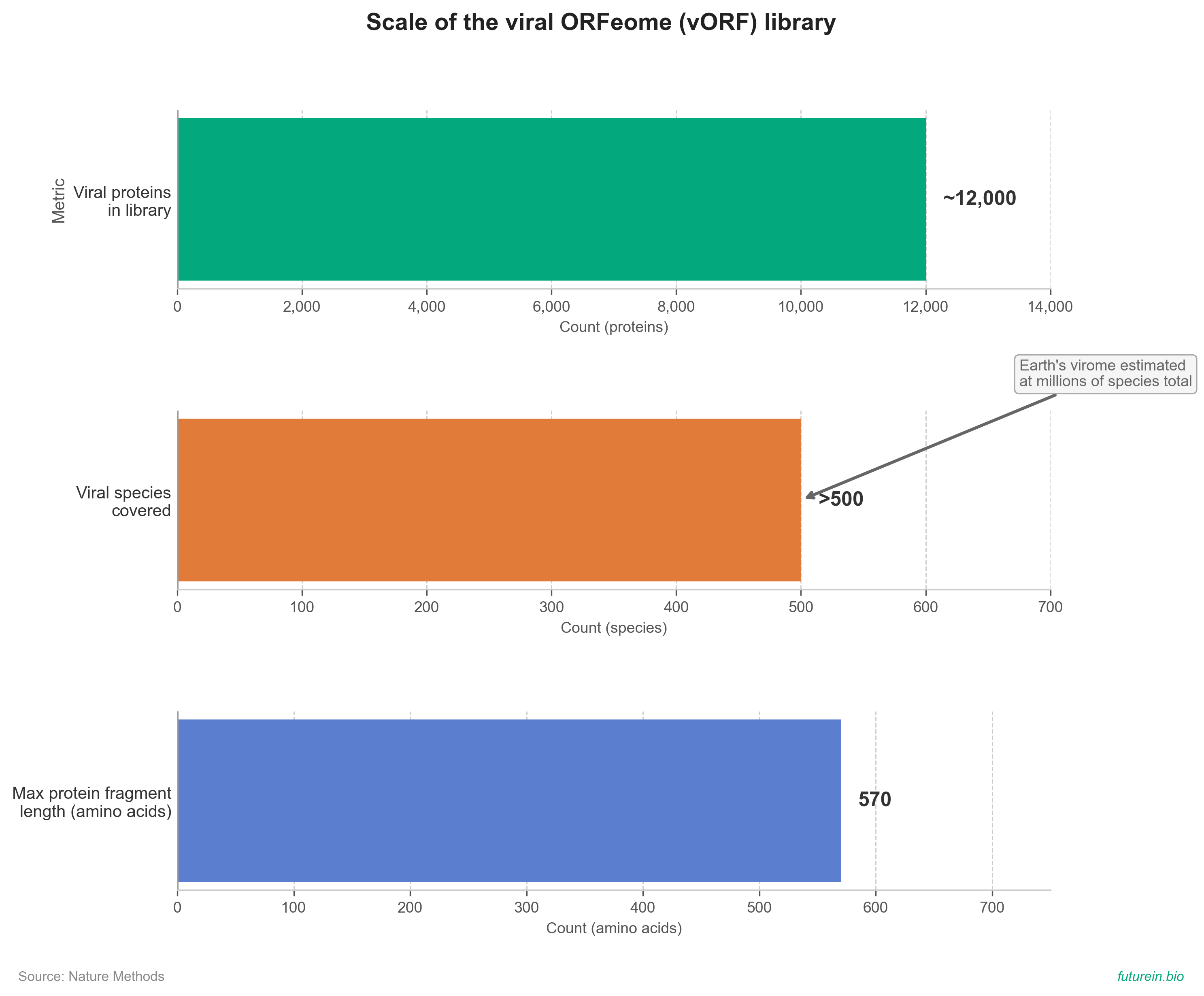
• Elledge lab (Harvard) built a viral ORFeome library of ~12,000 proteins from 500+ viral species to map virus-host protein interactions.
• The library, transduced into A375 cells via lentivirus with inducible promoters and C-terminal fusion capability, enables large-scale functional screening of viral proteins.
• This high-throughput viral proteomics approach accelerates identification of host pathway vulnerabilities, supporting antiviral drug target discovery at unprecedented phylogenetic scale.
Apixaban and warfarin show similar safety in AF patients with advanced kidney disease
• This retrospective cohort study (N=42,052) compared apixaban, warfarin, and no anticoagulation in AF patients with advanced CKD (stage 4-5) not on dialysis.
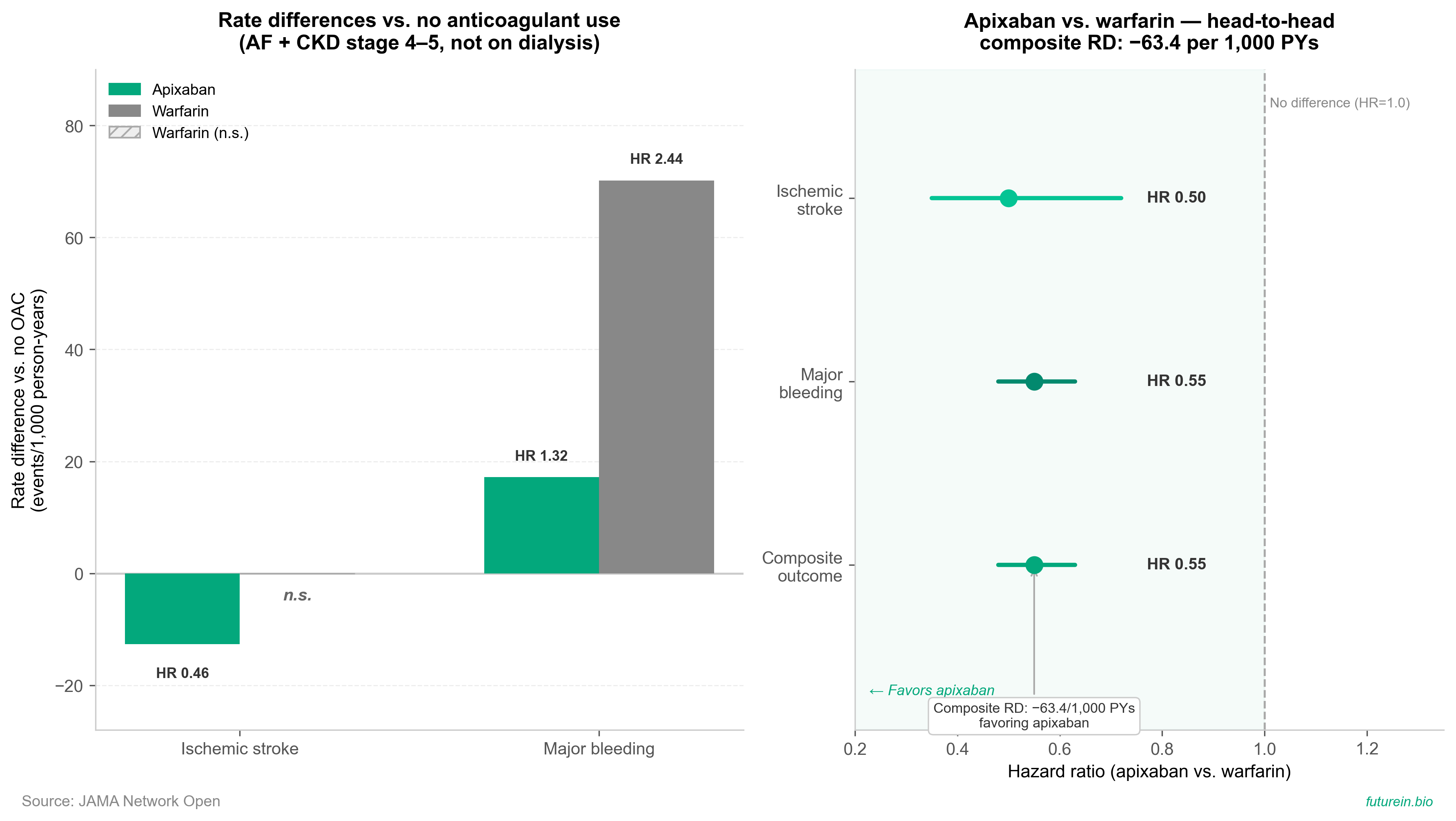
• Apixaban reduced ischemic stroke by 54% (HR 0.46) but increased major bleeding 32% (HR 1.32) vs. nonuse; warfarin showed 144% higher bleeding (HR 2.44) with no stroke benefit.
• Apixaban’s superior risk-benefit profile (55% lower bleeding, 50% lower stroke vs. warfarin) supports its emerging preference over warfarin in renally impaired populations, reshaping anticoagulation guidelines.
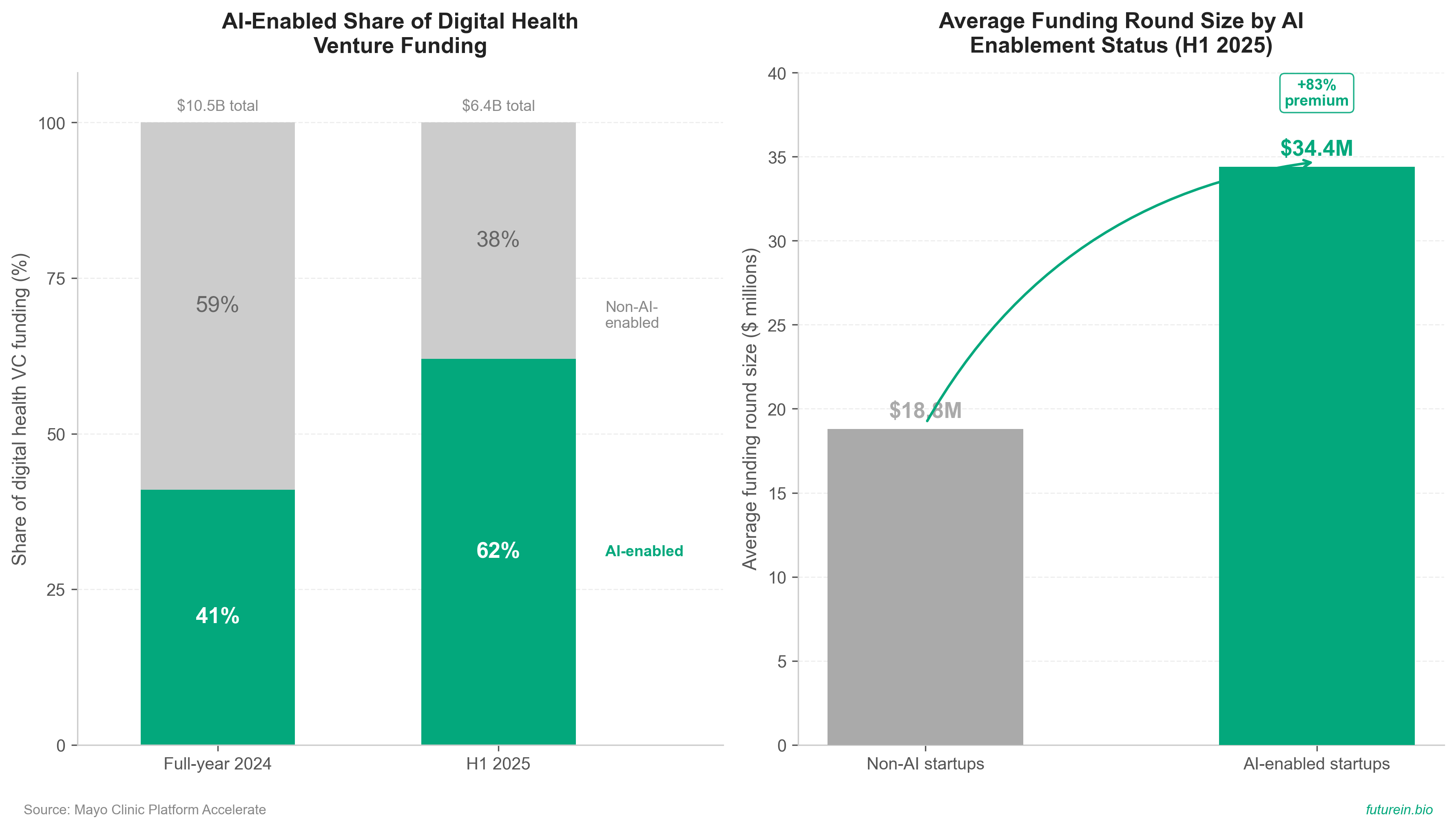
Mayo Clinic Platform Accelerate backs 12 clinical AI startups in new pathway
• Mayo Clinic Platform Accelerate launched a multiyear pathway for 12 clinical-stage AI startups, expanding beyond its traditional 30-week tracks across 130+ portfolio companies since 2022.
• The cohort covers diagnostics, oncology, mental health, and cardiopulmonary AI, giving startups sustained access to Mayo’s multimodal dataset spanning millions of de-identified patient records.
• With healthcare AI growing from $14.92B (2024) to a projected $110.61B by 2030, multiyear clinical validation pathways are becoming critical infrastructure for AI commercialization.
Hinge Health acquires virtual digestive health platform Cylinder Health for $105M
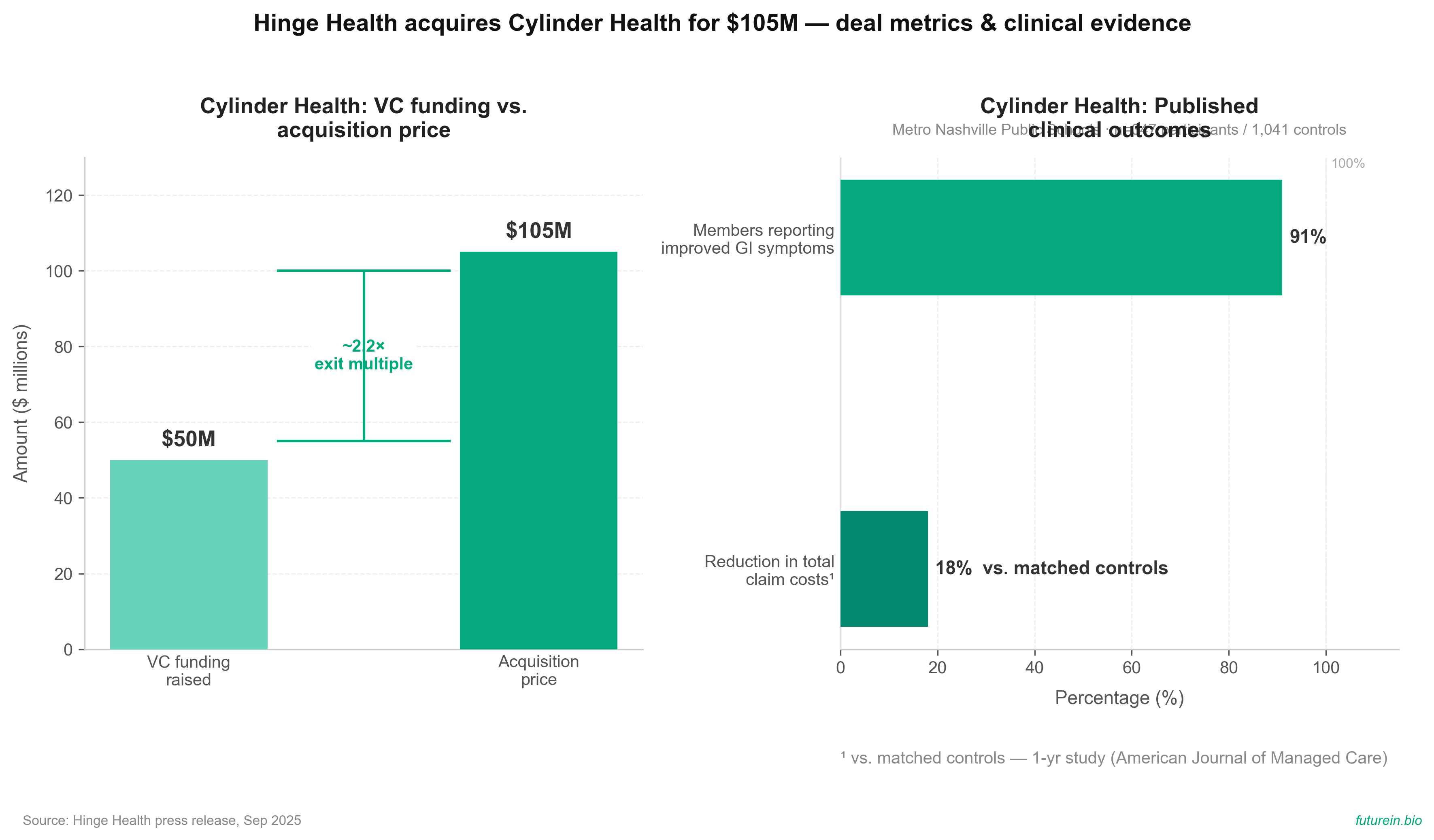
• Hinge Health acquired virtual digestive health company Cylinder Health for $105M cash, expanding beyond MSK therapy into GI care serving ~2M covered lives across ~100 enterprise clients.
• Cylinder’s proven 5:1 ROI, 18% medical cost reduction, and 91% symptom improvement rate across 150,000+ patients immediately strengthens Hinge Health’s value proposition to self-insured employers and health plans.
• The deal targets a $135B GI market affecting 1-in-4 U.S. adults, with 69% of counties lacking gastroenterologists, accelerating the virtual-first, multi-condition chronic care platform consolidation trend in healthtech.
Care navigation plus contingency management improves methamphetamine use disorder outcomes
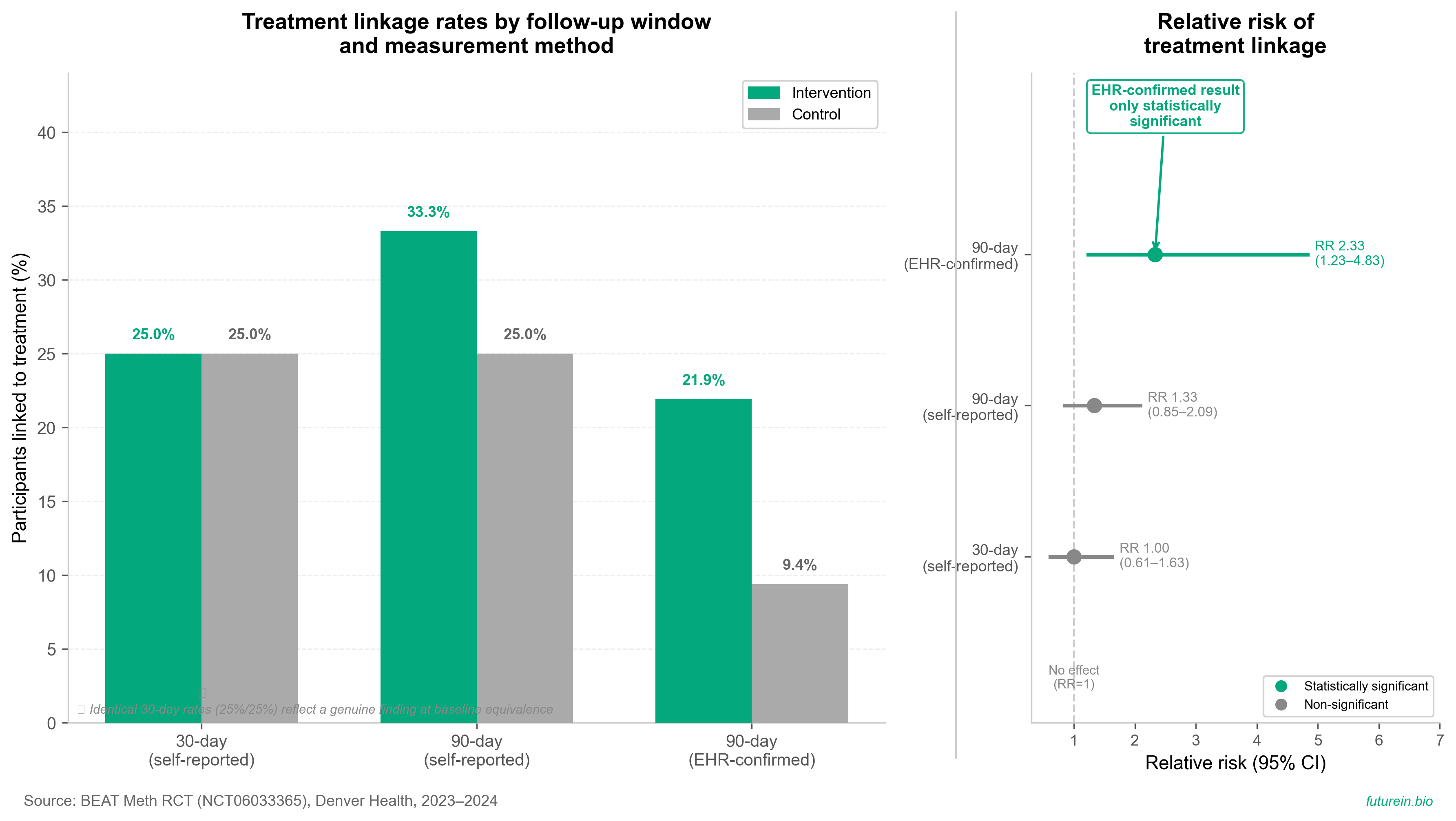
• This RCT (N=192) tested care navigation with contingency management principles vs. usual care for methamphetamine use disorder patients in a Denver safety-net setting.
• No significant treatment linkage difference was found at 30 days (25% both arms) or 90 days (33.3% vs. 25%; RR 1.33, 95% CI 0.85-2.09).
• With 31.2% of 309,274 US overdose deaths (2021-2024) involving methamphetamine and no FDA-approved medications, scalable behavioral interventions remain critically underdeveloped.
Social media health warnings show promise in discouraging teen use
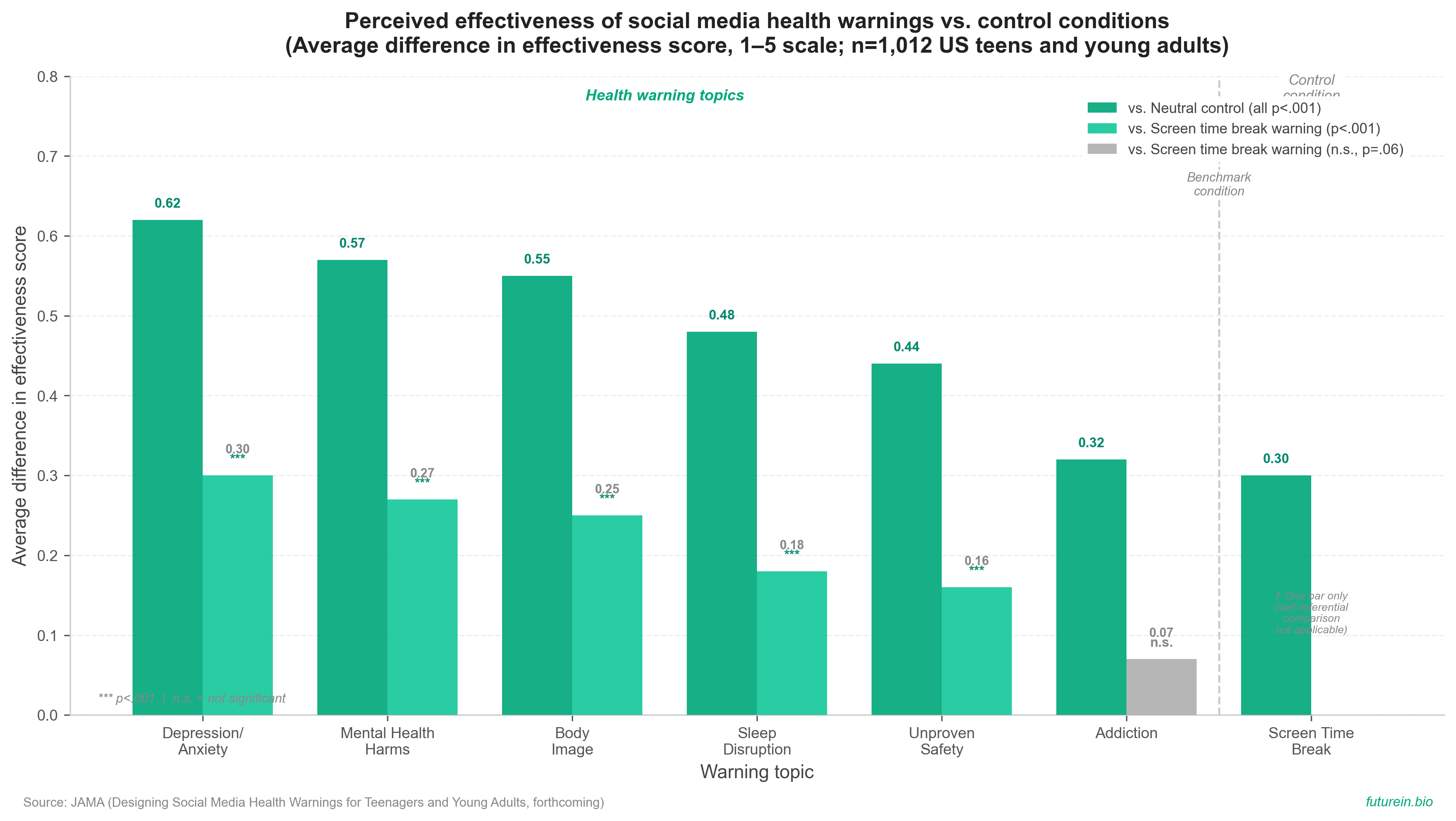
• A Stanford/UNC randomized trial (n=1,012, ages 13-29) tested 15 social media warning messages, finding all outperformed neutral controls (ADEs: 0.32–0.62 on 5-point scale).
• Health-specific warnings (depression, body image, sleep) significantly outperformed generic screen-time break warnings (ADEs: 0.16–0.30), except addiction-focused warnings (ADE: 0.07, p=.06).
• With 4 states mandating social media warnings and 90-95% teen adoption rates, evidence-based warning design could become a scalable public mental health intervention.