Theranica’s 53,000-Patient Study Proves 30-Day Longitudinal Patterns Predict Migraines with 91% Precision
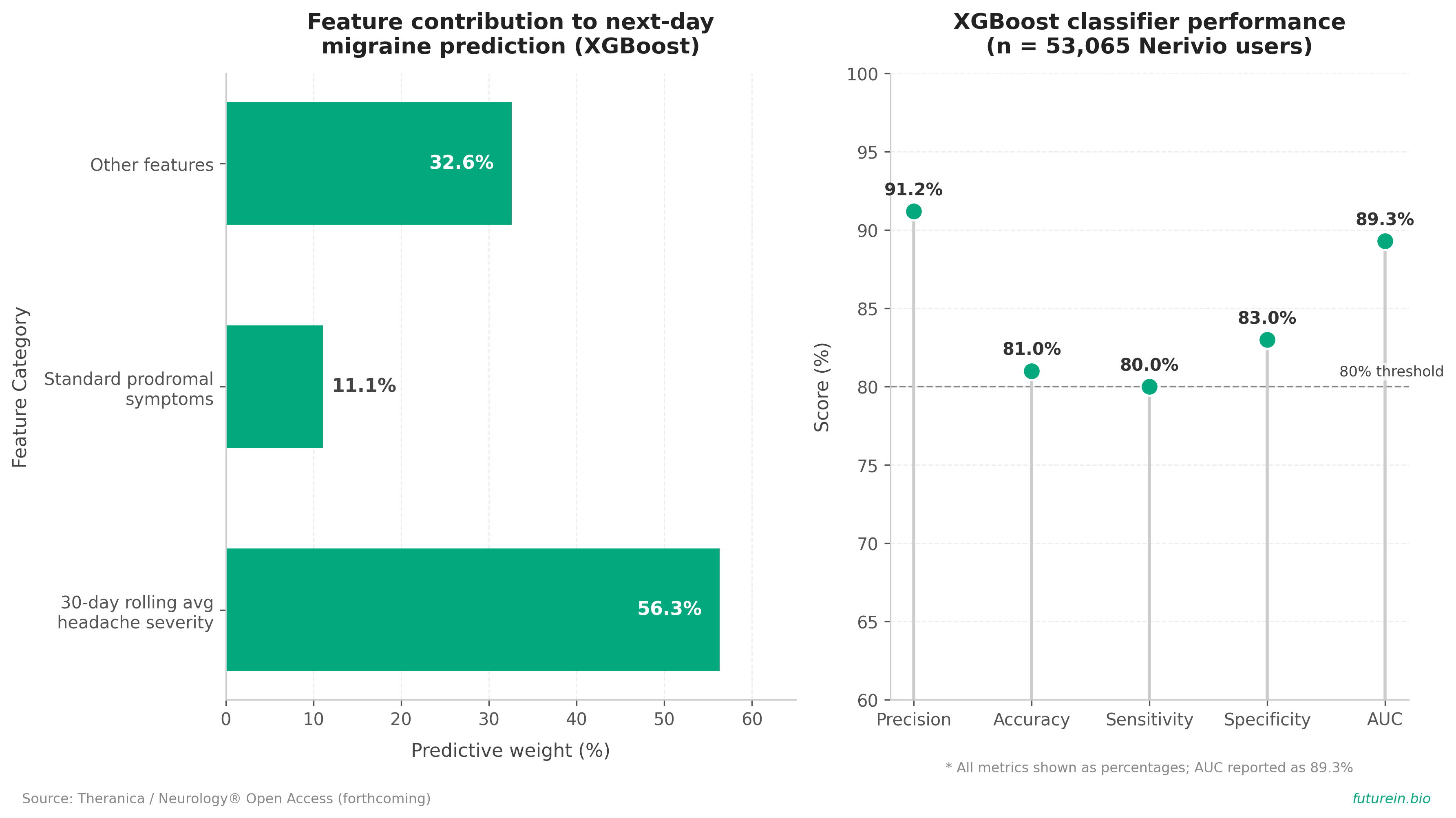
• Theranica’s XGBoost ML model analyzed 770,473 diary entries from 53,065 Nerivio users, achieving 91.2% precision, 81.0% accuracy, and 0.893 AUC for next-day migraine prediction.
• The study reframes migraine forecasting: 30-day rolling headache severity contributes 56.3% of predictive weight versus only 11.1% from traditional prodromal symptoms.
• Embedding validated ML prediction into an FDA-cleared, 158M-life-covered wearable establishes a compounding real-world evidence moat differentiating digital therapeutics from standalone health apps.
AI Decision Support for Emergency Triage of Large Vessel Occlusion Using Noncontrast Computed Tomography: Systematic Review and Bayesian Diagnostic Test Accuracy Network Meta-Analysis
• This systematic review and Bayesian meta-analysis evaluates AI decision support for large vessel occlusion (LVO) detection using noncontrast CT across four diagnostic paradigms.
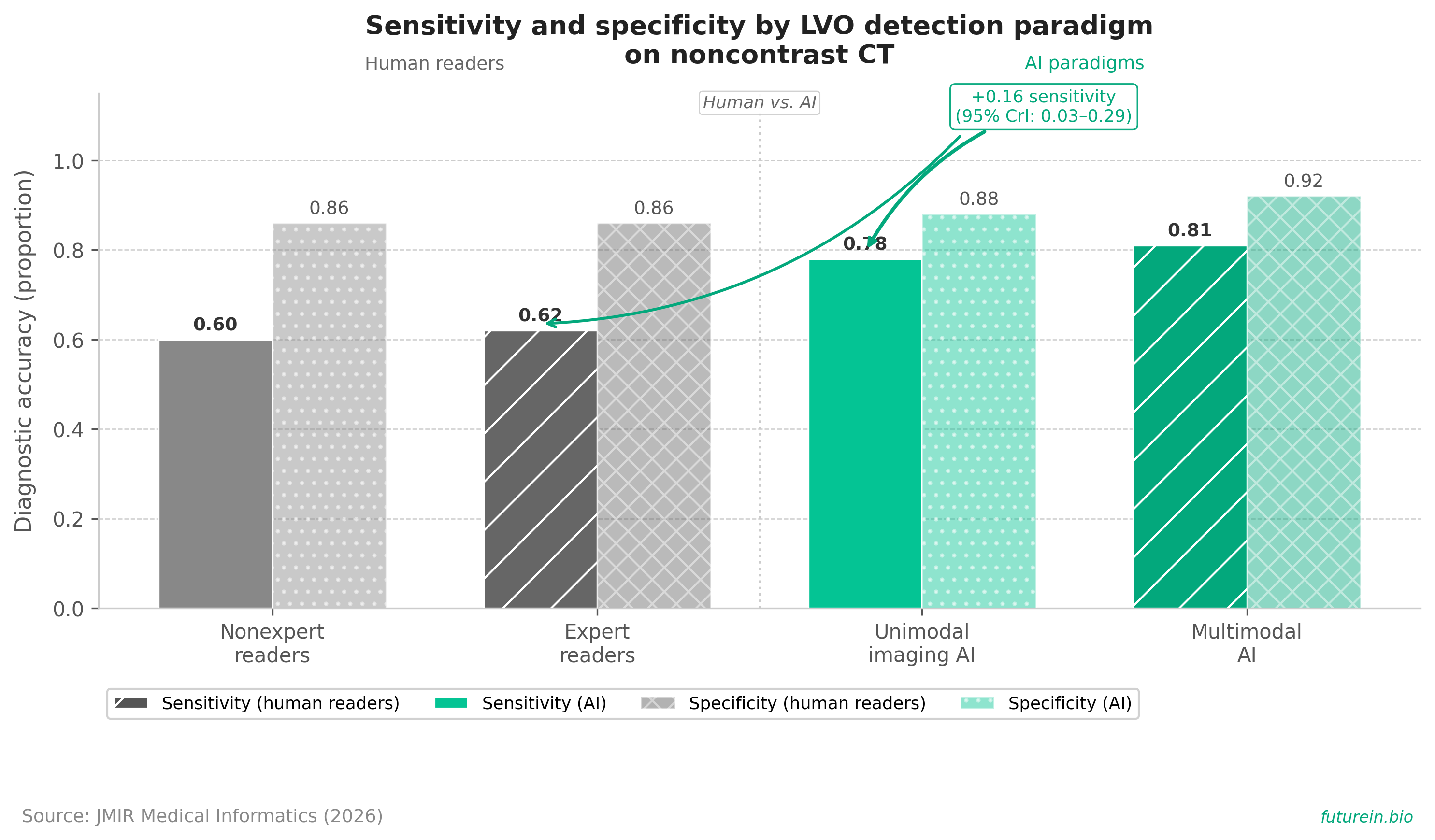
• Multimodal AI achieved 0.81 sensitivity/0.92 specificity vs. expert readers’ 0.62/0.86, with unimodal AI showing +0.16–0.18 sensitivity advantage; each 10-minute thrombectomy delay lowers favorable outcomes (OR 0.91).
• The AI stroke triage market grows from $1.41B (2024) to $4.67B (2030) at ~22% CAGR, with North America holding 45% share and recent $4.6M seed funding signaling accelerating commercialization.
A multicenter assessment of human oversight of generative AI outputs in simulated clinical decision making
• This multicenter cross-sectional study evaluated junior clinicians’ ability to detect GPT-4o hallucinations across diverse simulated clinical scenarios using a “clinician-in-the-loop” safety model.
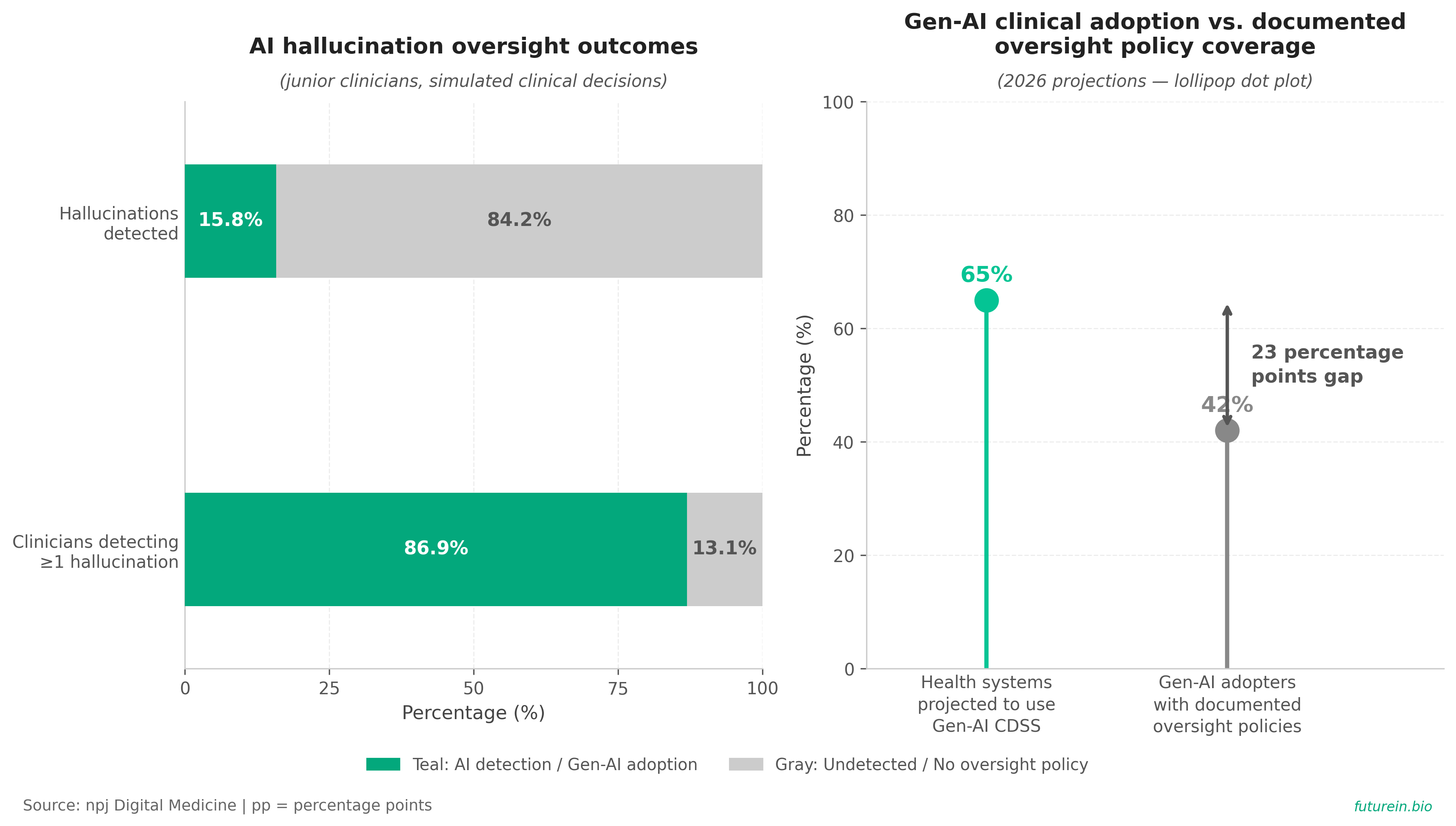
• Junior clinicians identified only 15.8% of AI hallucinations, with 13.1% detecting zero errors and detection rates failing to improve with higher clinical risk levels.
• Findings challenge the viability of current human oversight safeguards, calling for structured human-AI workflows and tiered clinical certification pathways as AI adoption in healthcare accelerates toward ~65% of health systems by 2026.
Automated Brief Hospital Course Summarization in Cardiac Surgery Using a Lightweight Large Language Model–Based Framework: Development and Evaluation Study on the Medical Information Mart for Intensive Care-IV
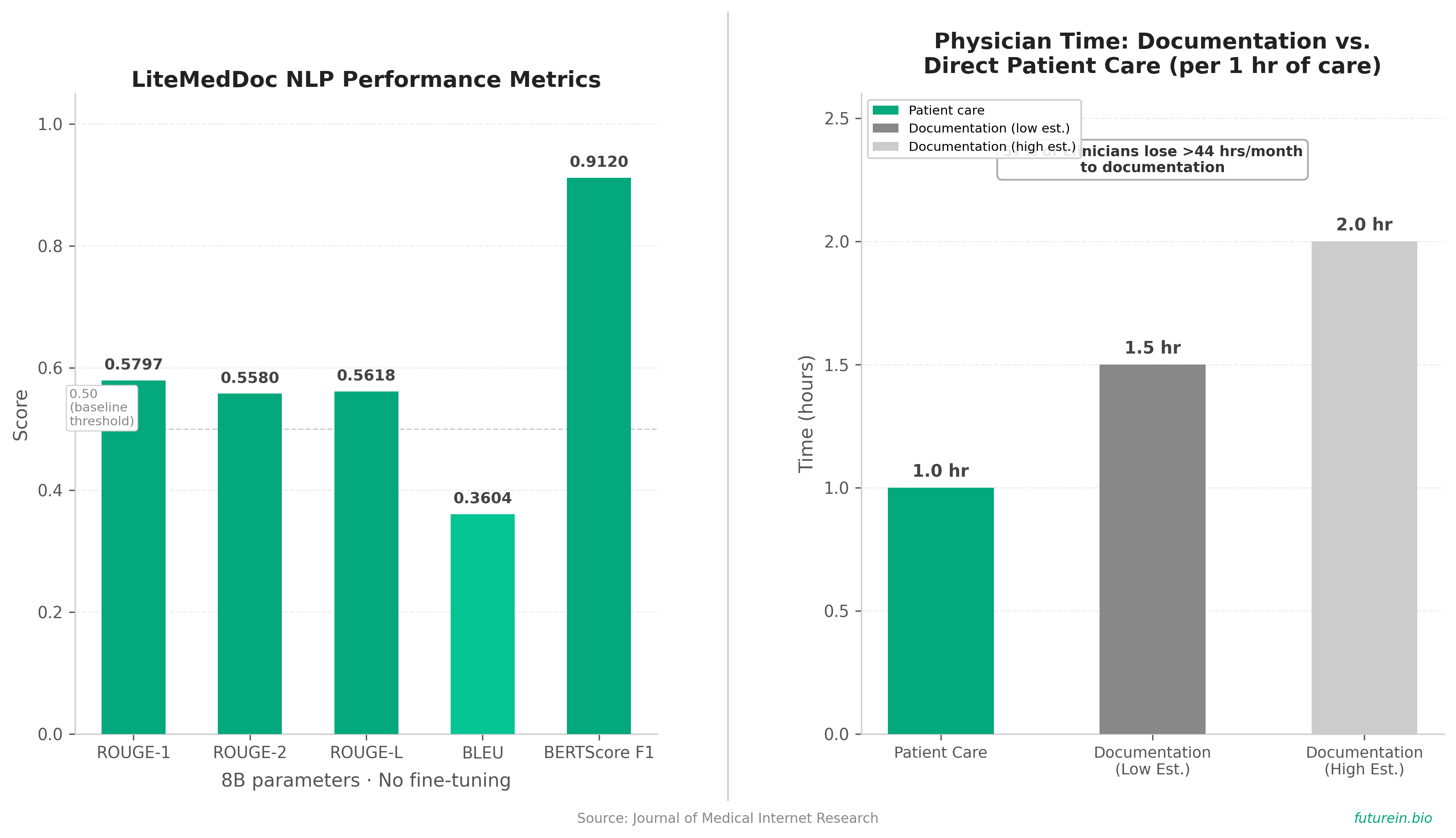
• LiteMedDoc, an 8B-parameter Llama 3.1 LLM framework, auto-generates cardiac surgery discharge summaries using 4,538 MIMIC-IV CABG cases, achieving ROUGE-1: 0.58, BERTScore F1: 0.91.
• The zero-fine-tuning model matched fine-tuned comparators and outperformed 70B-parameter models across all 8 NLP metrics, passing 5-point clinical evaluation (n=15 cardiac surgeons).
• With 57% of clinicians losing 44+ hours/month to documentation and 43.2% reporting burnout, lightweight local-deploy LLMs represent a scalable, privacy-compliant automation pathway for healthcare systems.
A Hybrid Rule-Based and Machine Learning–Based Clinical Decision Support System to Support Prescription Review: Development and External Validation Study
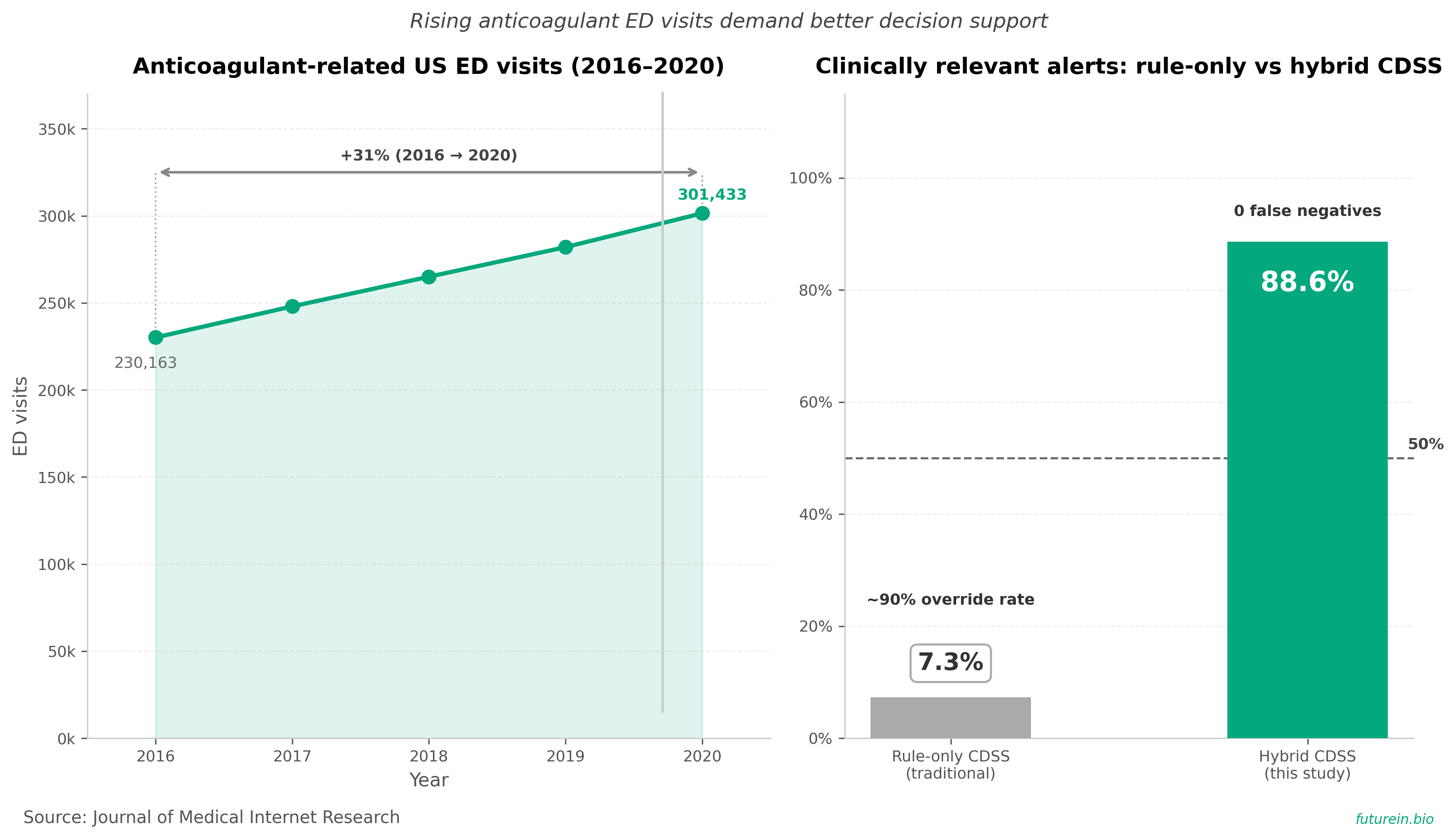
• This study developed and externally validated a hybrid rule-based/ML clinical decision support system for anticoagulant prescription review across 3 hospital sites, achieving AUC-ROC of 0.871–0.963 with zero false negatives.
• The hybrid CDSS achieved 88.6% clinical relevance and 86.4% utility, versus ~7.3% in traditional systems, with alert rates of 18.9–32.1% across validation sites.
• As anticoagulant-related ED visits grew 31% (2016–2020) and DOAC misprescribing reaches 20%, hybrid AI-rule CDSSs represent a scalable solution to the 90% alert-override crisis plaguing healthcare systems.
Causal reinforcement learning for personalized adaptive interventions in mild cognitive impairment
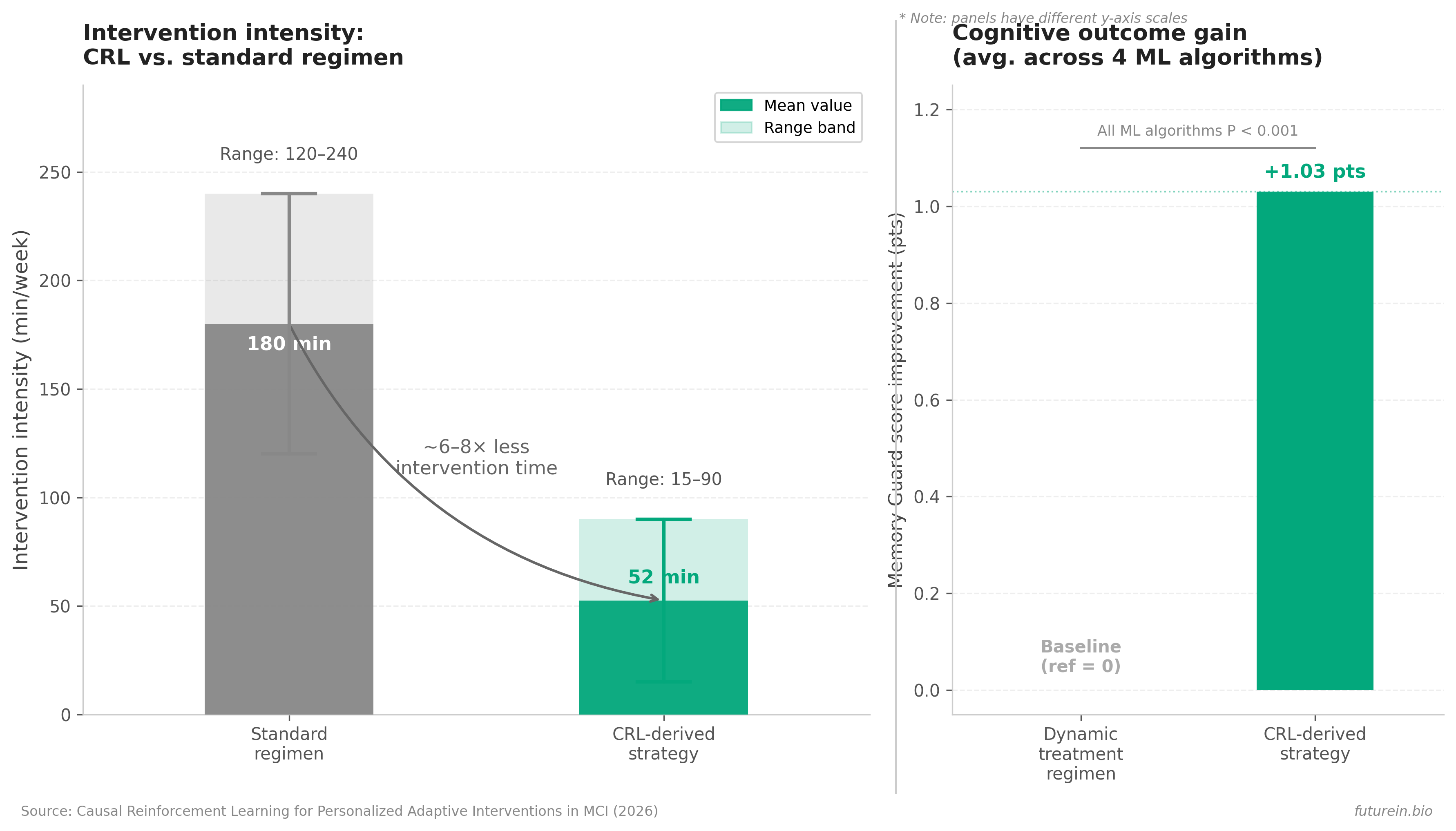
• This study developed a causal reinforcement learning framework combining T-learner ITE estimation and Conservative Q-Learning to personalize MCI interventions across 61 participants (mean age 71.0), improving cognitive scores by 1.03 points (all P<0.001) while reducing intervention intensity from 120–240 to 15–90 min/week.
• The CRL framework identified diabetes status, age, and baseline cognition as key treatment drivers via SHAP analysis, with diminished benefits in hypertensive, older, male, and higher-educated participants, enabling more targeted clinical allocation.
• Against a $2.51B MCI treatment market growing at 8.7% CAGR toward $4.89B by 2033, and 15.56% global MCI prevalence converting to dementia at 10–15%/year, AI-driven adaptive intervention platforms represent a significant commercial and clinical opportunity.
A spatially aware deep learning framework for multiscale cellular ecology profiling to predict 5-year recurrence in invasive lung adenocarcinoma
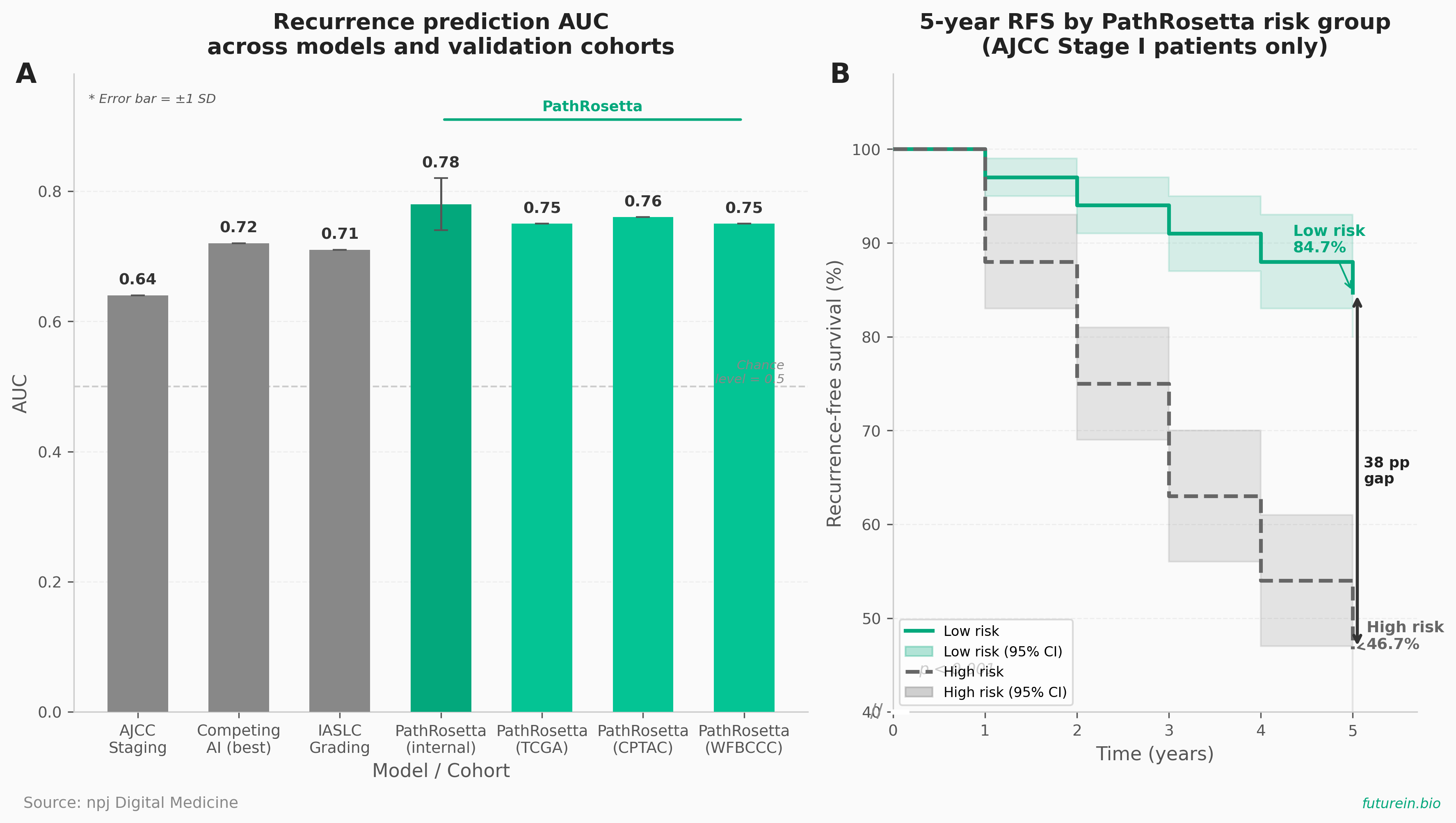
• PathRosetta, a deep learning AI framework, analyzes H&E slides from 430 patients/876 slides to predict 5-year recurrence in invasive lung adenocarcinoma with AUC 0.78.
• PathRosetta outperforms IASLC grading (AUC 0.71), AJCC staging (0.64), and competing AI models (0.62–0.72), achieving hazard ratio 9.54 and identifying Stage I high-risk patients (5-year RFS 46.7% vs. 84.7%).
• Spatially aware tumor microenvironment profiling from standard pathology slides signals a shift toward AI-driven, slide-based prognostics replacing or augmenting traditional clinical staging systems.
Hims Launches AI-Native Weight Loss Care Platform Featuring Closed-Loop Action Engine and Clinical Escalation
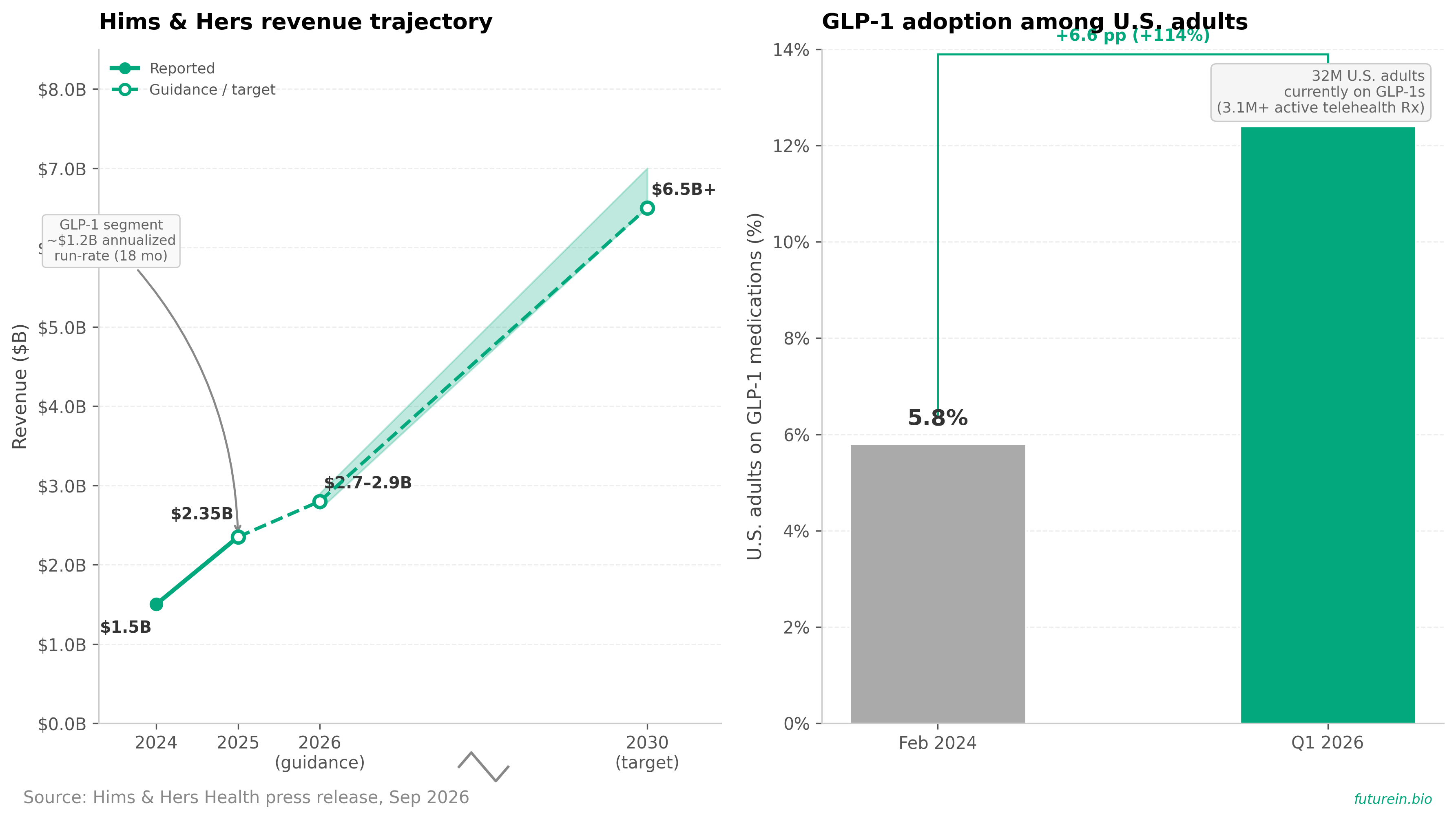
• Hims & Hers expanded its AI-native closed-loop clinical platform to weight loss members, replacing asynchronous telehealth with persistent 4-tier memory and 5-layer safety guardrails.
• The platform handles 10,000+ daily visits targeting 20,000–40,000, addressing a 68% real-world GLP-1 discontinuation rate within 12 months.
• With GLP-1 telehealth growing from $660M (2025) to $3.28B (2036) at 15.7% CAGR and 32M Americans on GLP-1s, proprietary clinical AI creates compounding data moats.
Zocdoc Launches Care Access Network to Make Providers Bookable Across Gemini, Amazon Health AI, and Search Engines
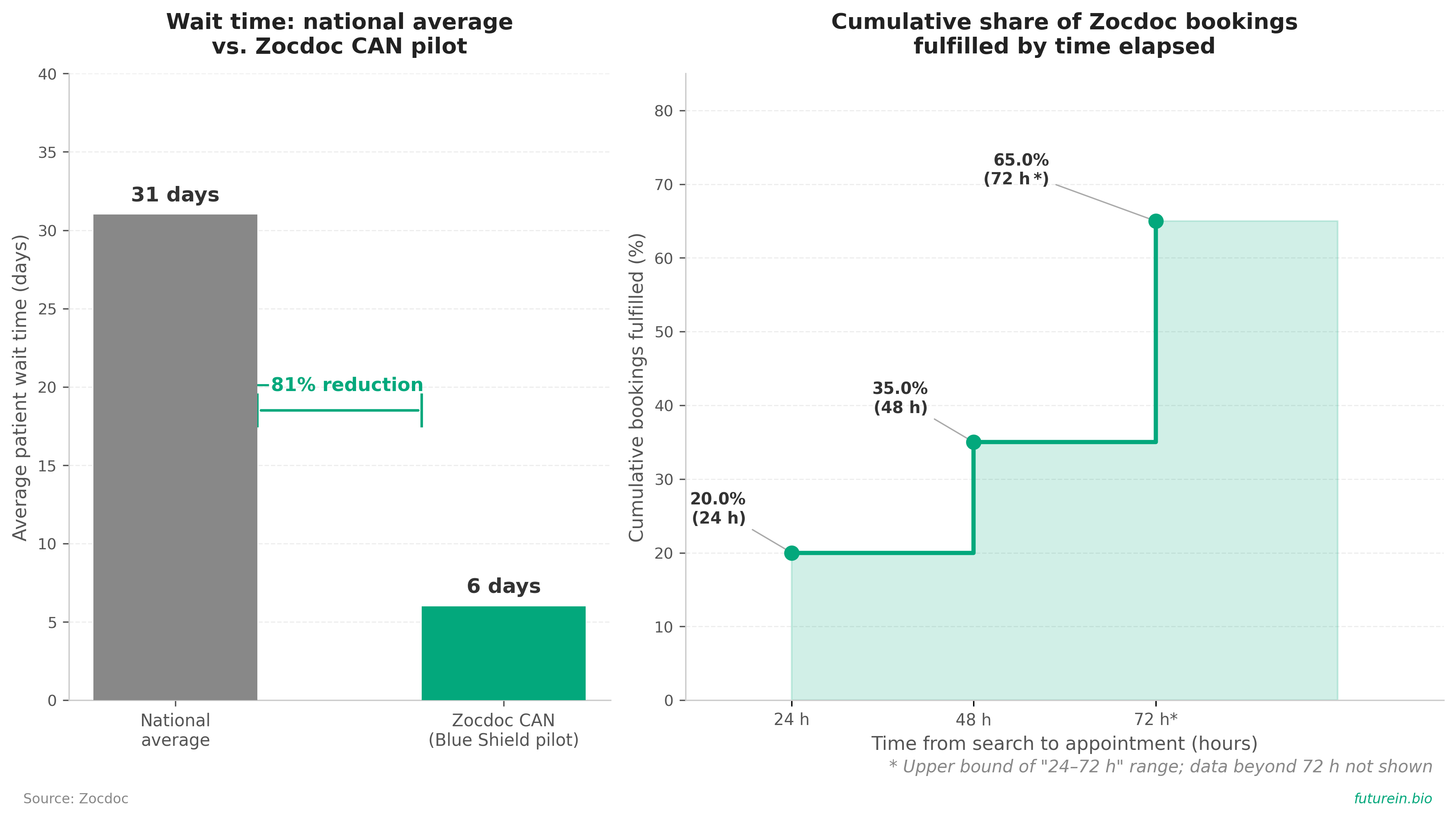
• Zocdoc launches Care Access Network, syndicating real-time provider booking across Google Gemini, Amazon Health AI, Yelp, Healthgrades, and insurance directories via single integration.
• Blue Shield of California pilot delivered 7x appointment increase, +2M bookable hours, and reduced wait times from 31 days to 6 days within 90 days.
• With 65% of patients using AI to initiate care and 200,000 providers across 10,000+ insurance plans, Zocdoc positions as the transactional infrastructure layer for AI-driven healthcare navigation.
Design and implementation of an EMR-embedded integrated cardio-cerebrovascular registry platform
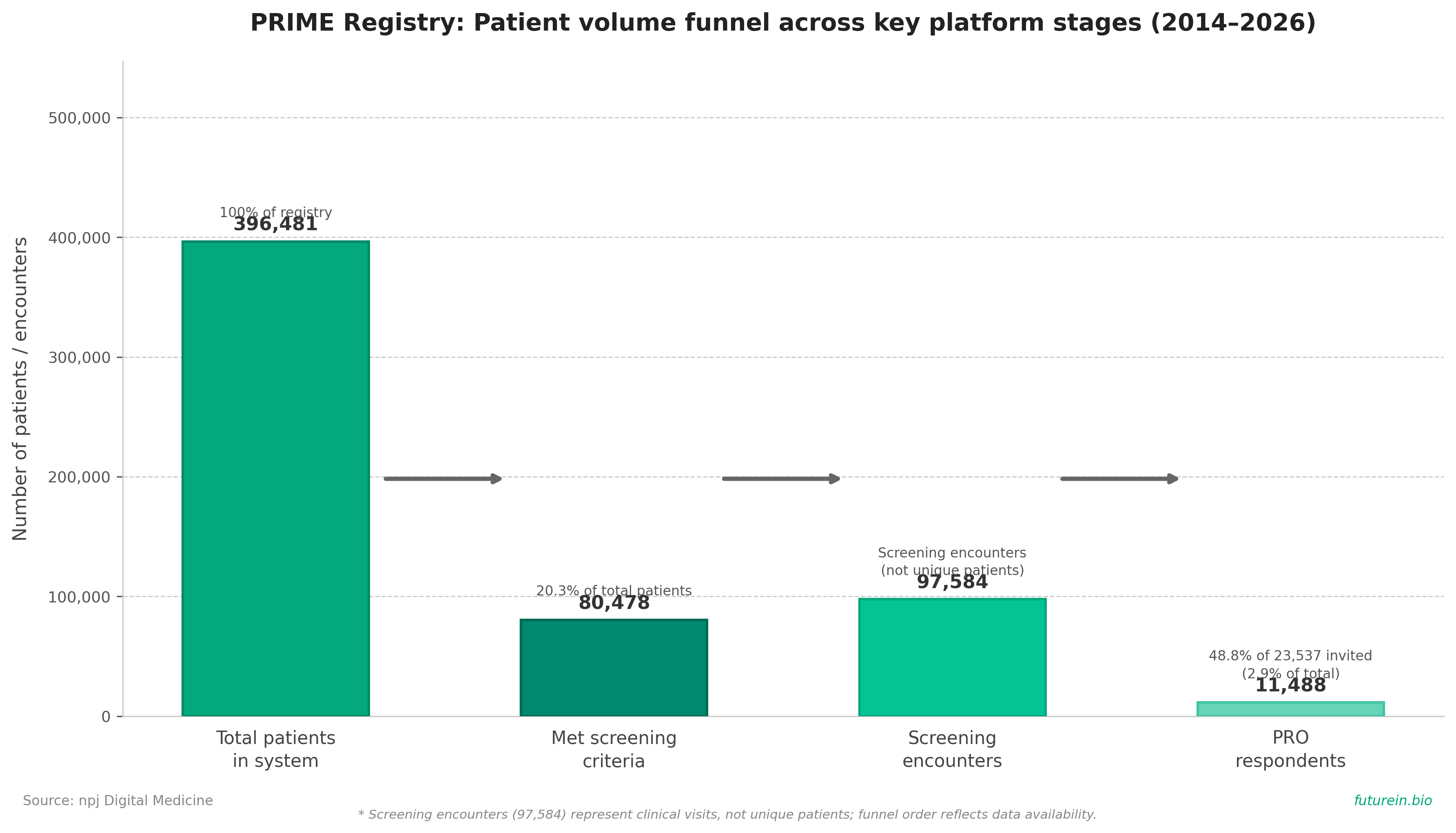
• Researchers at Samsung Medical Center built an EMR-embedded cardio-cerebrovascular registry (PRIME, NCT07393412) spanning 9 clinical areas, 27 modules, and 396,481 patients (2014–2026).
• The platform screened 80,478 patients across 97,584 cases, achieving 48.8% mobile patient-reported outcomes response rate (11,488/23,537 individuals).
• Integrating structured EMR extraction, harmonized variables (2,633 rows, 329 cross-module), and PROs into routine care advances scalable real-world evidence infrastructure for cardiovascular research.
Overseeing Agentic AI in Medicine From First Principles
• This JAMA Forum article proposes 6 regulatory principles for overseeing agentic AI in medicine, which is currently outpacing oversight frameworks.
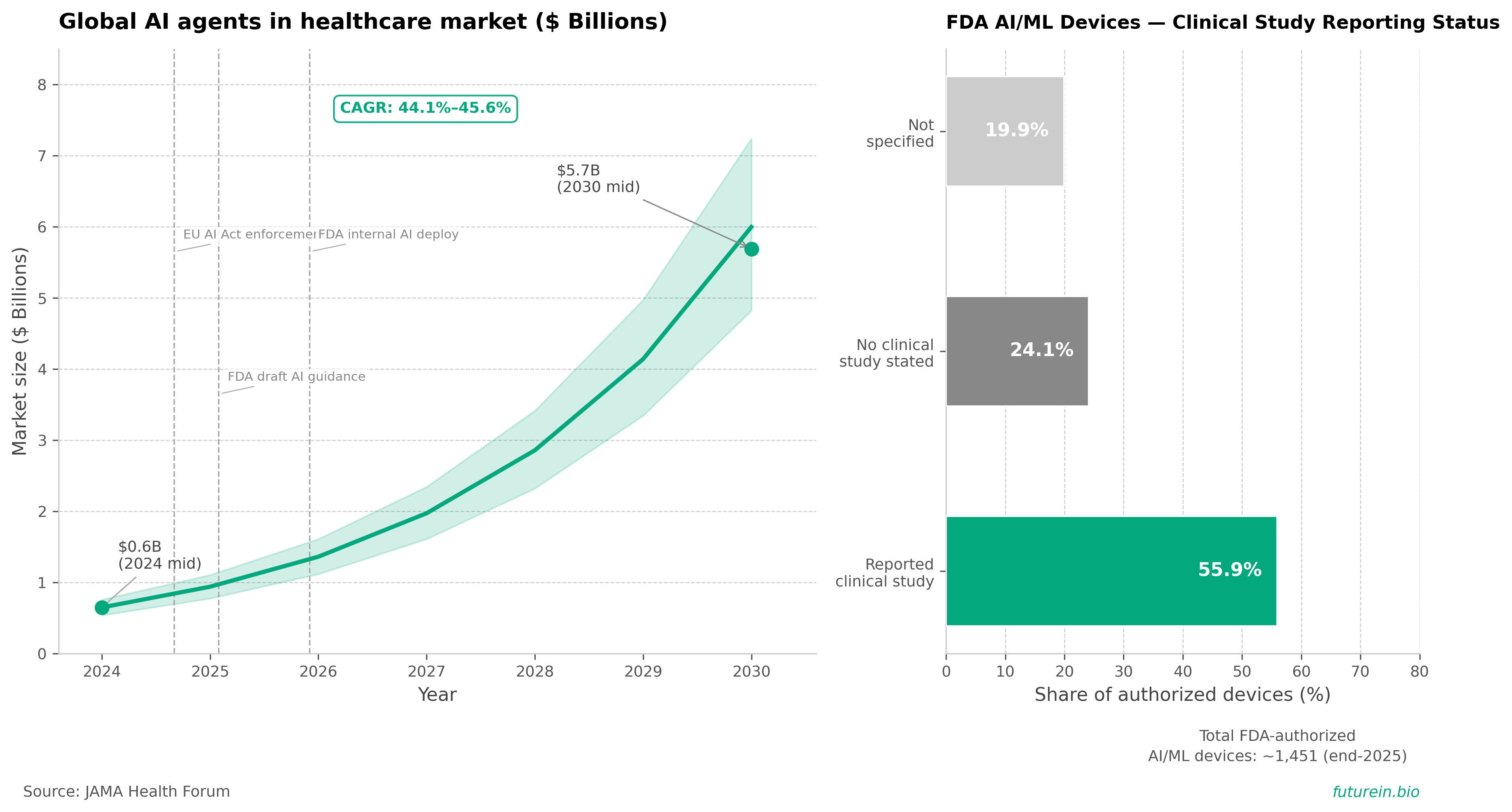
• With 1,451 FDA-authorized AI devices by end-2025 but only 55.9% backed by clinical studies, regulatory gaps pose immediate patient safety risks.
• The healthcare agentic AI market is projected to grow from $760M (2024) to $6.92B by 2030 (44.1% CAGR), demanding scalable, adaptive governance frameworks.
Clinical Surveillance Technologies in Nonintensive Care Unit Hospital Settings: Systematic Review and Bayesian Network Meta-Analysis of Randomized Trials
• This systematic review and Bayesian network meta-analysis evaluated clinical surveillance technologies (CSTs) for patient monitoring in non-ICU hospital settings across randomized trials.
• CSTs demonstrated measurable reductions in adverse events in general ward settings, with network meta-analysis enabling comparative effectiveness rankings across multiple monitoring modalities.
• Findings support long-term adoption of continuous CST platforms beyond ICUs, aligning with broader healthtech trends toward predictive, real-time monitoring infrastructure in standard care units.
Continuous Glucose Monitoring Alert Settings and Glycemic Control
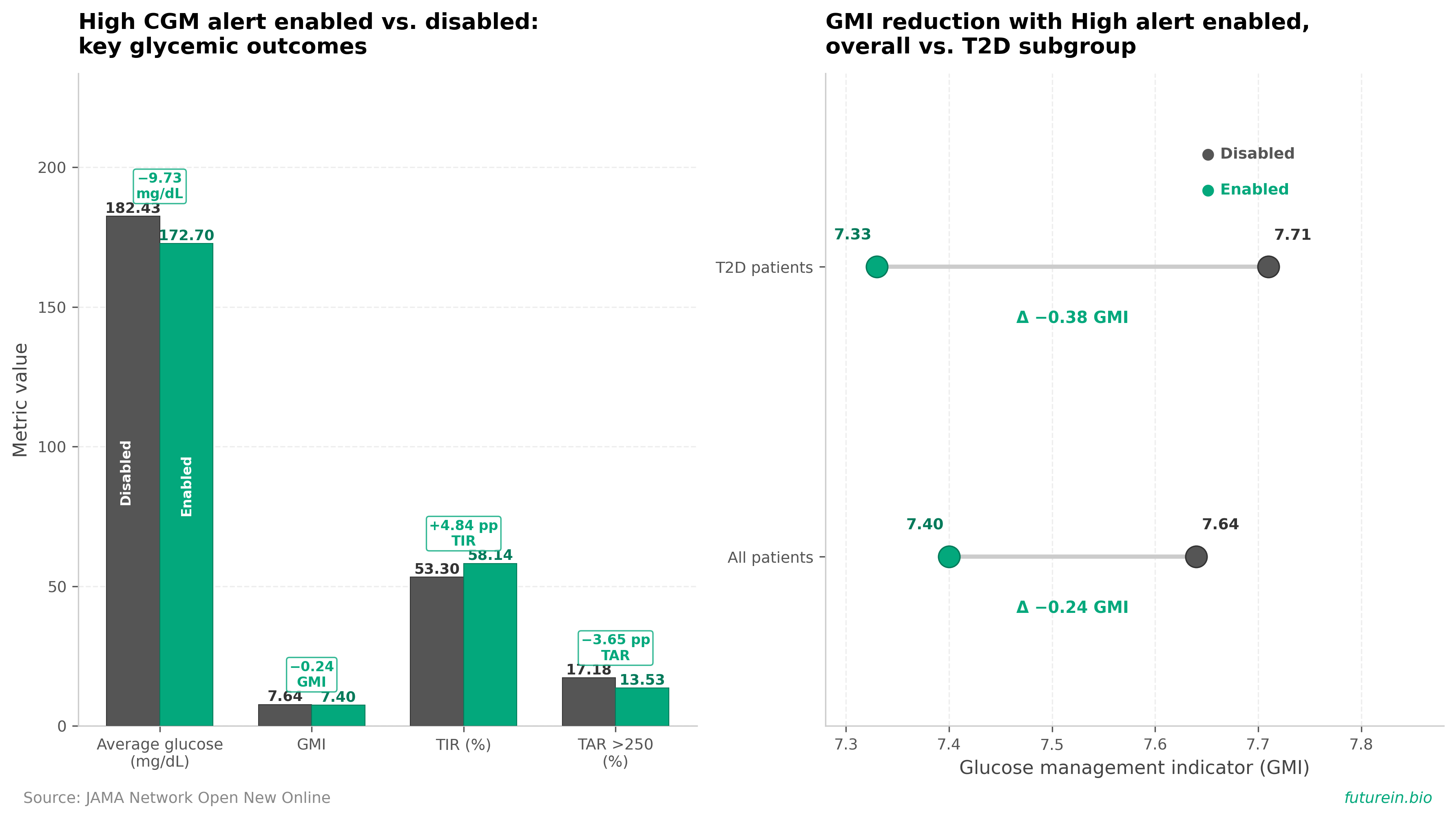
• This retrospective cohort study (n=2,387; 35.4% T1D, 63.7% T2D) examined how Dexcom G6 CGM alert settings associate with glycemic outcomes.
• Enabling high glucose alerts correlated with 9.72 mg/dL lower average glucose, 0.24 lower GMI, and 4.84% higher time-in-range versus disabled alerts.
• Optimal CGM alert configuration—particularly lower high-alert thresholds (100–400 mg/dL range)—emerges as a modifiable, low-cost lever for improving population-level glycemic control.
FDA adcomm votes in favor of benefit-risk of Grail’s cancer test
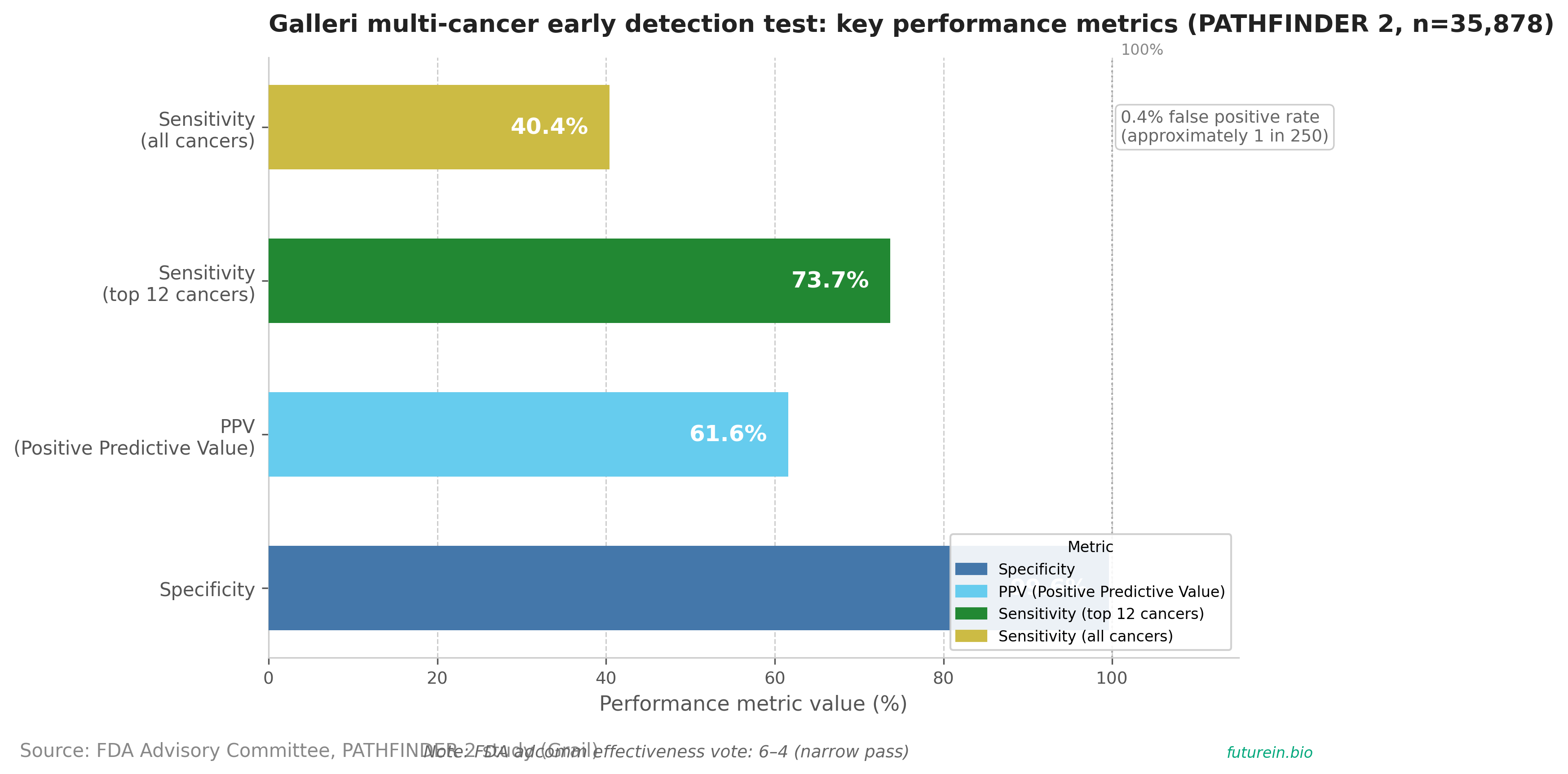
• An FDA advisory committee voted 7-2-1 to support Galleri’s benefit-risk profile, with unanimous 10-0 safety approval but narrow 6-4 effectiveness vote.
• Galleri’s PATHFINDER 2 data (35,878 participants) showed 99.6% specificity and 73.7% sensitivity for 12 deadliest cancers, with 61.6% positive predictive value.
• Multi-cancer early detection tests detecting 6.5x more cancers than standard screening signal a transformative shift in oncology diagnostics, pending FDA’s final regulatory decision.
Enabling equitable global health AI with privacy‑enhancing technologies
• This npj Digital Medicine Perspective examines how privacy-enhancing technologies (PETs) can enable collaborative health AI model development across low-resource global settings without centralizing sensitive patient data.
• Federated learning demonstrated 89.6% sensitivity and 66.8% specificity for HIV viral load prediction in LMICs, completing training in under 1 hour on modest hardware with minimal accuracy trade-offs from differential privacy.
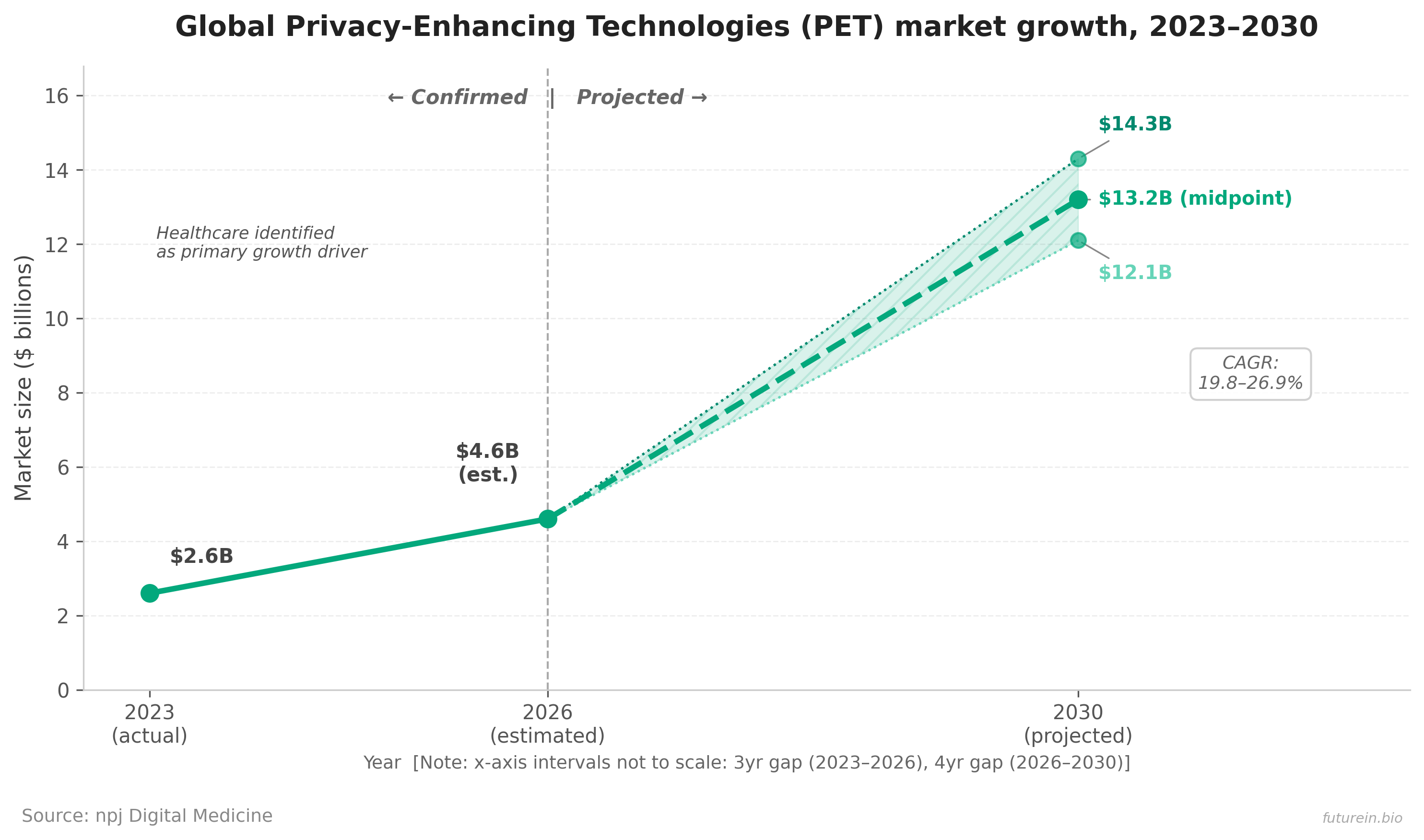
• The PET market is projected to grow from $4.33B (2025) to $14.3B (2030) at 26.9% CAGR, yet North America commands ~39% of revenue while LMICs — carrying the greatest disease burden — remain critically underserved.