Rapid patient-specific neural networks for X-ray to volume registration
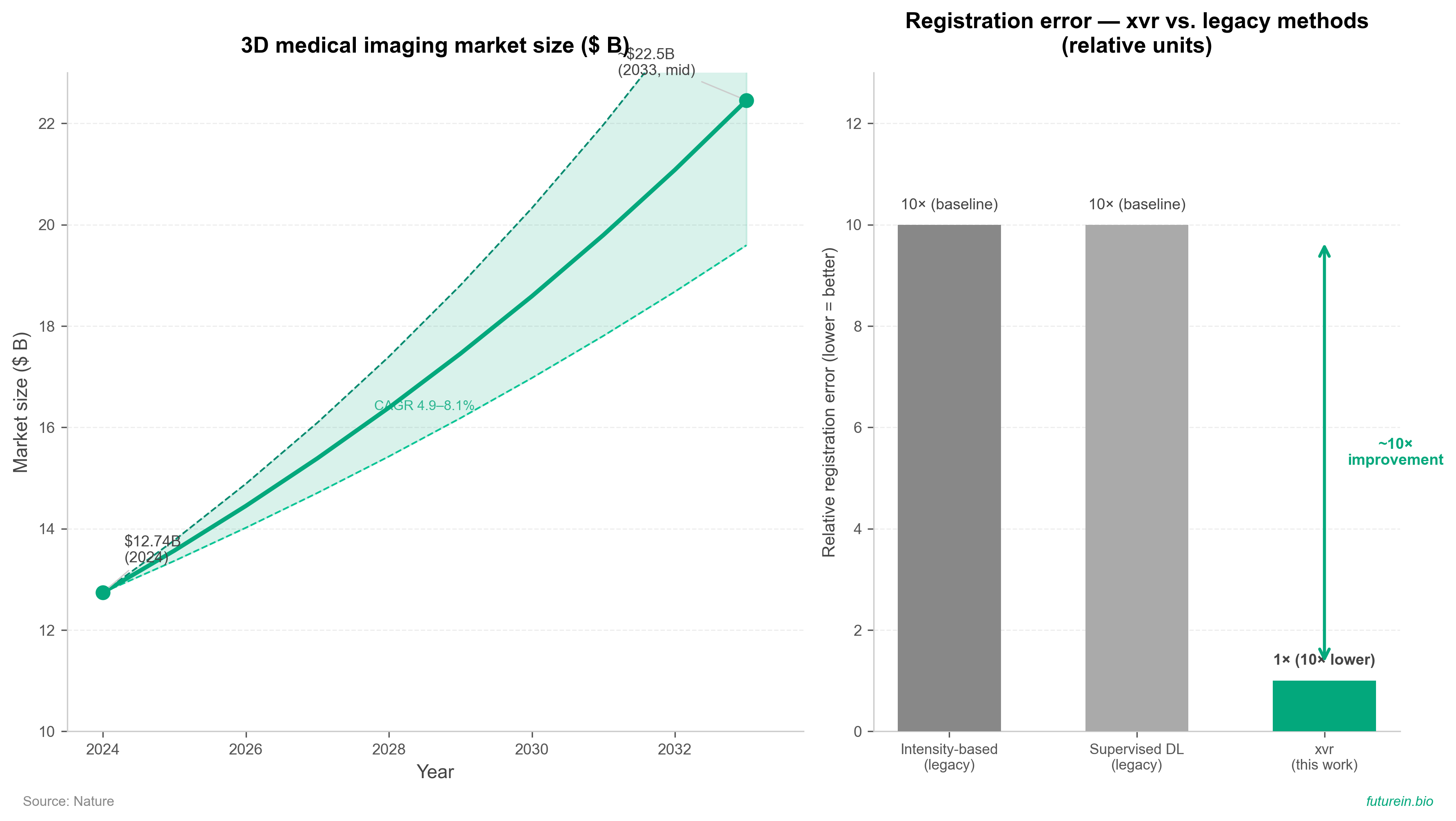
• xvr is a self-supervised AI framework achieving pan-anatomical 2D X-ray to 3D CT/MRI registration with ~10× accuracy improvement over existing methods in seconds.
• Patient-specific neural network fine-tuning requires only 5 minutes with zero manual annotation, enabling real-time intraoperative surgical navigation across diverse anatomical structures.
• xvr targets a $12.74B global 3D medical imaging market (8.11% CAGR through 2030), positioning AI-driven zero-annotation registration as a core surgical robotics workflow layer.
Monitoring Changes in Clinical Trial Primary Outcomes Using Large Language Models
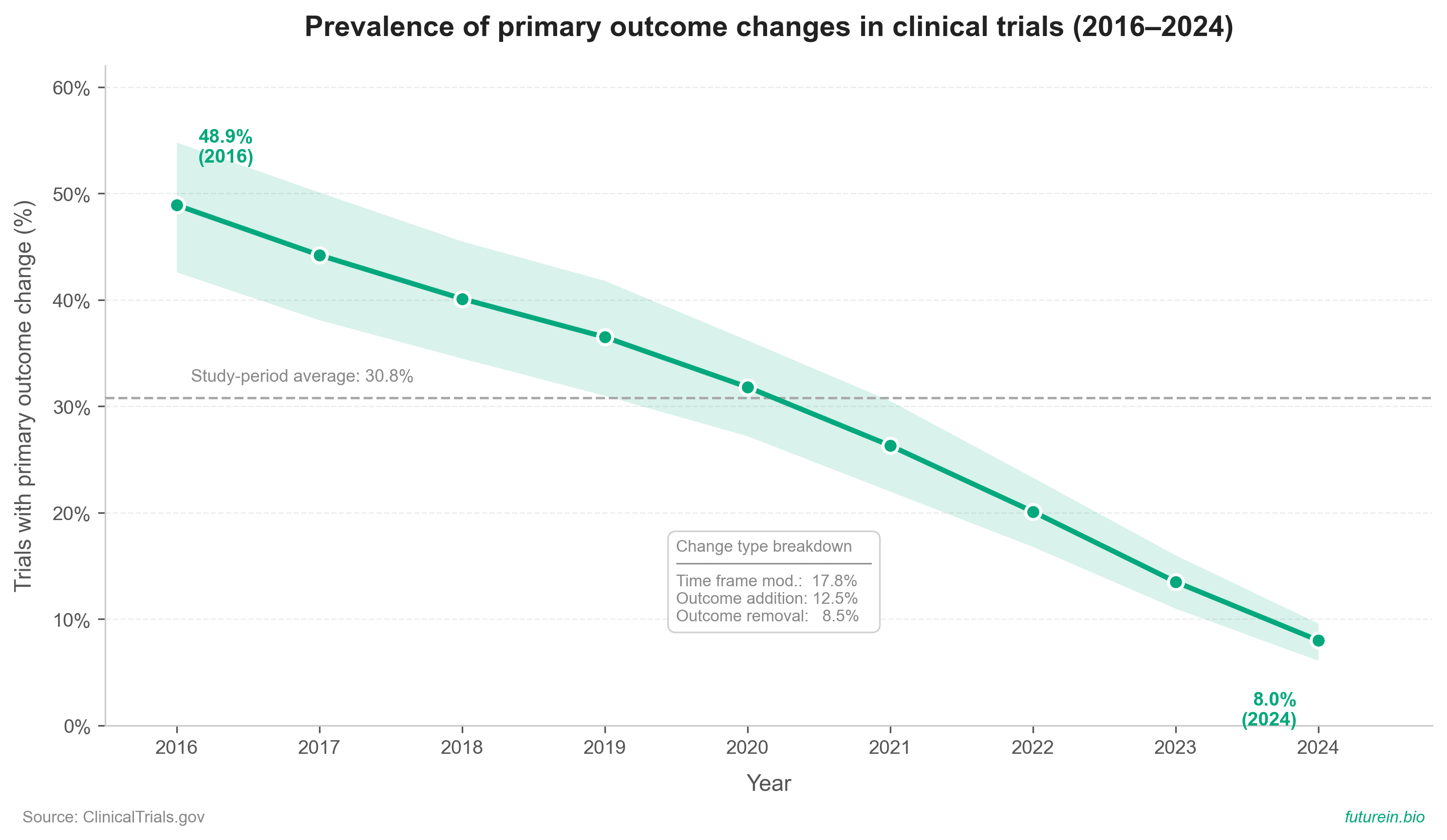
• This study used GPT-5 mini to classify primary outcome changes across 15,199 FDA-regulated clinical trials registered on ClinicalTrials.gov (2015–2024).
• 30.8% of trials had meaningful outcome changes post-enrollment; industry-funded trials showed 32% higher odds (aOR 1.32) of switching.
• Declining change rates (48.9% in 2016 → 8.0% in 2024) and LLM scalability signal viable automated regulatory transparency monitoring infrastructure.
Sex-specific biological aging clocks across organs and omics
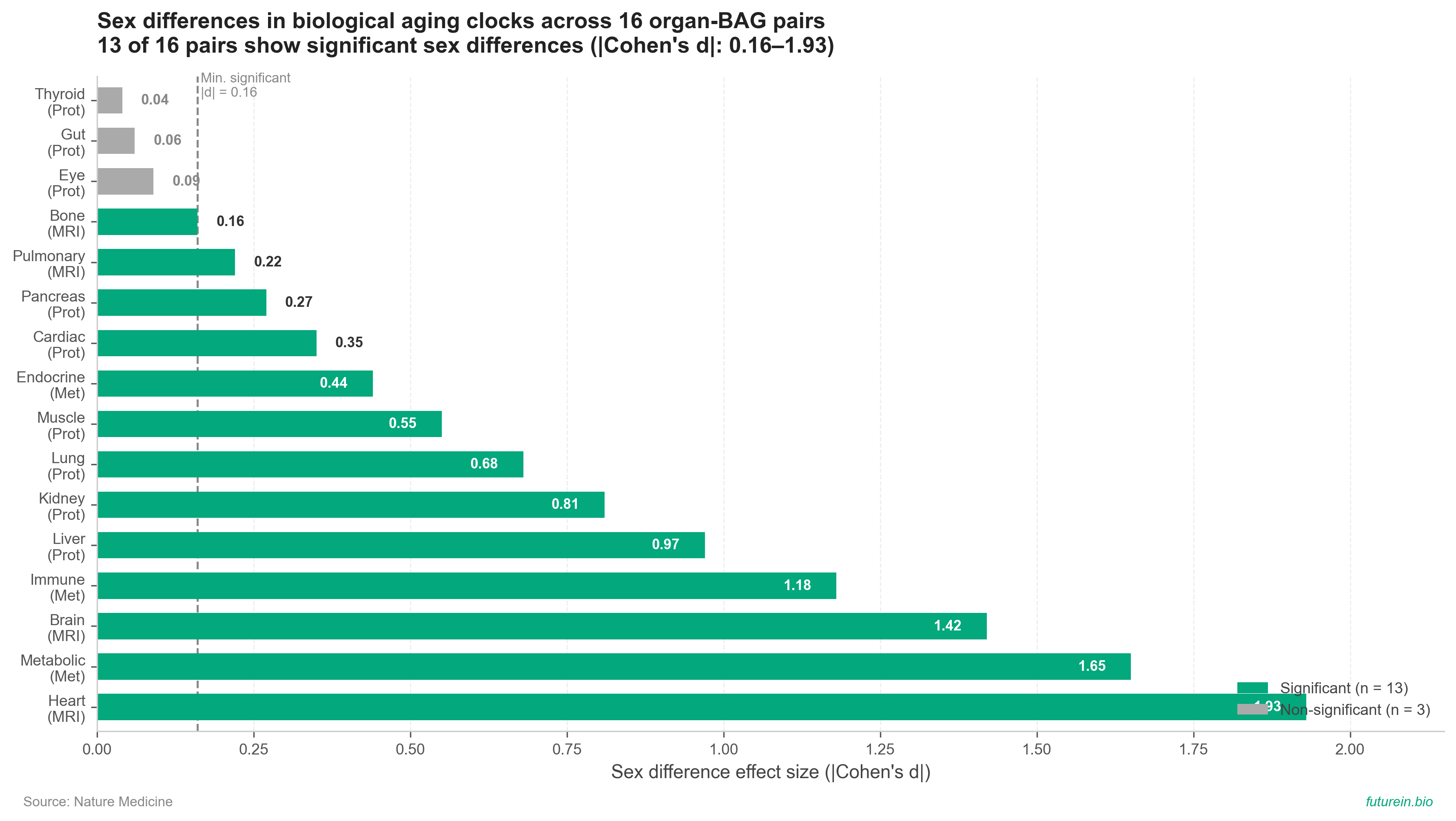
• Researchers developed 38 sex-specific biological aging clocks across 15 organ systems using proteomics, metabolomics, and MRI data, replacing sex-pooled models.
• Sex-stratified clocks achieved ~5-year MAE accuracy, identified 359 genomic loci, and predicted mortality, AD progression, and disease onset with sex-dependent hazard ratios of 1.25–3.9.
• Explicit sex stratification in AI aging models reveals hidden genetic, molecular, and clinical signatures critical for precision medicine and clinical trial design in aging and neurodegeneration.
Identification of broadly tumour-reactive γδ TCRs from multiple myeloma
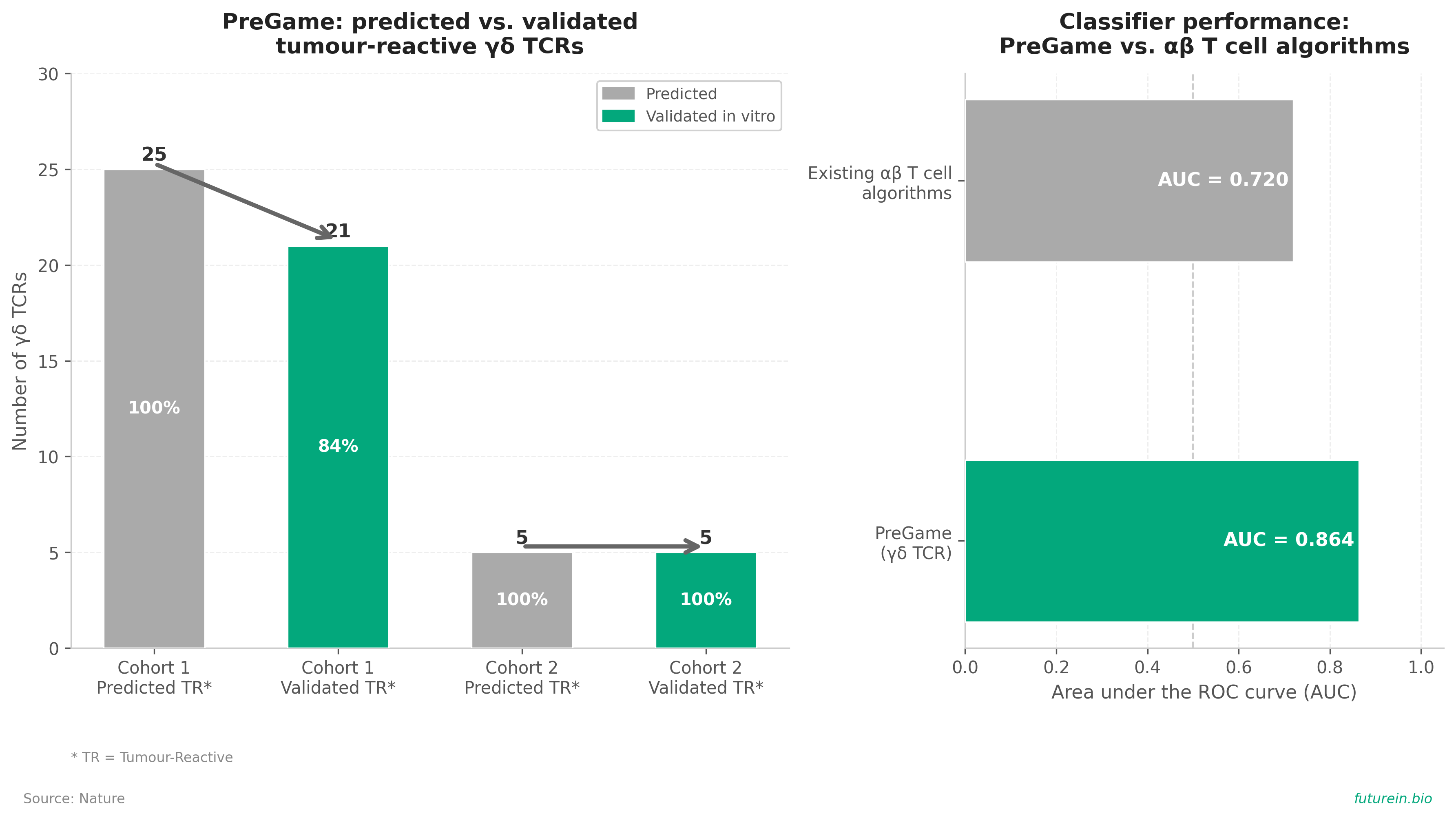
• Researchers developed PreGame, an ML algorithm (AUC=0.864) identifying tumor-reactive γδ TCRs from single-cell CITE-seq data across 22 multiple myeloma patients.
• Expanded δ TCR cfDNA abundance at cycle 2 (day 28) is a significant early biomarker of progression-free survival in belantamab mafodotin combination therapy.
• Identified broadly cross-reactive γδ TCRs targeting HLA-C across multiple cancer types enable HLA-independent universal T cell therapy development without patient matching.
Inclusive Digital Health Strategies for Persons With Disabilities
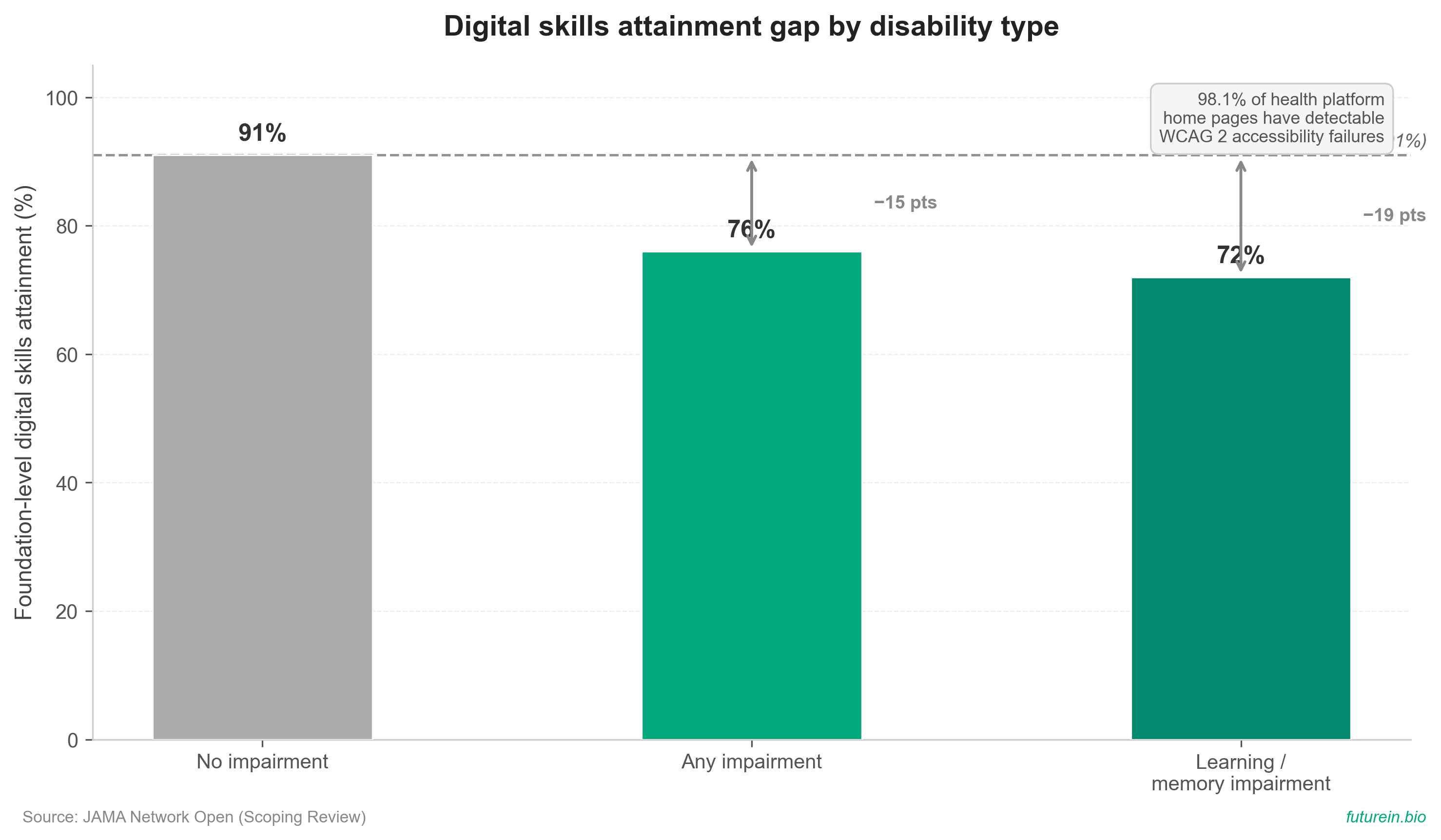
• This JAMA scoping review of 80 documents (2019–2025) examines digital health equity strategies for 1.3 billion people globally living with disabilities.
• 98.1% of digital health platforms fail WCAG 2 accessibility standards, costing inaccessible businesses $6.9B annually, while inclusive design trials showed 100% eHealth literacy improvement.
• Participatory codesign, representative AI datasets, and government-mandated accessibility standards are critical as disability prevalence rises with aging populations and noncommunicable disease burden.
Access to Broadband, Ambulance Services, and Health Care and Implications for Telehealth
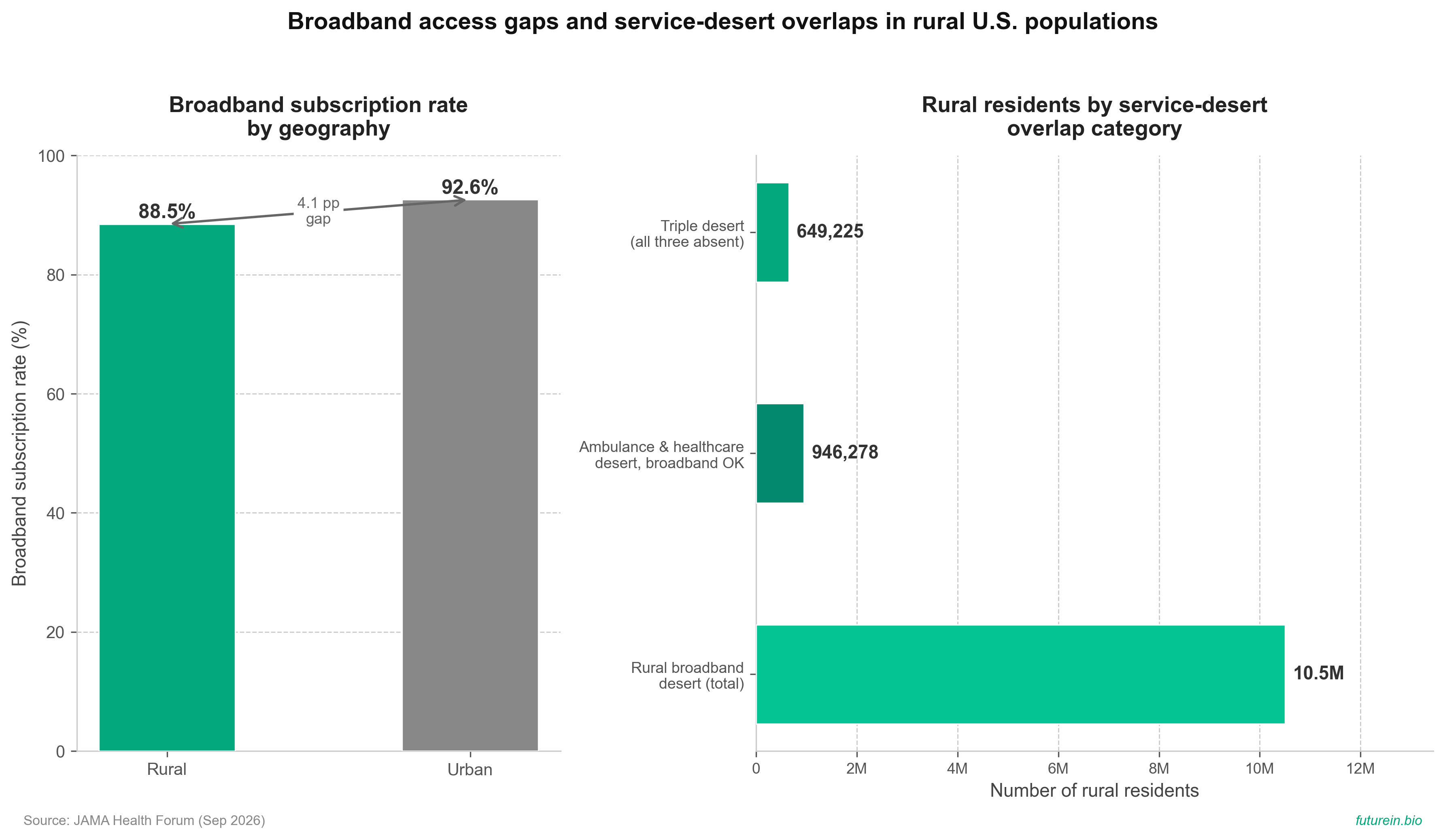
• This cross-sectional study of 249.1M people across 41 states maps overlapping “deserts” of broadband (<100/20 Mbps), ambulance (>25-min), and healthcare (>30-min) access.
• 11.9M people lack adequate broadband for telehealth (88% rural); 649,225 lack all three services simultaneously, with Western states most impacted at 6.7% rural triple-desert overlap.
• Rural broadband subscription rates (88.5%) lag urban (92.6%), and with $65B infrastructure investment and ACP discontinued June 2024, telehealth’s role as rural healthcare’s primary bridge remains structurally constrained.
SPLENDID incorporates continuous genetic ancestry in biobank-scale data to improve polygenic risk prediction across diverse populations
• SPLENDID is a penalized regression framework modeling genetic ancestry as a continuum to improve polygenic risk scores across 564,504 individuals (AoU n=224,364; UKBB n=340,140) spanning 9 traits.
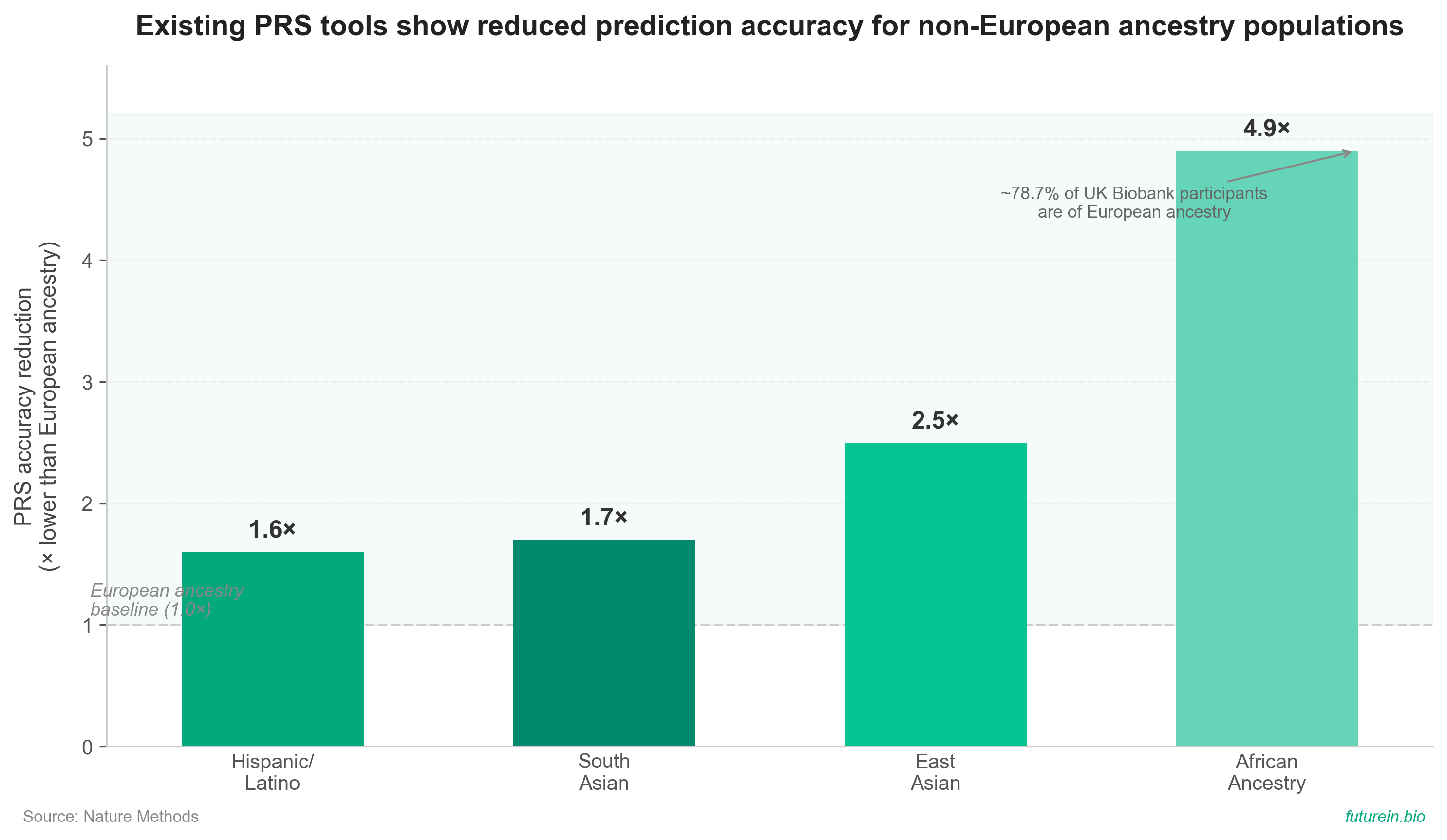
• SPLENDID significantly outperforms existing PRS methods for non-European and admixed populations, addressing accuracy gaps of up to 4.9× lower in African-ancestry individuals versus Europeans.
• As biobanks diversify beyond current ~80% European-ancestry composition, ancestry-continuous PRS frameworks will be essential for equitable clinical genomic risk stratification globally.
Scalable near-real-time Bayesian phylogenetics for outbreaks with Delphy
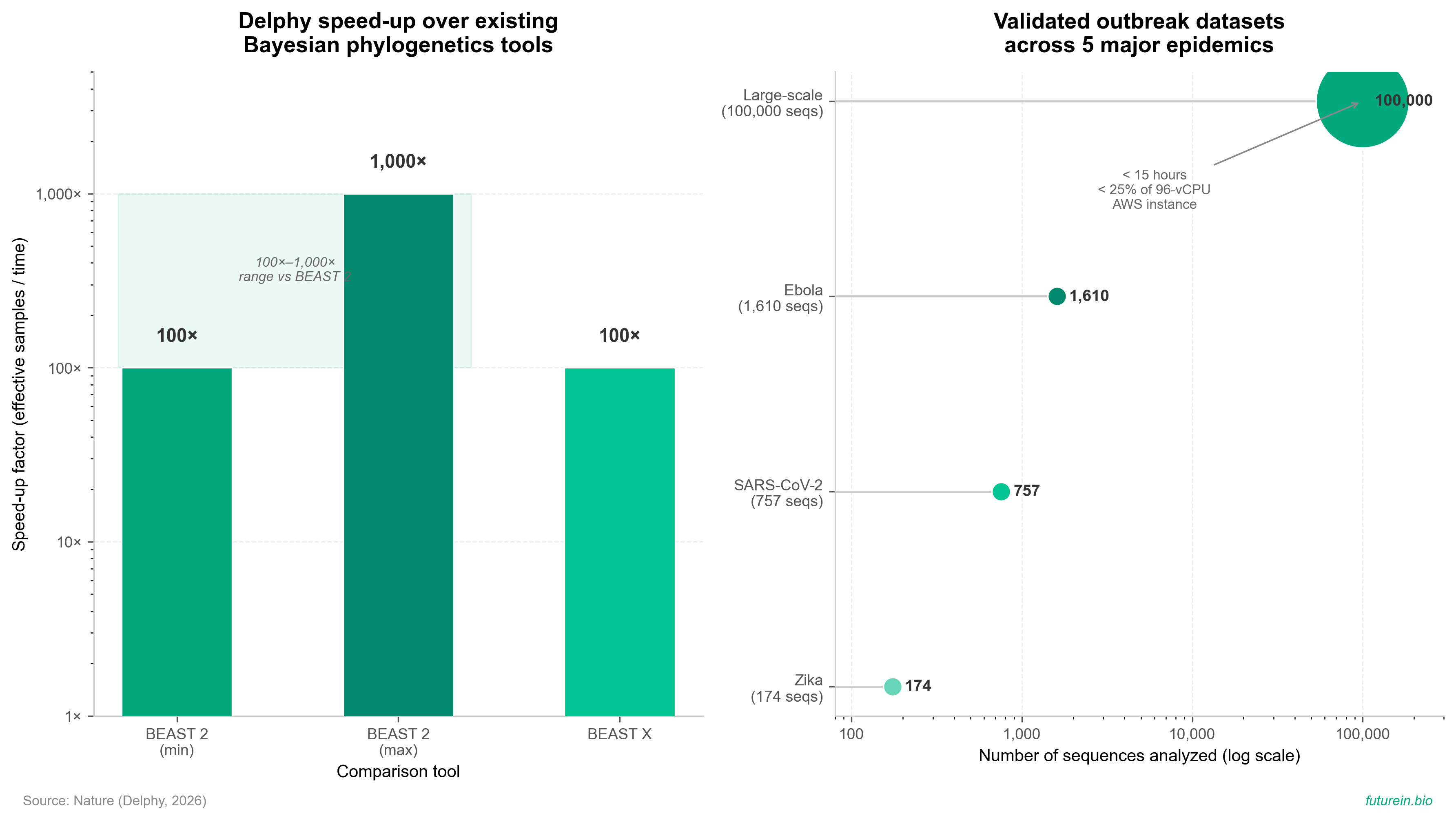
• Delphy is a new Bayesian phylogenetic tool using explicit mutation-annotated trees (EMATs) to analyze outbreak pathogen genomes 100×–1,000× faster than BEAST2/BEAST X.
• Delphy analyzed 100,000 sequences in under 15 hours on 96 vCPUs, validated across Ebola, Zika, SARS-CoV-2, mpox, and H5N1 datasets with equivalent statistical accuracy.
• Browser-based, no-install deployment with local data processing positions Bayesian phylogenetics as a scalable frontline tool for real-time global outbreak surveillance democratization.
A versatile nanopore identifies four classes of analytes simultaneously
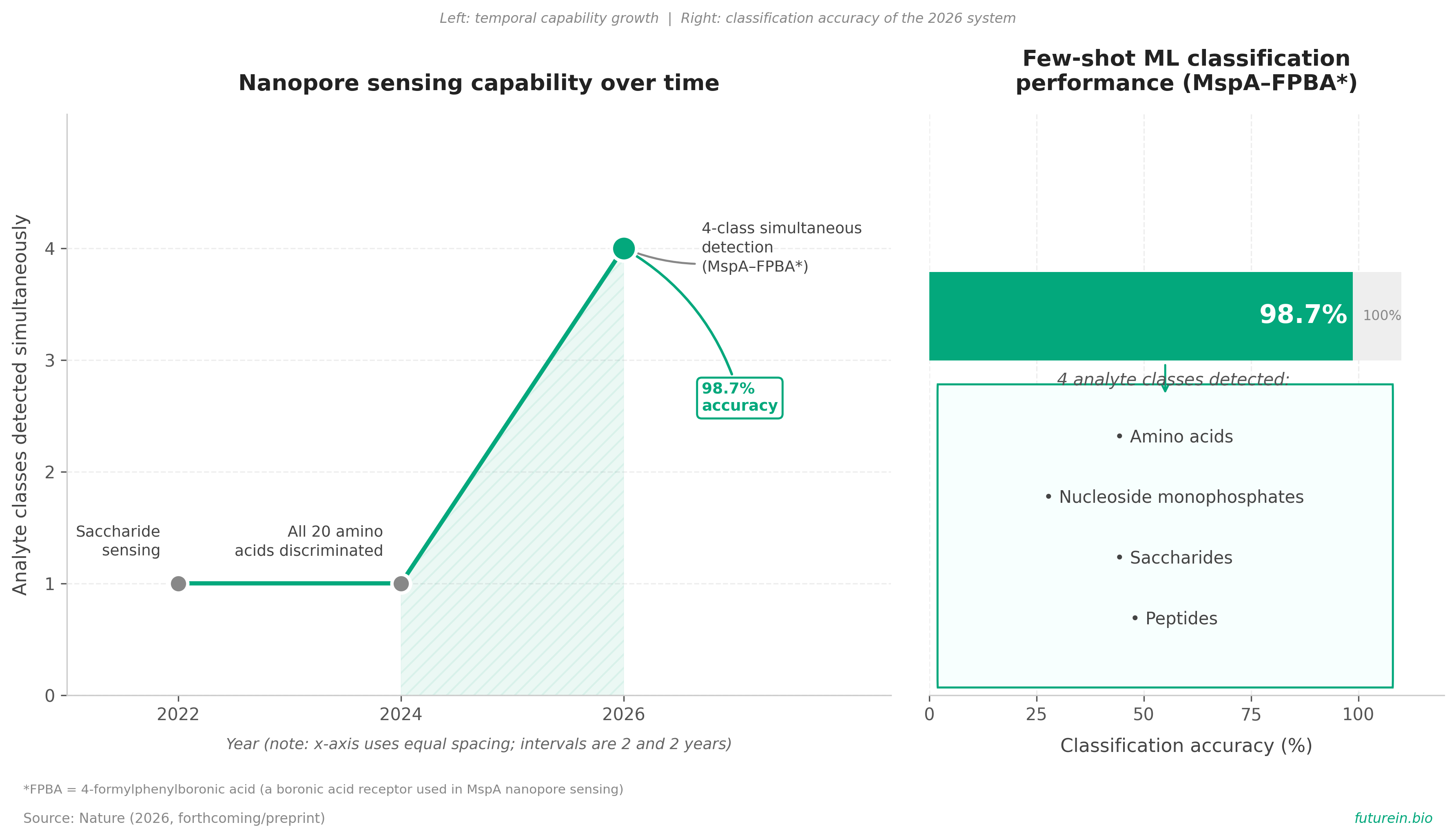
• Researchers engineered a modified bacterial porin (MspA–FPBA) nanopore sensor that simultaneously identifies amino acids, nucleoside monophosphates, saccharides, and peptides in a single platform.
• Combined with few-shot machine learning, the system achieves 98.7% classification accuracy and enables compositional analysis of native glycopeptides.
• This multi-analyte nanopore approach advances single-molecule sequencing beyond nucleotides, supporting long-term convergence of proteomics, glycomics, and diagnostics in portable biosensing devices.
Liquid biopsy for early detection of pancreatic ductal adenocarcinoma
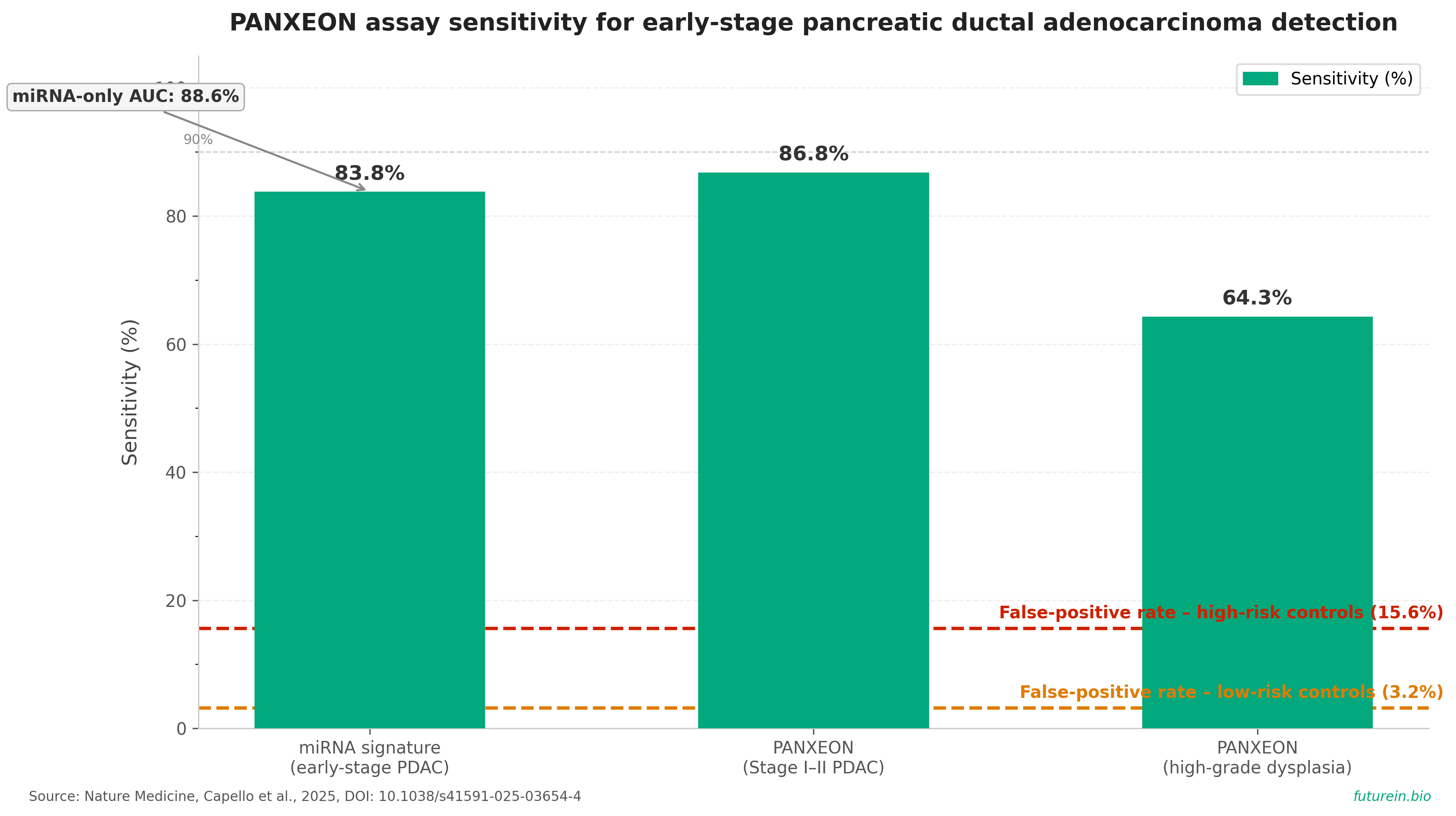
• Researchers developed PANXEON, a blood-based 10-miRNA + CA19-9 composite assay detecting early-stage PDAC across 1,785 patients from 4 countries.
• PANXEON achieved 88.6% AUC, 86.8% sensitivity for stage I–II PDAC, 3.2% false-positive rate in low-risk controls, and 64.3% detection of high-grade dysplasia.
• The study advances liquid biopsy toward noninvasive cancer screening, with miRNA signatures showing utility for treatment monitoring and recurrence detection in PDAC.
FDA Approves 2 New Alzheimer Disease Blood Tests
• The FDA approved 2 new Alzheimer’s blood tests (Elecsys pTau217, PrecivityAD2), bringing total approved tests to 4, with accuracy rates of 88–98% vs. PET scans.
• PrecivityAD2 extends eligibility to adults as young as 40, while Elecsys achieved 91% NPV across 2,100+ patients, validated against PET scan gold standards.
• At $500–$1,200 vs. $3,000–$4,637 for PET scans, blood-based diagnostics signal a major accessibility shift as US Alzheimer’s cases project to nearly double to 13M by 2050.
Factor IX Padua AAV gene therapy in adolescents with hemophilia B: a phase 1 trial
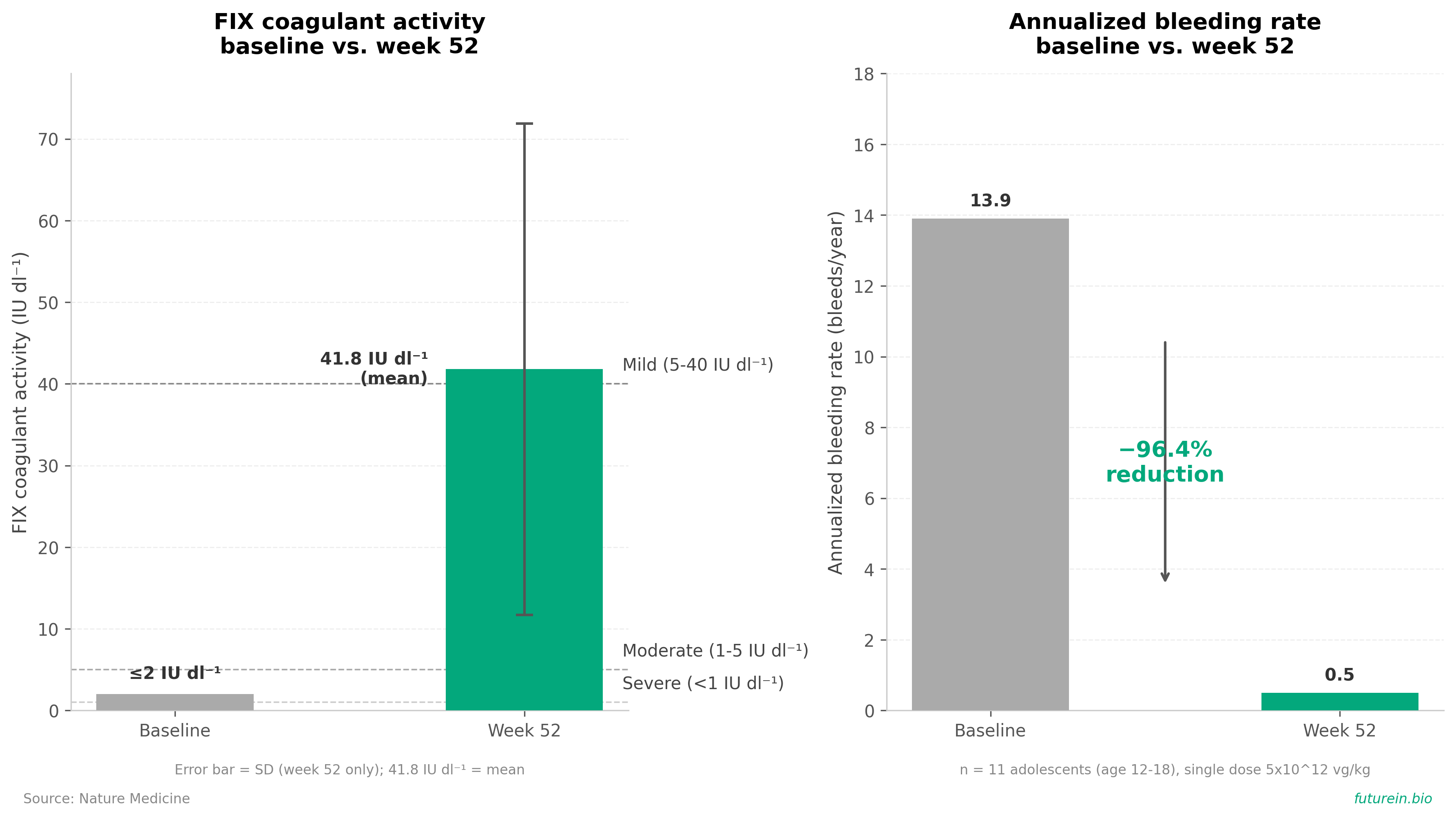
• A phase 1 multicenter trial of AAV gene therapy BBM-H901 in 11 Chinese adolescents (ages 12–18) with severe hemophilia B (FIX:C ≤2 IU/dL) confirmed safety over 52 weeks.
• Mean FIX:C reached 41.8 IU/dL at week 52 (vs. baseline ≤2), and annualized bleeding rate dropped 96% from 13.9 to 0.5, with no dose-limiting toxicity observed.
• Extending AAV-based hemophilia B gene therapy to adolescents expands the treatable population, supporting a broader one-time-treatment paradigm replacing lifelong factor replacement therapy.
Orthotopic liver xenotransplantation from gene-modified pig to decedent human
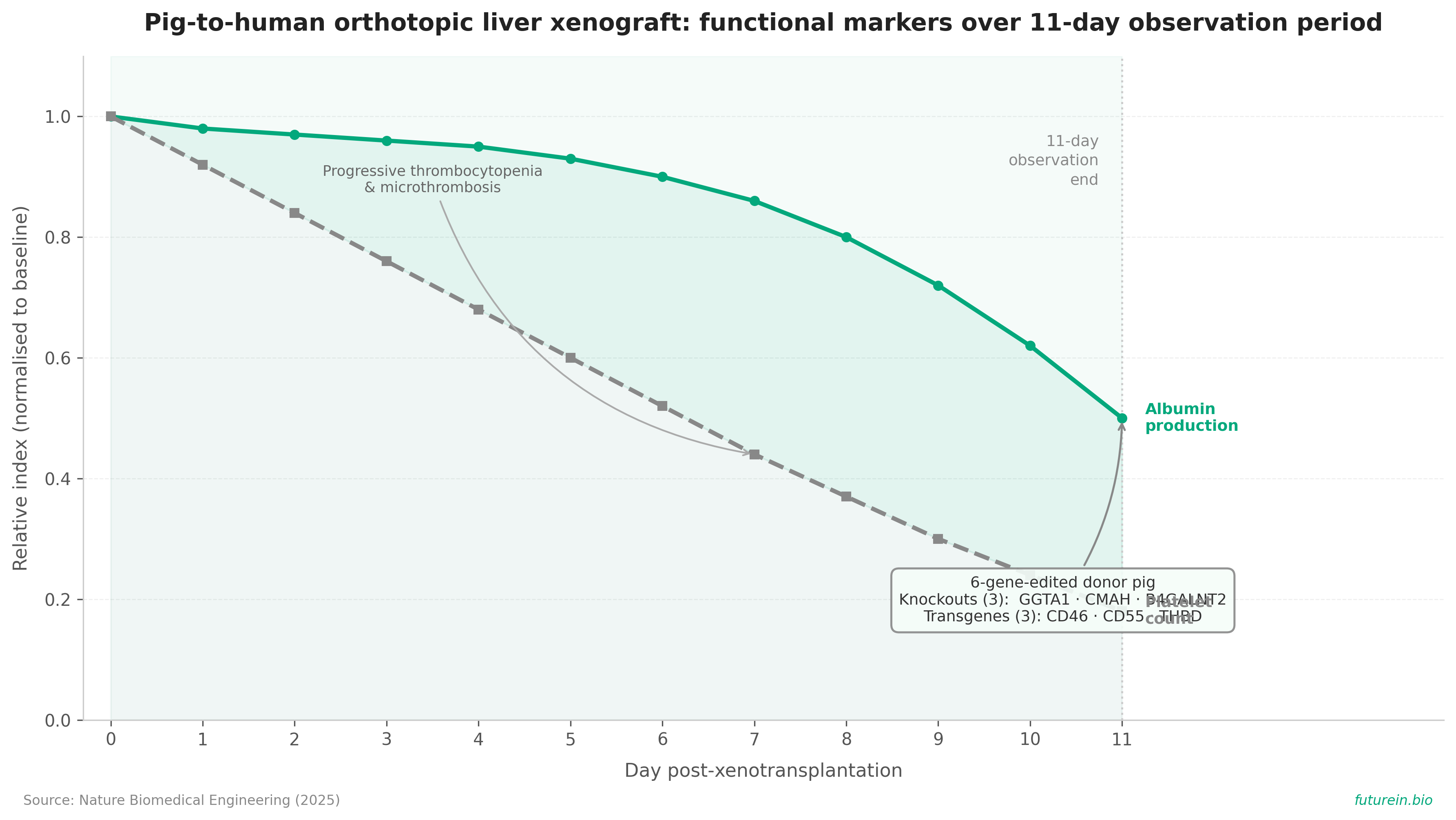
• Researchers performed orthotopic pig-to-human liver xenotransplantation using a 6-gene-edited pig in a brain-deceased recipient, observing graft function over 11 days.
• The xenograft produced albumin and bile continuously, but microthrombosis, progressive thrombocytopenia, and coagulopathy caused late-phase hepatic functional decline.
• IgM-mediated complement activation and innate immune dominance (minimal T/B cell infiltration) identify precise genetic and immunosuppressive targets for future clinical xenotransplantation advances.
Levetiracetam therapeutically targets GABAergic synapses in diffuse midline glioma
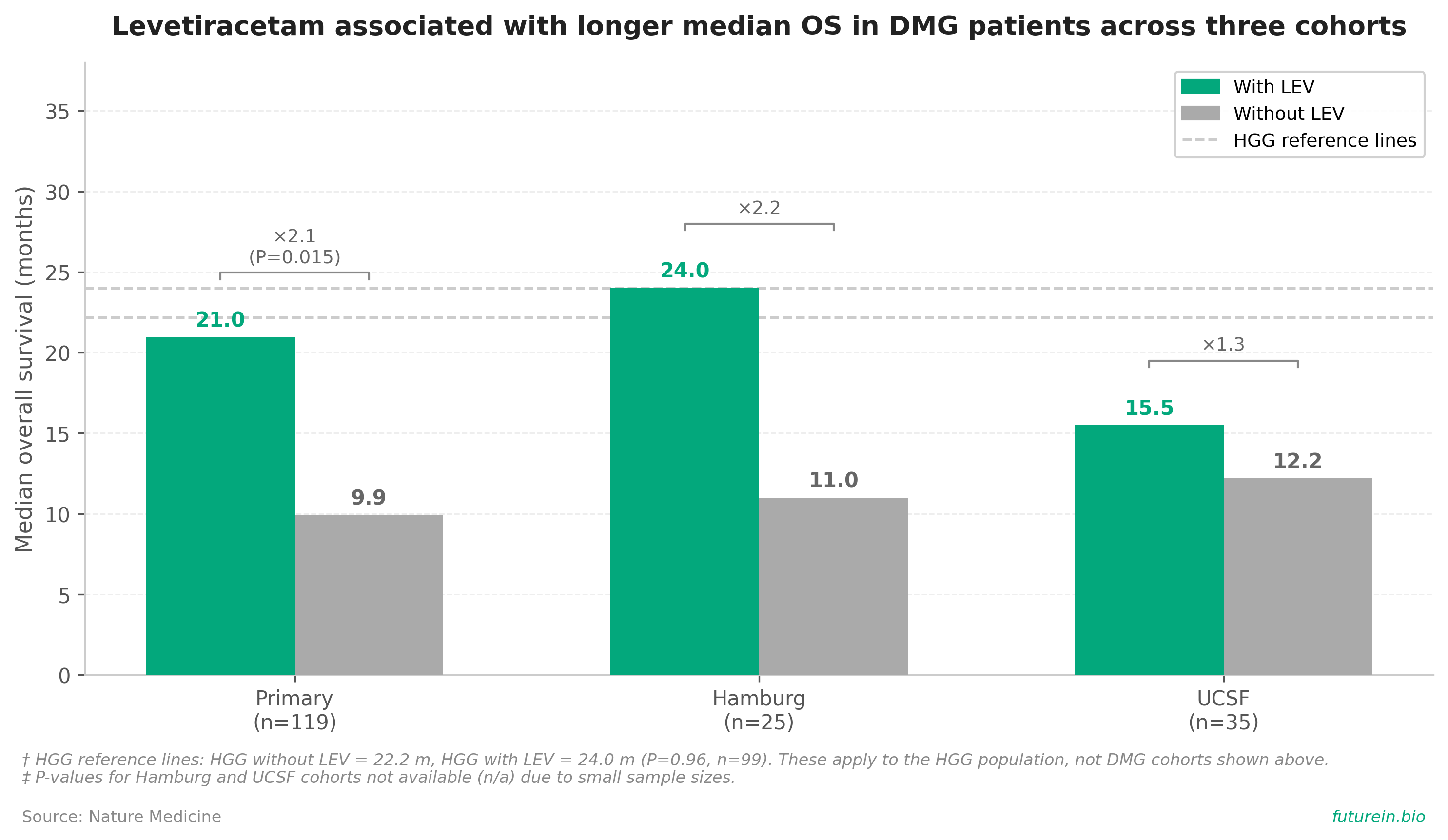
• Levetiracetam extends median OS in pediatric DMG patients from 9.92 to 20.96 months (P=0.015) across 4 institutions via GABAergic synapse targeting.
• Preclinical models confirm levetiracetam reduces DMG tumor burden and proliferation in 3 independent xenograft models, outperforming perampanel in survival extension.
• Tumor subtype-specific neurophysiology establishes GABAergic neuron-to-glioma synapses as a druggable DMG target, independent of levetiracetam’s known SV2A antiseizure mechanism.
Targeted genomic integration and rearrangement using prime assembly
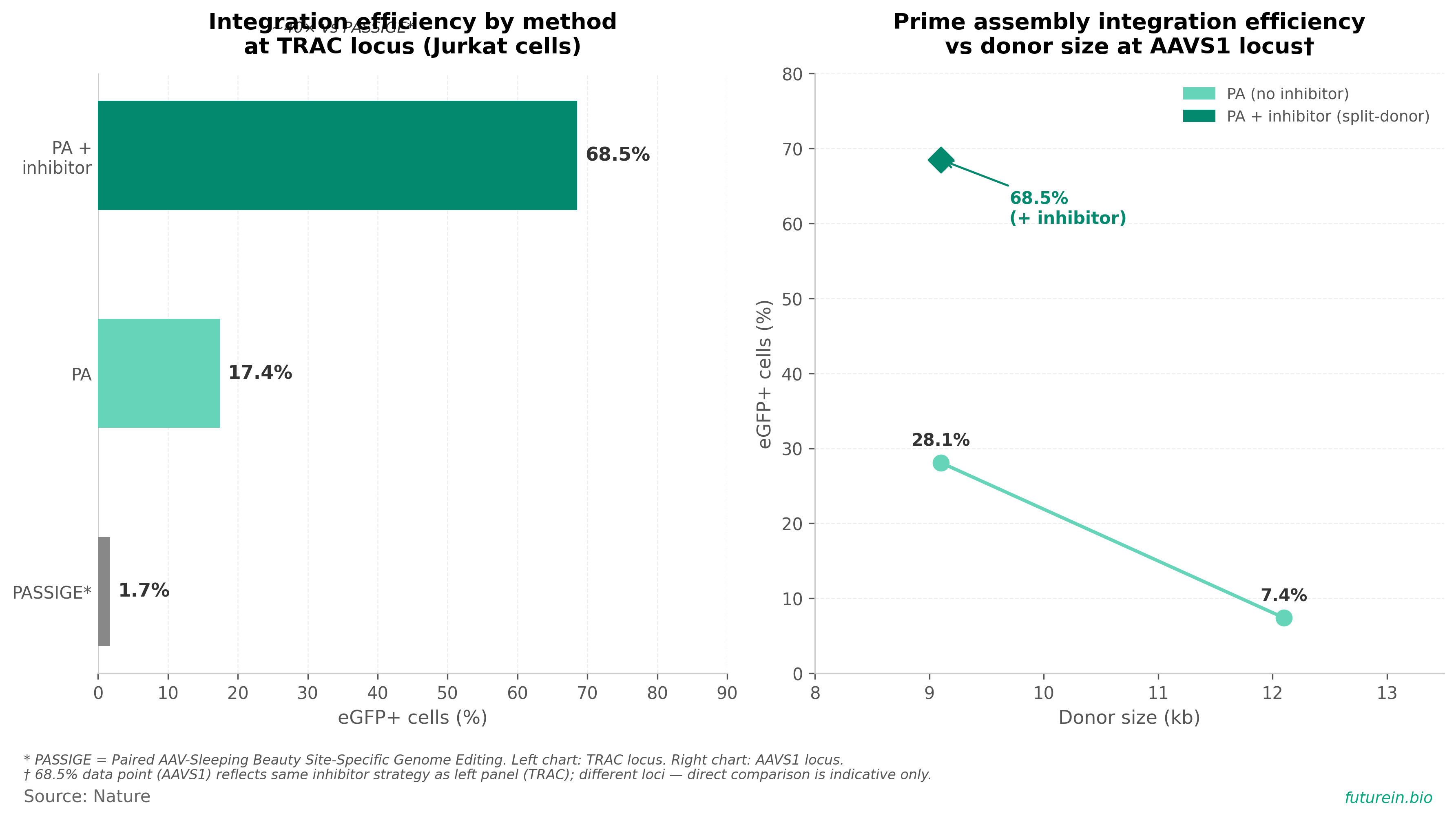
• Prime assembly (PA) enables targeted genomic integration of DNA sequences up to 12.1 kb in human cells using CRISPR dual-flap synthesis without DSBs or cell-cycle dependence.
• PA achieved 68.5% eGFP+ integration efficiency with NHEJ/MMEJ inhibition, outperforming HDR, HITI, MMTI, and PASSIGE across HEK293T, K562, and Jurkat cells.
• PA’s cell-cycle-independent mechanism and >99.5% precise integration junctions position it as a safer, broadly applicable alternative to nuclease-based gene therapy platforms.