Lilly’s amylin-Zepbound combo achieves 23.3% weight loss in diabetes patients
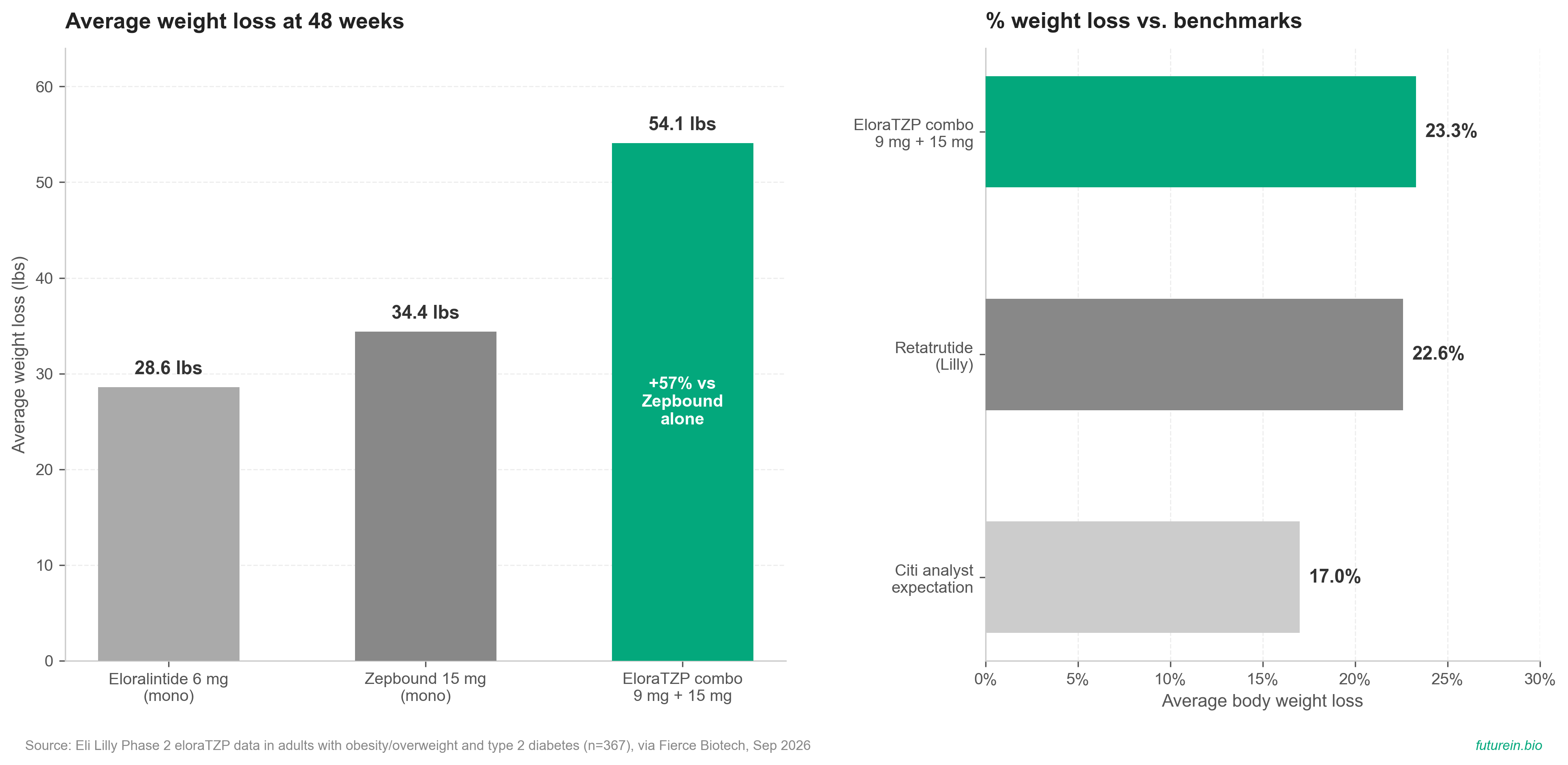
• Lilly’s eloraTZP combo (eloralintide + tirzepatide) achieved 23.3% average weight loss and 54.1-lb reduction at 48 weeks in 367 T2D/obesity patients.
• Phase 3 trials launching Q4 2026, though 27% discontinuation rates from GI adverse events signal tolerability challenges requiring optimized dosing protocols.
• Multi-hormone targeting (GIP/GLP-1/amylin) is emerging as the next obesity frontier, with Lilly, Novo (CagriSema), and Roche/Zealand all pursuing amylin combinations.
Autonomous AI could create capacity for thousands more dermatology appointments
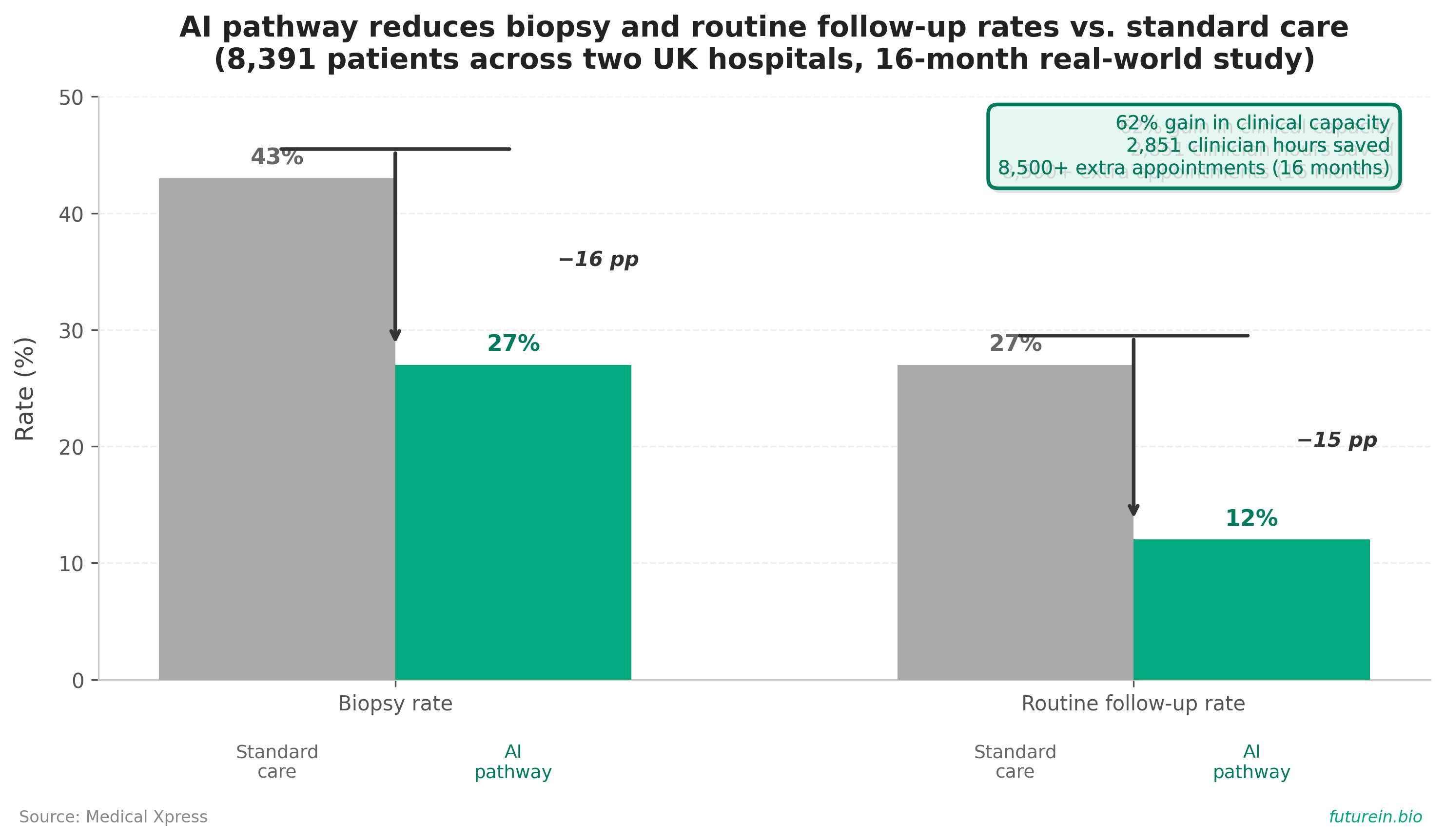
• A real-world UK study of 8,391 patients found autonomous AI autonomously discharged 25–31% of urgent skin cancer referrals, saving 2,851 clinician hours over 16 months.
• The AI pathway generated 8,500+ additional appointment slots, cut biopsy rates from 43% to 27%, and reduced follow-up needs from 27% to 12% versus standard care.
• With AI dermatology diagnostics growing at 26.19% CAGR ($256M→$820M by 2030) and 25% of UK dermatologist roles unfilled, autonomous AI addresses a structurally undersupplied specialist market.
Employers and health plans increasingly tie digital health payments to performance
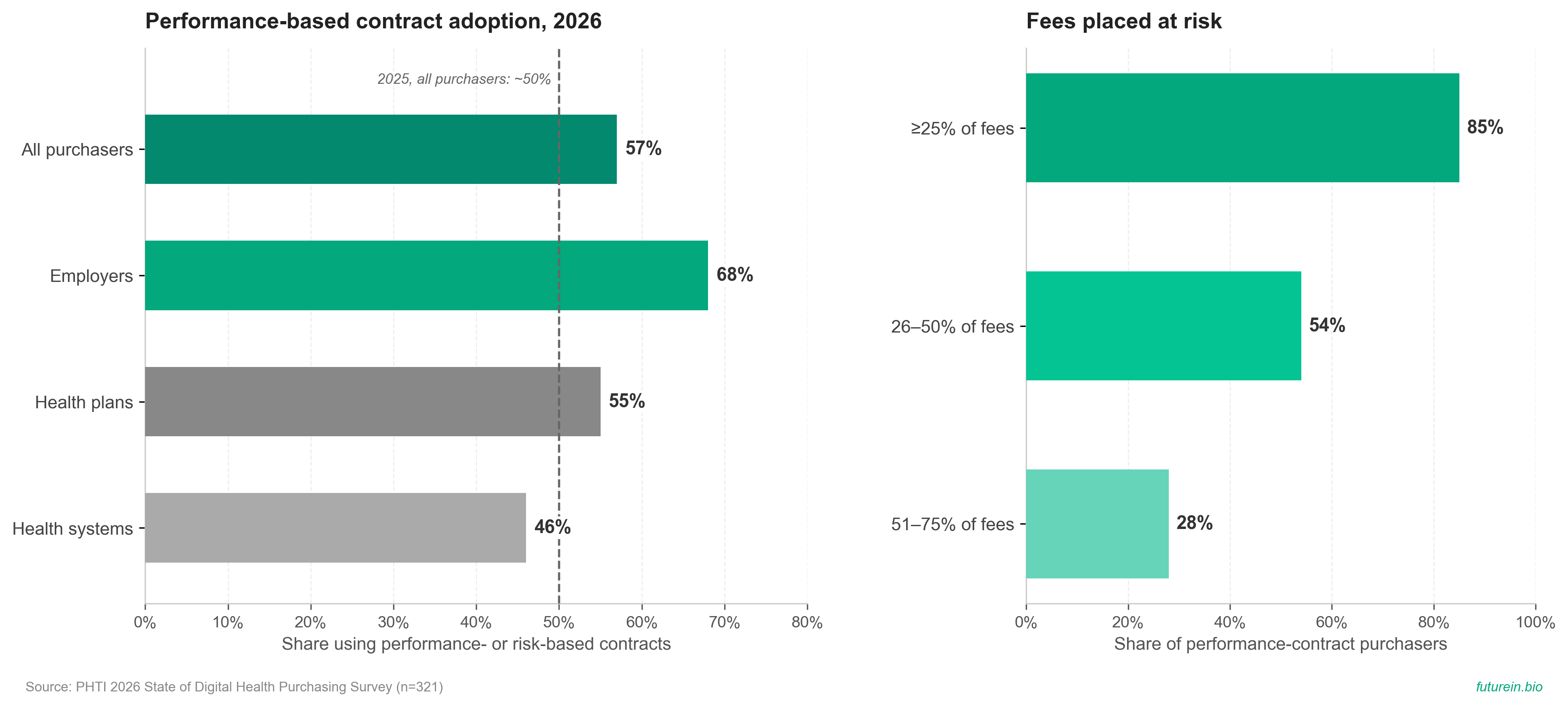
• PHTI’s 2026 survey (n=321) finds 57% of purchasers—68% employers, 55% health plans, 46% health systems—now use performance-based digital health contracts, with 85% placing ≥25% of fees at risk.
• Vendor accountability gaps are immediate friction: 45% struggle with data integration, 38% cannot independently verify outcomes, and financial savings targets carry a 27% vendor failure rate.
• Digital health procurement is consolidating—point solutions offering 11+ dropped from 23% (2025) to 9% (2026)—as outcomes-tied contracts and CMS’s ACCESS model structurally reshape long-term vendor economics.
Vega Health publishes first evaluation of inpatient deterioration AI models
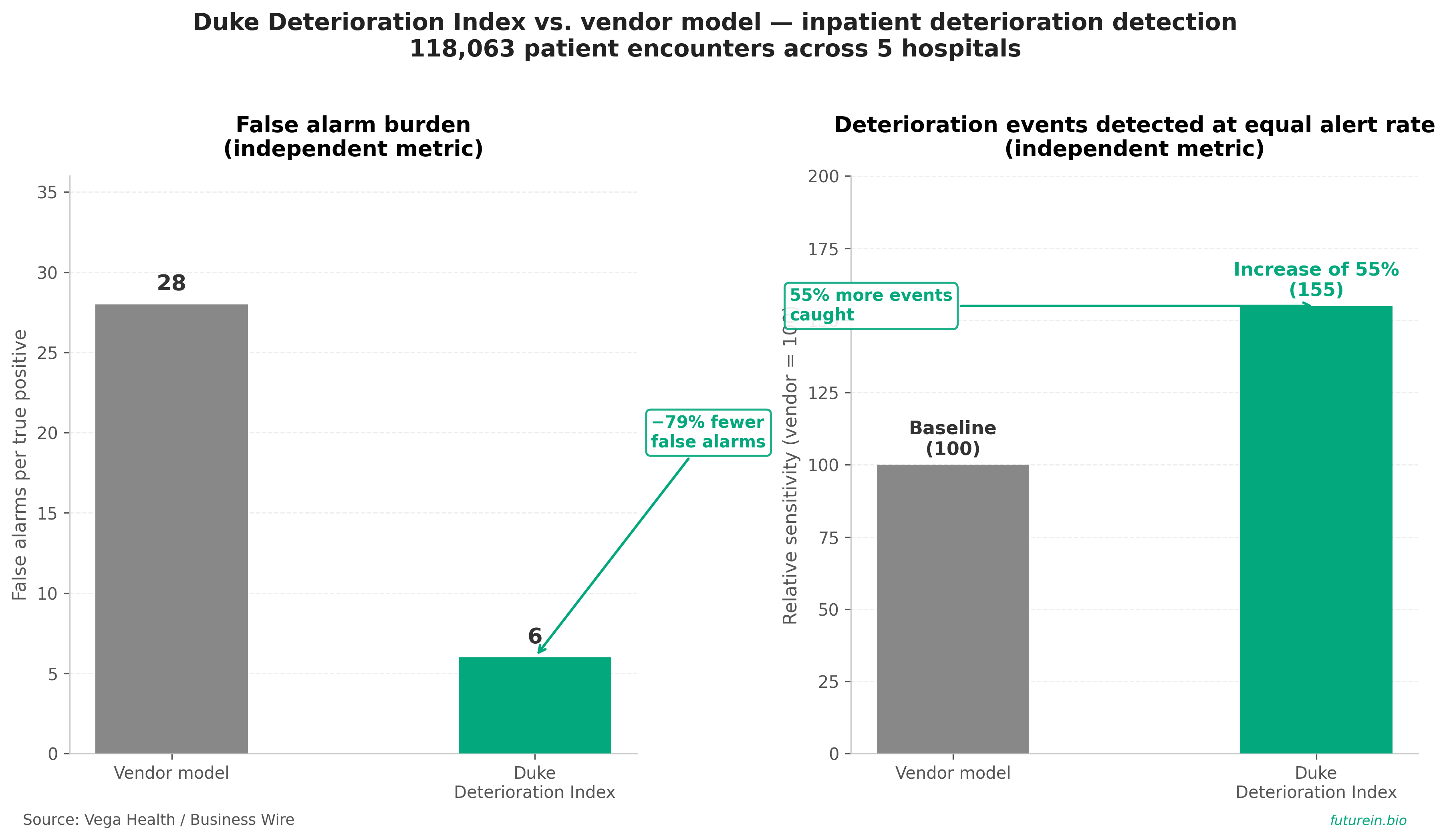
• Vega Health published a 2-year retrospective evaluation of inpatient deterioration AI models across 118,063 encounters at 5 hospitals, finding Duke Deterioration Index outperformed a vendor model.
• Duke’s model caught 55% more deterioration events at equal alert rates, reducing false alarms from 28 to 6 per true positive with a 4-hour snooze protocol.
• Site-specific AI benchmarking is gaining urgency as meta-analyses show ML deterioration models reduce in-hospital mortality (OR=0.69) and length of stay by 0.35 days industry-wide.
FDA clears DreaMed MODI, first CGM-driven insulin dose optimization app for type 2
• DreaMed Diabetes received FDA 510(k) clearance for MODI, the first CGM-driven autonomous insulin dose optimization app for type 2 injection users (18+), covering basal-only and MDI regimens.
• MODI addresses the 85% of insulin users (~8M+ U.S. patients) previously excluded from automated dosing tools, eliminating physician-approval bottlenecks between office visits.
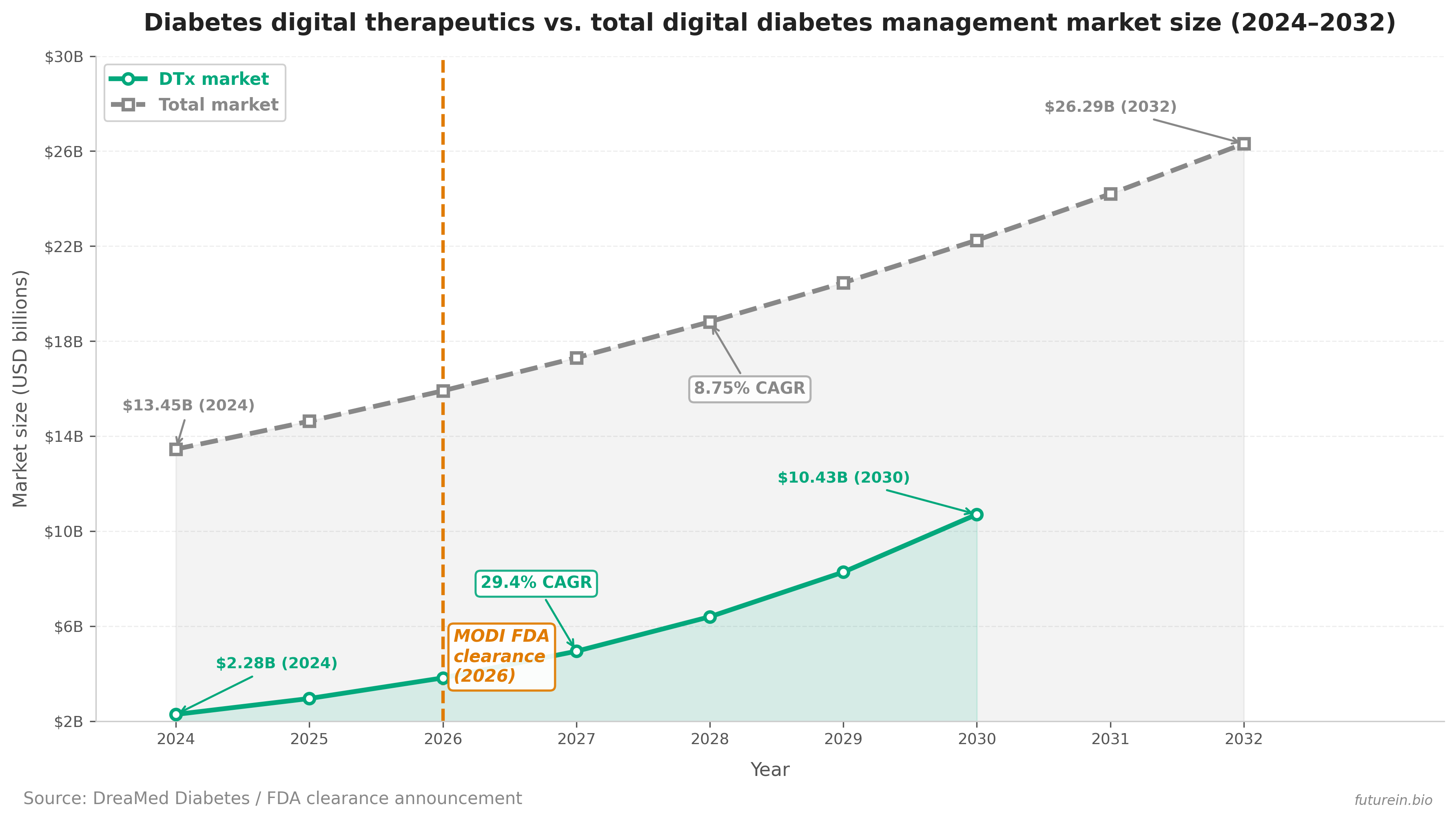
• MODI enters a diabetes digital therapeutics market valued at $2.28B (2024), projected to reach $10.43B by 2030 at a 29.4% CAGR, the largest DTx segment at 38%.
AI-assisted healthcare search tools miss critical evidence, multiplatform study finds
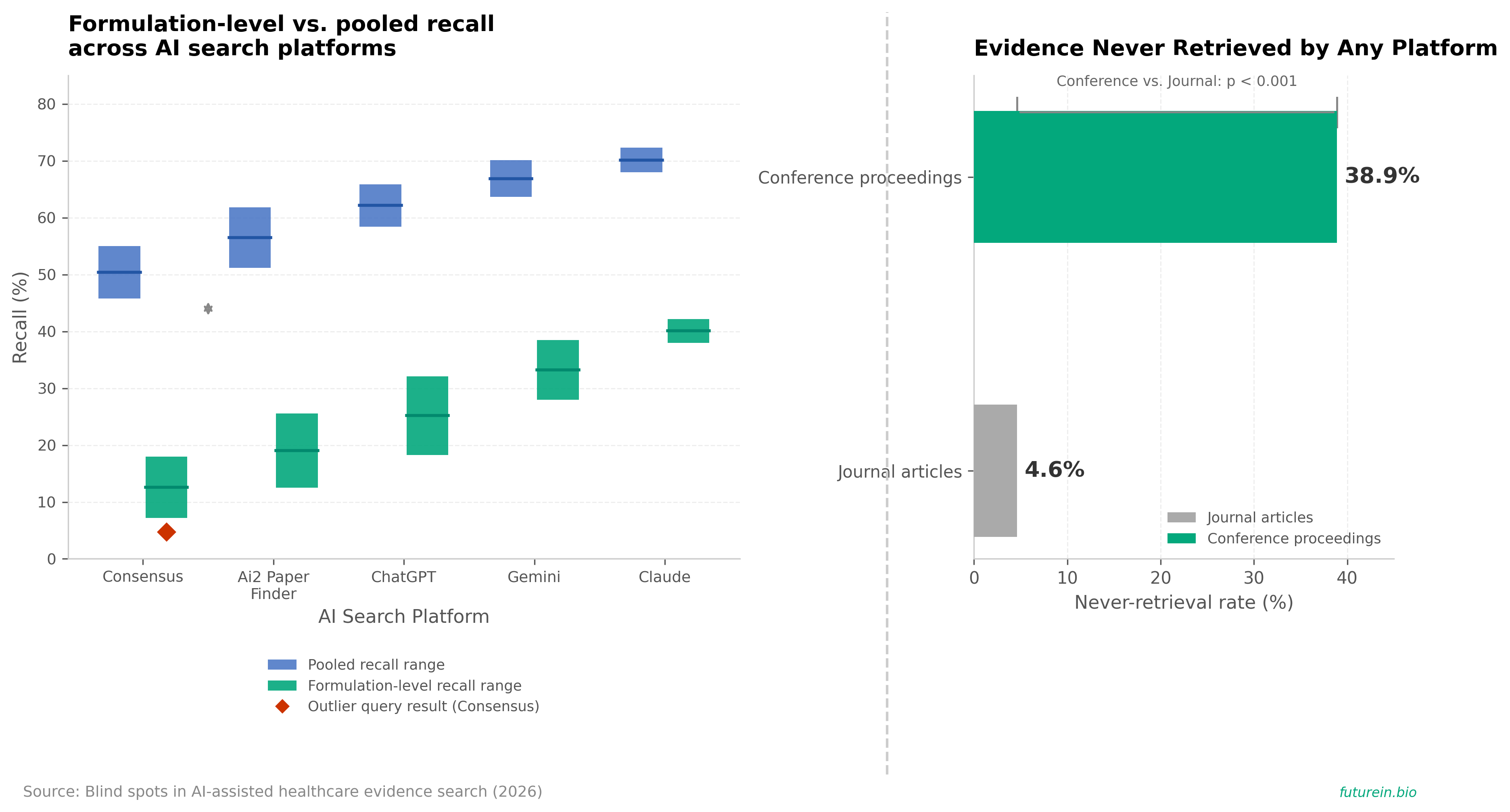
• This study evaluated 5 AI evidence-search platforms (Consensus, Ai2, ChatGPT, Gemini, Claude) across 15 query formulations, finding median recall of only 7.2%–42.2%.
• Single-query zero-retrieval probability reached 47%–80%; 12% of evidence was never retrieved, with conference proceedings missed at 38.9% vs. 4.6% for journal articles.
• Systematic retrieval bias by publication year, venue, and platform signals urgent need for domain-specific AI validation before clinical or research workflow integration.
Health centers bill e-visits inconsistently across clinicians and patient requests
• This Johns Hopkins retrospective cohort study (n=3,092,741 PMARs, 4,943 clinicians, Aug 2023–Aug 2025) analyzed e-visit billing adoption across academic and community practices.
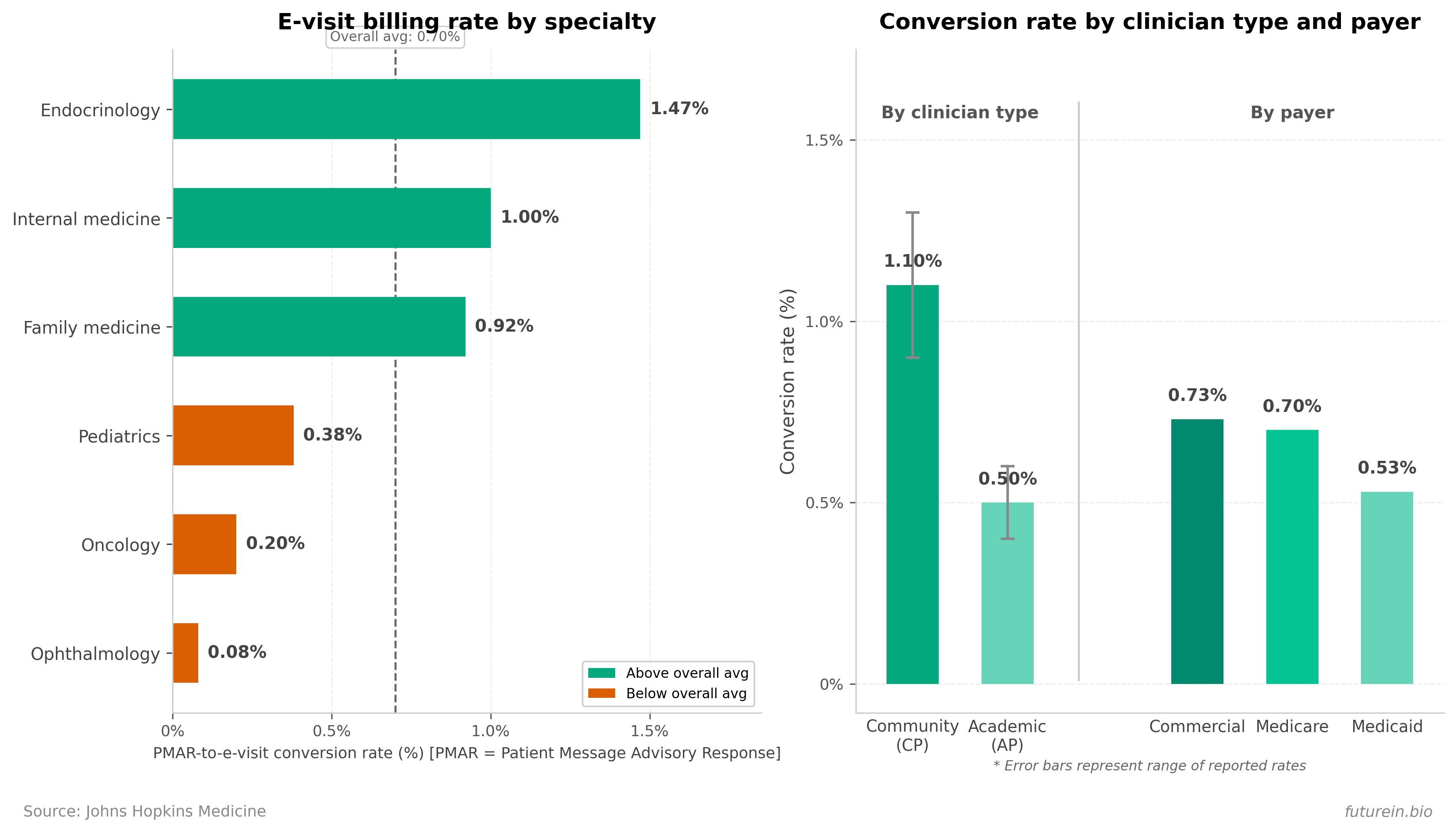
• Only 0.7% (21,834) of PMARs were billed as e-visits, with top 1% of clinicians accounting for 50.7% of all billed encounters.
• Persistent low adoption, payer disparities (Medicaid 0.53% vs. commercial 0.73% billing rate), and specialty variation signal structural barriers requiring AI-assisted inbox and team-based triage solutions.
Google Fitbit and Weight Watchers partner on employer weight management programs
• Weight Watchers and Google Health Enterprise partnered to integrate Fitbit Air wearables and AI insights into employer-sponsored weight management programs.
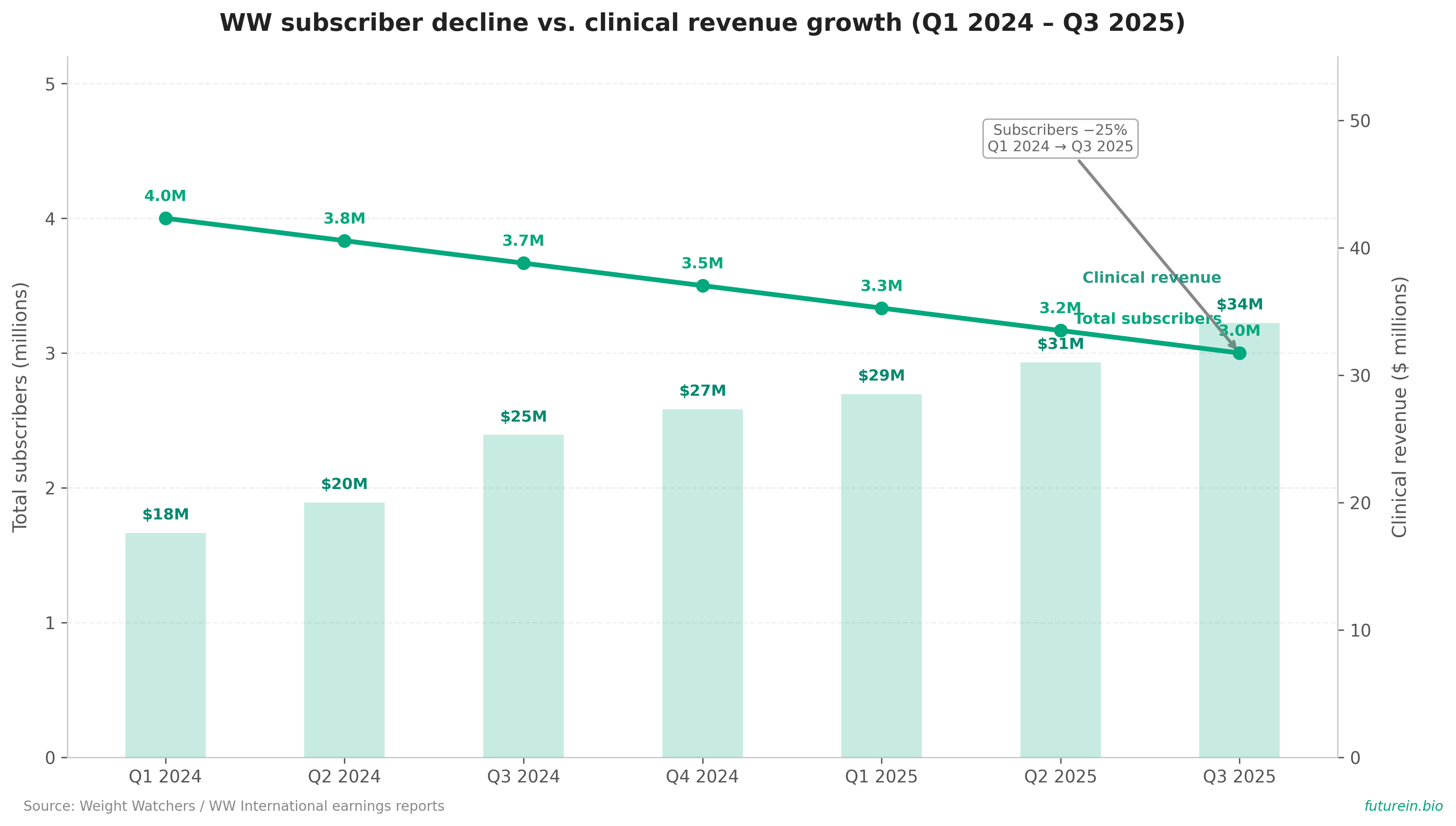
• Eligible employees unlock Fitbit Air devices upon program milestones; clinical subscribers grew 55% YoY to 127K, generating $31M revenue in Q2 2025.
• Wearable integration drives 950 additional daily steps, 25% T2D risk reduction, and 2.3:1 employer ROI, reinforcing digital-clinical convergence in metabolic health.
Physician and patient demographics shape trust penalties for AI in primary care
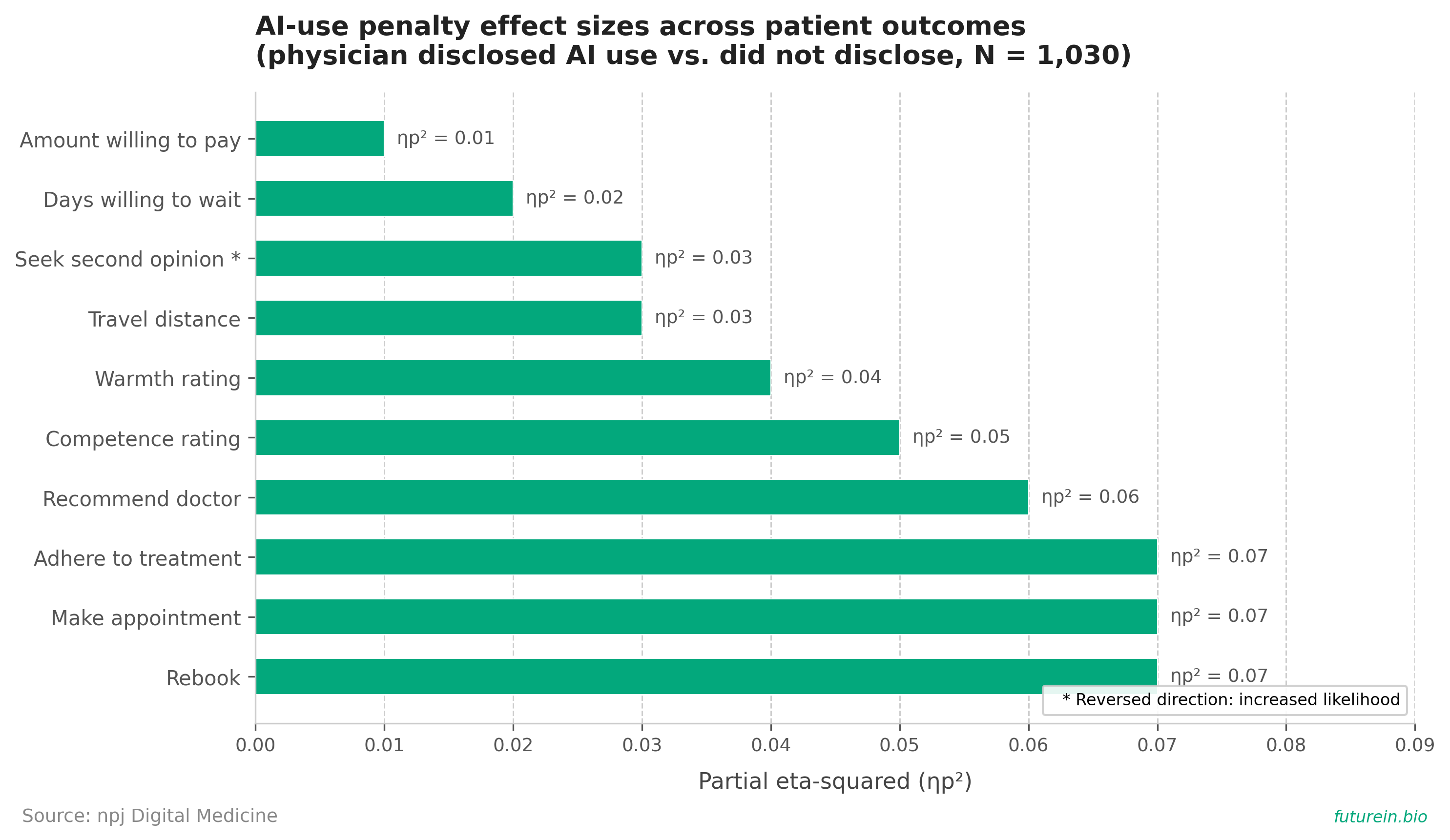
• A preregistered vignette study (N=1,030 US adults) found physicians disclosing AI use rated significantly less warm (ηp²=0.04) and competent (ηp²=0.05).
• AI-disclosing physicians saw reduced appointment willingness (ηp²=0.07), lower treatment adherence (ηp²=0.07), and patients willing to pay/travel/wait less.
• Younger patients (<45 years) showed stronger AI-use penalties across all measures, signaling a demographic fault line for AI adoption in primary care.
Deep learning perturbation models outperform baselines on calibrated metrics
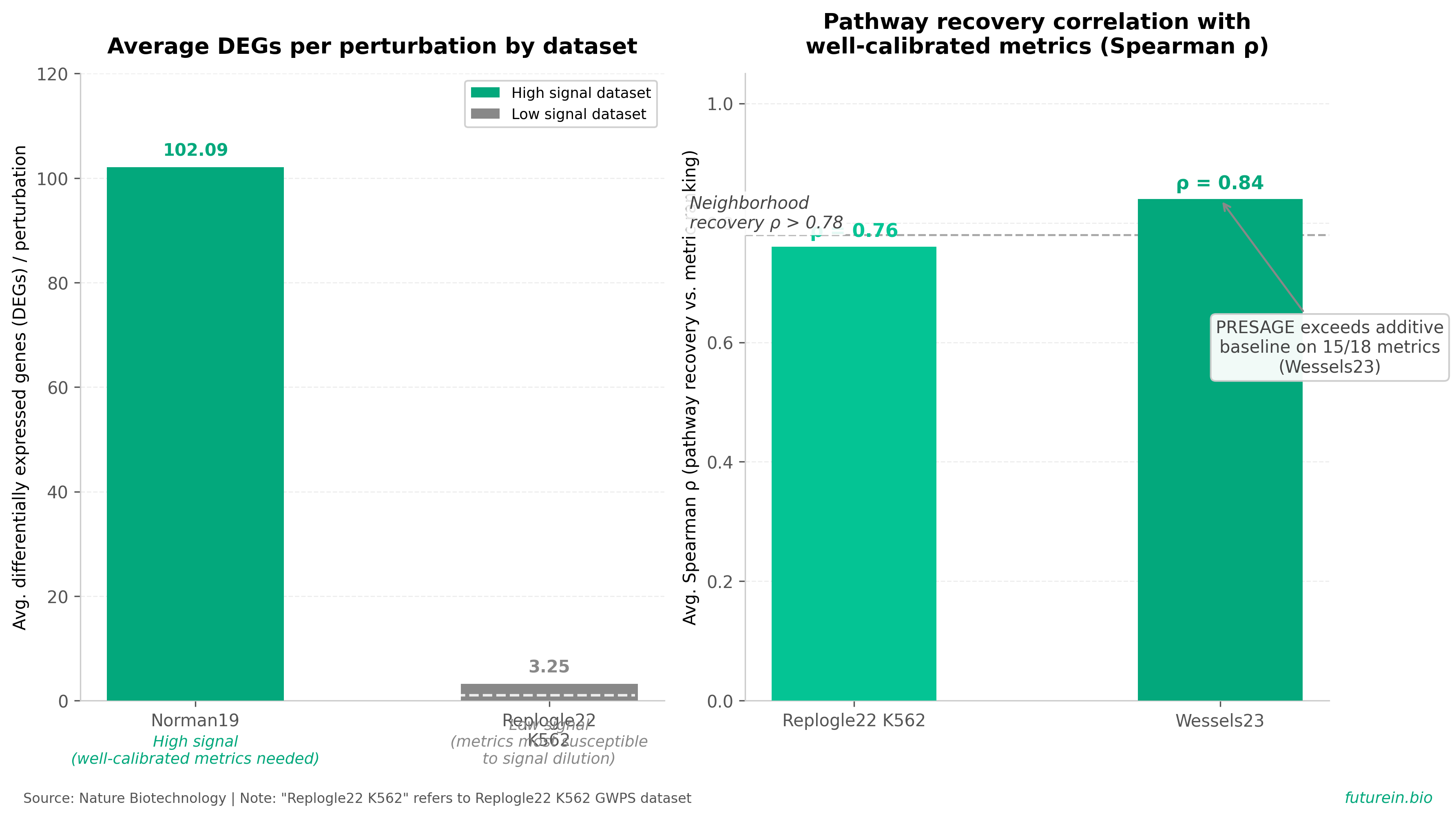
• Researchers tested 18 metrics across 14 datasets, finding common benchmarks (MSE, Pearson Δ) are miscalibrated, obscuring deep learning perturbation models’ true performance.
• Under calibrated metrics (WMSE, weighted R²Δ), models including GEARS and scGPT demonstrably outperform uninformative baselines, reversing prior negative benchmarking conclusions.
• Improved calibration frameworks and DEG-weighted metrics will likely accelerate in silico therapeutic target discovery via more reliable transcriptomic perturbation model evaluation.
Urine RNA test detects bladder cancer and predicts treatment response
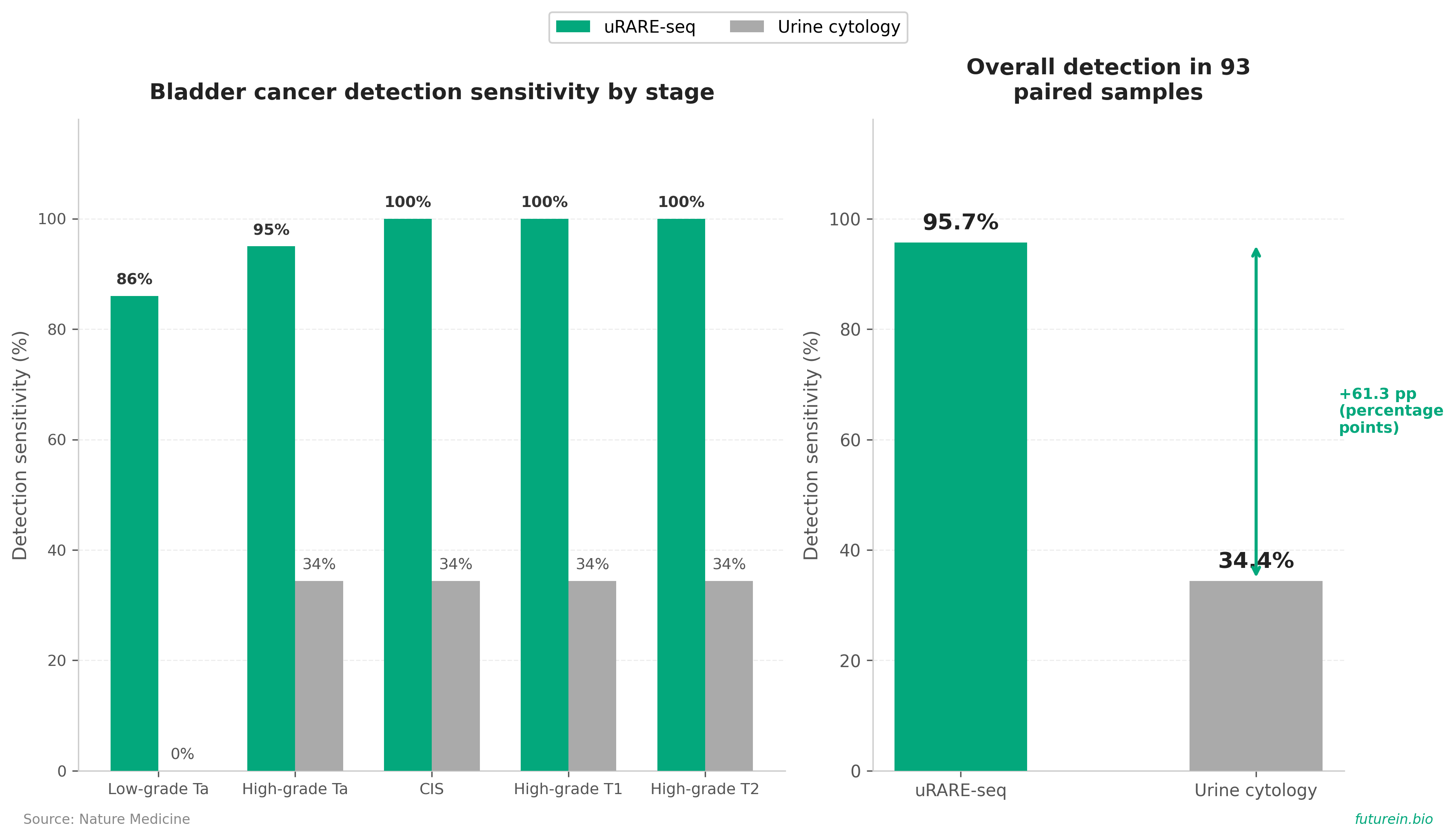
• Researchers developed uRARE-seq, a urine cell-free RNA liquid biopsy method achieving 95% sensitivity/90% specificity for bladder cancer detection across 683 samples.
• uRARE-seq outperformed urine cytology (95.7% vs. 34.4% detection) and tumor-naive DNA analysis (99% vs. 85%), with a treatment-response predictor reaching AUC 0.93.
• Noninvasive urine RNA profiling enabling tumor detection, MRD monitoring, and therapy selection signals a shift toward liquid biopsy-driven urologic oncology management.
Oral GLP-1 drug safiglipron cuts blood sugar in early type 2 diabetes trial
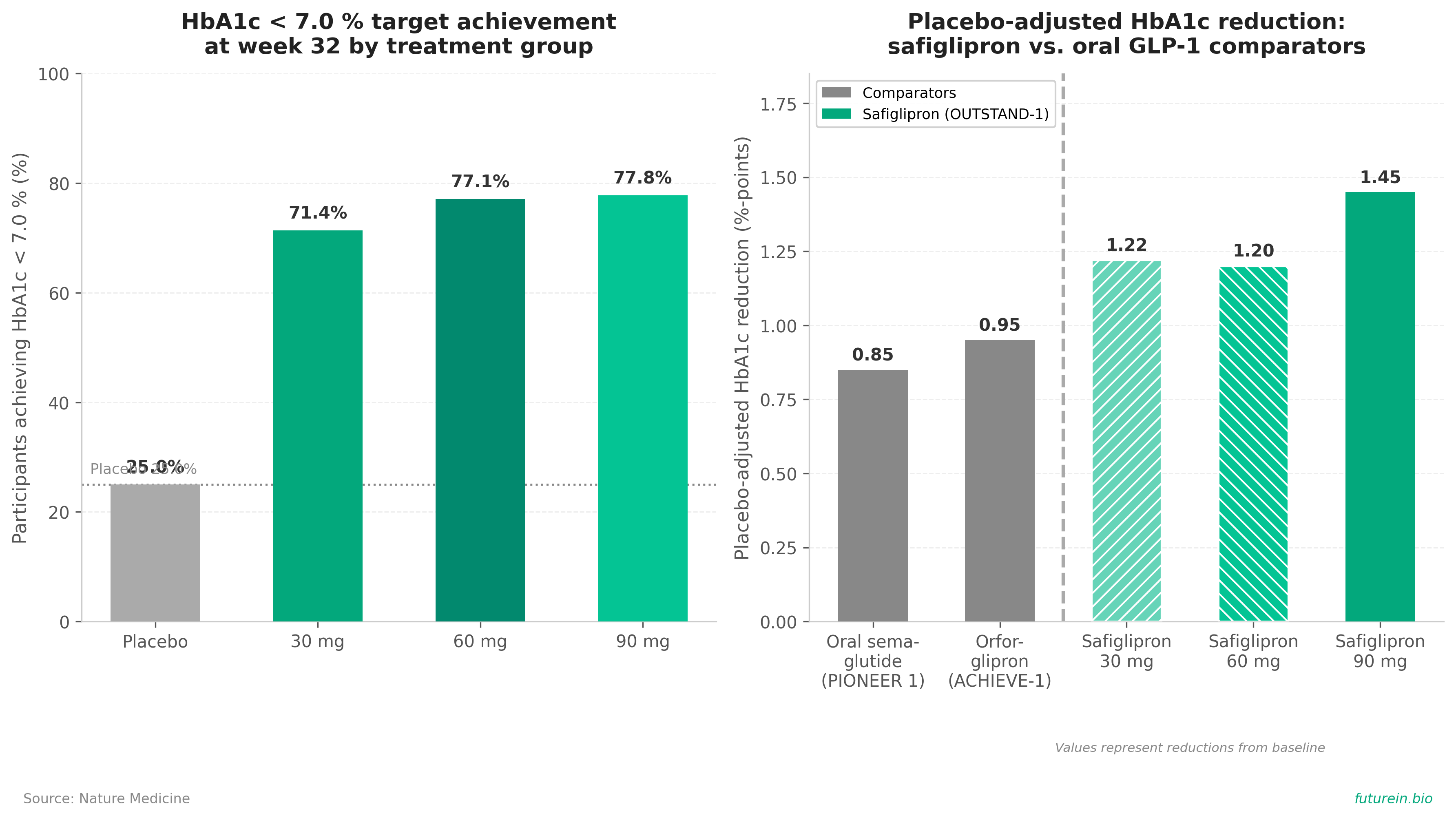
• OUTSTAND-1 phase 3 trial evaluated oral safiglipron (30/60/90mg) vs. placebo in 284 Chinese T2D adults over 32 weeks.
• Safiglipron reduced HbA1c by 1.20–1.45% vs. placebo (P<0.0001), with 71–78% achieving HbA1c<7.0% vs. 25% placebo.
• Oral small-molecule GLP-1 agonists requiring no fasting/injections signal a major delivery shift, with higher doses (90mg) cutting body weight 3.56% vs. placebo.
Semaglutide shows kidney protection in type 2 diabetes trial
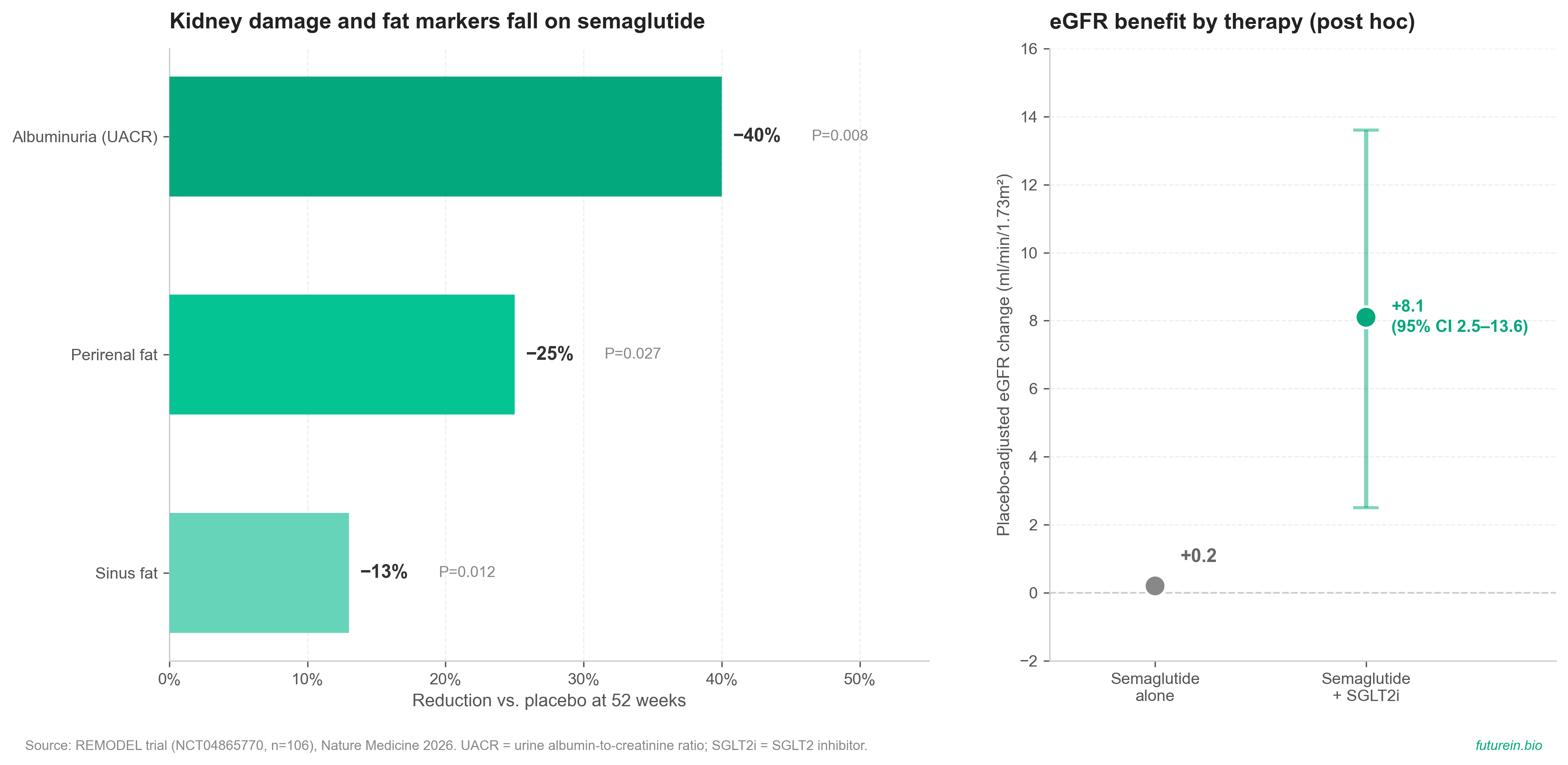
• The 52-week REMODEL trial (n=106) tested subcutaneous semaglutide 1mg weekly vs. placebo in T2D/CKD patients, using MRI, biopsies, and transcriptomics to identify kidney-protective mechanisms.
• Semaglutide reduced albuminuria 40%, lowered renal artery resistive index (p=0.008), stabilized cortical fibrosis (ADC p=0.005), and reduced perirenal/sinus fat by 25%/13% vs. placebo.
• Single-nucleus RNA sequencing identified glomerular endothelial cells as primary semaglutide targets, revealing TGFβ, NF-κB, and MAPK pathway modulation, establishing a molecular framework for GLP-1RA kidney protection trials.
Regeneron’s antibody helps patients regain muscle after stopping GLP-1 therapy
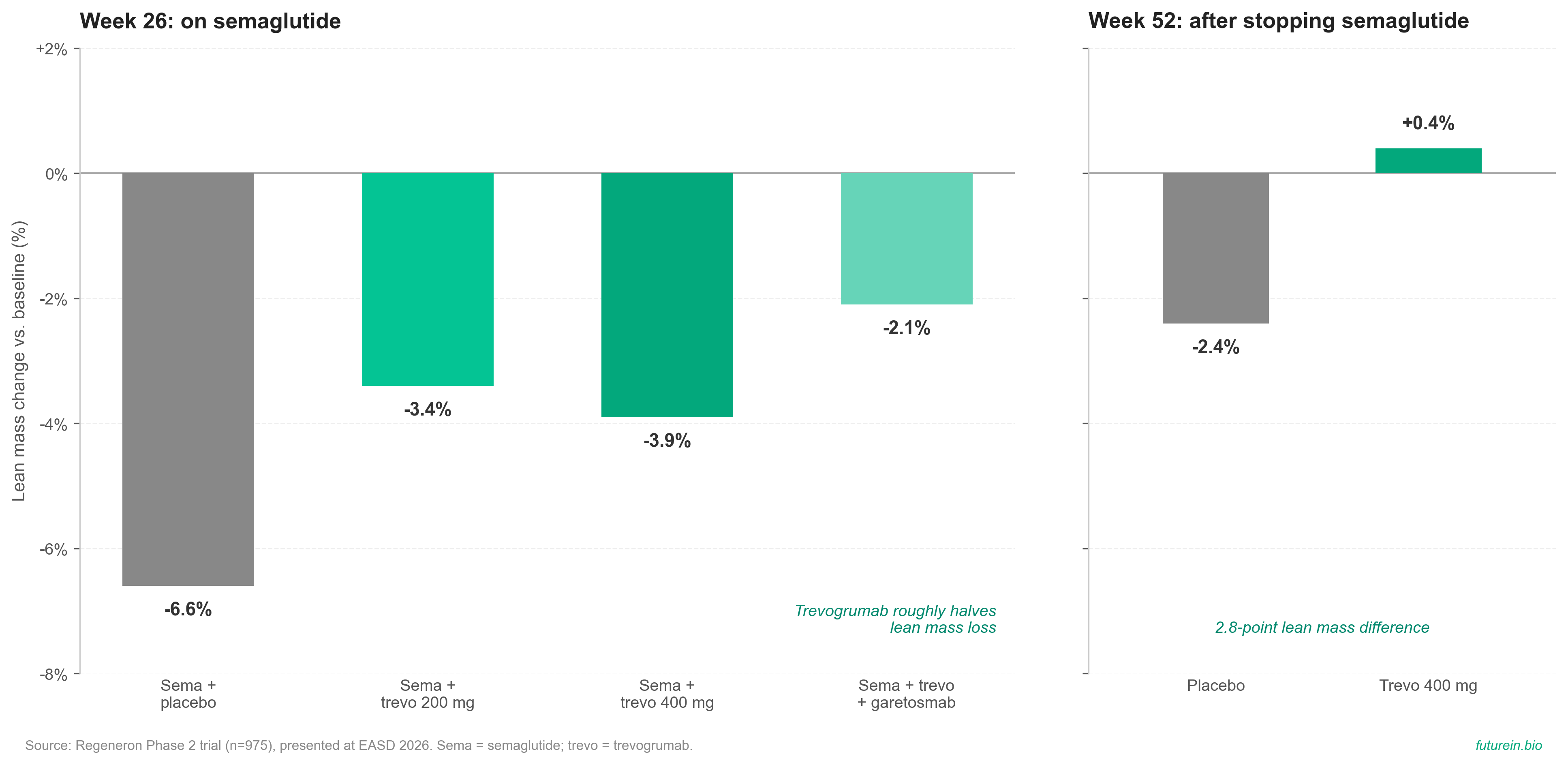
• Regeneron’s trevogrumab (anti-myostatin antibody) reduced semaglutide-induced lean mass loss by ~50% (from -6.6% to ~3.4-3.9%) in 975 obese participants over 26 weeks.
• Post-GLP-1 cessation, trevogrumab users recovered lean mass to +0.4% vs. -2.4% for placebo, a 2.8 percentage-point difference, with MRI showing 69-72% muscle volume preservation.
• Selective myostatin inhibition signals a growing biotech trend toward optimizing GLP-1 therapy body composition outcomes, though long-term functional and metabolic benefits require further investigation.
CMS finalizes GLOBE Medicare demo despite lower-than-expected savings
• CMS finalized the mandatory GLOBE Medicare Part B drug pricing model, benchmarking select drugs against 19 countries, launching January 1, 2027, covering ~25% of Original Medicare beneficiaries.
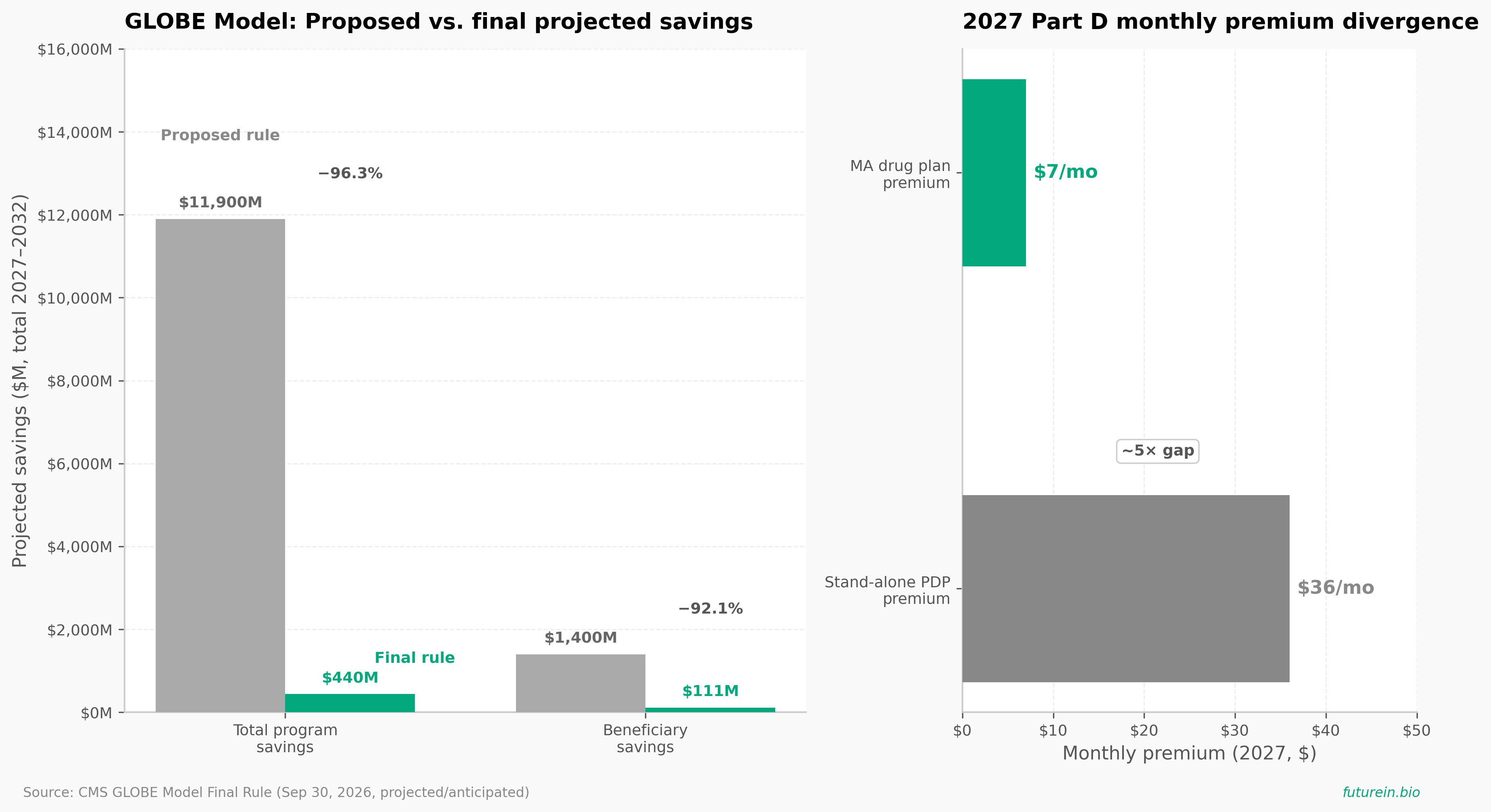
• Projected savings collapsed 96.3%, from $11.9B to $440M total through 2034 (~$80M/year), with beneficiary savings dropping from $1.4B to $111M after orphan drug, CGT, and plasma-derived product exclusions.
• Diverging 2027 Part D premiums—MA plans falling 38% to ~$7/month vs. stand-alone PDPs rising to ~$36—signal structural cost-shifting risks affecting biotech drug access and pricing strategy long-term.