Zuckerberg’s Biohub raises $1.8B for AI virtual cell models with Meta, Google
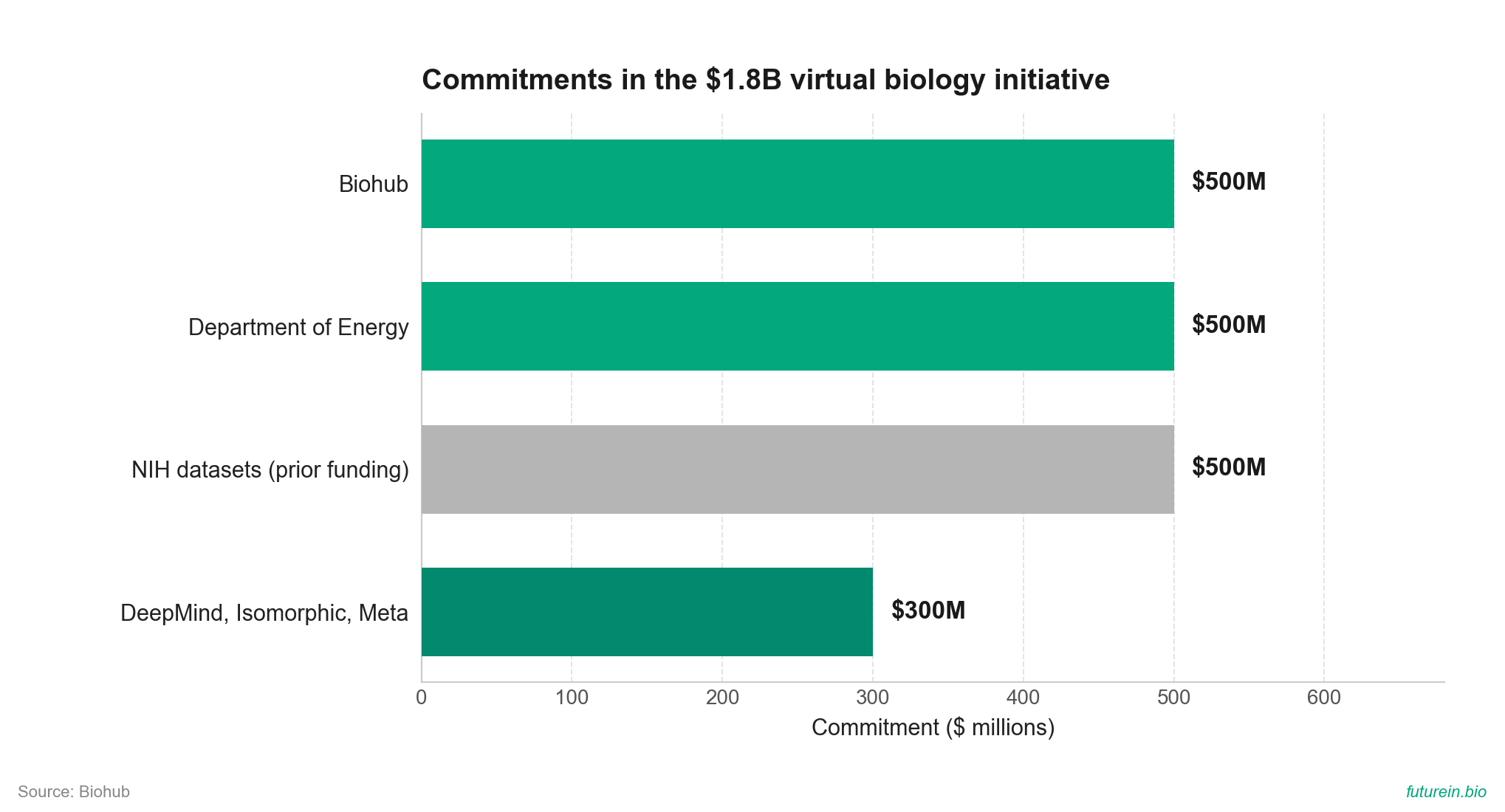
• Biohub, the Department of Energy, NIH, and tech partners expanded the Virtual Biology Initiative to a $1.8B commitment for open, AI-ready biological data.
• The total brings together Biohub’s $500M, more than $500M from the Department of Energy, over $500M in prior NIH datasets, and $300M from DeepMind, Isomorphic Labs, and Meta.
• Partners aim to release a first dataset in about a year and predictive virtual-cell models within five years.
MedGemma: open vision-language model advances medical imaging analysis
• Google introduces MedGemma, a collection of open medical vision-language models (4B, 27B parameters) built on Gemma 3, trained on millions of medical image-text pairs.
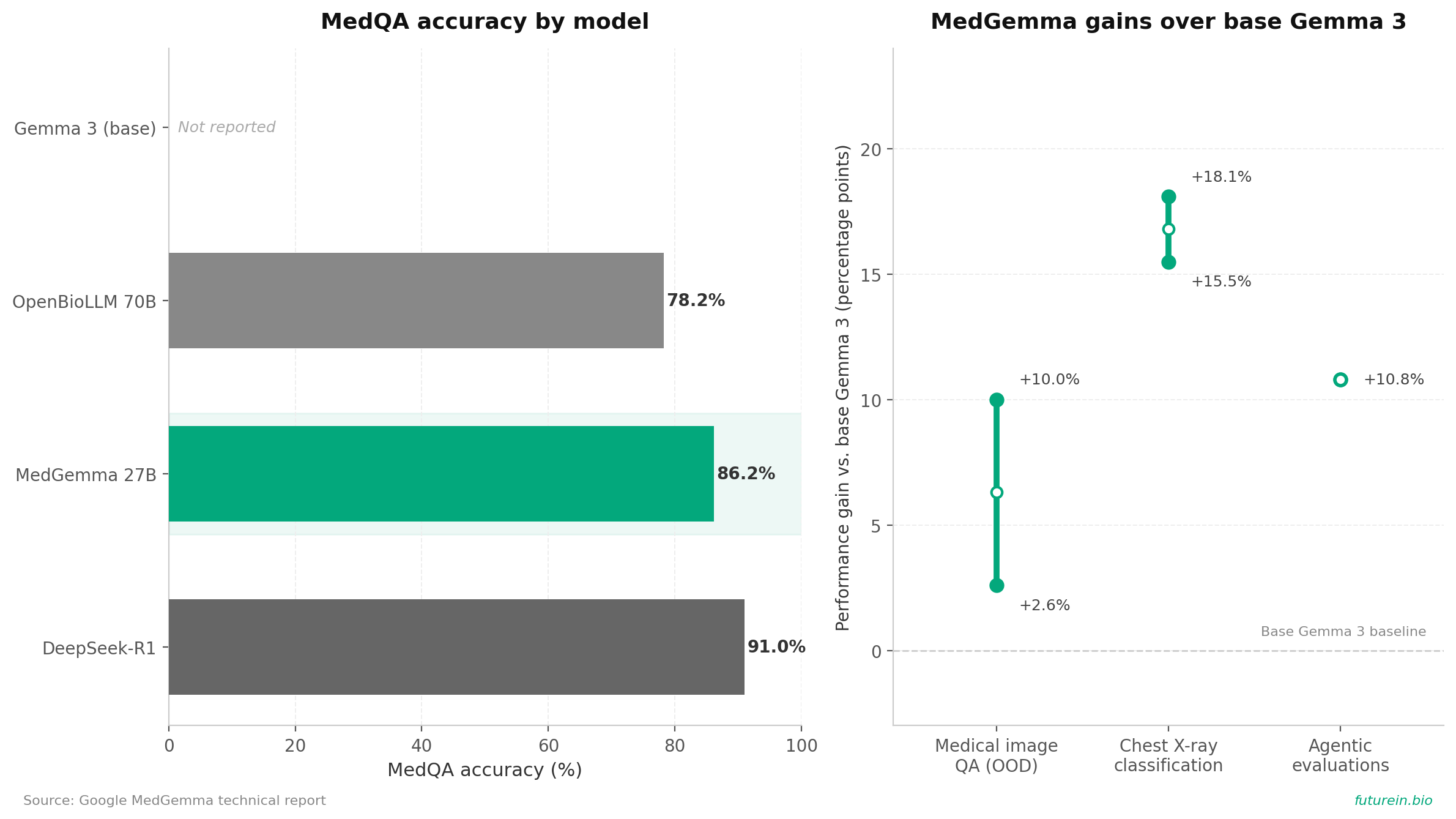
• MedGemma achieves 86.2% on MedQA (best open model at release), with 2.6–18.1% improvements over base models on OOD medical imaging and classification tasks.
• Open-source medical foundation models enabling data-efficient fine-tuning signal a shift toward accessible, locally deployable clinical AI with 500x lower compute costs than frontier models.
AI could improve patient-physician relationships, Lancet study suggests
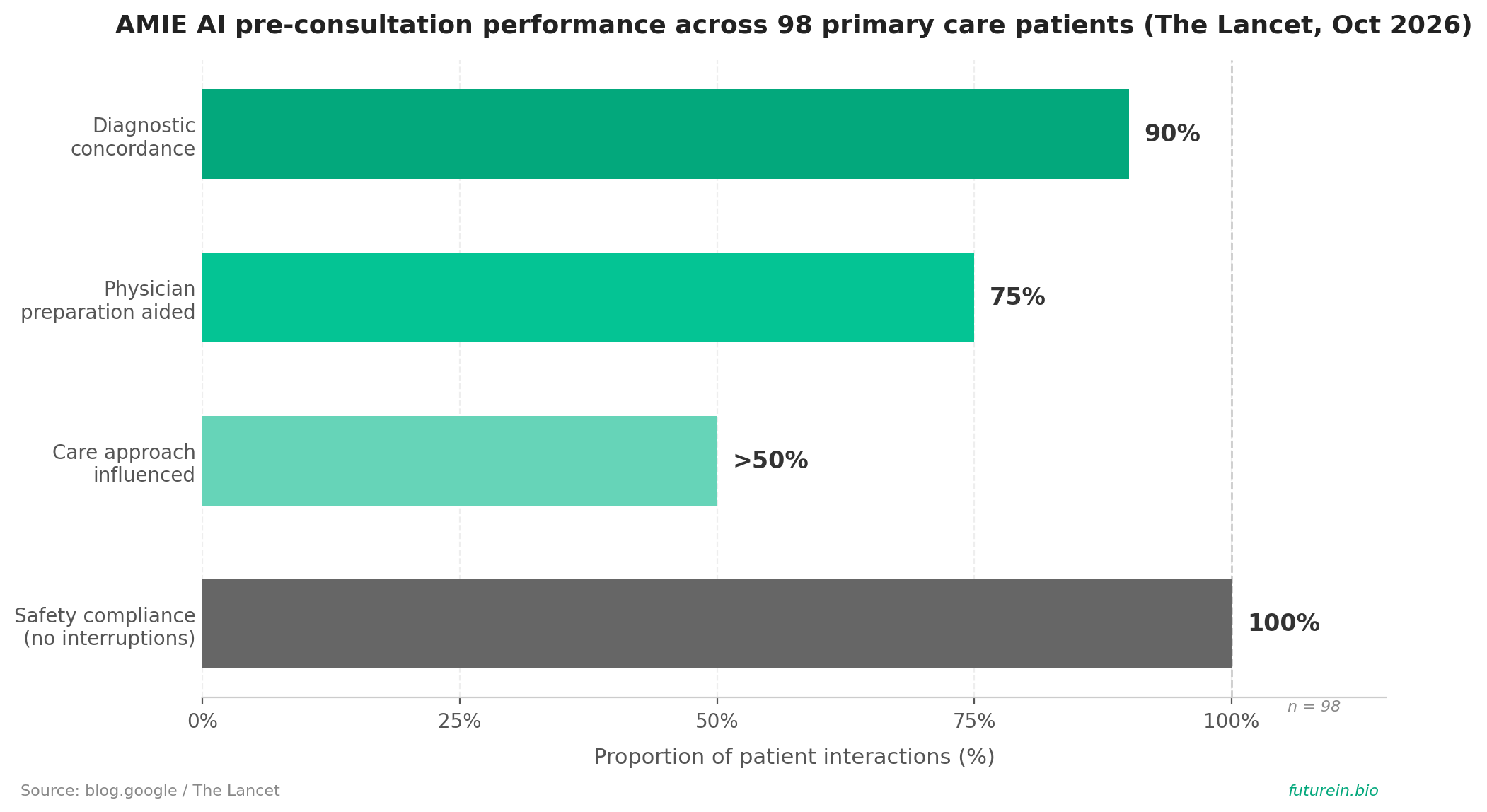
• Google and BIDMC published a Lancet study showing AMIE AI chatbot safely assessed 98 patients pre-visit, with zero safety interruptions required.
• AMIE summaries aided physician preparation in 75% of cases, influenced care in 50%+, and matched final diagnoses 90% of the time.
• Study signals AI pre-consultation tools could systematically reduce healthcare worker strain, though larger trials are still needed for scale validation.
Mount Sinai finds safety prompts help AI models make safer clinical choices
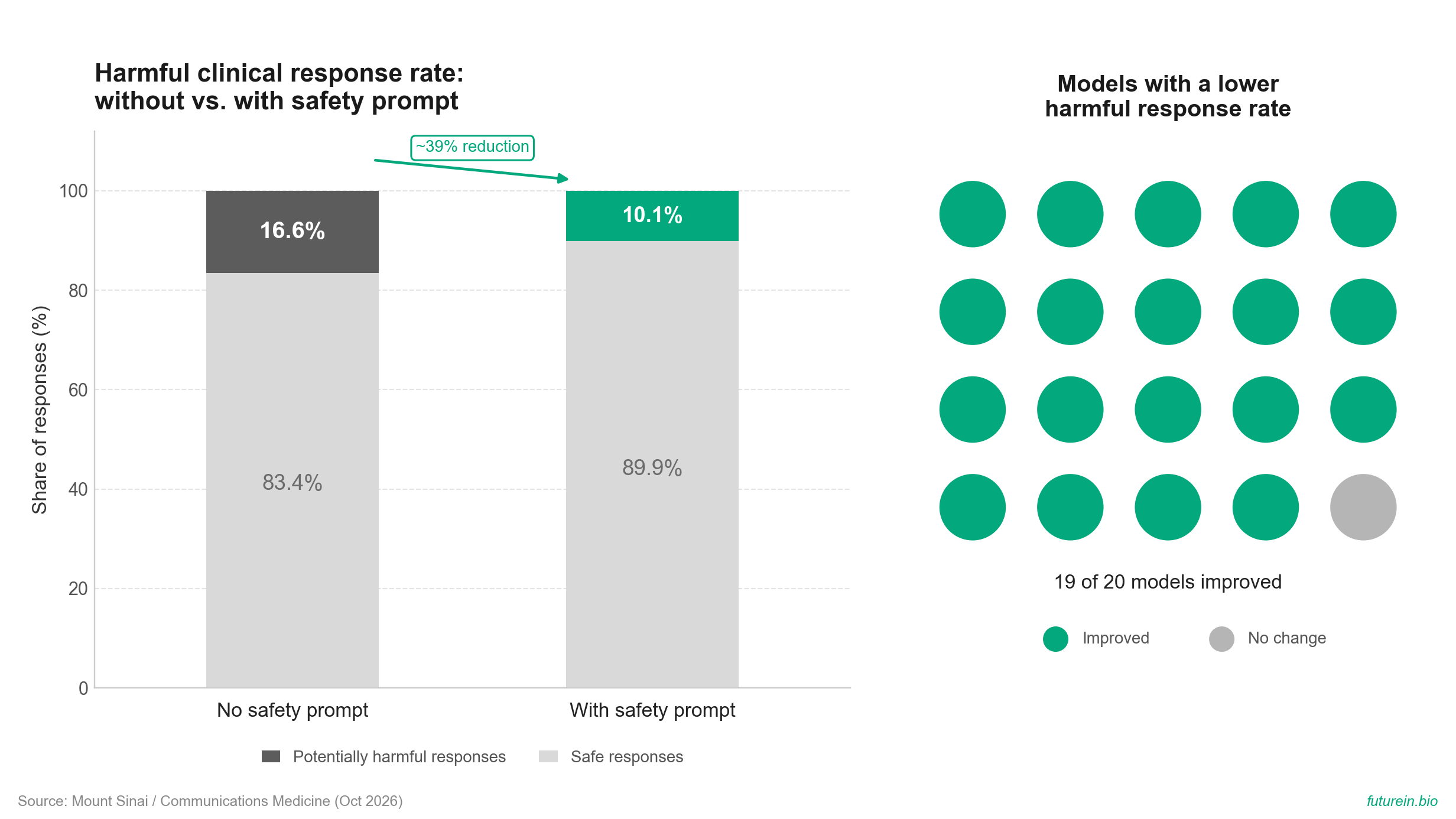
• A Mount Sinai study of 20 AI models and 10M+ responses found brief safety prompts reduced harmful clinical choices from 16.6% to 10.1%.
• Safety reminders reduced potentially harmful AI outputs in 19 of 20 models tested, offering an immediate, low-cost safeguard for clinical AI deployment.
• As AI agents grow more autonomous in healthcare, automated safety testing protocols embedded in development pipelines will become a critical industry standard.
Large language models enable early epilepsy detection from electronic health records
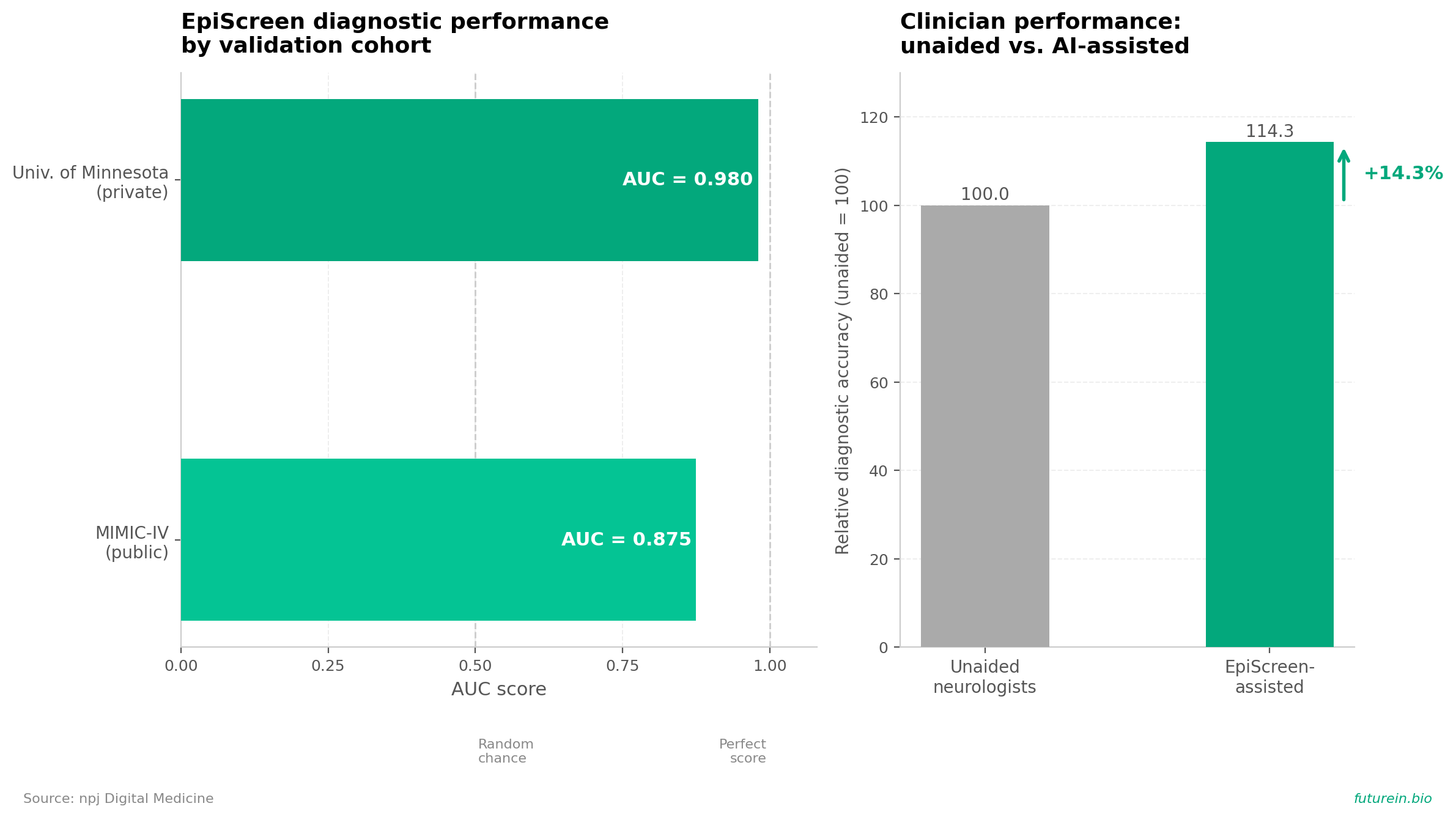
• Researchers developed EpiScreen, an LLM fine-tuned on EHR clinical notes to distinguish epilepsy from psychogenic non-epileptic seizures, achieving AUC of 0.875 (MIMIC-IV) and 0.980 (UMN cohort).
• In clinician-AI collaboration, EpiScreen-assisted neurologists outperformed unaided experts by up to 14.3%, enabling lower-cost screening versus gold-standard video-EEG.
• EpiScreen demonstrates LLMs’ viability for passive, scalable neurological screening from routine EHR data, particularly valuable for resource-limited and underserved healthcare settings.
AI-enabled clinical decision support shows mixed results in primary care
• A JMIR review of 10 real-world AI clinical decision-support studies in primary care found mixed effects on detection and care processes.
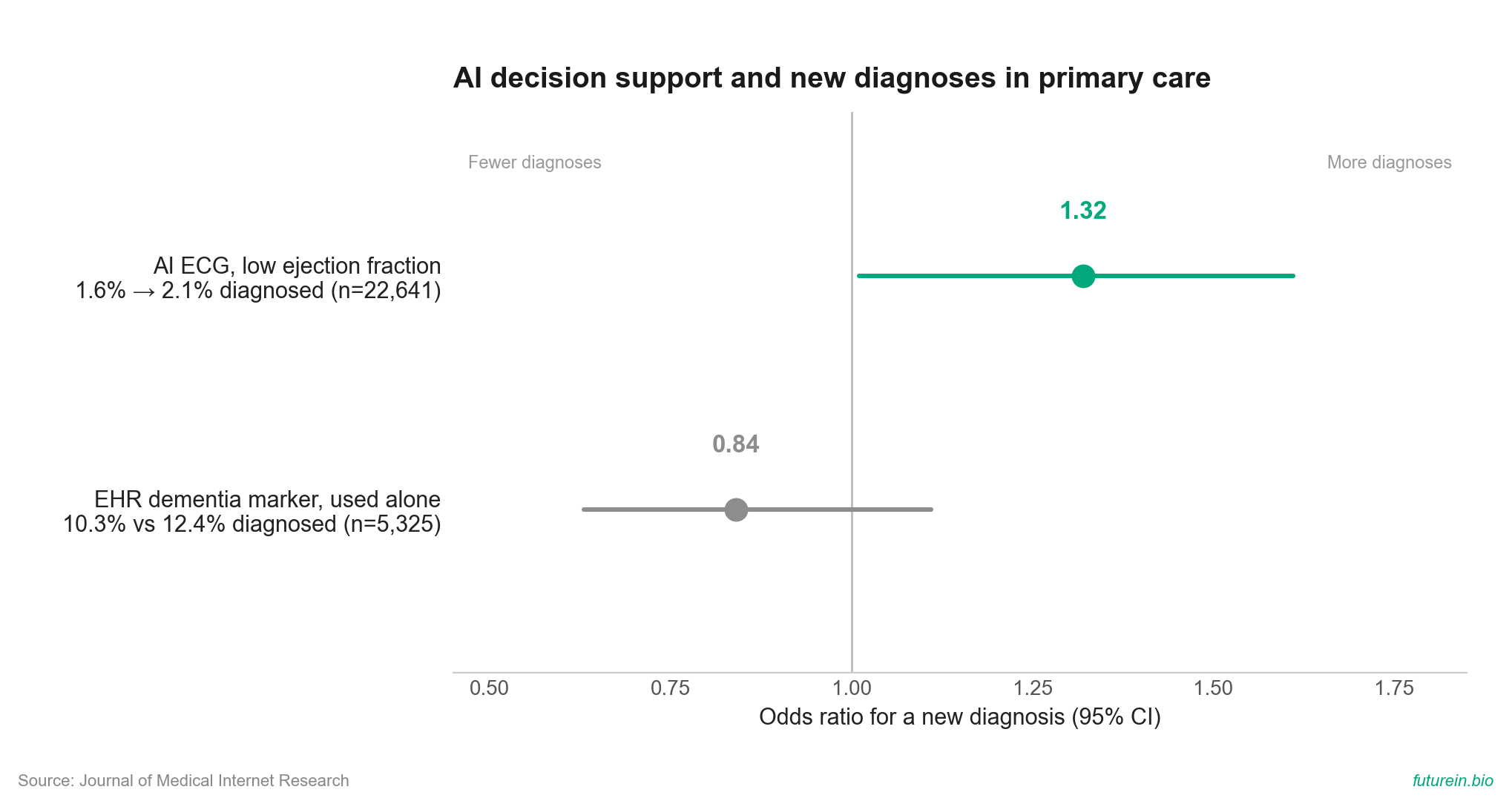
• AI electrocardiography raised new low-ejection-fraction diagnoses (OR 1.32; n=22,641), but an EHR dementia marker used alone did not (adjusted OR 0.84; n=5,325).
• Neither trial measuring patient-important outcomes showed a benefit, so consistent clinical value from primary-care AI decision support remains unproven.
AI model predicts pregnancy hypertension from retinal imaging
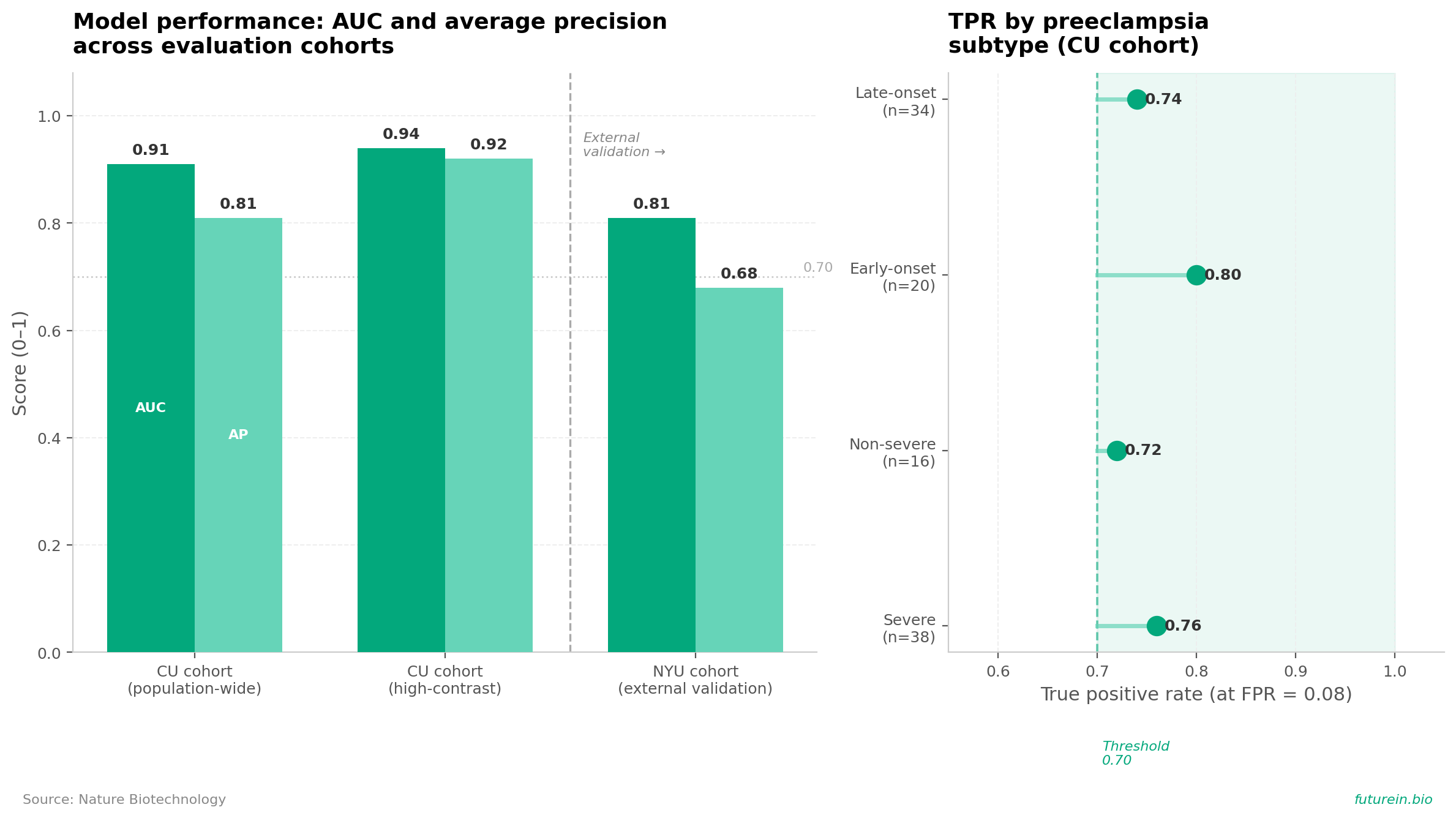
• Visionary AI uses retinal imaging and graph-based vascular modeling to predict preeclampsia before clinical onset, achieving AUC=0.91, AP=0.81 in 1,267 pregnancies.
• The stability-optimized model transferred to an independent NYU cohort (n=79) without retraining, achieving AUC=0.81, AP=0.68, outperforming FMF calculator and deep learning benchmarks.
• Interpretable retinal microvascular biomarkers (topology, geometry, network complexity) position non-invasive eye imaging as a scalable first-trimester pregnancy risk stratification tool.
Chatbot intervention improves cancer risk knowledge in young adults with hereditary syndromes
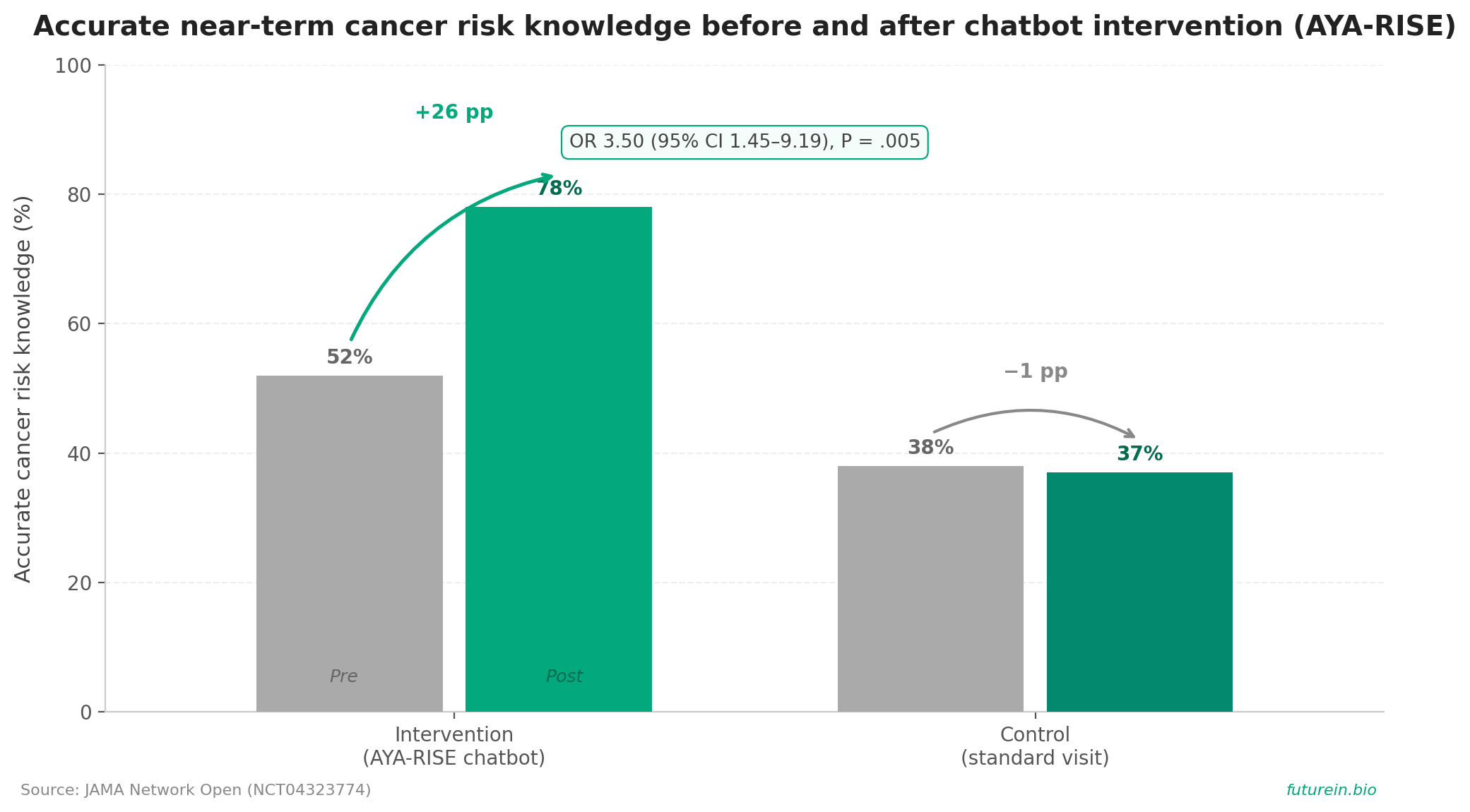
• A randomized clinical trial of 106 AYAs (ages 12–24) with hereditary cancer syndromes tested a chatbot intervention (AYA-RISE) versus standard clinic visits for cancer risk education.
• The chatbot group showed 78% accurate cancer risk knowledge post-visit vs. 37% in controls (OR 3.50; 95% CI 1.45–9.19; P=.005), without increasing psychological distress.
• Digital-human hybrid care models show measurable efficacy in oncology genetics education, supporting scalable AI-assisted patient communication tools for high-risk pediatric populations.
AI flags osteoporosis risk from routine chest X-rays
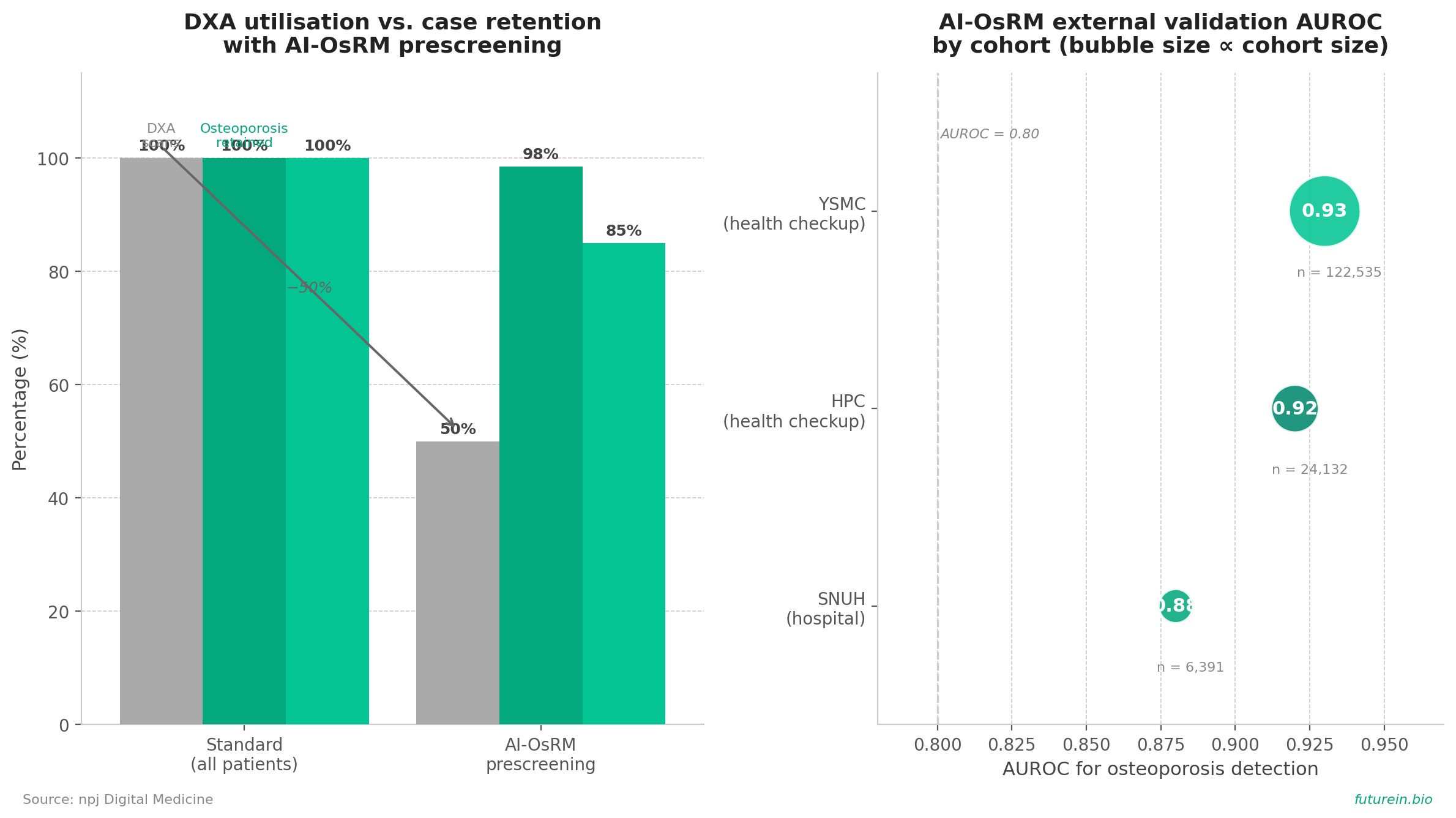
• Researchers developed AI-OsRM, a ResNet-based model trained on 46,478 CXR-DXA pairs from 26,757 patients to detect osteoporosis from chest X-rays.
• AI-OsRM achieved AUROCs of 0.88–0.93 across 3 external cohorts (n=153,058 total), detecting 98–99% of osteoporosis cases while cutting DXA scans by ~50%.
• Opportunistic AI screening using routine imaging to replace dedicated diagnostics signals a broader healthtech shift toward resource-efficient, high-volume population screening.
Abbott wins FDA approval for CardioMEMS HF System with home monitoring app
• Abbott received FDA approval for CardioMEMS HF System updates enabling heart failure patients to view pulmonary artery pressure readings directly on smartphones via CardioGuide HF App.
• The new Dynamic Treatment Plan feature allows clinicians to push personalized medication adjustment instructions directly to patients’ phones based on real-time PAP changes.
• This approval reflects medtech’s shift toward patient-facing remote monitoring, with PAP-based early detection identifying worsening heart failure weeks before symptom onset.
Teladoc Health launches AI tools to streamline remote monitoring and clinical documentation
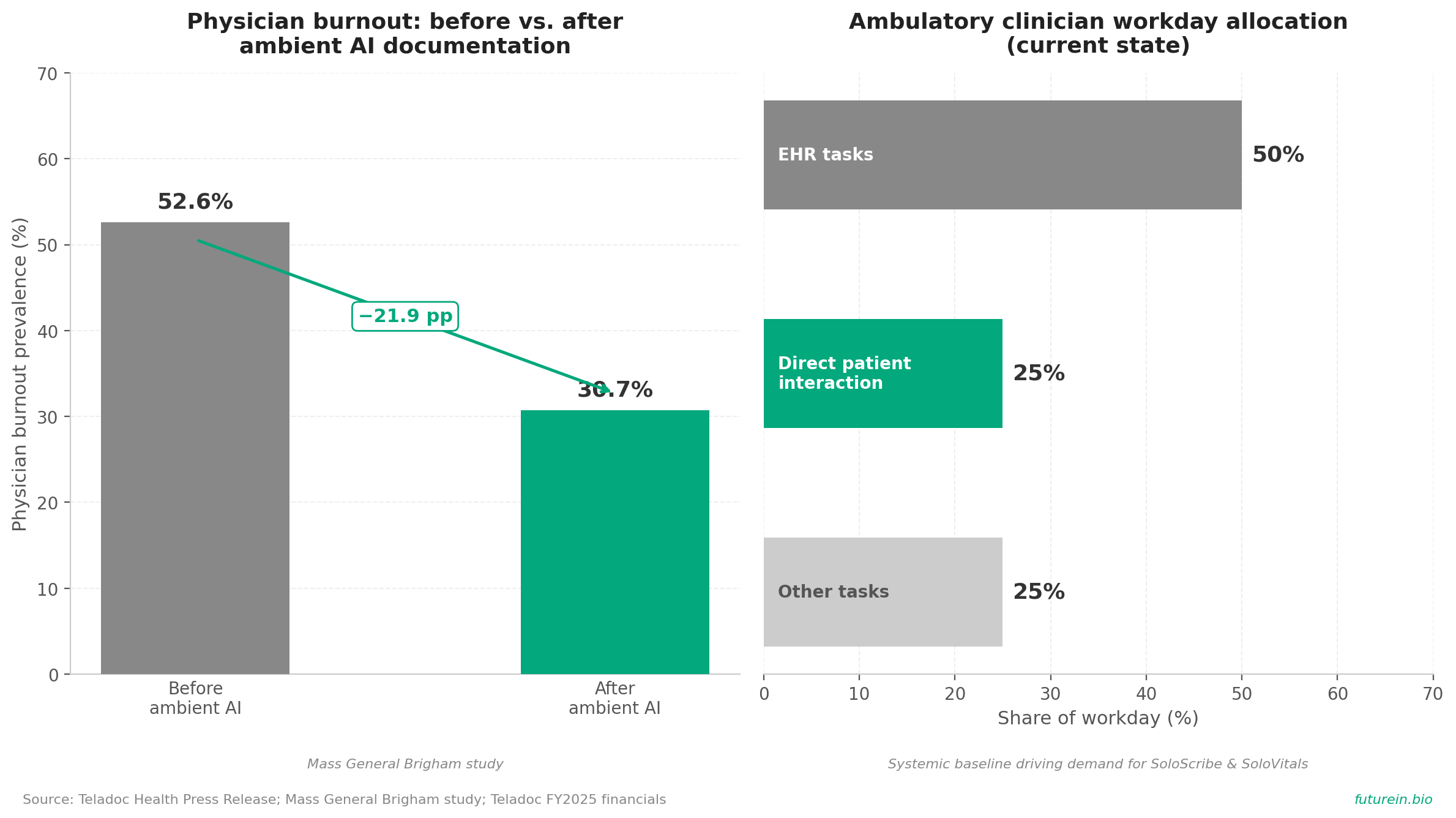
• Teladoc Health launched SoloVitals (rPPG contactless biometrics, GA December 2026) and SoloScribe (ambient EHR documentation, GA now) natively within its Solo platform across 15,000+ care locations.
• SoloScribe directly targets clinician burnout, where ambient AI scribes demonstrably saved 16 minutes/documentation per 8-hour shift and reduced burnout prevalence by 21.2% in published studies.
• Teladoc’s Integrated Care segment grew 4% to $1,528.9M (FY2024) and 3% to ~$1,579.6M (FY2025), signaling AI-native platform monetization as the company’s primary long-term growth lever.
UK regulator to continuously monitor AI-based medical devices
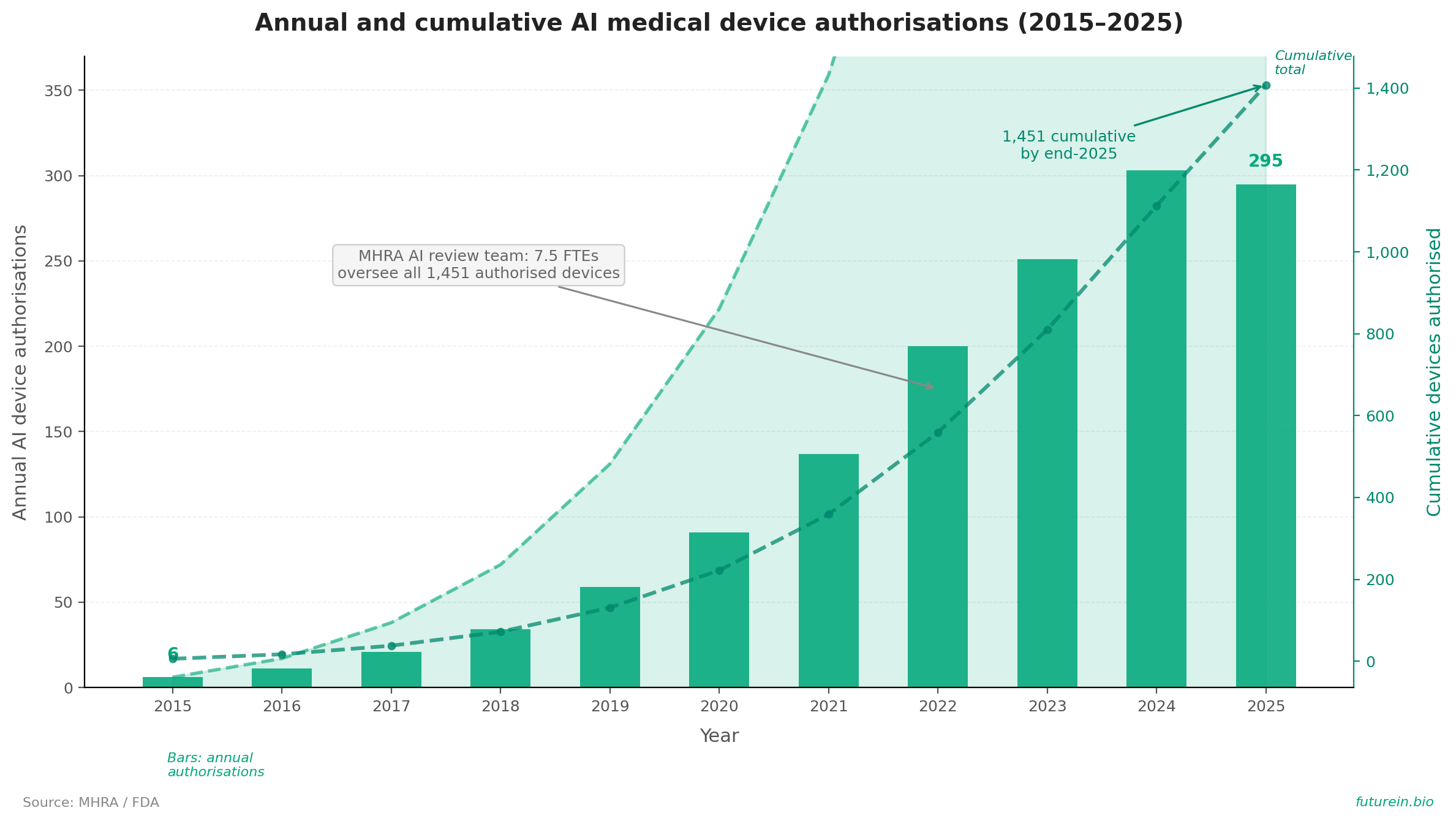
• The UK’s MHRA will continuously monitor all AI-based medical devices, replacing the prior single-check approach, guided by 44 commission recommendations from 12,000+ respondents.
• MHRA opens Phase 3 of its £3.6M “AI Airlock” sandbox, with a full implementation roadmap due spring 2027.
• With the global AI medical devices market surging from $22.29B (2024) to $886.39B (2034) at 44.53% CAGR, lifecycle regulation addresses critical gaps—only 5% of approved devices currently report adverse events.
Continuous glucose monitoring linked to better kidney outcomes in type 2 diabetes
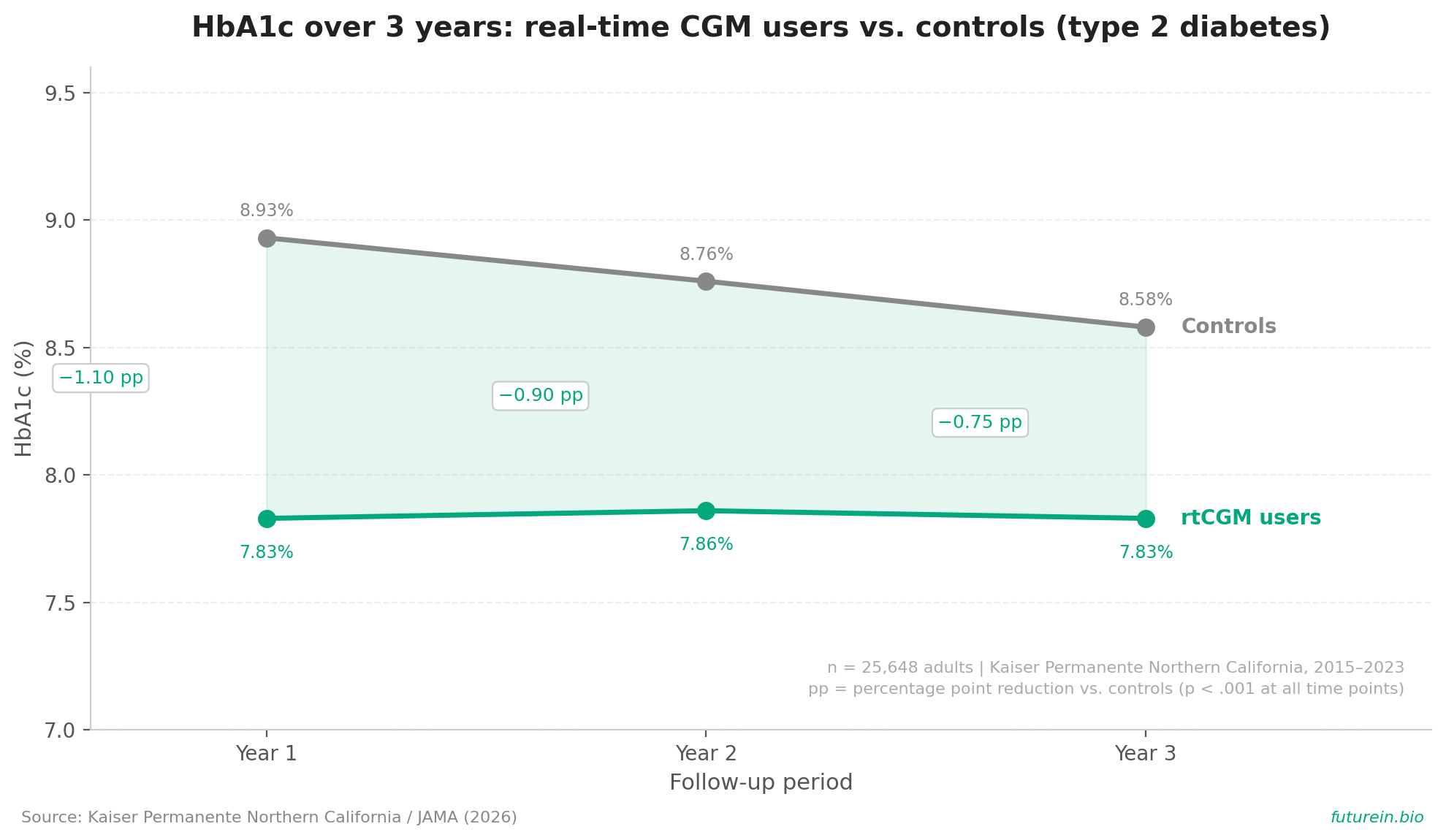
• This comparative effectiveness study of 25,648 T2D adults found sustained rtCGM use reduced HbA1c by 1.10 percentage points at Year 1 vs. controls.
• rtCGM users showed 125.3 mg/g lower urinary albumin-creatinine ratio by Year 3 (p=.001), suggesting measurable kidney protection beyond glycemic control alone.
• With the CGM market growing at 16.3% CAGR from $12.4B (2025) to $55.5B (2035), real-world kidney outcome data strengthens clinical and commercial adoption momentum.
Oral GLP-1 drug safiglipron matches or beats dapagliflozin in type 2 diabetes trial
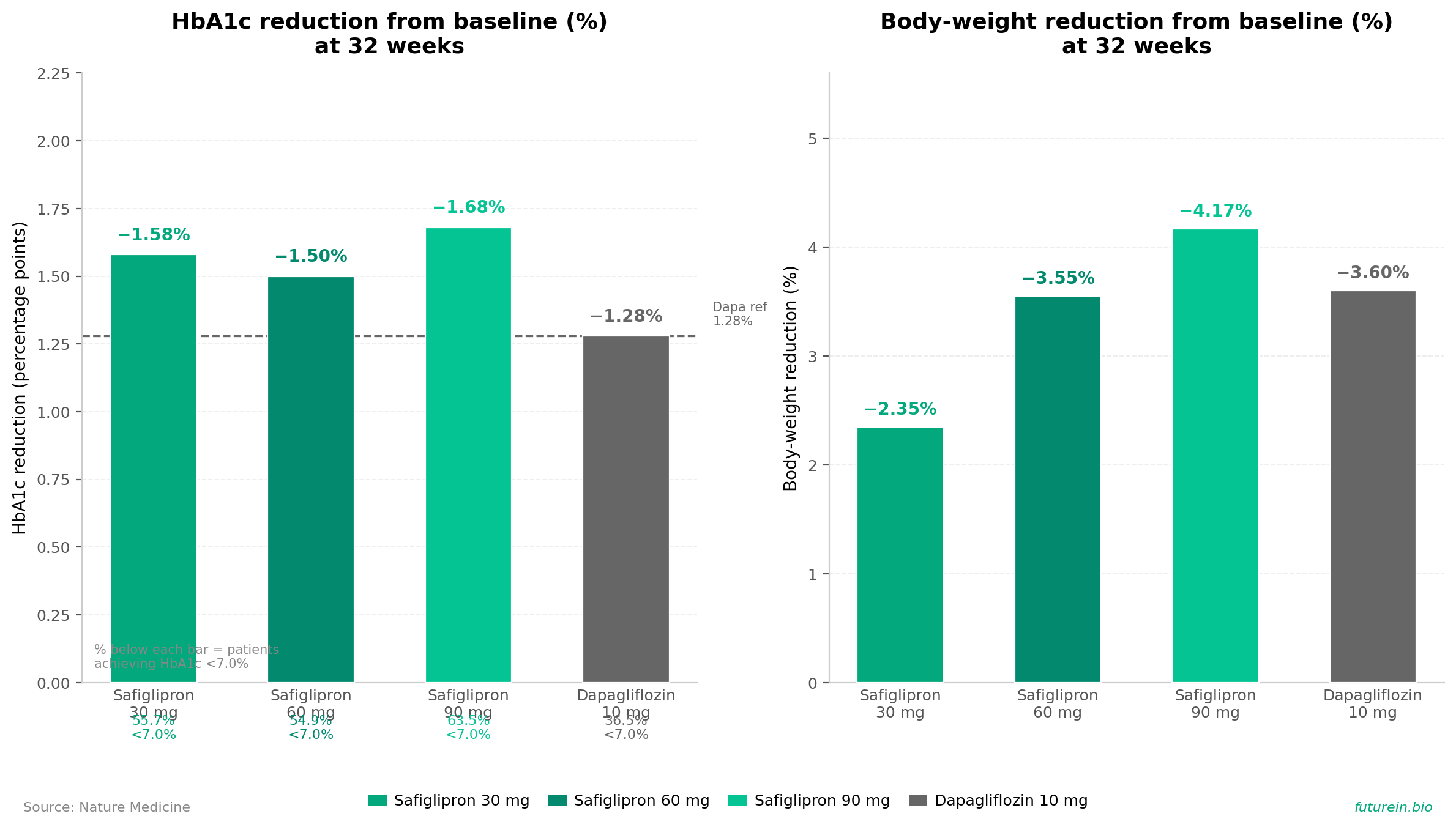
• OUTSTAND-2 phase 3 trial (NCT06589765, n=810) showed oral small-molecule GLP-1RA safiglipron non-inferior to dapagliflozin for HbA1c reduction (−1.58% to −1.68% vs −1.28%) at 32 weeks.
• Safiglipron 90mg achieved statistical superiority over dapagliflozin (difference −0.25%; p=0.0067), with HbA1c <7.0% attainment of 63.5% vs 36.5%.
• First double-blind GLP-1RA vs SGLT2i phase 3 trial validates oral small-molecule GLP-1RAs as credible pill-form alternatives, potentially enabling fixed-dose combination therapies without fasting restrictions.
BCMA CAR-T therapy shows mixed long-term results in multiple myeloma patients
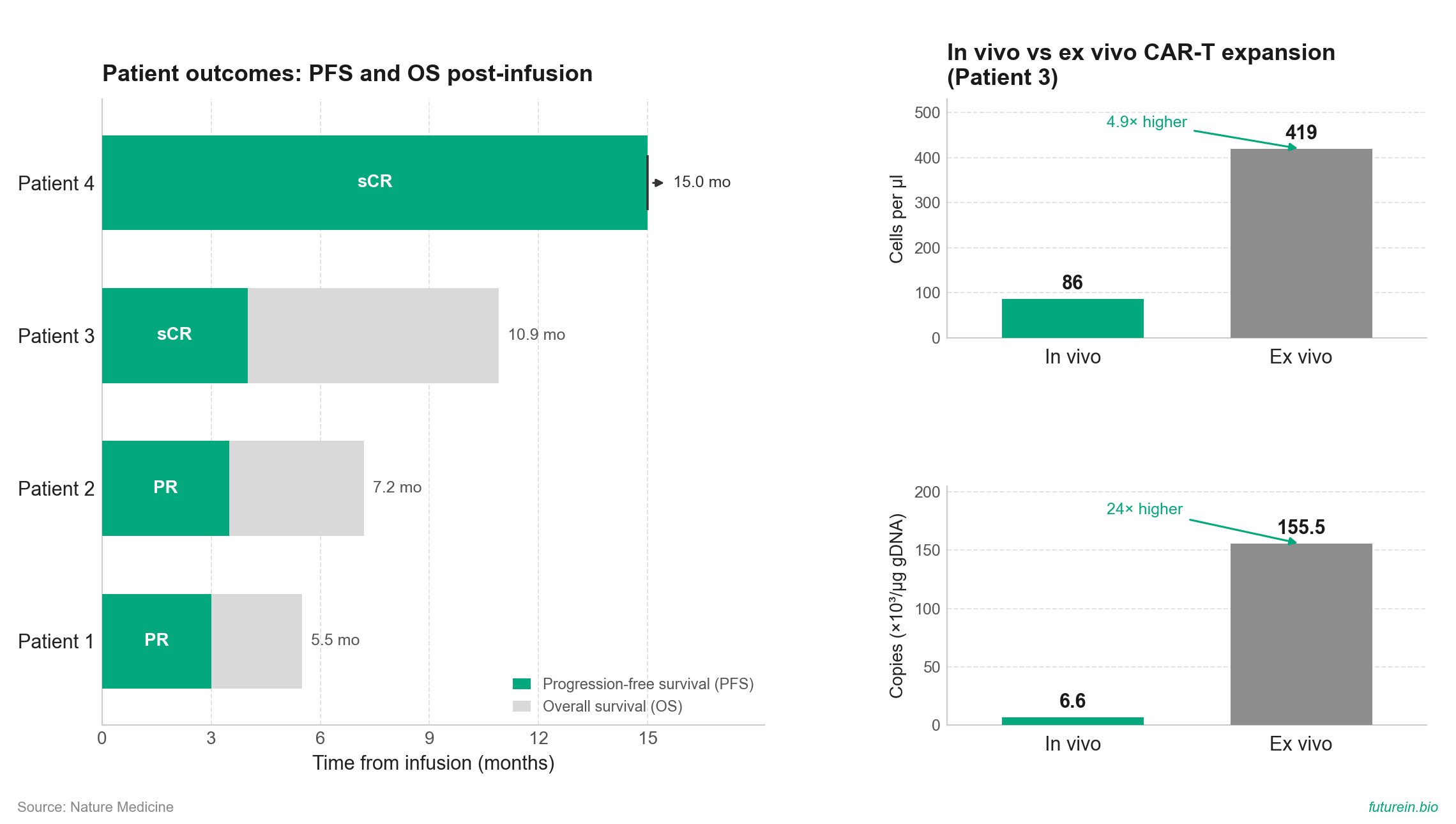
• This study reports 15-month follow-up of 4 R/R multiple myeloma patients treated with in vivo BCMA CAR-T (ESO-T01), without leukapheresis or lymphodepletion.
• 100% objective response rate achieved (2 sCR, 2 PR); 1 patient maintained sCR at 15 months; median PFS was 4.0 months; 3 patients died.
• Limited CAR-T persistence and extramedullary relapse in 3/4 patients signal urgent need to optimize in vivo CAR-T platforms for durable remission.