Digital-first GLP-1 delivery shows trial-comparable weight loss in 8,127 UK women
• This observational UK study evaluated GLP-1RA therapy (99.8% tirzepatide) delivered via a structured digital program in 8,127 women over 6 months.
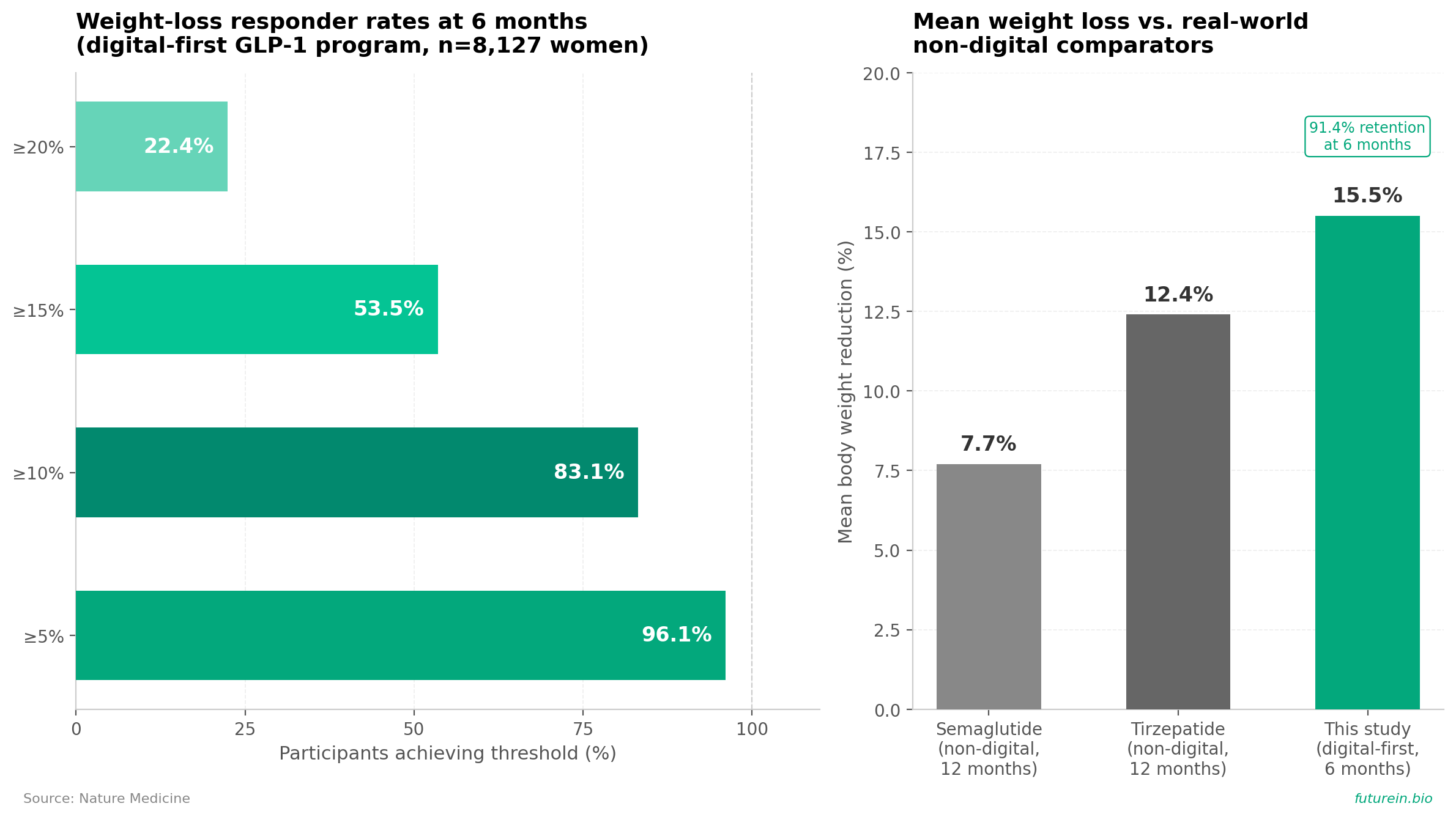
• Participants achieved 15.5% mean weight loss (16.1kg), with 83.1% reaching ≥10% and 91.4% retention—rivaling RCT benchmarks at lower doses (mean 9.5mg weekly).
• Digital-first delivery models demonstrably close the real-world efficacy gap (typically ~50% of RCT outcomes), signaling scalable infrastructure for next-generation dual/triple GLP-1 agonists.
AstraZeneca partners with insitro on $1.5B AI drug discovery deal for liver and heart disease
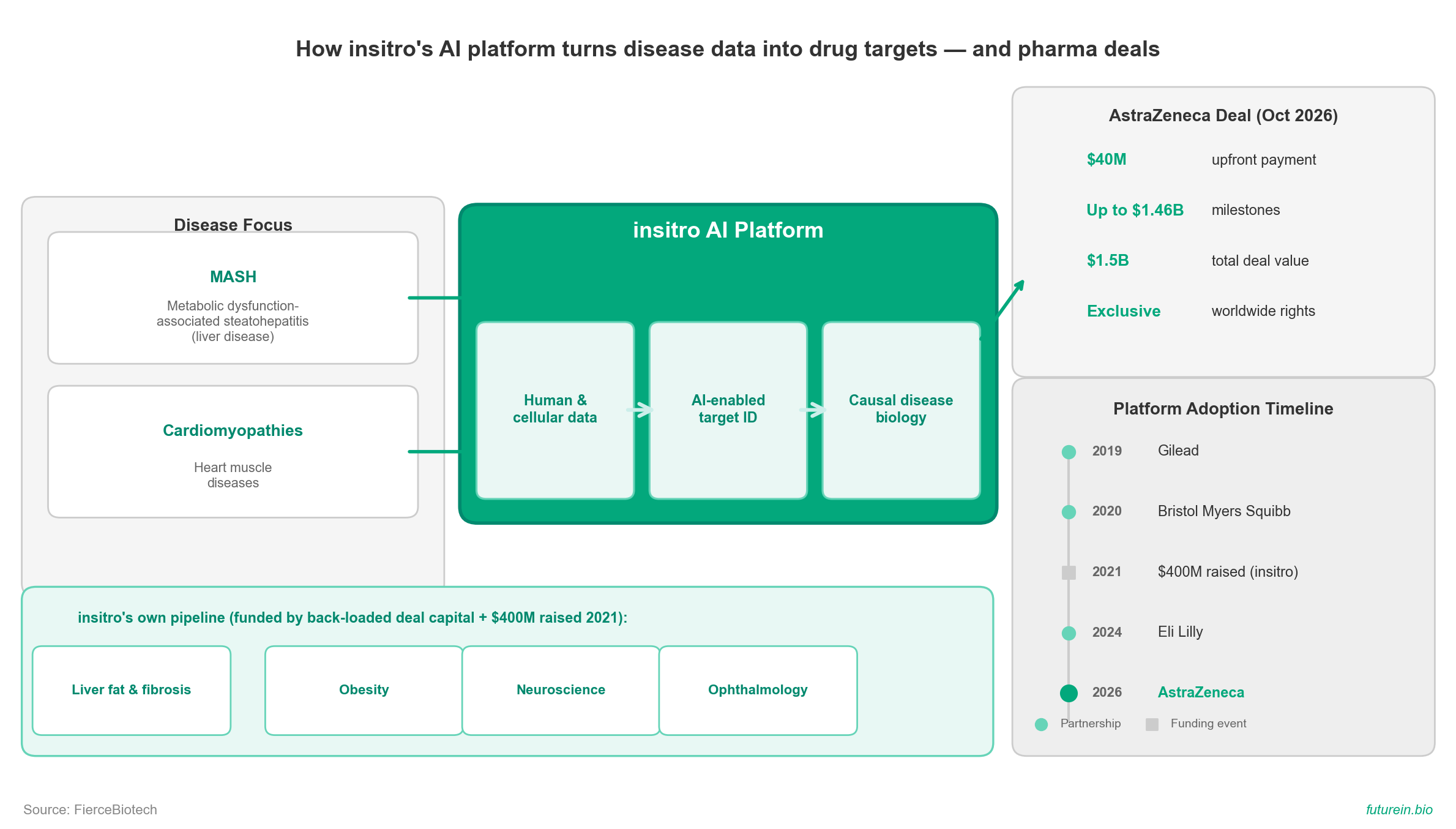
• AstraZeneca is paying insitro $40M upfront, with up to $1.46B in milestones, to apply insitro’s AI target-discovery platform to MASH and cardiomyopathies.
• AstraZeneca gets exclusive worldwide rights to selected programs, adding to its AI deals with Algen Biotechnologies and Owkin and its acquisition of Modella AI.
• AstraZeneca follows Gilead (2019), Bristol Myers Squibb (2020) and Eli Lilly (2024) onto insitro’s platform; the back-loaded deals help fund insitro’s own pipeline after a $400M raise in 2021.
Clinicians increasingly adopt AI-enabled clinical information platforms
• A JAMA cross-sectional study of OpenEvidence logs found 952,008 US clinicians submitted 271 million AI clinical queries over 2.5 years, as monthly active users grew from 355 to 703,265.
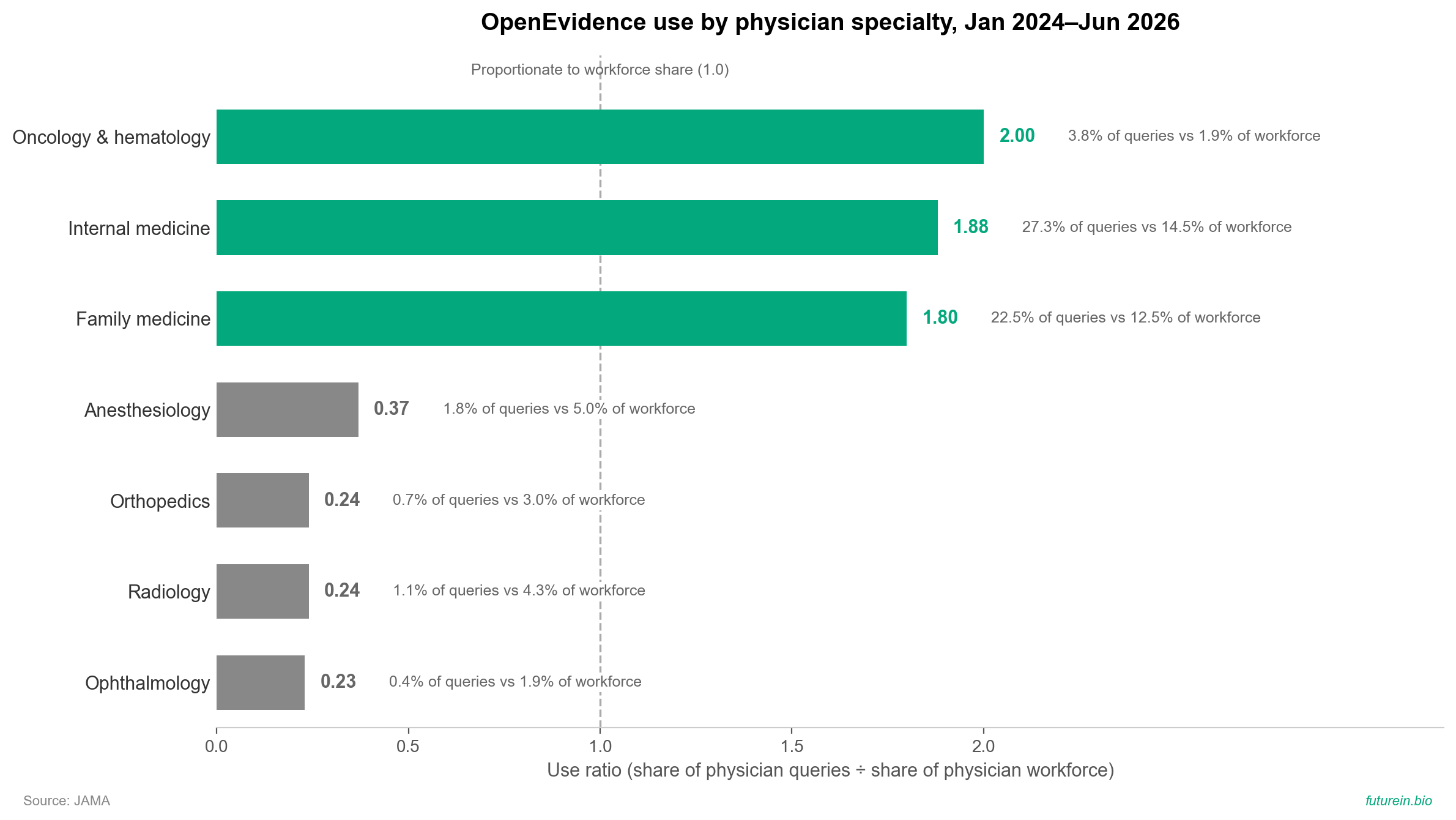
• Adoption split sharply by specialty (use ratio = share of queries ÷ share of workforce): oncology/hematology 2.00, internal medicine 1.88 and family medicine 1.80 versus ophthalmology 0.23, radiology 0.24, orthopedics 0.24 and anesthesiology 0.37.
• Early-career physicians led use (ratio 2.54), and 51.9% of queries targeted clinical decision-making, mostly treatment and management (33.1%) rather than diagnosis (13.9%).
Multi-agent AI framework detects multiple cancers early using patient EHR data
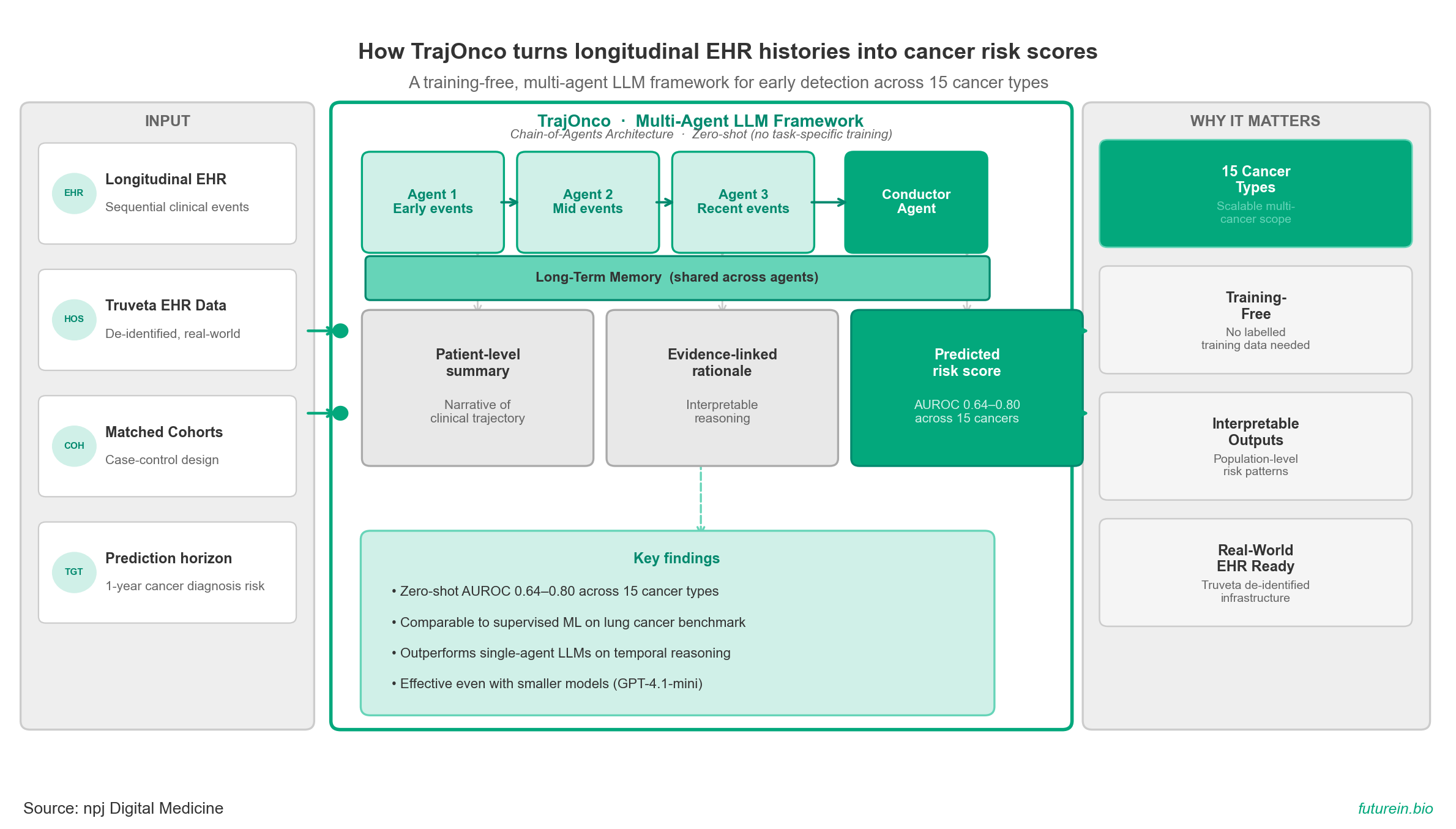
• TrajOnco is a training-free, multi-agent LLM framework that reasons over longitudinal EHRs to predict 1-year cancer risk across 15 cancer types, tested on de-identified Truveta data.
• In zero-shot evaluation it reached AUROCs of 0.64–0.80, performing comparably to supervised ML on a lung cancer benchmark and outperforming single-agent LLMs on temporal reasoning.
• It also worked with smaller models such as GPT-4.1-mini, and its reasoning outputs aggregate into population-level risk patterns consistent with established clinical knowledge.
AI maps brown fat activity to metabolic and psychiatric health outcomes
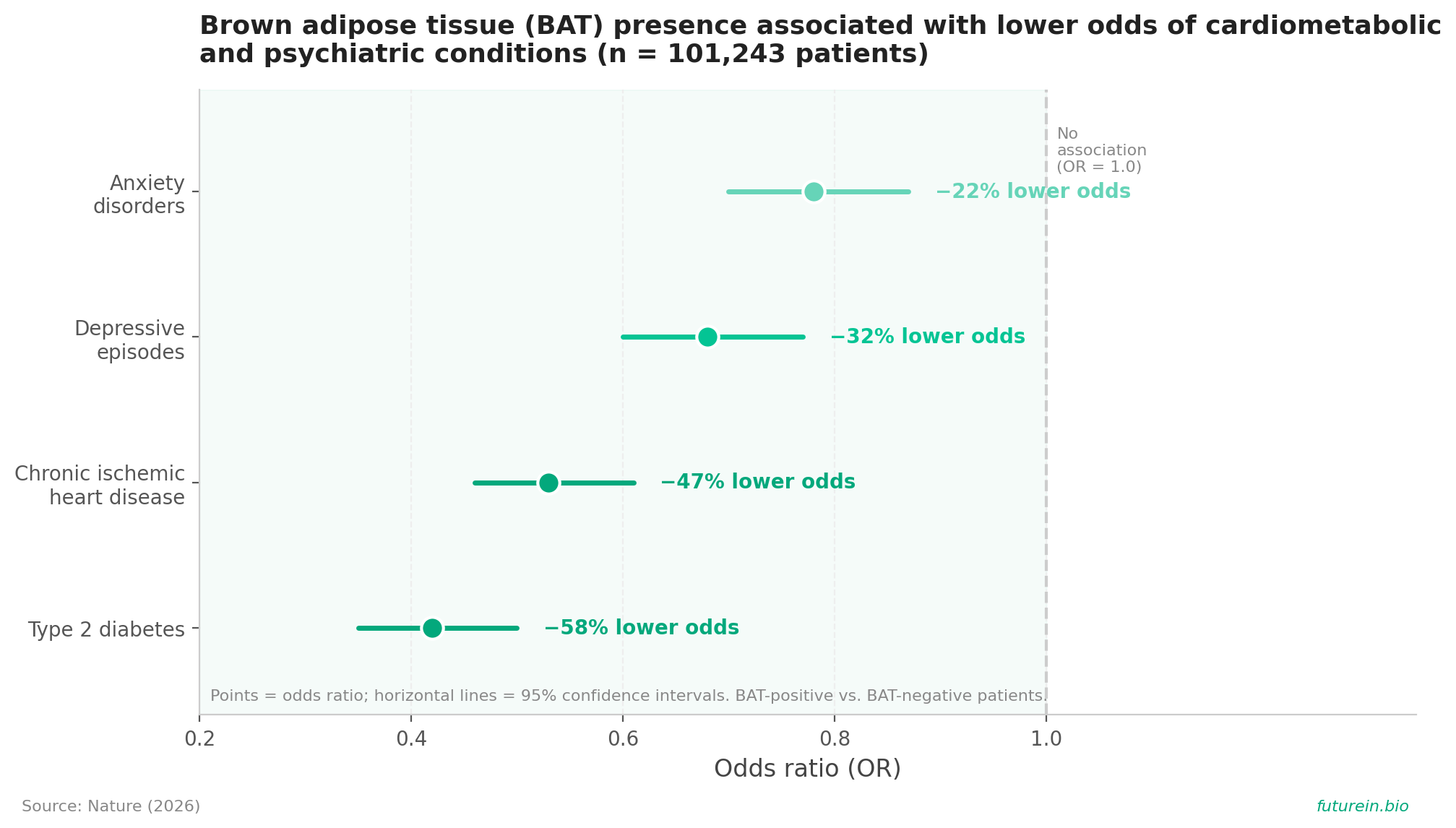
• Researchers analyzed 101,243 cancer patients using AI to quantify brown adipose tissue (BAT) activity, finding BAT+ patients had 58% lower T2D odds and 47% lower ischemic heart disease odds.
• AI tool (TriDFusion) semi-automatically quantified BAT in ~8,700 patients, revealing axillary BAT depot most strongly reduces cardiometabolic risk; losartan identified as a novel BAT activator via PPARγ pathway.
• Big data-driven drug repurposing platform linking BAT to 92 lower-prevalence conditions signals a scalable AI approach to identifying metabolic therapeutics across 100,000+ patient cohorts.
Zealand partners with Generate Biomedicines on AI-designed obesity treatments
• Zealand Pharma and Generate Biomedicines will develop AI-designed multispecific protein therapeutics for obesity and metabolic disease, starting with 2 programs and an option for a third.
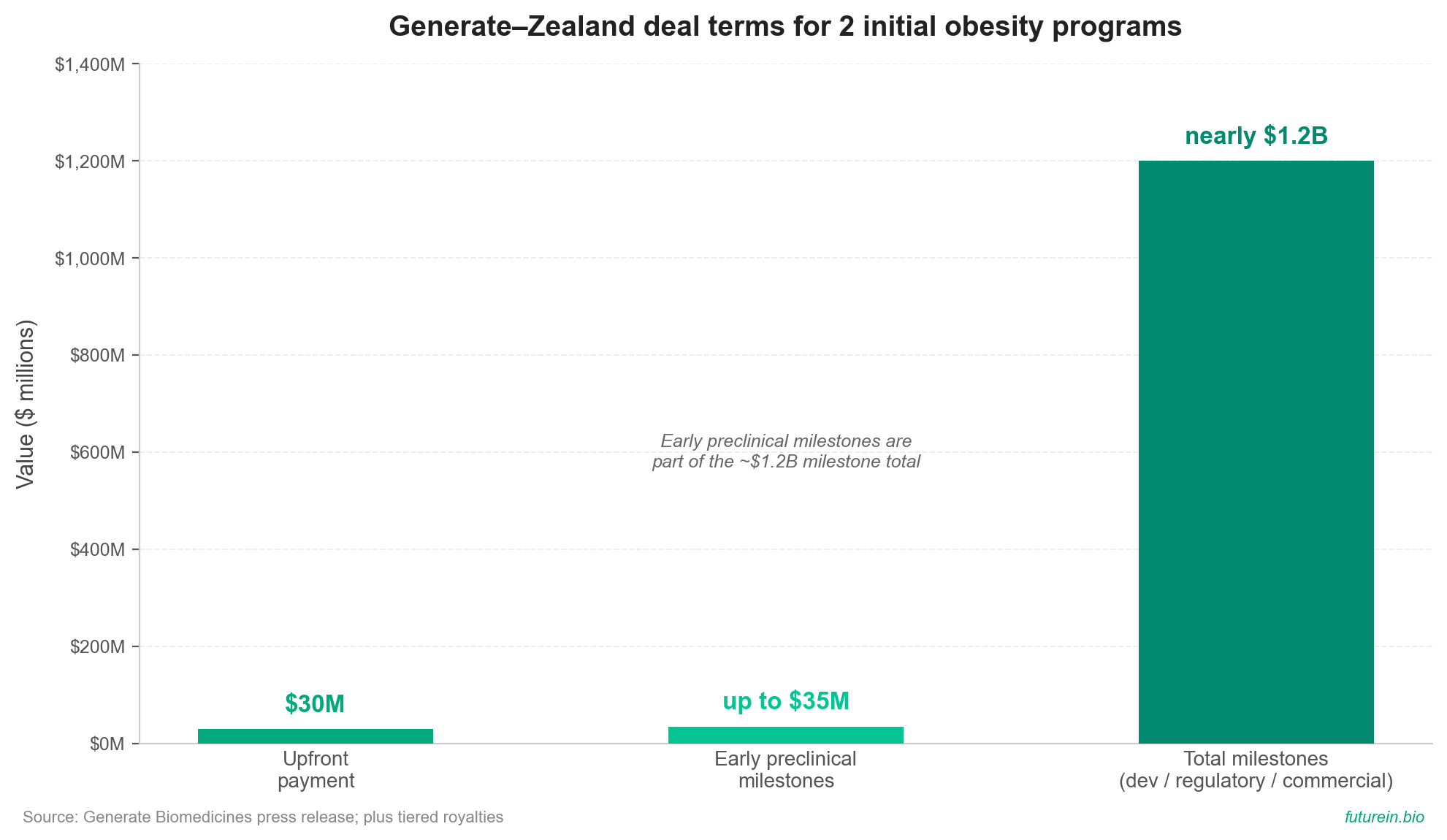
• Generate receives $30M upfront and is eligible for nearly $1.2B in milestones (including up to $35M early preclinical), plus tiered royalties; Zealand leads clinical development and commercialization.
• The deal moves Zealand beyond peptides: more than 10 of its in-house candidates have entered clinical development, 2 have reached the market and 3 are in late-stage development.
Foundation model unifies medical image restoration across seven imaging modalities
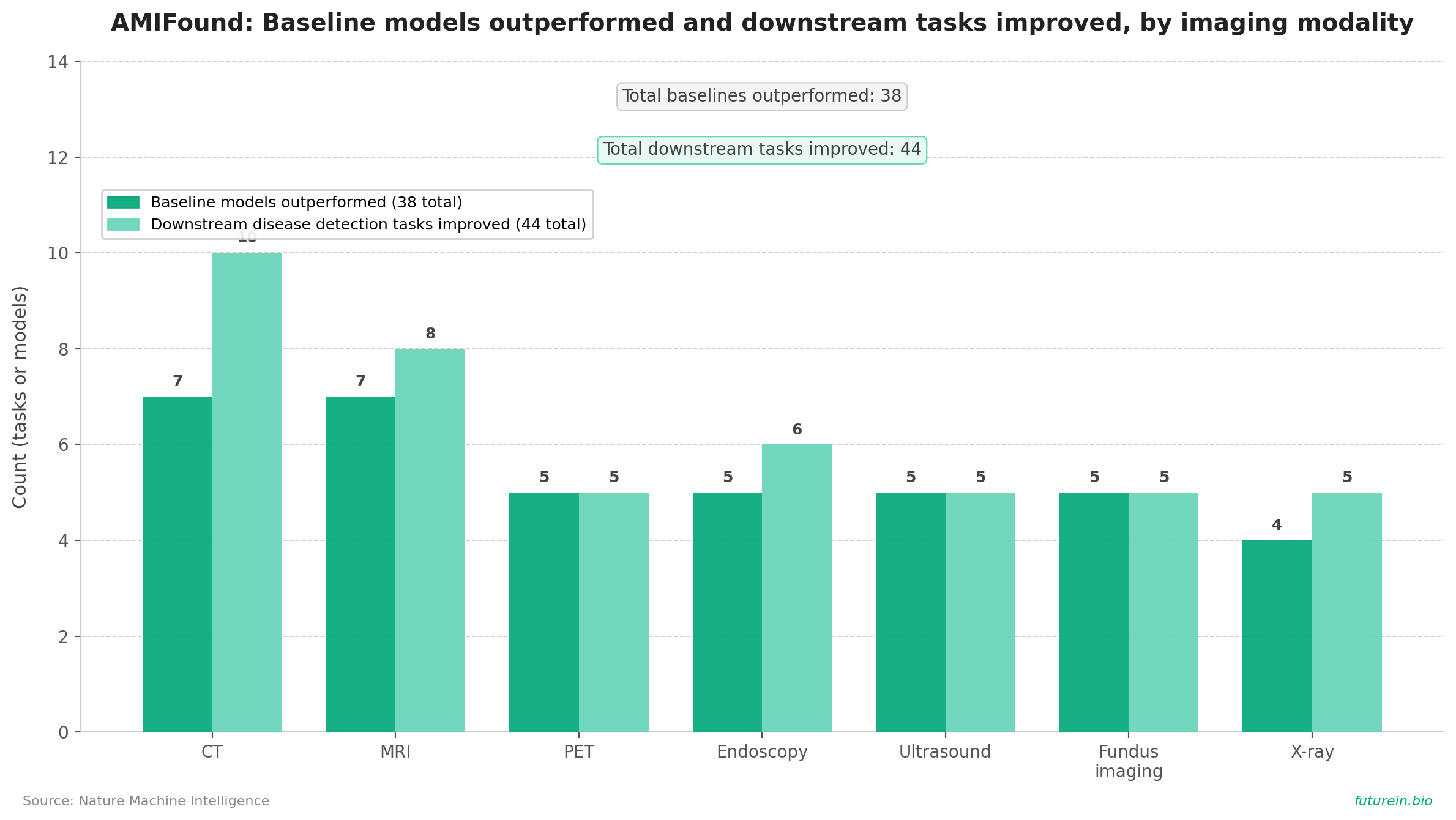
• AMIFound is a multimodal foundation model trained on 3.76M paired images across 7 modalities (CT, MRI, PET, endoscopy, ultrasound, fundus, X-ray) addressing 7 degradation types.
• AMIFound outperforms 38 task-specific and generalist baselines, improving 44 disease detection tasks plus NSCLC tumor staging and survival risk stratification.
• The model demonstrates that unified image restoration foundation models can replace fragmented task-specific pipelines, strengthening downstream medical AI workflows at scale.
Researchers use AI to design custom metalloproteases for therapeutics and biotech
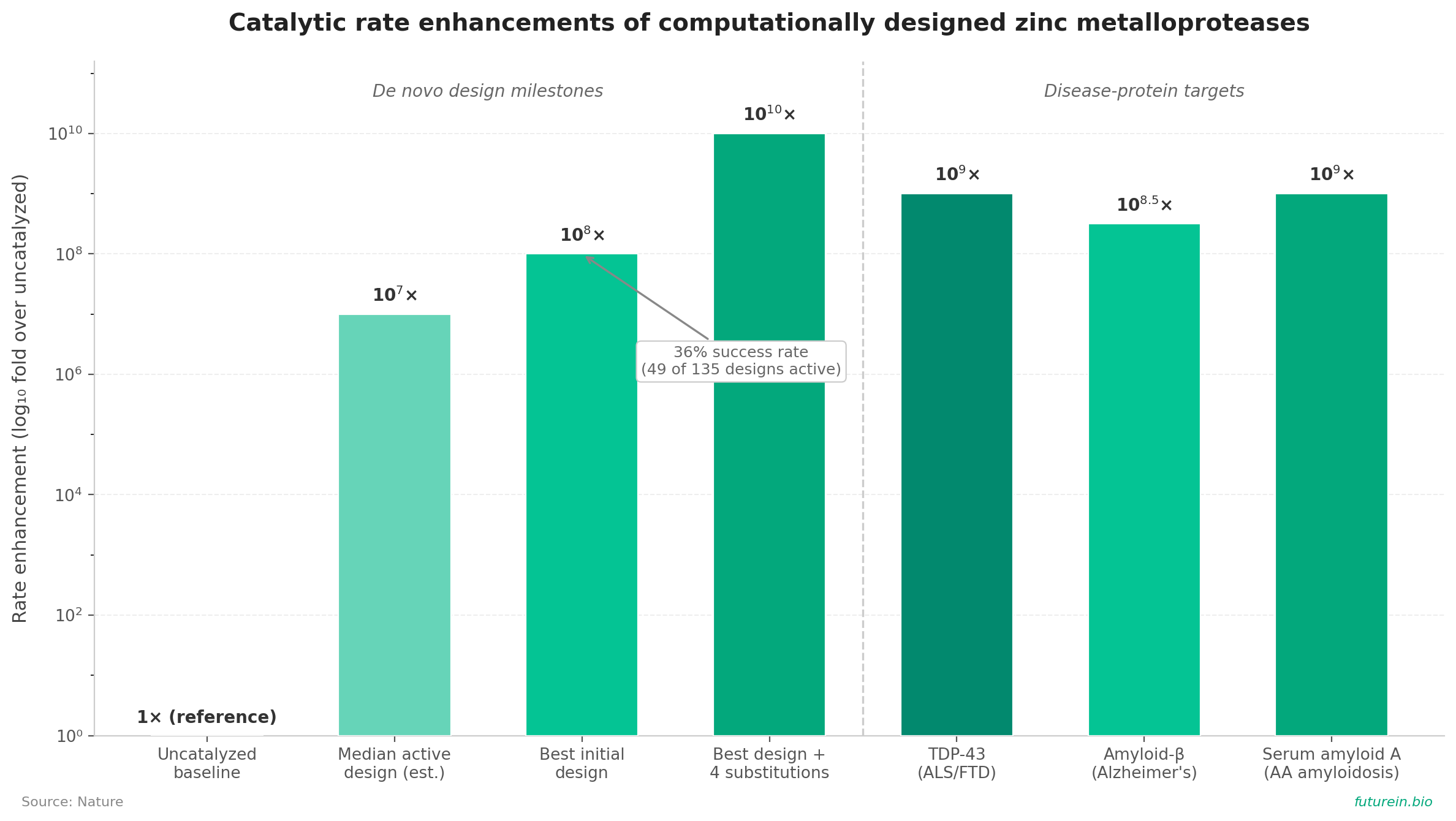
• Researchers used RFdiffusion AI to de novo design zinc-based metalloproteases, achieving 36% success rate across 135 designs with up to 10¹⁰-fold peptide-bond hydrolysis acceleration.
• Designed proteases selectively cleave disease-linked proteins TDP-43, amyloid-β, and serum amyloid A (up to 10⁹-fold rate enhancement), enabling bioorthogonal control of cell state via caged cytokines.
• Demonstrates computational enzyme design can produce programmable, therapeutic-grade proteases, accelerating AI-driven drug development for neurodegeneration, amyloidosis, and precision biologics activation.
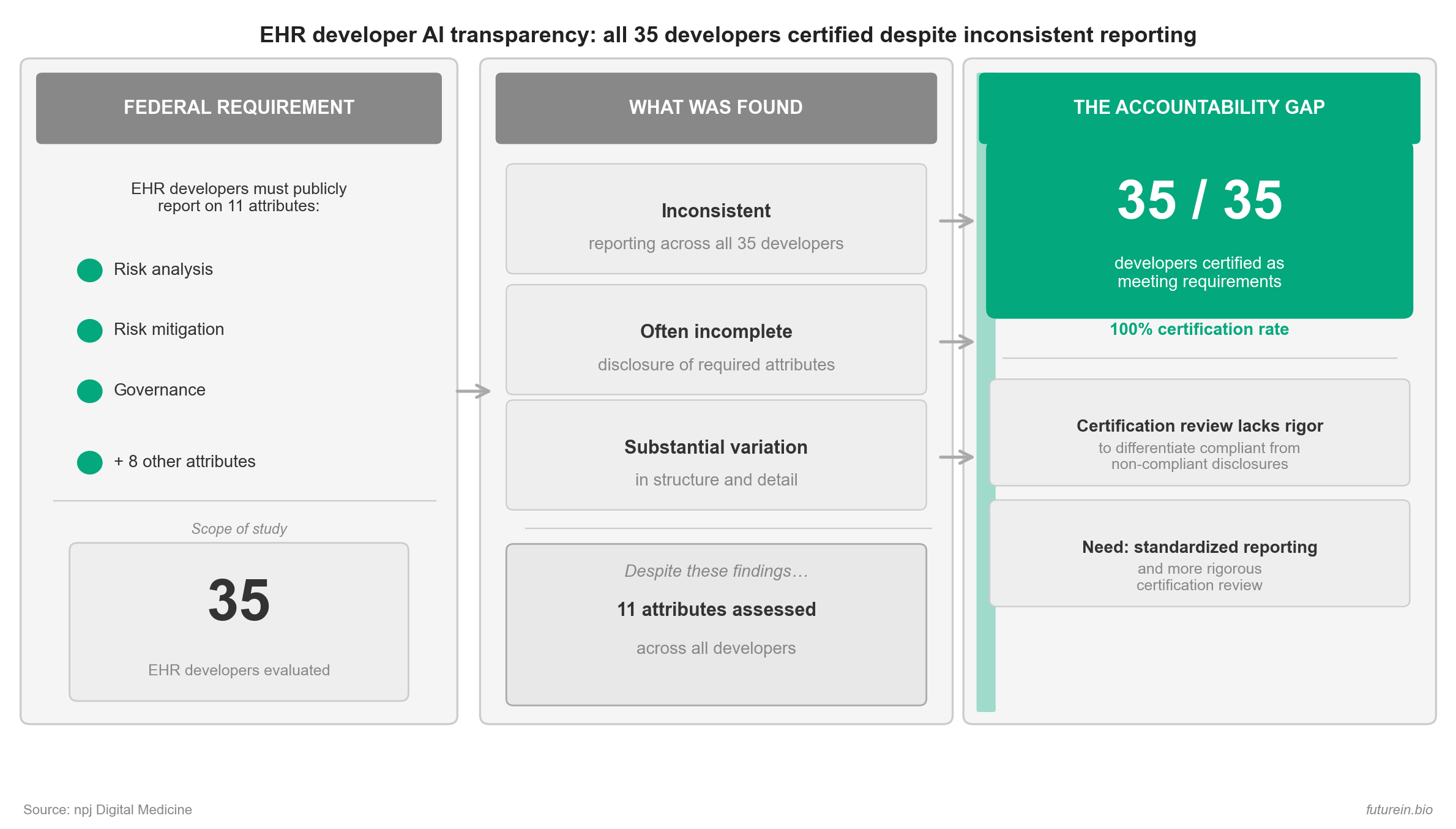
EHR developers show mixed adherence to federal AI risk transparency rules
• Researchers evaluated 35 EHR developers’ compliance with federal AI transparency requirements across 11 attributes including risk analysis, mitigation, and governance reporting.
• Despite inconsistent, incomplete reporting with substantial structural variation across all 35 developers, every developer received federal certification, signaling a flawed review process.
• Findings highlight growing regulatory pressure for standardized AI transparency frameworks in healthtech, suggesting stricter certification standards are likely forthcoming.
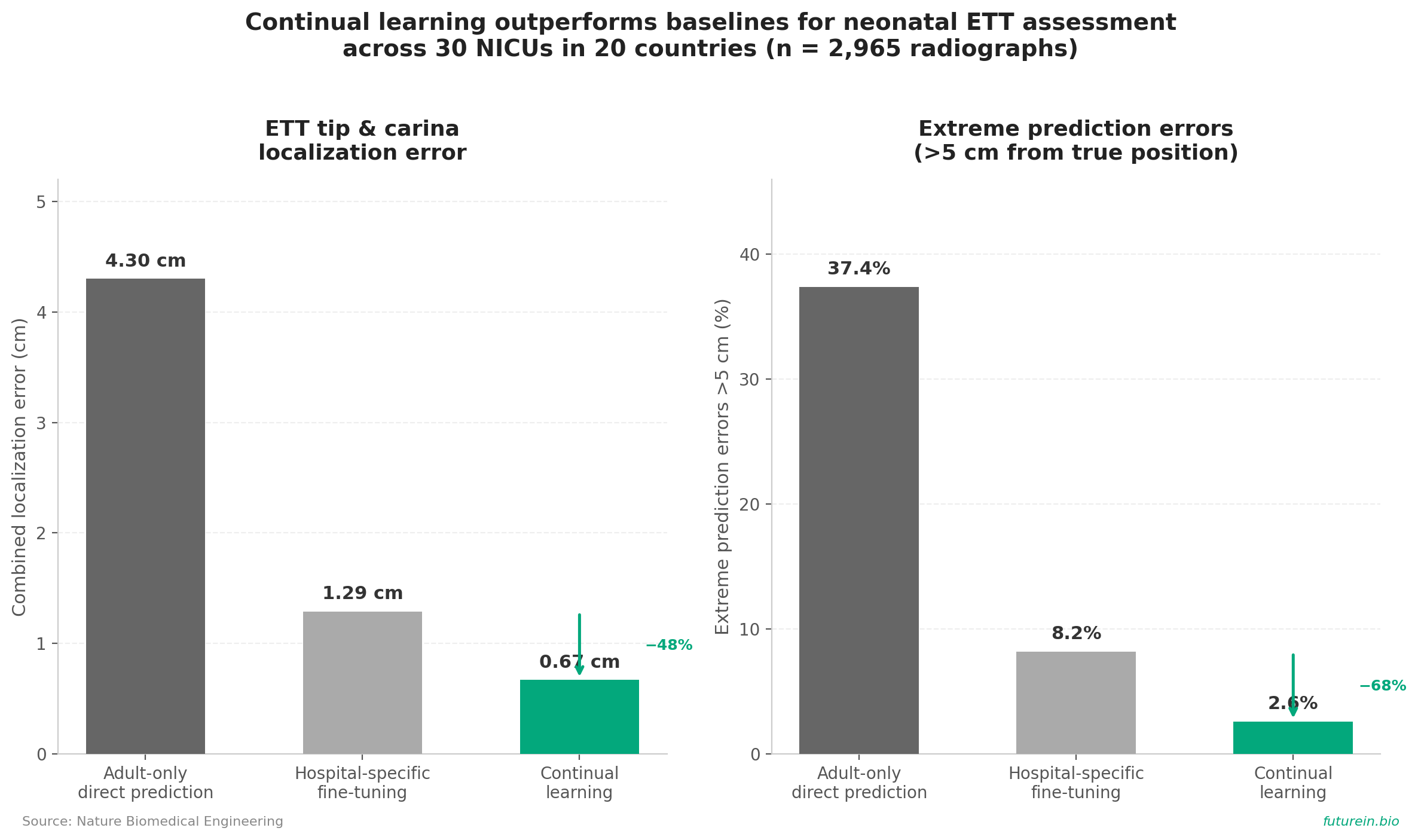
AI model for adult chest X-rays adapted to neonatal care via continual learning
• This international study across 30 NICUs in 20 countries used continual learning to adapt adult AI radiology models for neonatal endotracheal tube assessment without sharing patient data.
• Continual learning achieved 0.67 cm localization error versus 1.29 cm (fine-tuning) and 4.30 cm (adult-only), improving deep intubation detection at 27/30 sites with only 50 radiographs per hospital.
• The privacy-preserving sequential model-sharing framework scales favorably with additional sites (Spearman ρ=0.74), offering a practical alternative to federated learning for closing the pediatric AI gap (only 17% of FDA-cleared models cover pediatric use).
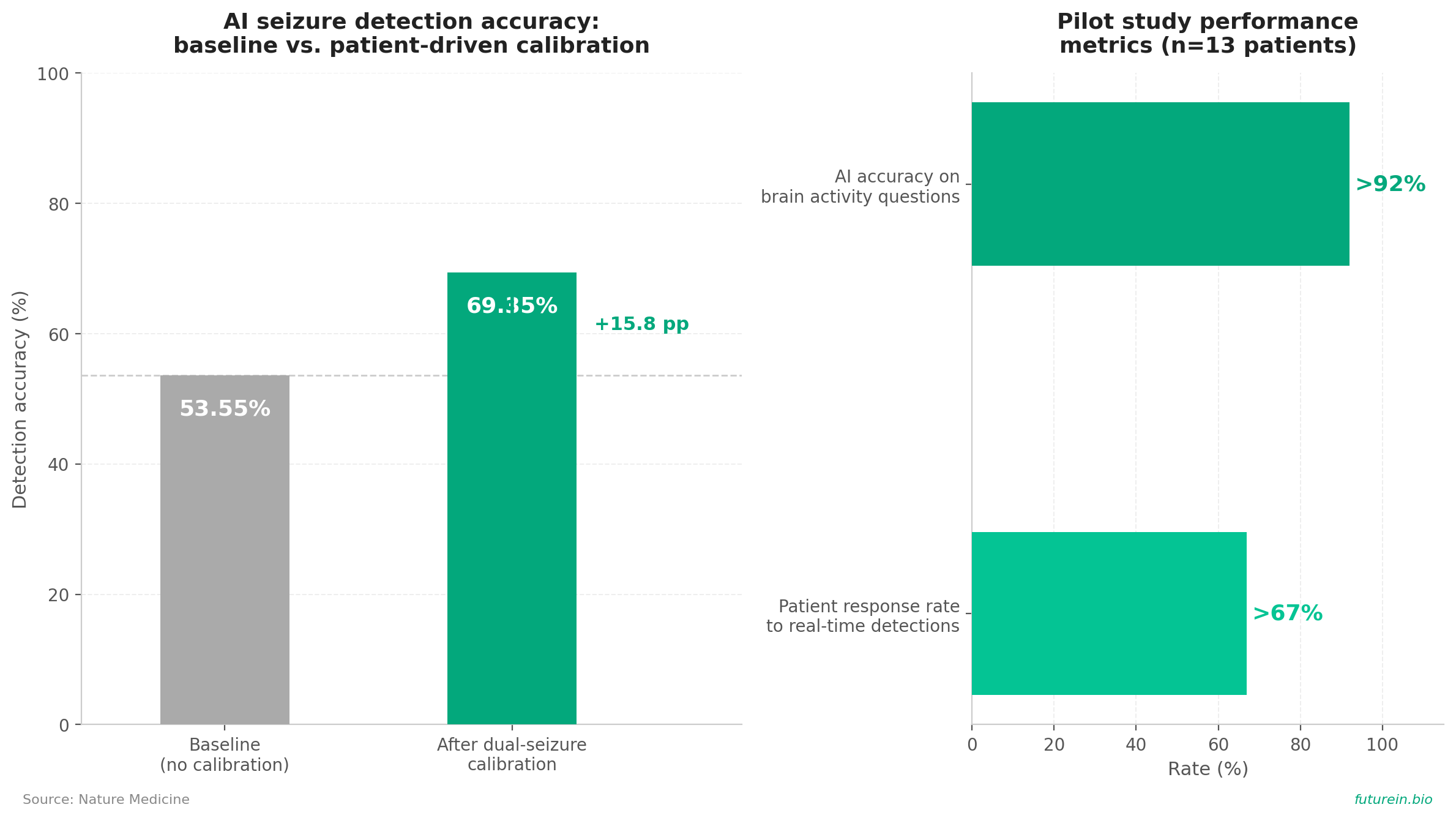
Patients use conversational AI to personalize seizure detection in epilepsy care
• A small 13-patient study demonstrated conversational AI enabled patients to fine-tune seizure detectors via >1,300 messages, achieving >92% accuracy and >67% patient response rates.
• Patient-driven AI feedback improved seizure detection accuracy from 53.55% baseline to 69.35%, without requiring expert clinical intervention.
• With 70M epilepsy patients globally, <2% device penetration, and neuromodulation markets growing at 10.4% CAGR toward $13.9B by 2033, adaptive brain AI addresses a critical scalability gap.
Web-based clinical decision support improves musculoskeletal care in UK primary care
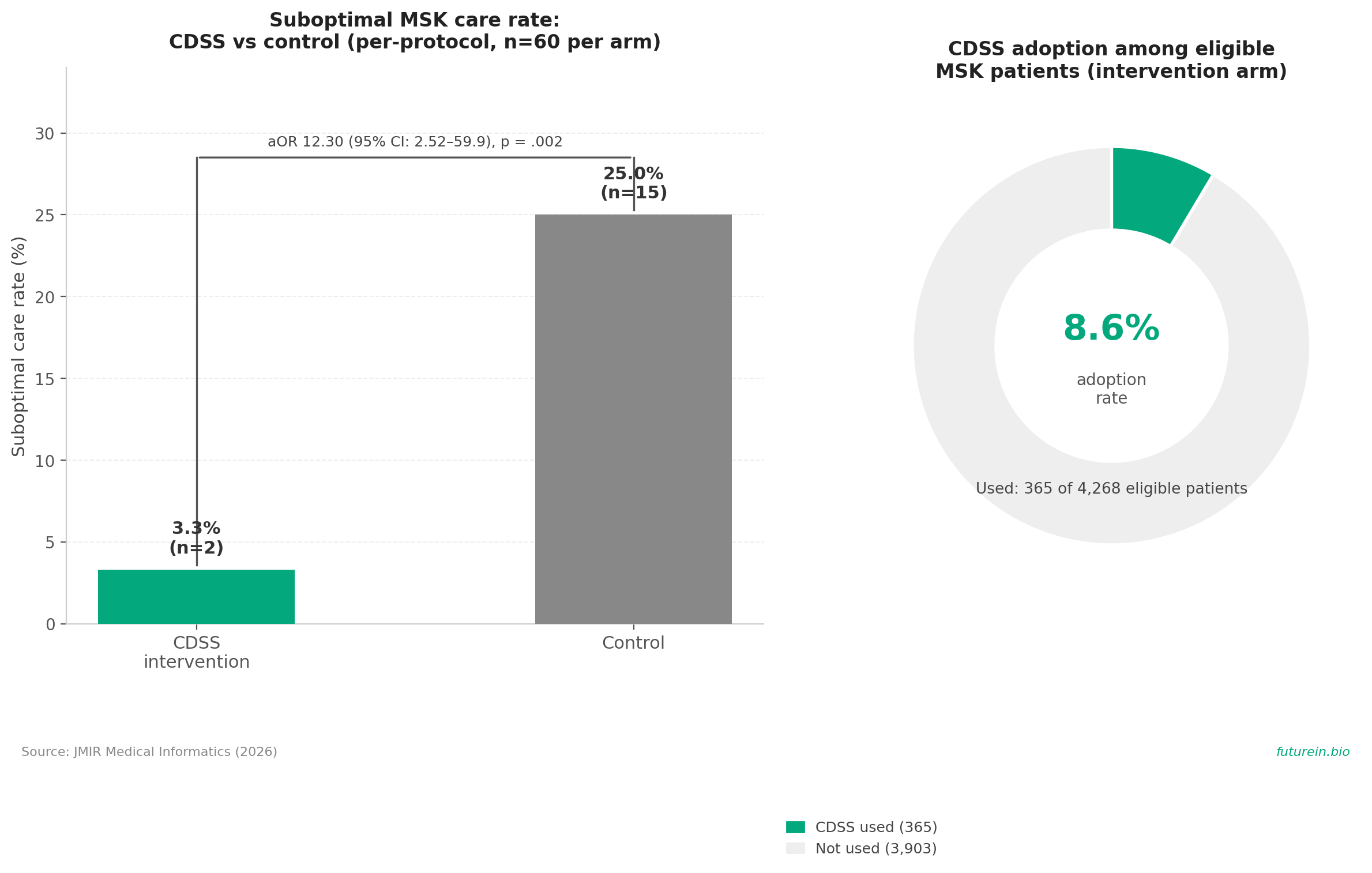
• A UK cluster-RCT evaluated a web-based CDSS (CrossCover) for MSK primary care, finding suboptimal care rates of 3% (intervention) vs. 25% (control); adjusted OR: 12.30 (p=.002).
• Per-protocol analysis showed a 22-percentage-point reduction in suboptimal MSK care, though real-world adoption reached only 8.6% (365/4,268 eligible patients), limiting population-level impact.
• The digital MSK care market is projected to grow from $6B (2026) to $18.96B (2033) at 17.8% CAGR, highlighting significant scaling opportunity for effective CDSS tools.
AI framework uses large language models to identify rare diseases from clinical notes
• Researchers developed RARE-PHENIX, an LLM-based AI framework automating rare disease phenotyping from clinical notes via HPO term extraction, standardization, and ranking.
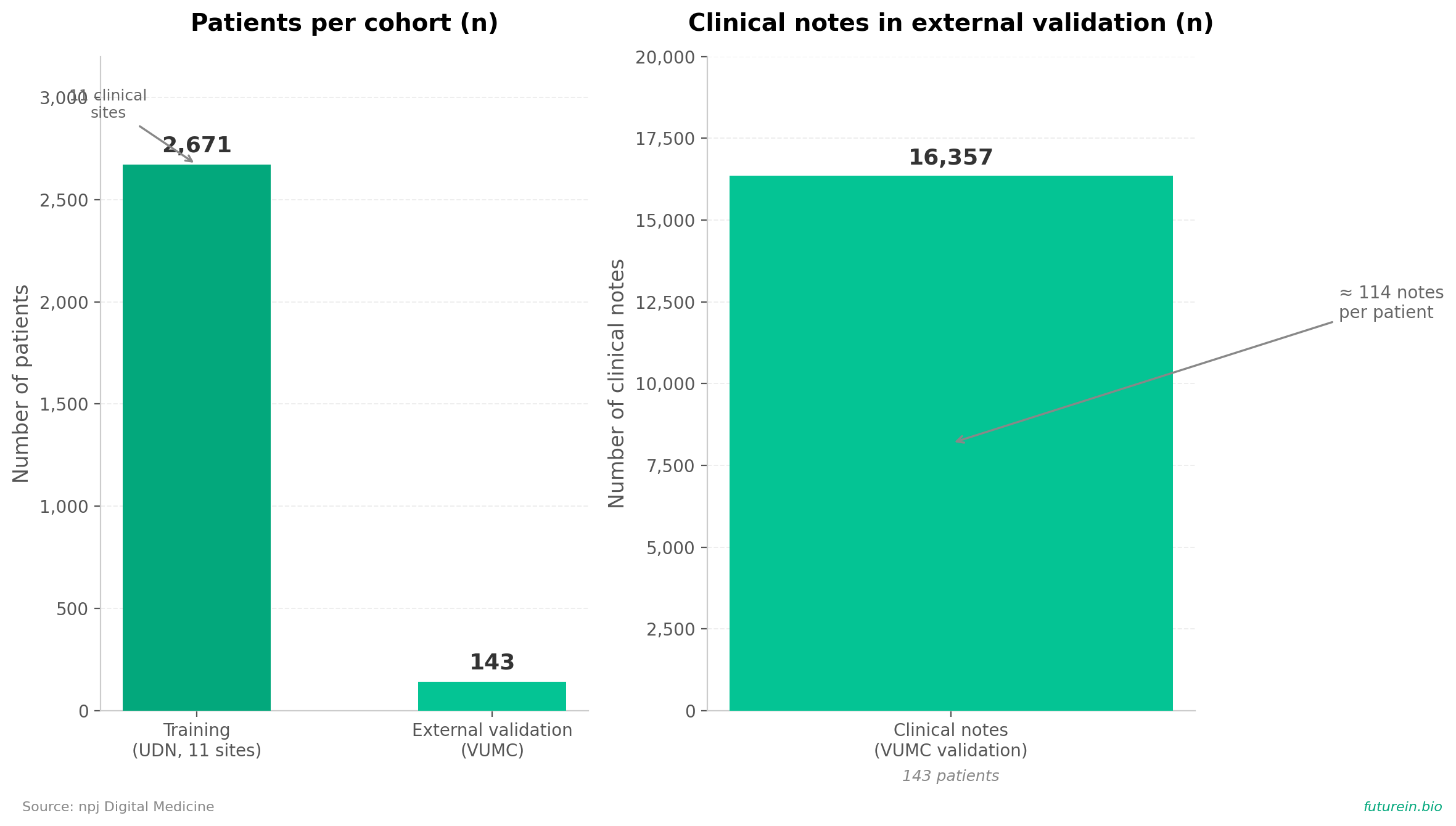
• Trained on 2,671 patients across 11 sites and validated on 16,357 clinical notes from 143 Vanderbilt patients, outputs showed high concordance with clinician curation.
• End-to-end AI phenotyping pipelines signal a shift toward scalable, human-in-the-loop rare disease diagnosis workflows within real-world clinical EHR environments.
Smartphone app improves physician adherence to antimicrobial treatment guidelines
• This cluster-randomized trial across 20 Ethiopian hospitals evaluated a smartphone STG app’s effectiveness in improving physicians’ antimicrobial guideline adherence across 1,433 patient charts.
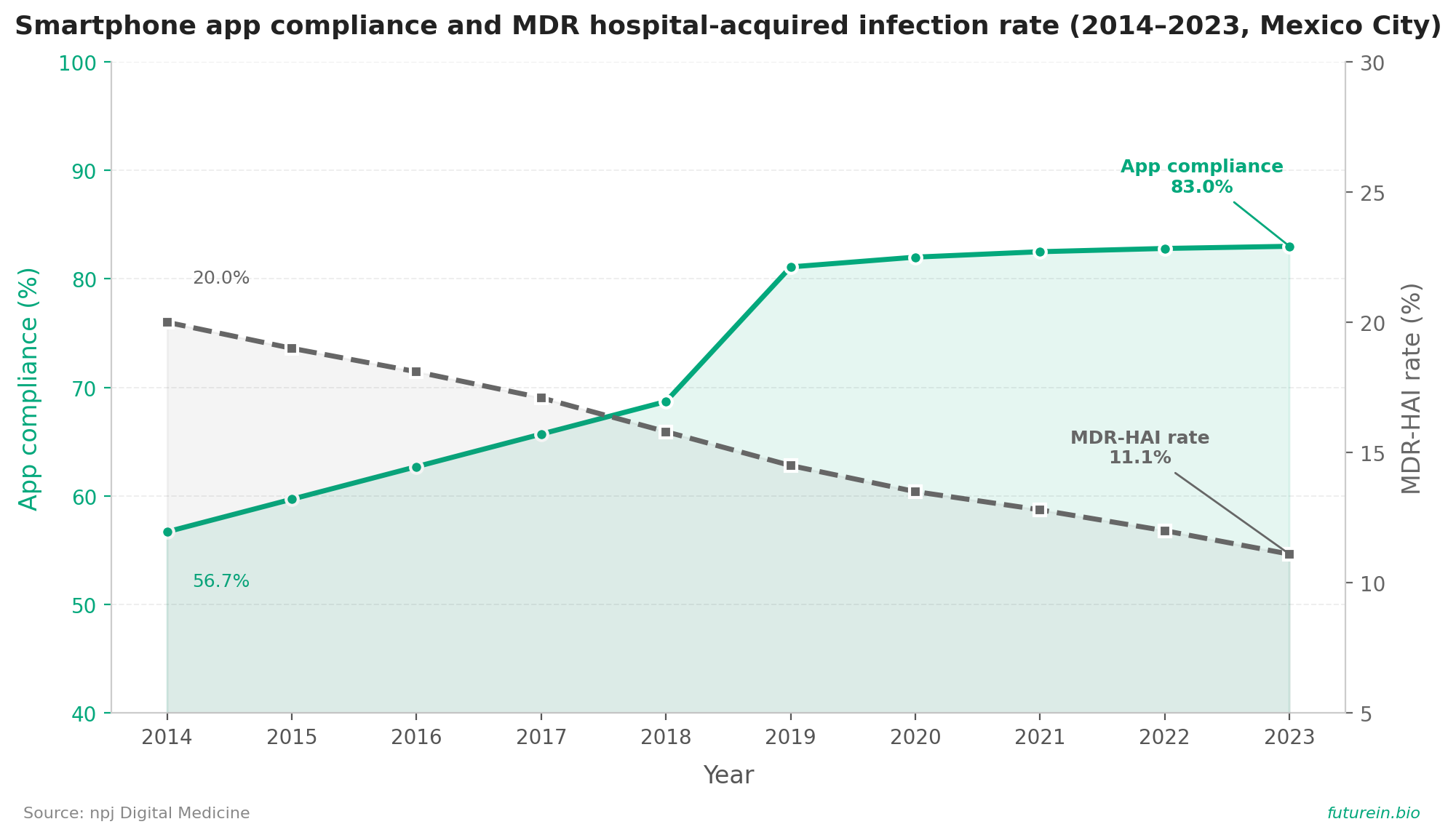
• The app intervention yielded a 26.7 percentage-point adherence improvement (aOR 3.89; 95% CI: 1.96–7.73), reducing overall antibiotic use from 96.9% to 82.2% and broad-spectrum use from 83.9% to 57.5%.
• mHealth-driven antimicrobial stewardship in resource-limited settings shows measurable prescribing improvement, though isolating app-specific impact from training components remains a critical methodological challenge for future digital health scaling.
Autonomous oxygen titration shows promise for patient care and clinician workload
• The SAVE-O2 AI trial tested autonomous oxygen titration (O2matic PRO100) across 300 patients in 4 US hospitals, evaluating closed-loop SpO2 management versus manual care.
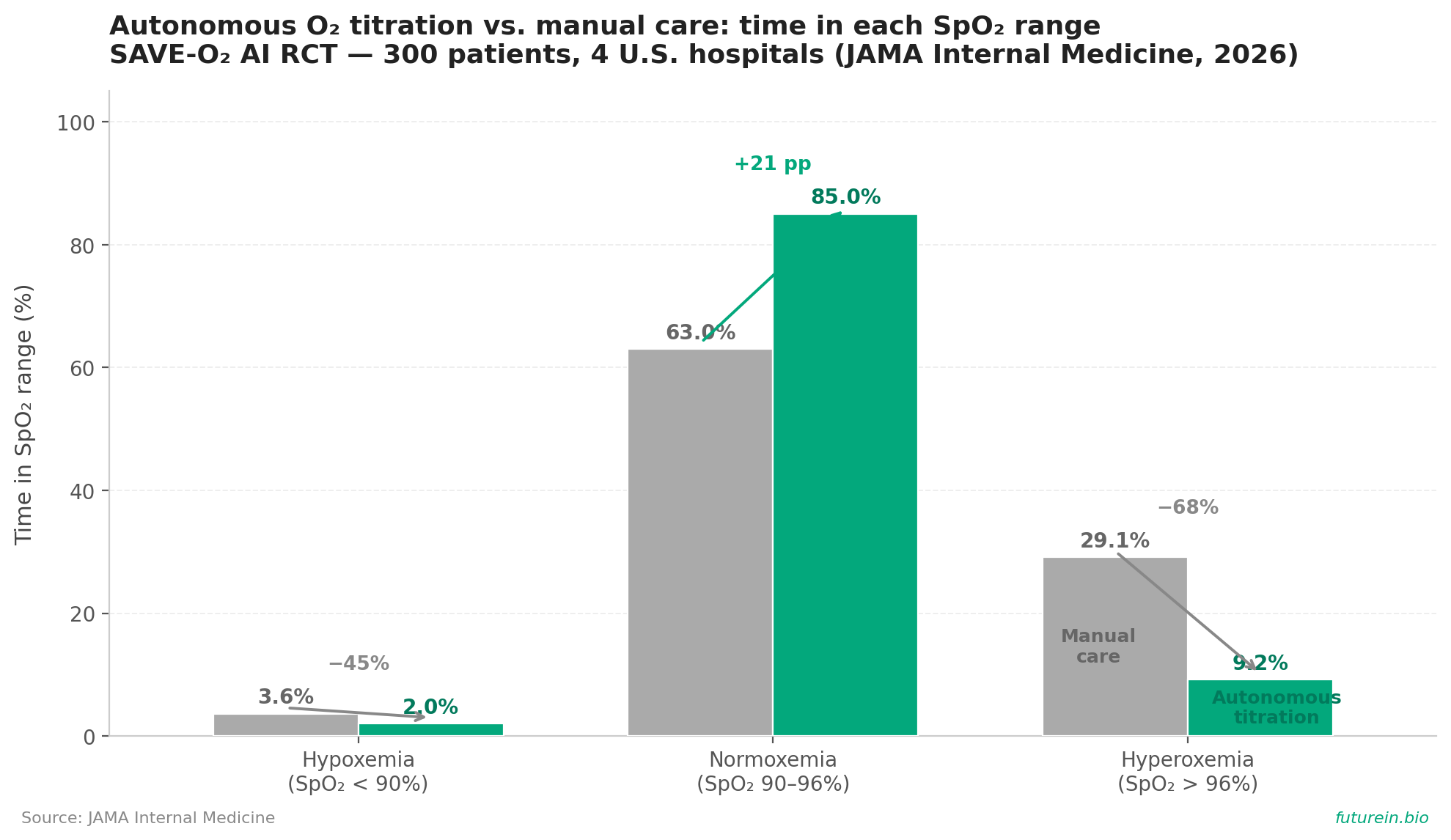
• Autonomous titration achieved 85% time in normoxemia vs. 63% manual, reducing hyperoxemia 68%, hypoxemia 45%, and cutting daily oxygen consumption 23%.
• The $34.15B oxygen therapy market (growing to $50.71B by 2030 at 10.4% CAGR) signals strong commercial runway for AI-driven autonomous delivery systems.