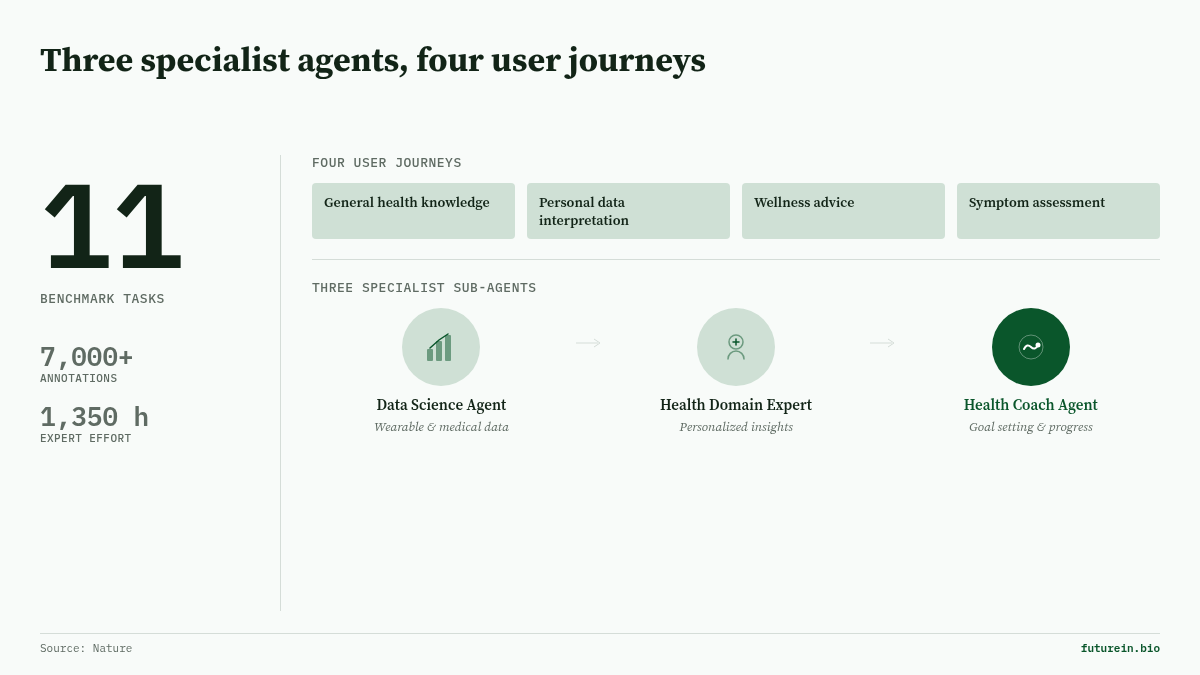
Multi-agent framework coordinates wearables and clinical data for personalized health coaching
• Researchers built a multi-agent LLM health system spanning 4 user journeys and 3 specialist sub-agents, evaluated across 11 benchmarks with 7,000+ annotations and 1,350 expert hours.
• The open-source framework integrates wearable data, medical records, and psychological coaching strategies, enabling personalized symptom assessment and wellness guidance at scale.
• This represents a concrete architectural blueprint for LLM-powered personal health agents, signaling a shift toward clinically-informed, multimodal AI in consumer healthtech.
Large language models advance multimodal clinical predictive modeling
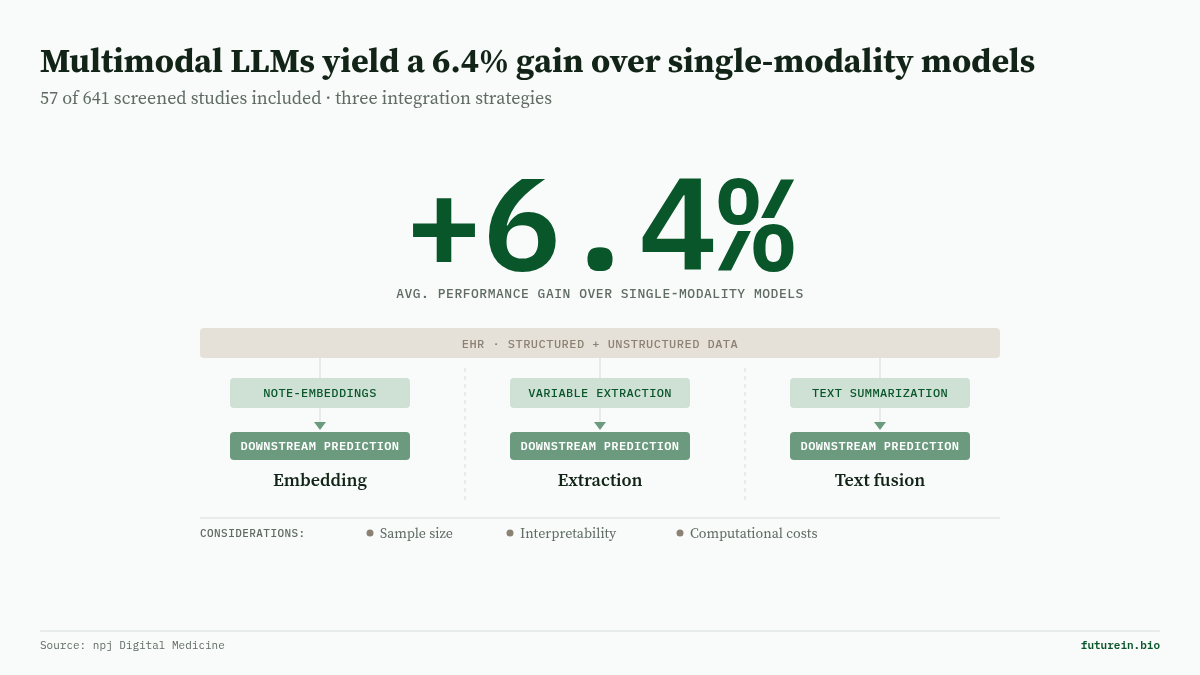
• This systematic review of 57 studies (screened from 641) evaluates LLM-based multimodal EHR predictive modeling across three integration strategies: embedding, extraction, and text fusion.
• Multimodal LLM integration yielded an average 6.4% performance gain over single-modality models, validating immediate clinical prediction improvements.
• Long-term adoption faces constraints in sample size, interpretability, and computational cost, shaping future healthtech infrastructure investment priorities.
AI model designs functional proteins from natural language descriptions
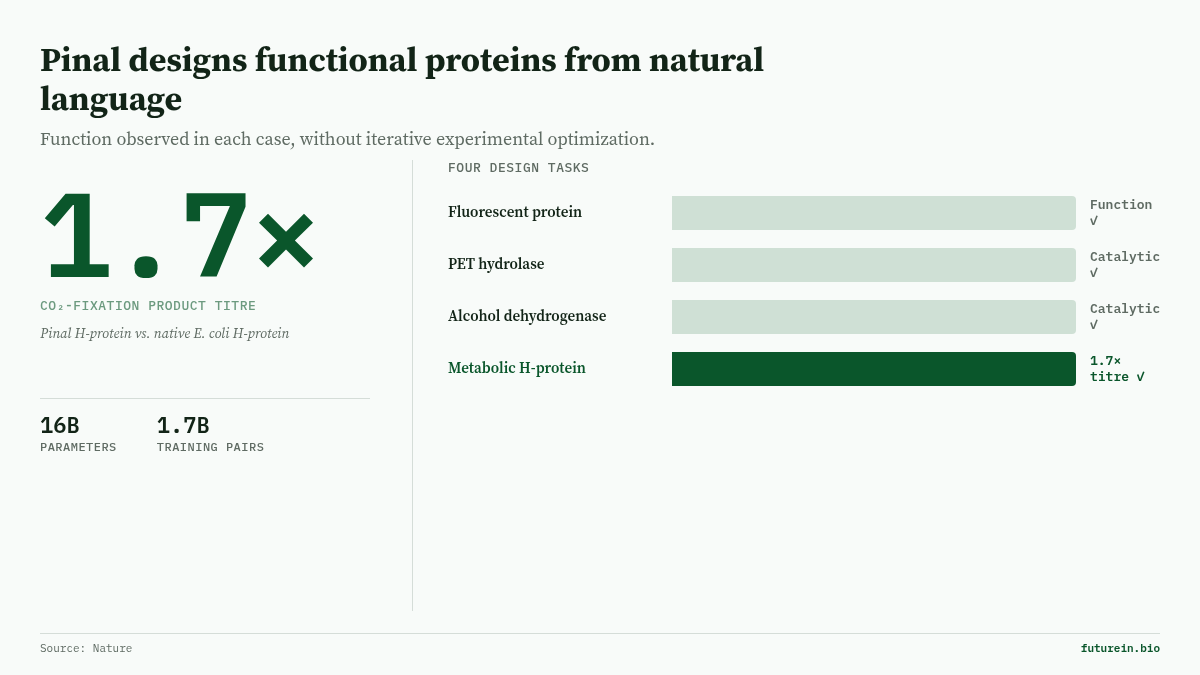
• Pinal, a 16B-parameter AI model trained on 1.7B protein-text pairs, designs functional proteins directly from natural-language descriptions without structural constraints.
• Pinal successfully designed 4 functional proteins experimentally, including a CO2-pathway H-protein achieving 1.7x higher product titre than native E. coli without iterative optimization.
• Natural language as a protein design interface reduces reliance on expert-defined constraints, potentially accelerating enzyme engineering, drug development, and synthetic biology pipelines.
Withings and Function integrate home biometrics with clinical lab data
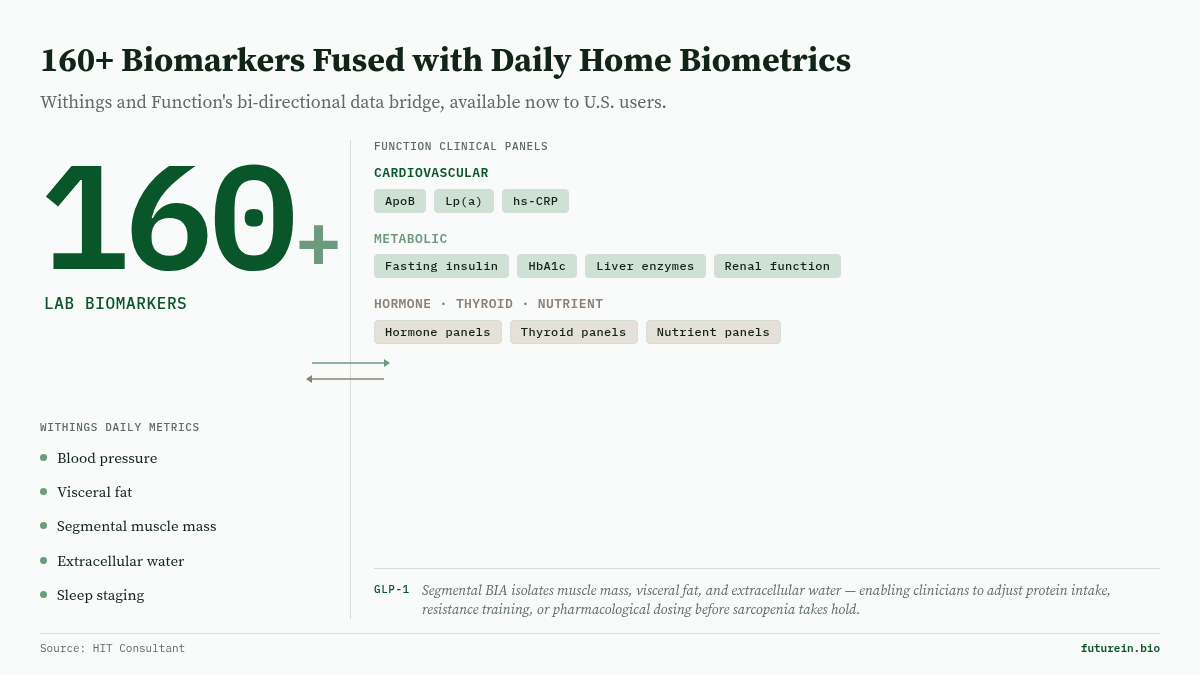
• Withings and Function launched a bidirectional integration syncing 160+ clinical biomarkers with daily device metrics including body composition, blood pressure, and sleep staging.
• U.S. users gain immediate access with cross-platform incentives: $30 credit reducing Function’s $365 annual membership to $335, plus 10% off Withings hardware.
• The partnership targets the GLP-1 monitoring gap, pairing Withings’ segmental BIA (muscle mass, visceral fat) with Function’s metabolic blood panels to track body recomposition over time.
Autonomous AI screening reduces diabetic retinopathy disparities in youth with T1D
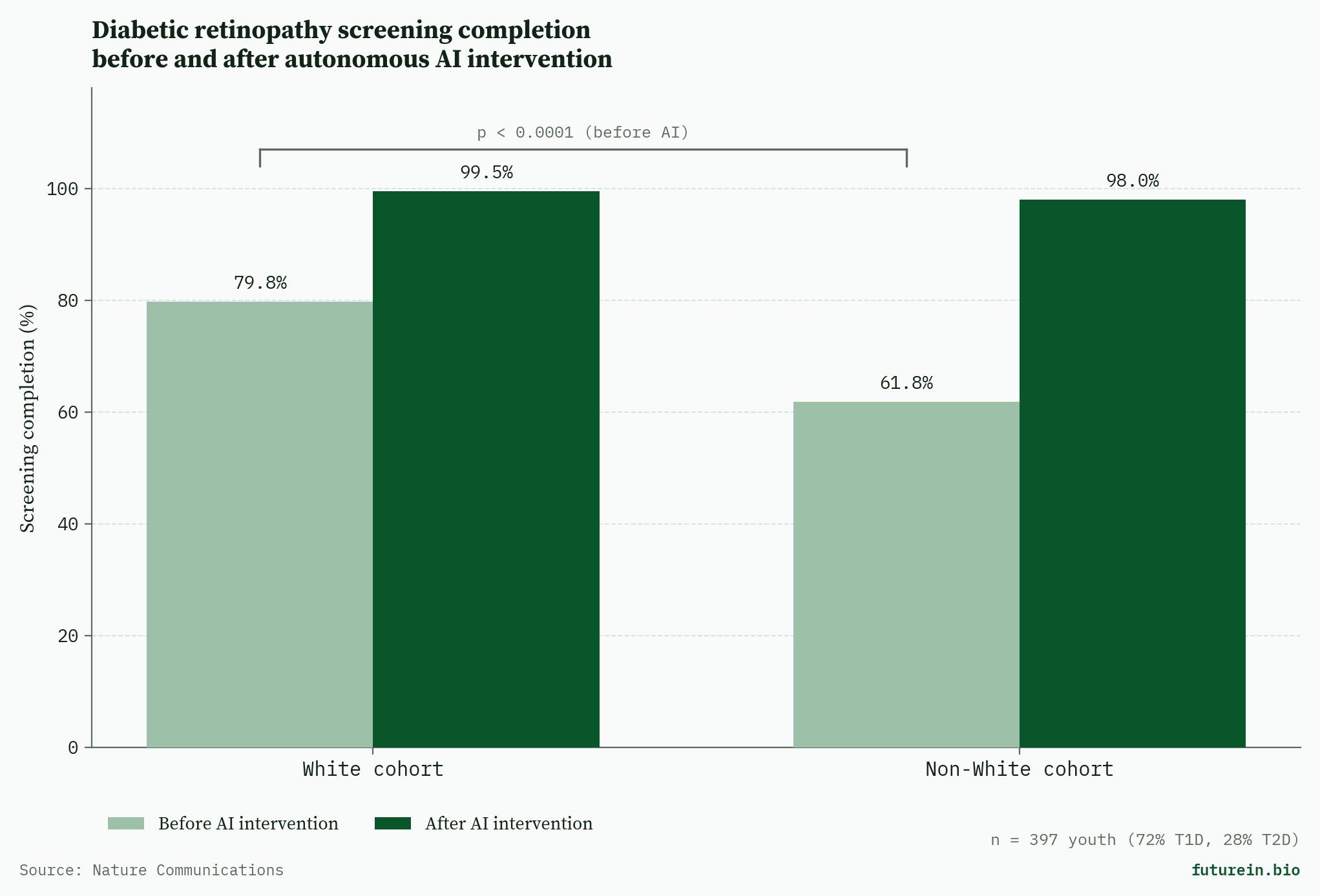
• The ACCESS2 study (n=397) tested autonomous AI diabetic retinopathy screening in youth with T1D (72%) and T2D (28%), measuring equity in screening completion.
• AI intervention achieved 99.5% (White) vs. 98.0% (non-White) screening completion, eliminating a baseline disparity of 79.8% vs. 61.8%, with 100% sensitivity for moderate+ DR.
• Point-of-care autonomous AI demonstrates scalable potential to close persistent minority screening gaps affecting ~238,000 diabetic youth, where only 35–72% currently receive recommended screenings.
AI-powered navigation system improves precision in CBCT-guided lung biopsies
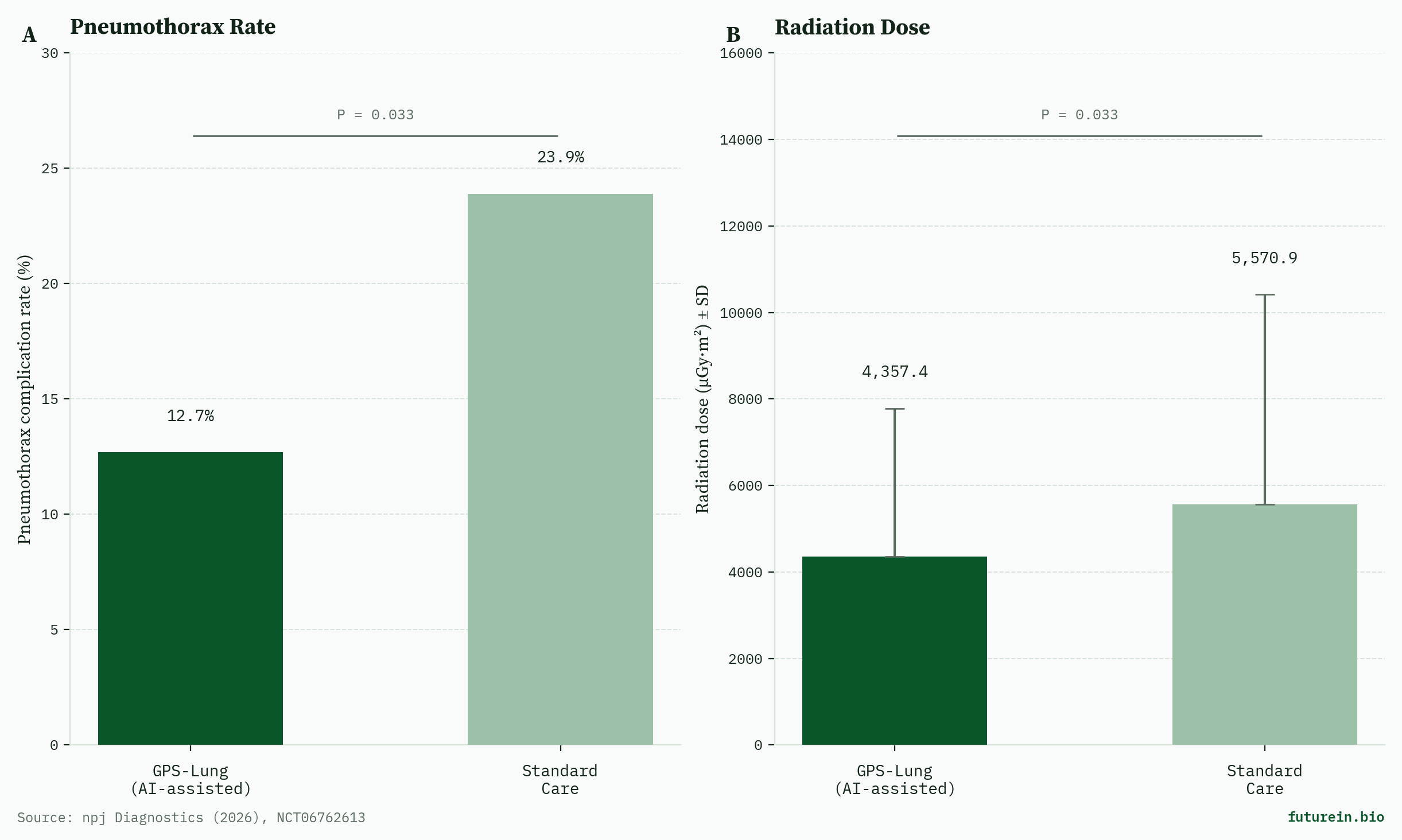
• This multicenter RCT (NCT06762613) validated GPS-Lung, a generative AI navigation system for CBCT-guided lung biopsies, across key procedural metrics.
• GPS-Lung reduced punctures (2.0 vs. 2.5), operative time (20.4 vs. 23.2 min), radiation (4,357 vs. 5,571 μGy·m²), and pneumothorax rate (12.7% vs. 23.9%).
• AI-guided biopsy navigation shows a clear trajectory: diagnostic yields rising from ~67% (standard) to >95%, with simultaneous reductions in complications and procedure time.
Naive T cells in CAR T products predict lymphoma treatment response
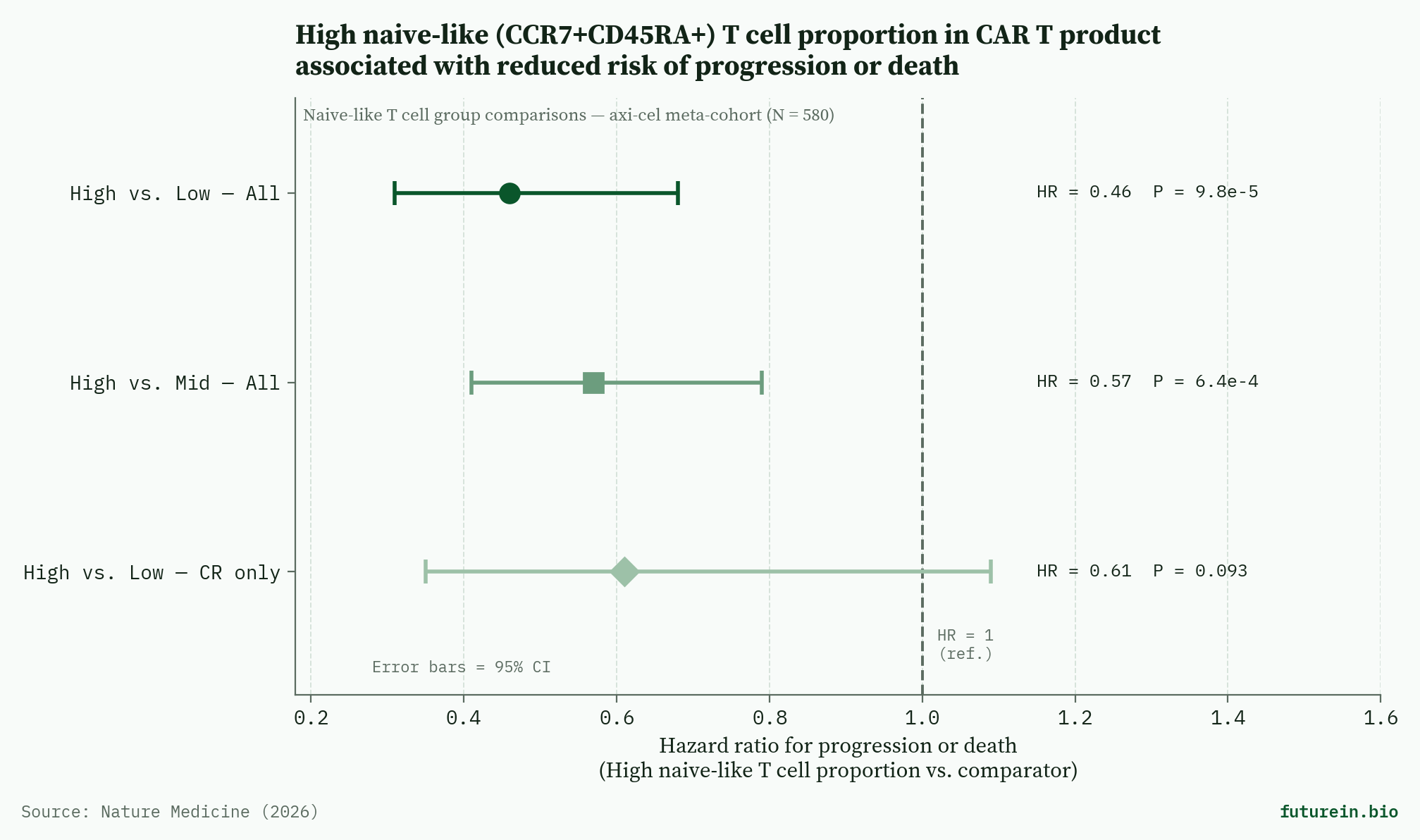
• A multicenter analysis of 783 NHL patients found CCR7+CD45RA+ naive-like T cells in CAR T products predict PFS (HR=0.46, P=9.8×10⁻⁵, High vs. Low groups).
• Higher naive-like T cell proportions doubled ongoing response rates and reduced progression risk by 54%, independent of tumor burden, inflammation, or CAR T expansion.
• Earlier CAR T intervention preserves naive-like T cell frequency (Spearman ρ=−0.49 correlation with prior therapy lines), suggesting treatment sequencing critically impacts long-term cellular therapy outcomes.
mKRAS vaccine misses primary endpoint in pancreatic cancer trial AMPLIFY-7P
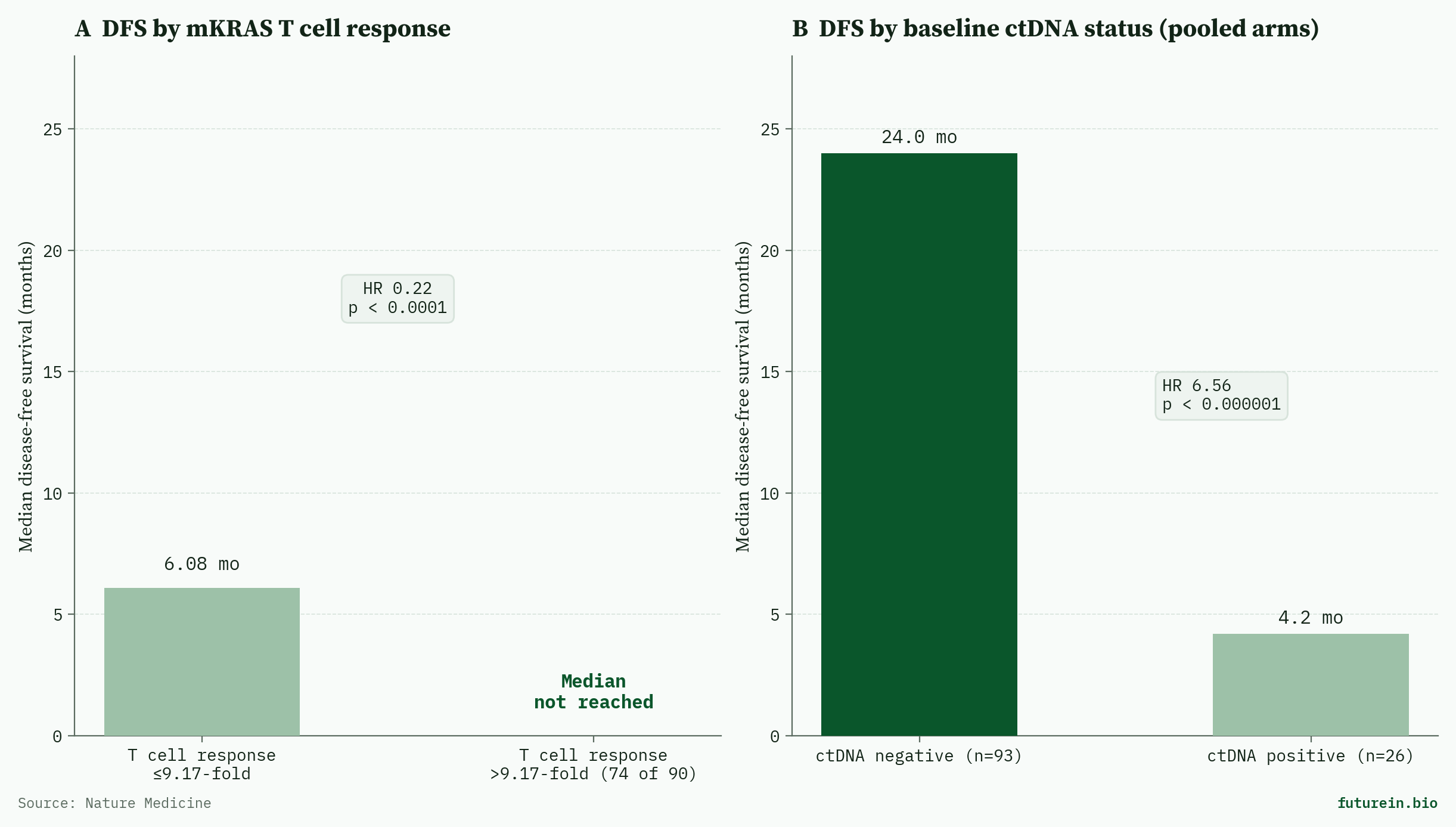
• The AMPLIFY-7P randomized phase 2 trial tested camupepimut, an mKRAS amphiphile vaccine, in 144 stage I-III PDAC patients (2:1 randomization), missing its primary DFS endpoint (HR 0.85, P=0.5329).
• Prespecified subgroup analyses showed significant DFS benefit in ctDNA-negative patients (HR 0.51, P=0.0280) and no-prior-radiation patients (HR 0.59, P=0.0221), with 98.9% immunogenicity response rate informing phase 3 design.
• Lymph node-targeted AMP vaccine technology generating broad mKRAS T-cell responses (82.2% above 9.17-fold threshold, HR 0.22 DFS benefit) validates a scalable off-the-shelf immunotherapy approach applicable to ~25% of all solid tumors harboring RAS mutations.
Automated metrics for AI clinical messages show context-dependent validity in silent evaluation
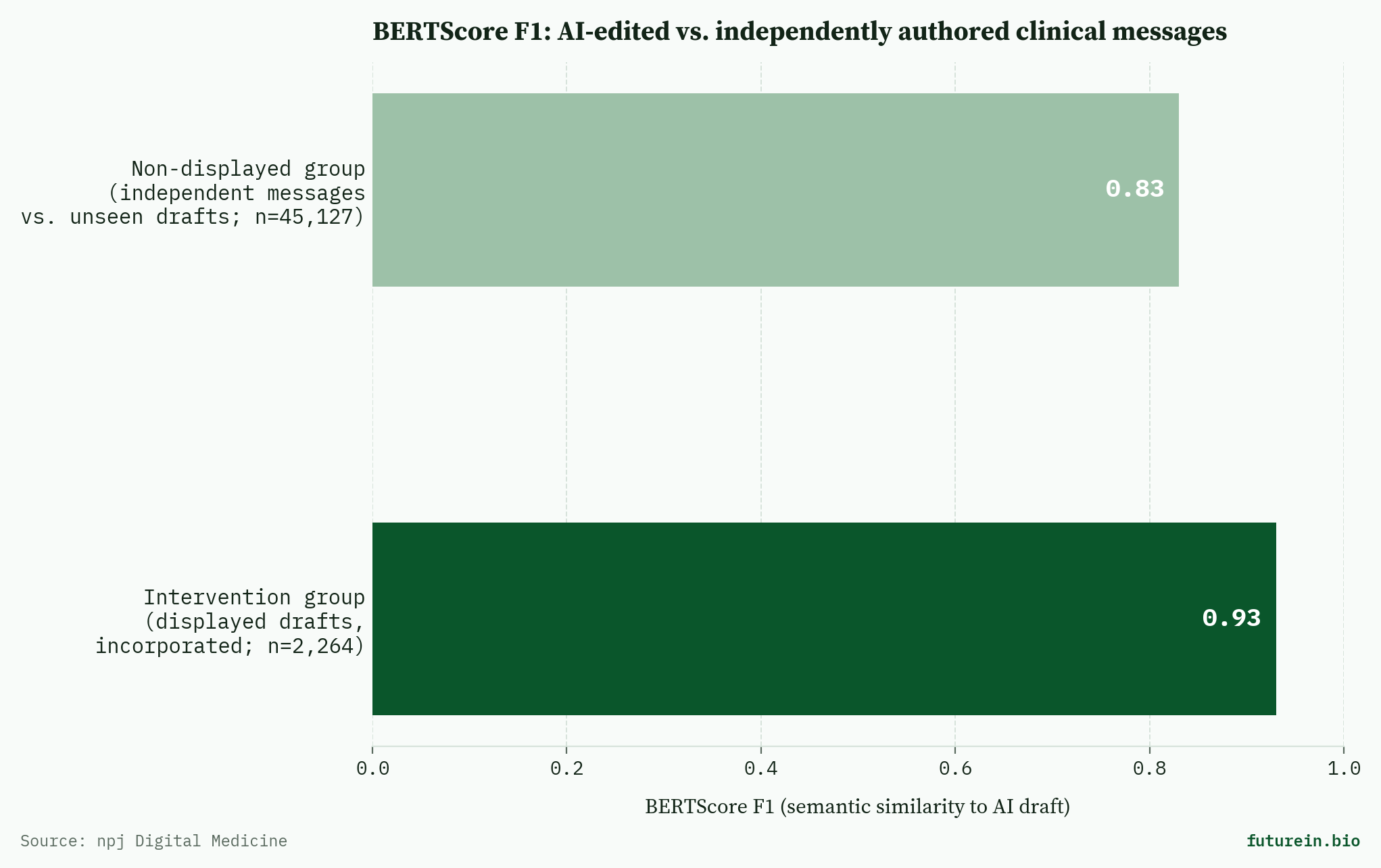
• A UCLA Health study (66,200 messages, 30 physicians) found automated metrics like BERTScore (F1=0.93 intervention vs. 0.83 non-displayed) fail to reliably evaluate AI clinical message quality.
• Despite comparable semantic scores, physicians rated human-authored messages higher (4.24/5), with AI notes showing 31% hallucination rates versus 20% for physician-authored content.
• Context-dependent metric validity and low inter-rater agreement (Fleiss’ κ=0.159–0.347) signal that clinical AI validation frameworks require mandatory human benchmark calibration before deployment.
Elucid gains FDA clearance for FFR-IQ cardiovascular imaging AI software
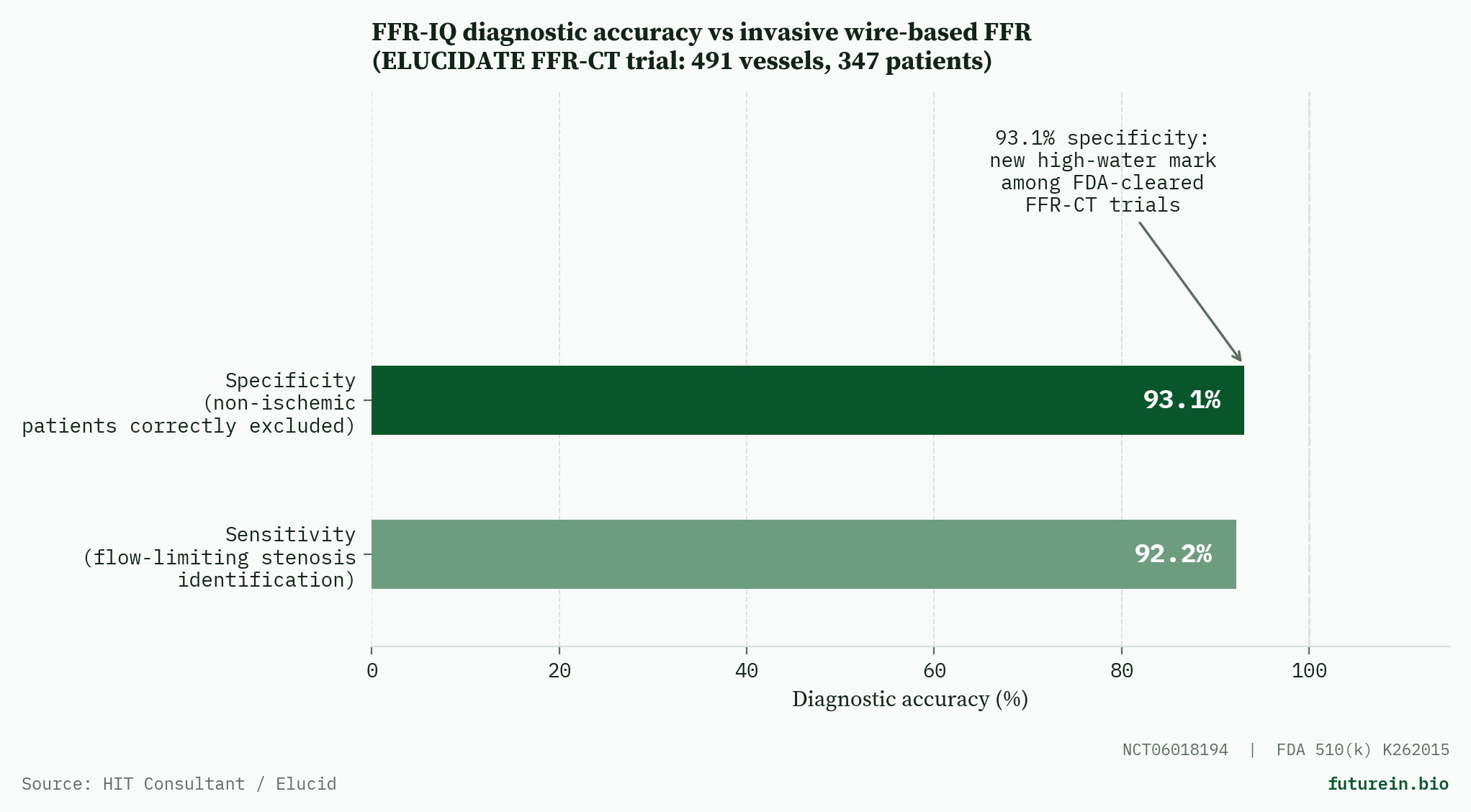
• Elucid received FDA 510(k) clearance for FFR-IQ, an AI tool integrating plaque biology with hemodynamics validated across 491 vessels in 347 patients.
• FFR-IQ achieved 92.2% sensitivity and 93.1% specificity—surpassing prior-gen FFR-CT benchmarks (~81-82% specificity)—while reducing unnecessary catheterizations by 44%.
• Backed by ~$185M cumulative funding, Elucid targets a cardiology AI market growing from $2.20B (2025) to $14.22B (2034) at 22.6% CAGR.
Healthcare industry debates FDA evidence standards for generative AI medical devices
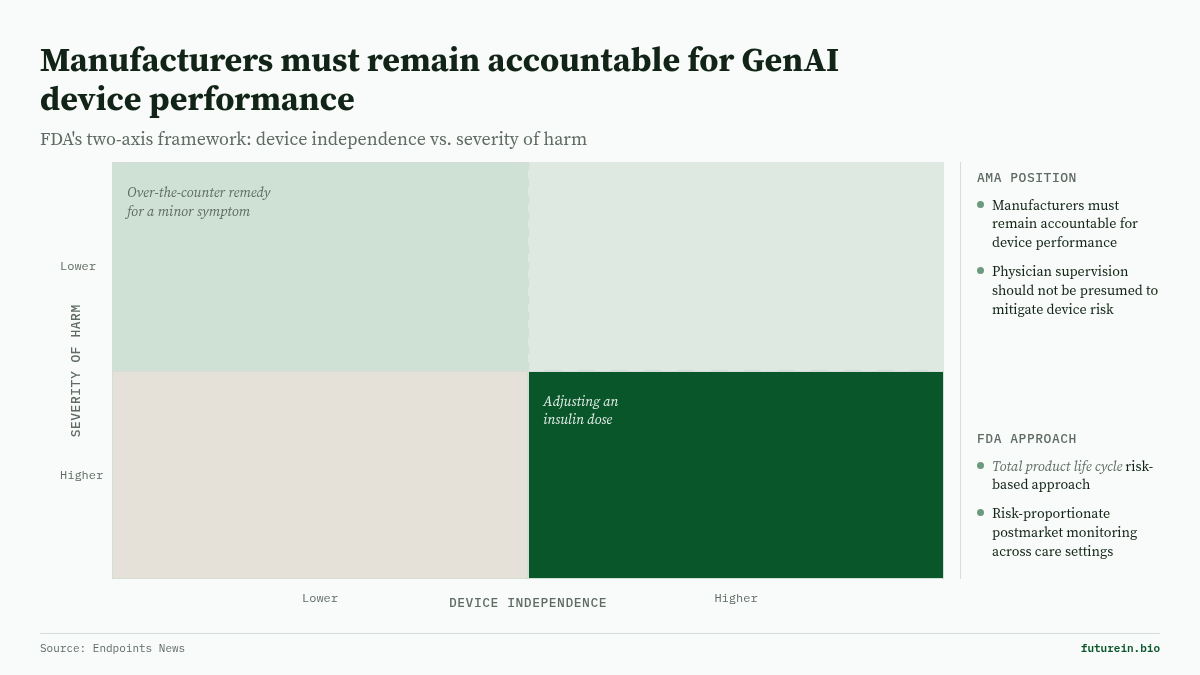
• The FDA is soliciting industry feedback on evidence standards for generative AI-enabled medical devices, with the AMA emphasizing manufacturer accountability and physician-informed regulatory controls.
• No generative AI or LLM-powered device has yet received FDA authorization despite 1,600+ cumulative AI/ML device clearances, making this regulatory framework decision immediately consequential.
• With GenAI SaMD market projected to grow from $4.38B (2026) to $10.19B (2031) at 18.4% CAGR, FDA’s evidence standards will directly shape market access and liability structures.
Warp Sciences launches with $215M to bring AI to drug discovery
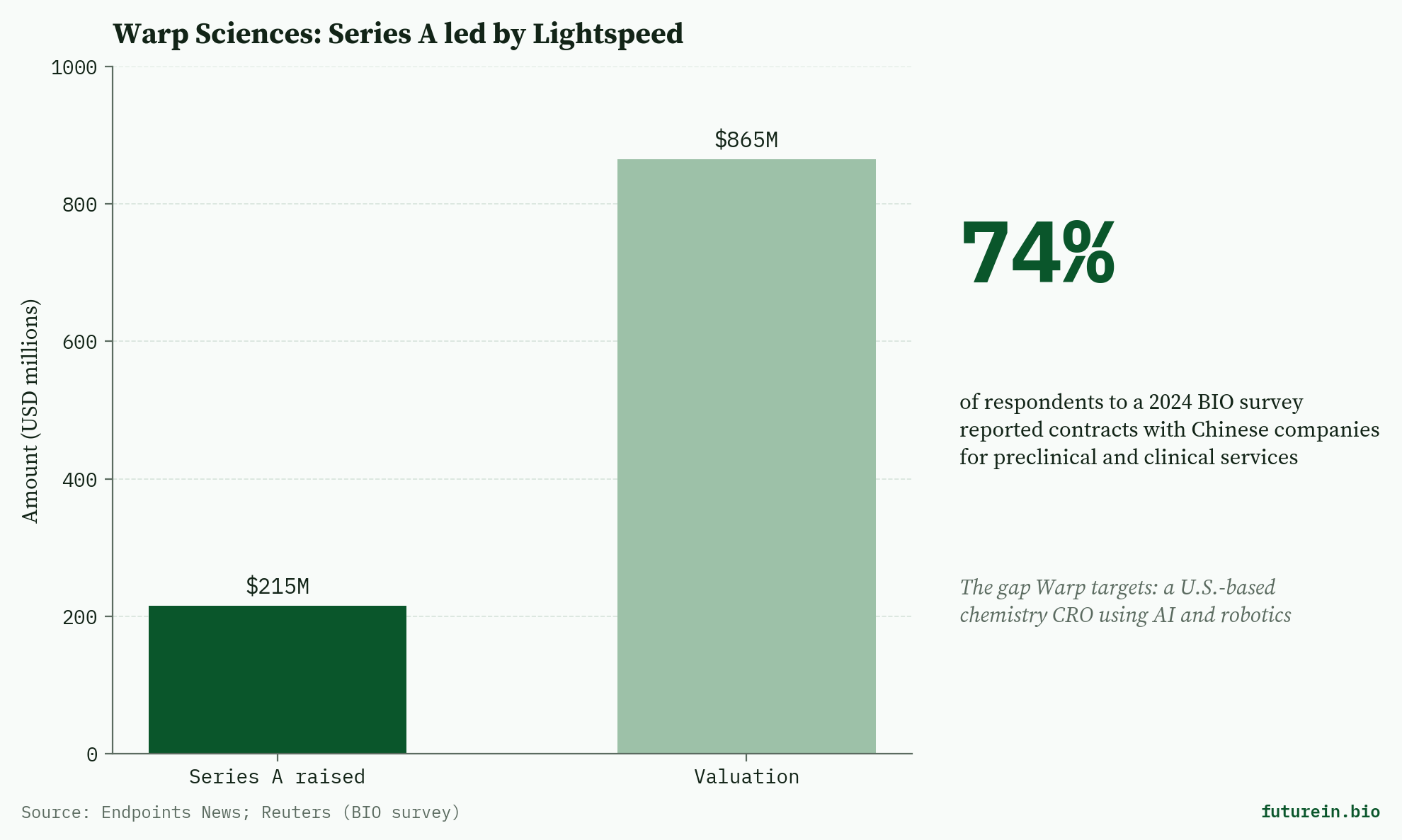
• Warp Sciences launched from stealth with $215M Series A at $865M valuation, building a U.S.-based AI/robotics chemistry CRO for drug discovery.
• The company directly addresses reshoring concerns, as 74% of biotechs currently contract Chinese CROs, following the BIOSECURE Act signed December 2025.
• Warp enters an AI drug discovery market projected to grow from $2.2B (2025) to $14.5B (2034) at 22.7% CAGR, amid a 12.5x quarterly funding surge.
Precision diagnostics framework detects hidden immune injuries in pig xenografts
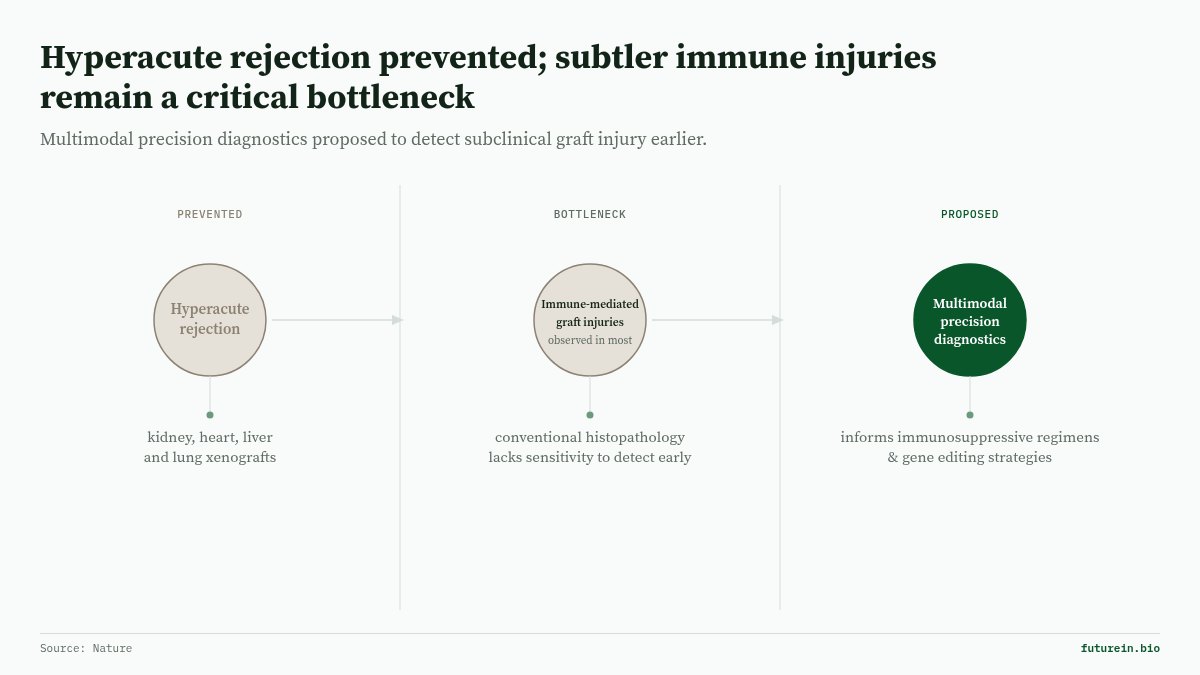
• This review examines multimodal precision diagnostics frameworks to detect immune-mediated xenograft rejection—including antibody-mediated, T cell-mediated, and innate immune injury—in pig-to-human transplants.
• Conventional histopathology lacks sensitivity for subclinical injury detection across all four xenograft types (kidney, heart, liver, lung) trialed to date, creating critical intervention delays.
• Precision diagnostics will directly inform immunosuppressive regimens and gene-editing strategies for rejection-resistant porcine organs, accelerating xenotransplantation toward scalable clinical therapy.
AMA CEO outlines approach to regulating AI-driven medical care
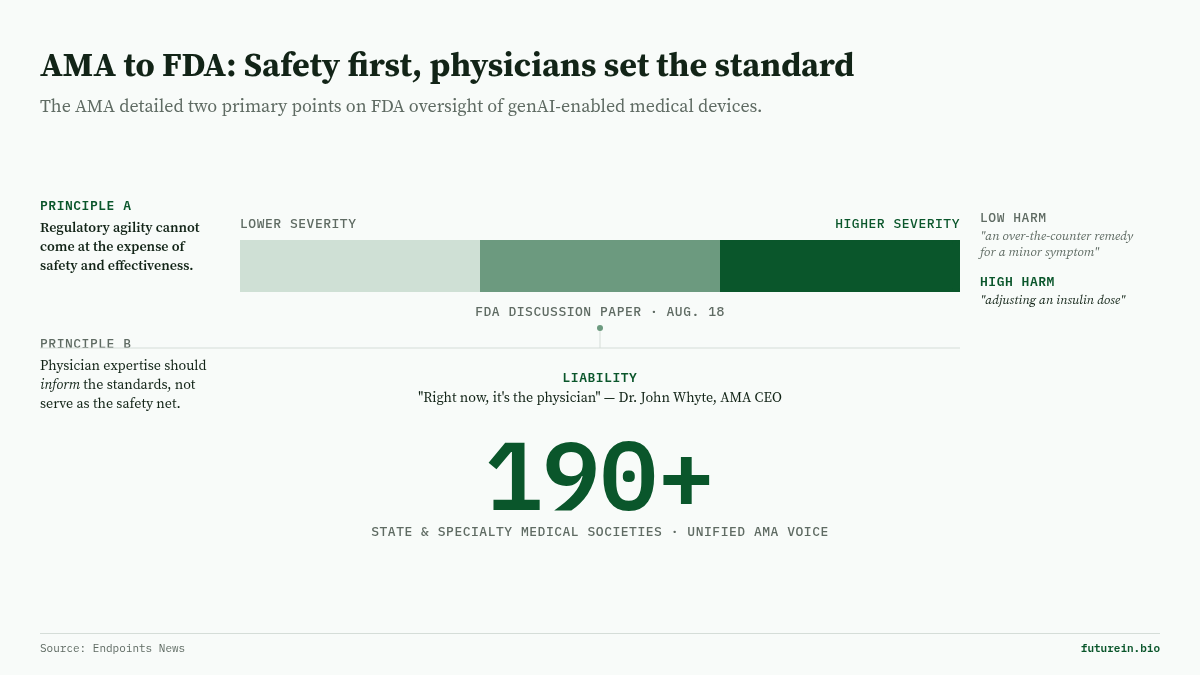
• The AMA responded to the FDA’s August 18 discussion paper on regulating genAI-enabled medical devices, proposing risk-based oversight frameworks and post-market surveillance standards.
• AMA CEO Dr. John Whyte highlighted unresolved liability gaps, warning that physicians currently bear disproportionate risk when AI-enabled clinical tools fail patients.
• As autonomous AI clinical care approaches reality, establishing accountability pathways, equitable access standards, and lifecycle performance monitoring will define healthtech’s regulatory future.
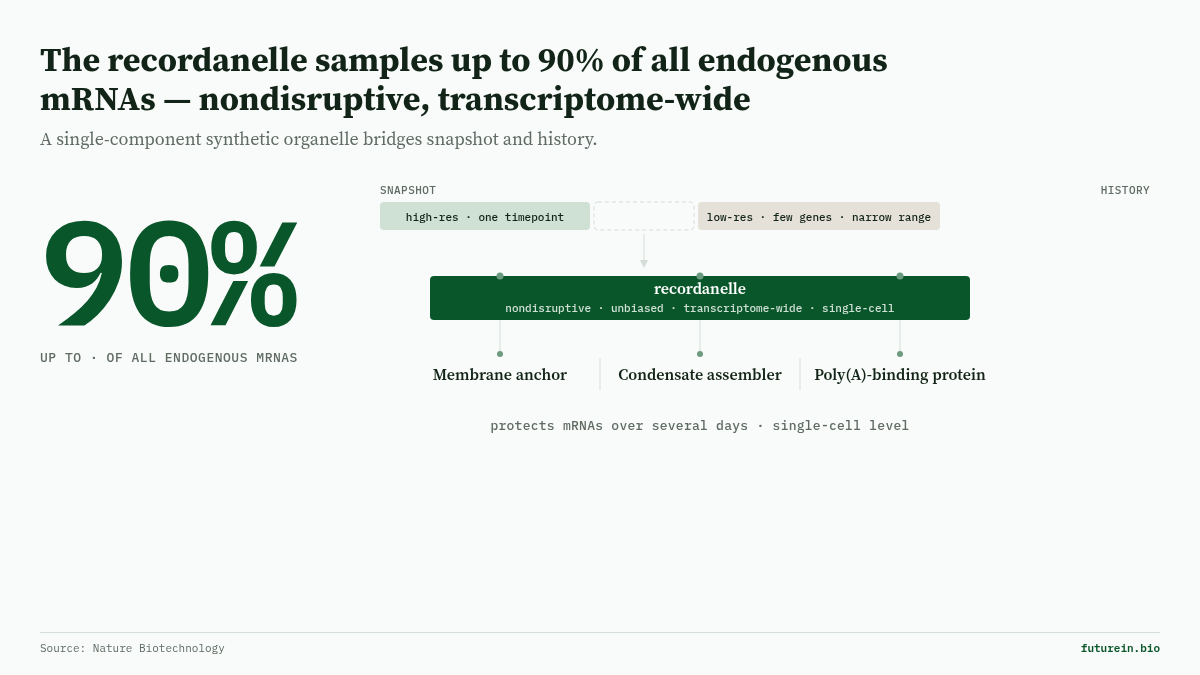
Recordanelles enable continuous transcriptome recording in living human cells
• Researchers developed ‘recordanelles,’ synthetic organelles capturing up to 90% of endogenous mRNAs in human cells, preserving transcriptional data over several days.
• Recordanelles enable single-cell, transcriptome-wide RNA recording of dynamic signals (interferon, inducible promoters) without disrupting cells, overcoming snapshot-only limitations.
• This technology advances temporal transcriptomics, potentially transforming disease modeling, drug response profiling, and single-cell biology research pipelines long-term.