AutoDNA: AI-native lab automates biomolecular engineering experiments
• AutoDNA is an AI-native autonomous laboratory orchestrating 20+ instruments across 11,000+ steps to execute DNA synthesis, transcription, amplification, and sequencing with minimal human intervention.
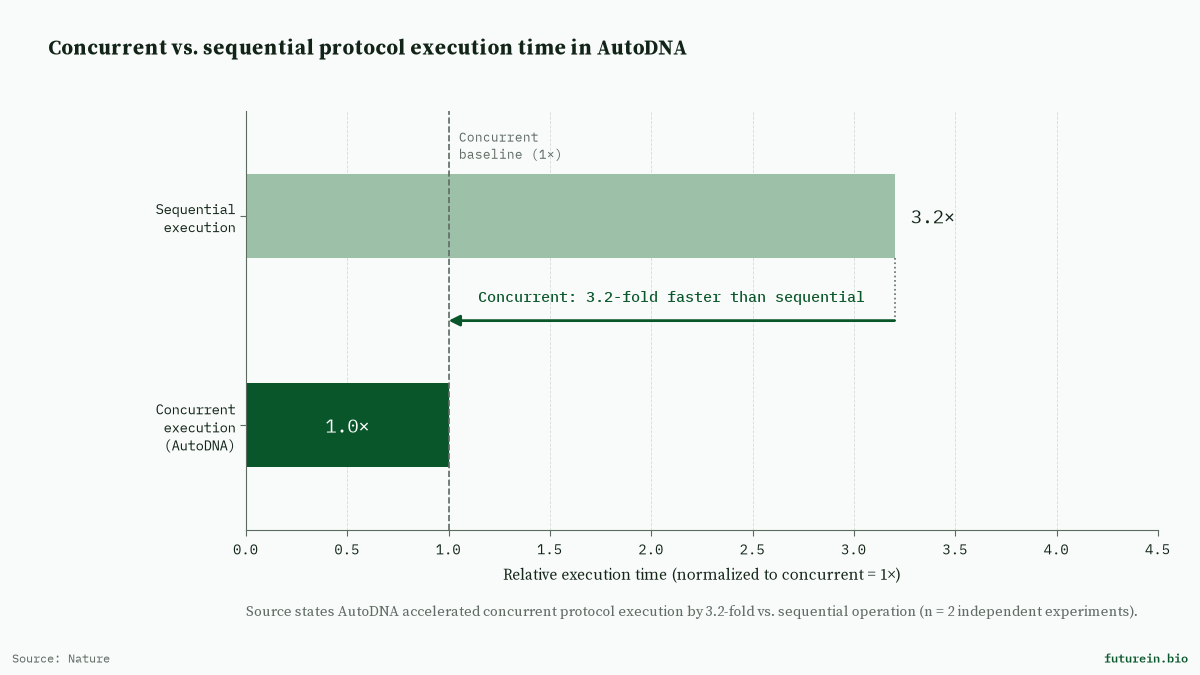
• The system matched expert-optimized enzymatic DNA synthesis yields, accelerated concurrent protocol execution 3.2-fold, and successfully detected a clinical KRAS G13D mutation.
• AutoDNA establishes a “science-as-a-service” blueprint, enabling end-to-end DNA data storage with exact digital content recovery, signaling autonomous labs as the future of synthetic biology.
Roche deploys Chai Discovery’s AI platform across therapeutic pipelines
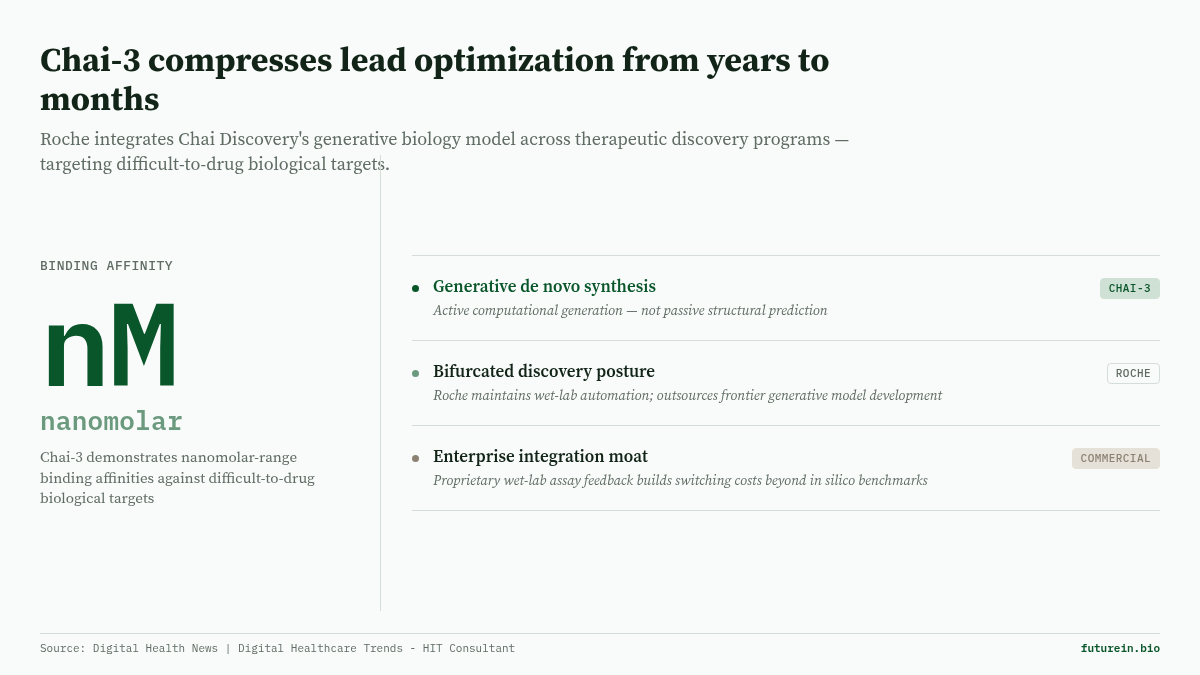
• Roche has partnered with Chai Discovery to deploy Chai-3, a generative biology foundation model achieving nanomolar-range binding affinities, across multiple therapeutic pipelines.
• Chai-3 compresses lead optimization timelines from years to months by generating novel molecular binders targeting historically difficult-to-drug biological conformations.
• Backed by 9 top-tier investors including Sequoia and OpenAI, this deal signals pharma’s structural shift from physics-based docking tools to enterprise generative AI platforms.
AI system safely deprioritizes non-urgent brain CT scans in hospital worklists
• This study presents a generalist-specialist AI system combining BrainCT-CLIP with commercial detectors to safely deprioritize non-contrast brain CT worklists.
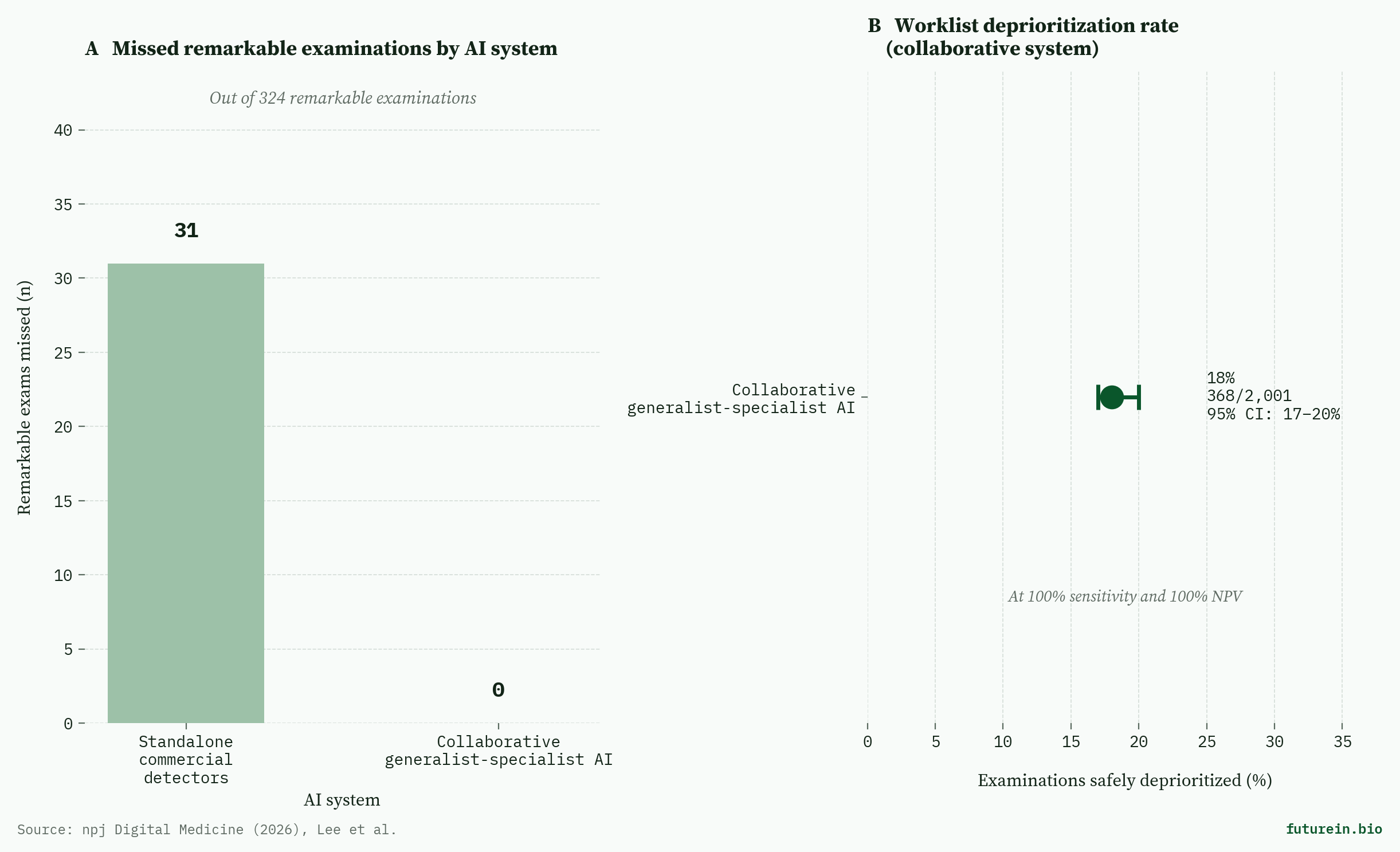
• The collaborative system achieved 100% sensitivity and NPV across 2,001 emergency/trauma cases, safely deprioritizing 18% of exams while recovering all 324 remarkable findings.
• Integrating generalist foundation models with specialist detectors addresses critical coverage gaps, supporting scalable radiologist-oversight workflows amid rising ED imaging volumes.
AI model screens Parkinson’s disease from health questionnaires
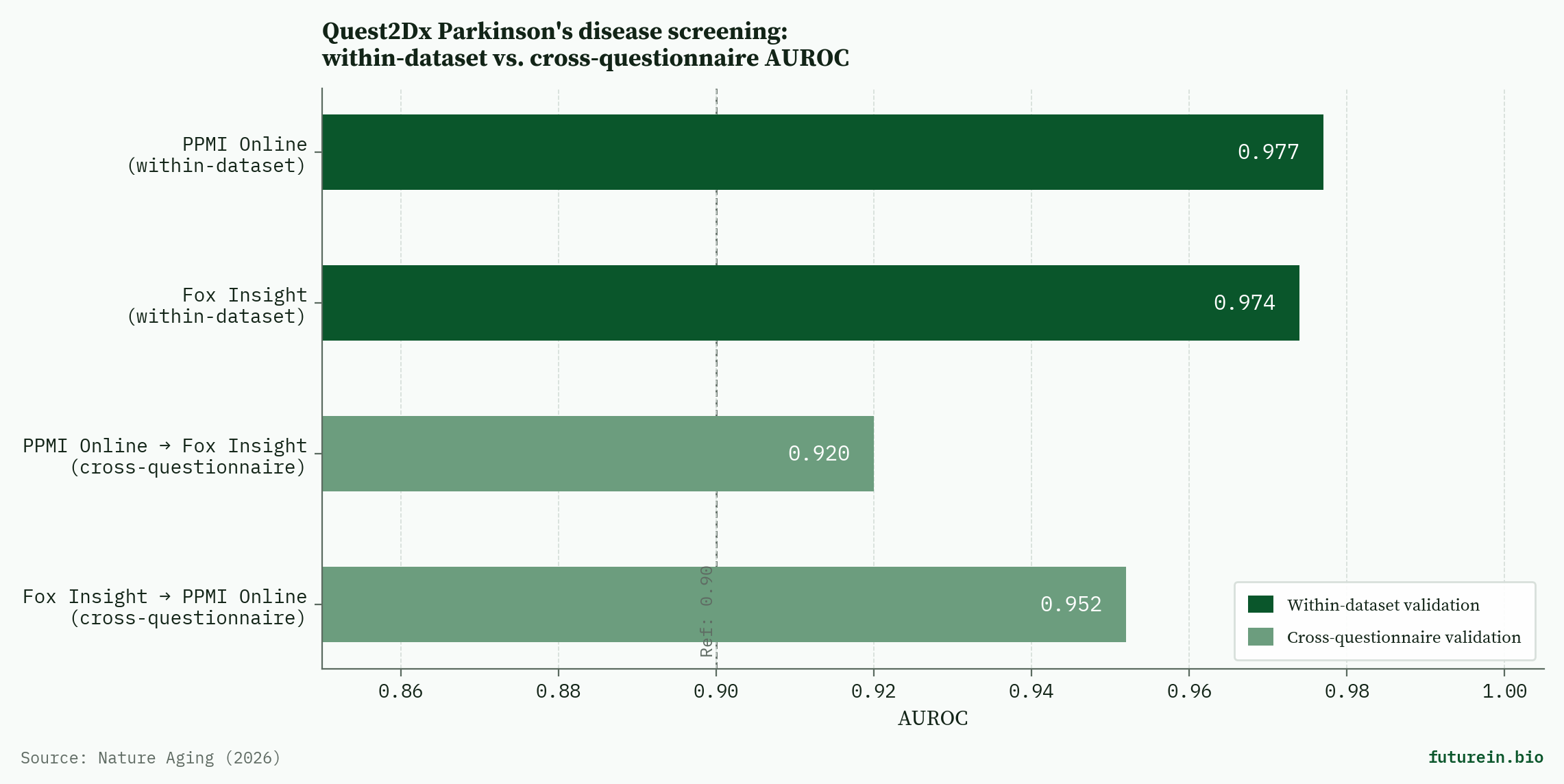
• Quest2Dx, an AI language model, screens Parkinson’s disease via self-reported questionnaires, achieving AUROCs of 0.977 and 0.974 on two large datasets.
• Cross-questionnaire validation achieved AUROCs of 0.920–0.952, enabling low-cost, non-invasive PD detection transferable across different clinical questionnaire formats.
• Demonstrates that NLP-based tabular data modeling can replace invasive biomarker testing, advancing AI-driven primary care screening for neurodegenerative diseases at scale.
Structure-guided RNA foundation model improves prediction across diverse families
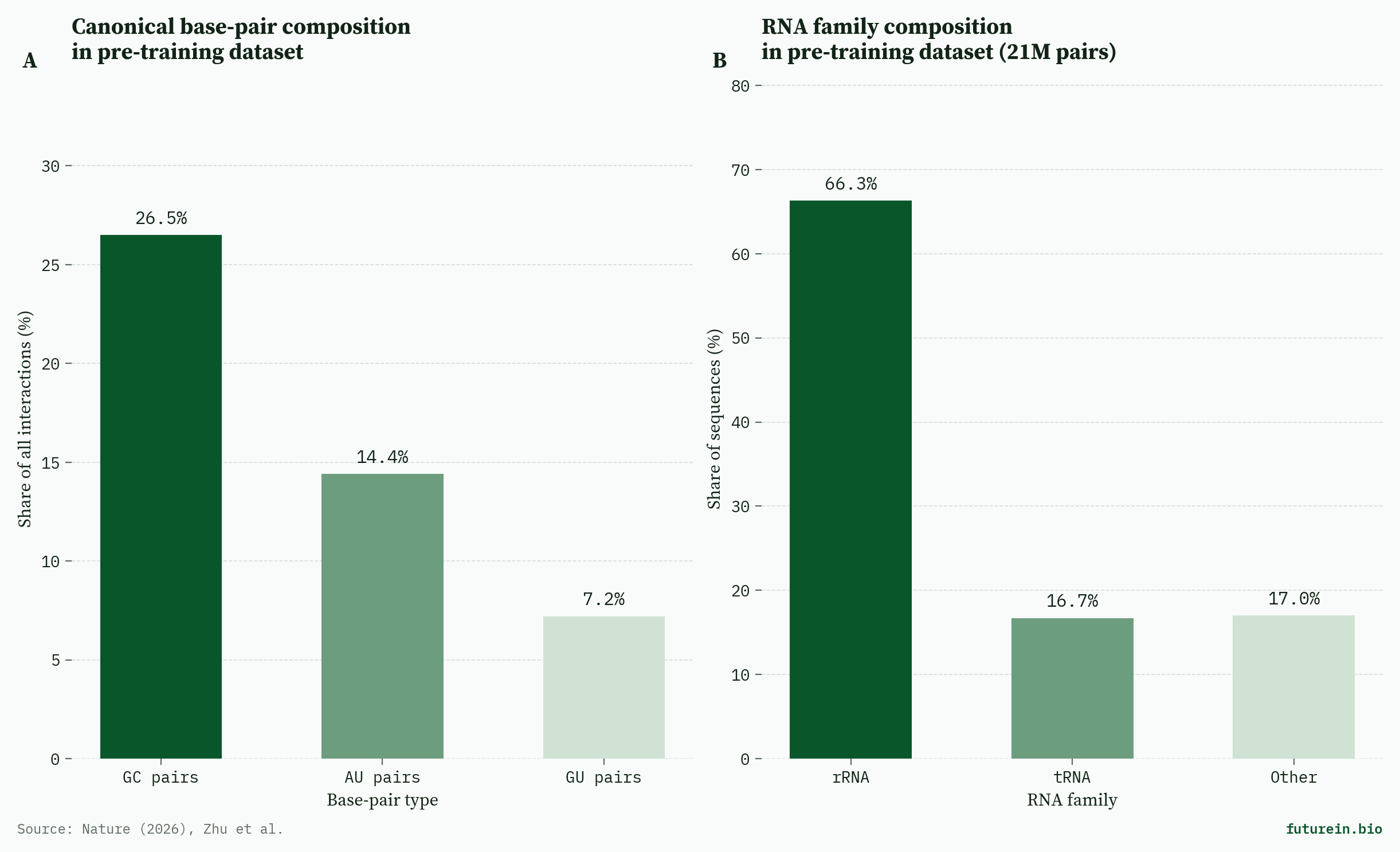
• structRFM is an RNA foundation model trained on 21 million sequence-structure pairs, achieving top performance in secondary/tertiary structure and function prediction tasks.
• Zfold (tertiary-structure adaptation) matches AlphaFold3 performance across CASP15, CASP16, and RNA-Puzzles benchmarks, with all weights and data openly released.
• Structure-guided pre-training with multimodal RNA language models signals a shift toward biology-aware AI foundations for RNA drug discovery and functional genomics.
Gait foundation model predicts cardiometabolic, mental health, and frailty outcomes
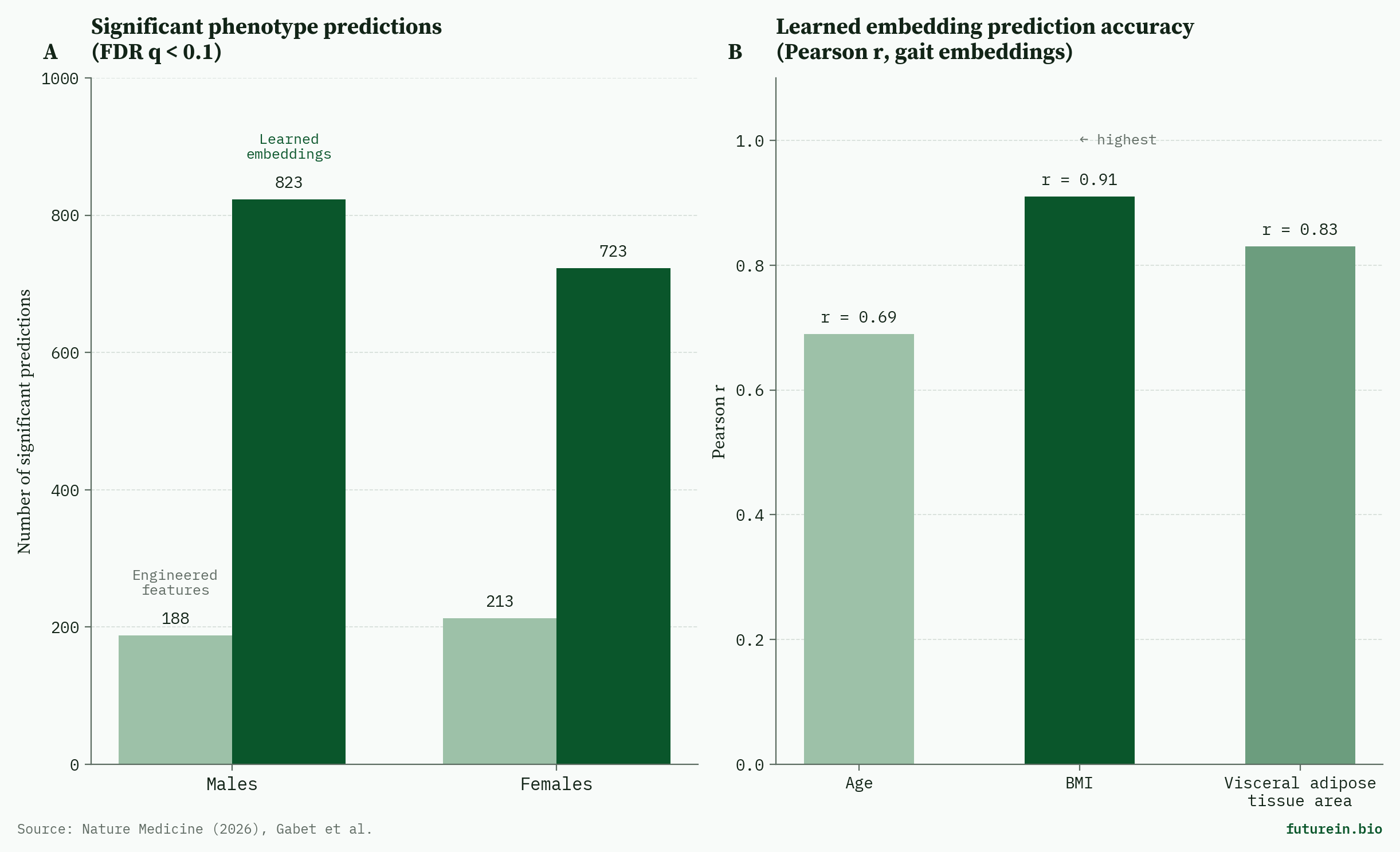
• Researchers developed a gait foundation model using 3D skeletal motion from 3,328 adults, predicting 1,887 of 3,210 health phenotypes across 18 body systems.
• Learned embeddings outperformed engineered gait features for age (r=0.69), BMI (r=0.91), and visceral adipose tissue (r=0.83), improving predictions across all 18 systems in males.
• The study establishes gait as a passive, scalable vital sign detectable via single depth-camera, positioning AI-driven movement analysis as a routine clinical screening tool.
RETBind multimodal model unifies retinal imaging data across modalities
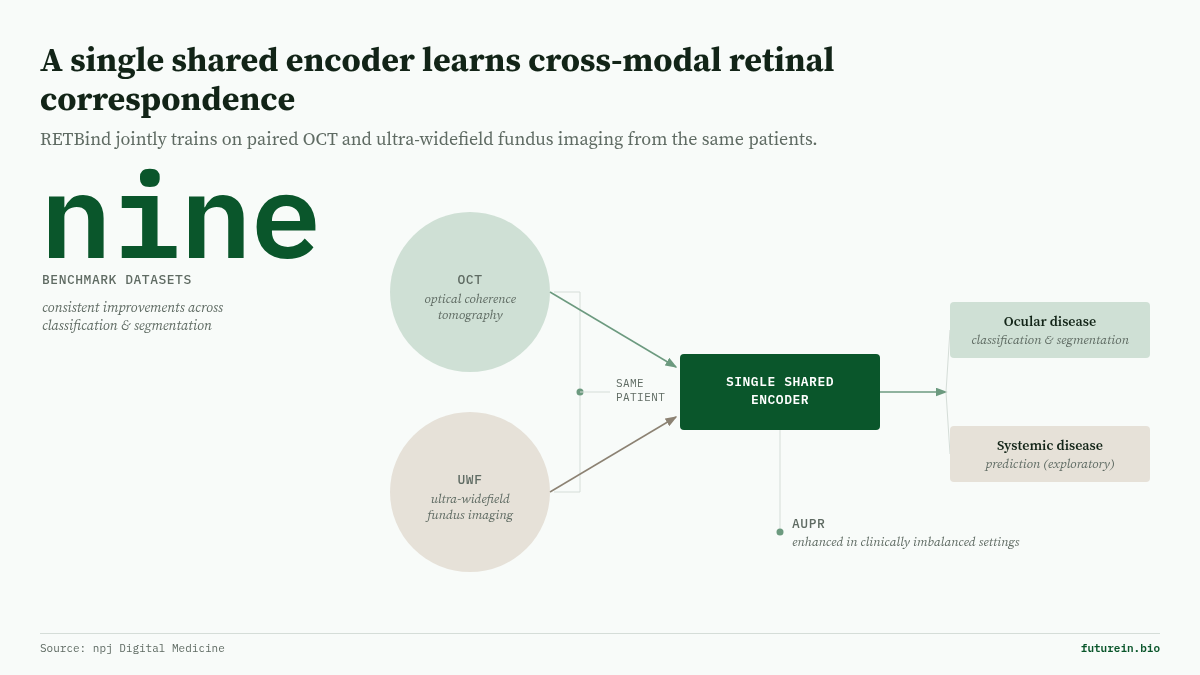
• RETBind is a multimodal AI foundation model that learns unified cross-modal retinal representations by pairing OCT and ultra-widefield fundus images at the patient level.
• Benchmarked across 9 datasets, RETBind improves ocular disease classification and segmentation performance, notably boosting AUPR in clinically imbalanced diagnostic settings.
• The model’s single shared encoder enabling cross-modal interaction signals a broader shift toward patient-level multimodal AI replacing modality-specific models in clinical ophthalmology workflows.
AI model predicts heart failure hospitalization risk in HFpEF patients
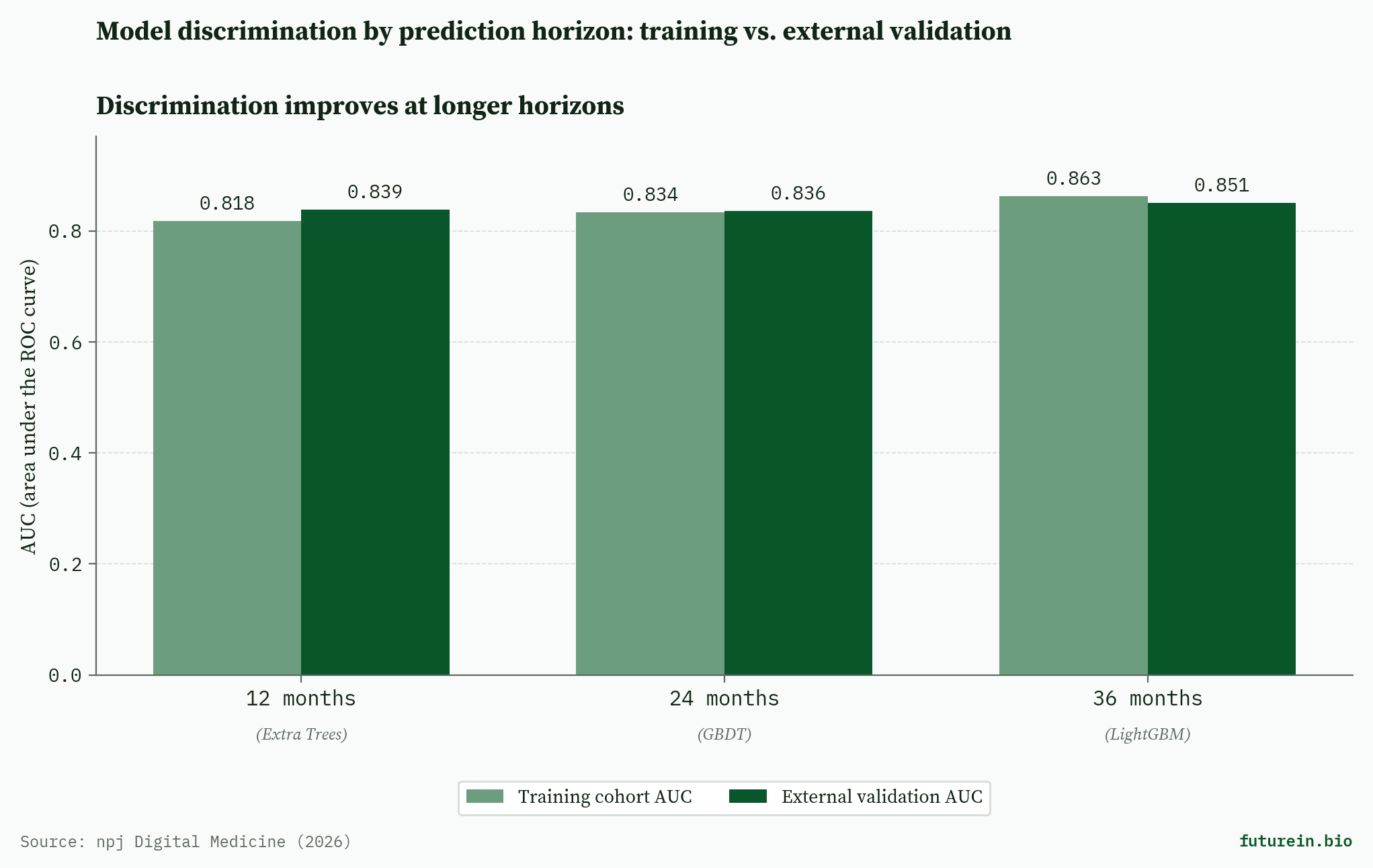
• A Chinese multicenter cohort study (n=4,367) developed ML models (ET, GBDT, LightGBM) predicting heart failure hospitalization in UA/HFpEF patients at 12-, 24-, and 36-month horizons, achieving AUCs of 0.818–0.863.
• External validation confirmed strong model performance (AUCs 0.839, 0.836, 0.851), with diabetes, TyG-BMI, and NT-proBNP identified as top predictors via SHAP analysis.
• Multi-horizon AI risk stratification frameworks signal a broader shift toward temporally granular, interpretable clinical decision tools replacing single-timepoint cardiovascular risk scores.
Large language models show promise as judges for clinical text evaluation
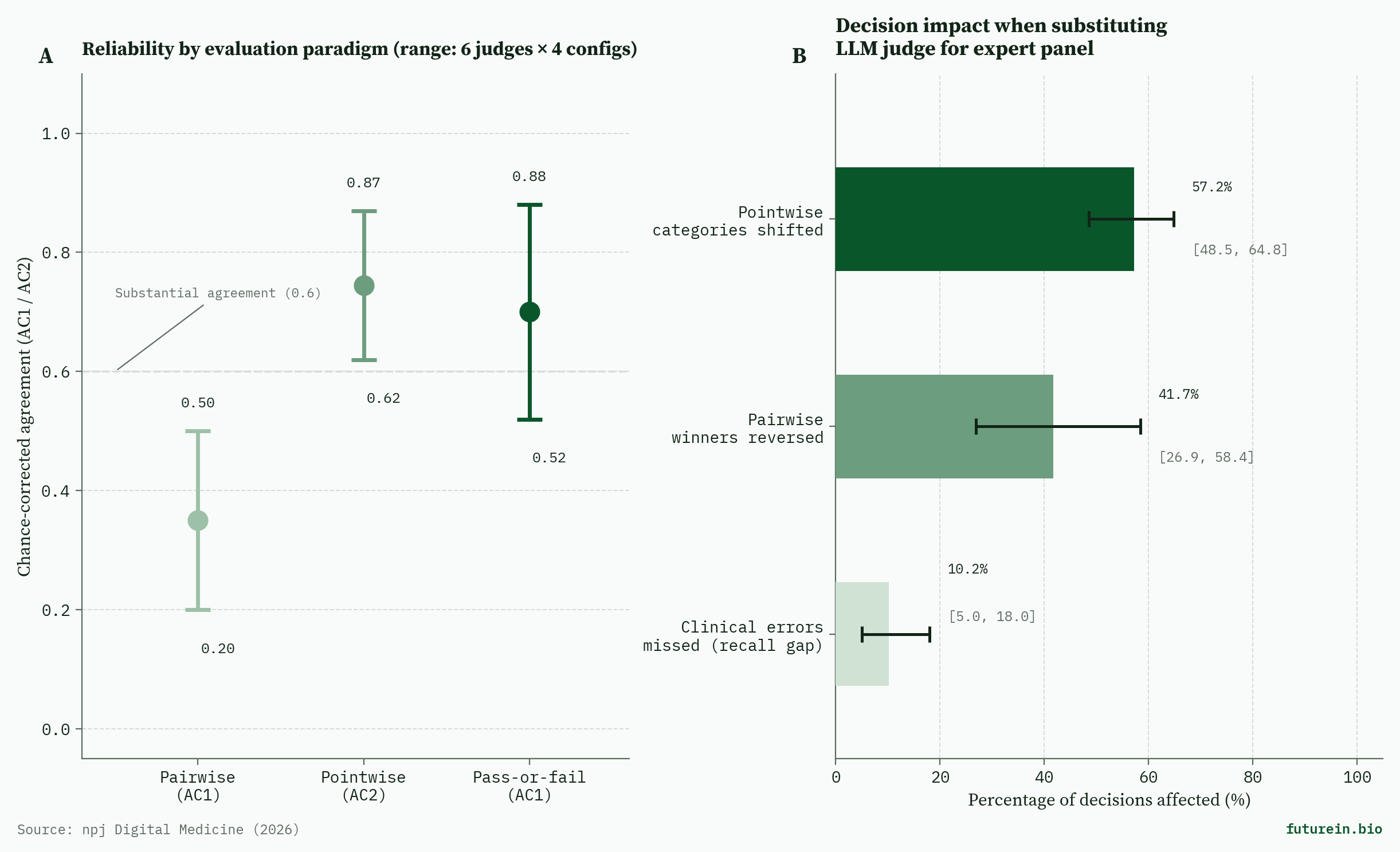
• Six open-weight LLMs (24B–235B parameters) evaluated as judges on German clinical text across 3 paradigms showed no configuration reliably matched expert consensus.
• LLM judges shifted 57.2% of pointwise ratings, reversed 41.7% of pairwise winners, and missed 10.2% of critical clinical errors versus expert panels.
• Findings indicate LLM-as-a-judge requires paradigm-specific validation before clinical deployment, with GDPR-compliant open-weight models remaining the only viable EU hospital option.
LLM support improves frontline health workers’ patient responses in Nigeria
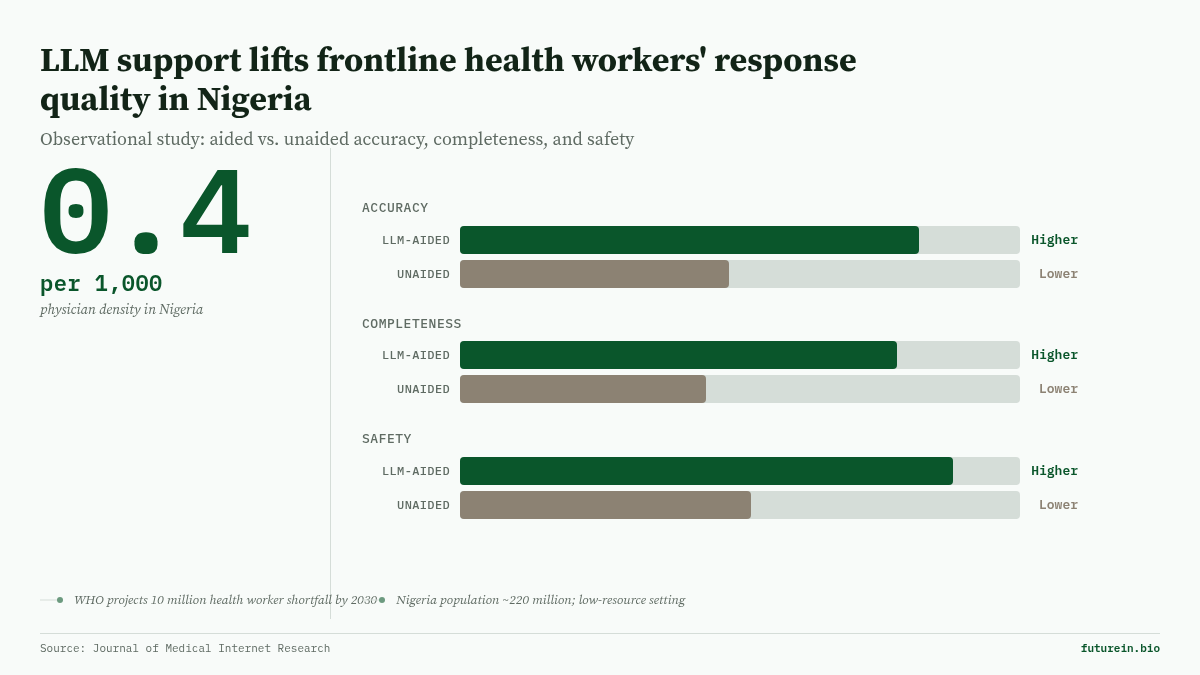
• This Nigerian observational study evaluated 1,080 responses from 36 frontline health workers across 6 clinician-rated domains (5-point Likert scale), comparing GPT-aided vs. unaided performance.
• GPT-aided responses improved empathy scores by ~1.1 points and completeness by ~1.3 points (p<0.001), with 75% of patients favoring AI-assisted responses on trust.
• CHEWs (least-trained workers) showed the largest GPT uplift (+1.4 points in completeness), signaling AI’s equity-amplifying potential in LMIC healthcare delivery.
AI-powered patient simulator improves medical student communication skills in year-long trial
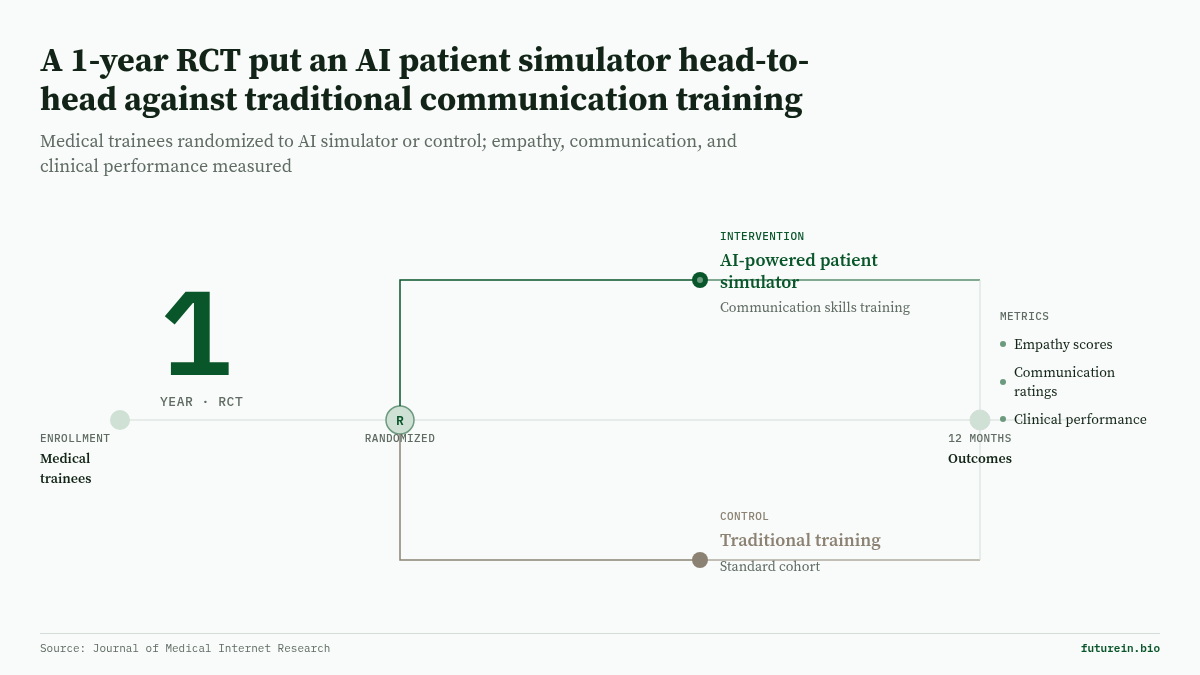
• A 1-year RCT evaluated an AI-powered patient simulator’s effectiveness in training healthcare professionals’ communication skills versus traditional methods.
• AI simulator participants showed measurable communication skill improvements, providing scalable, standardized training without requiring human standardized patients.
• Long-term, AI patient simulators signal a shift toward automated, continuous medical education tools reducing training costs and human resource dependency.
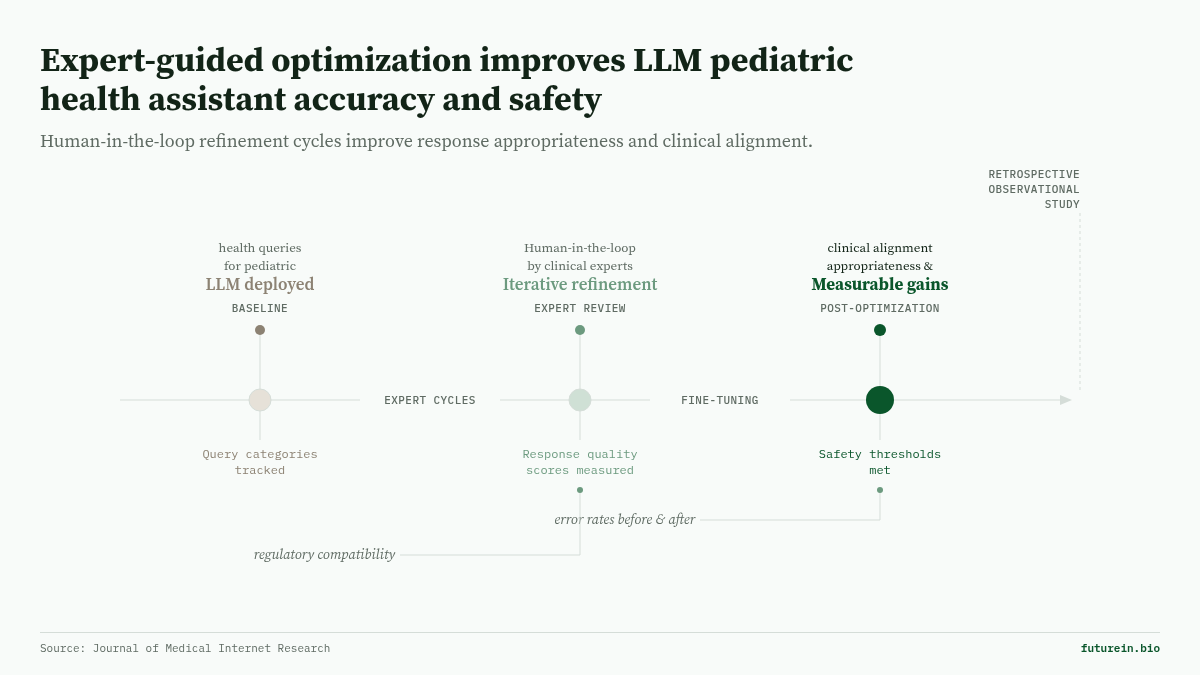
Xiaoyi LLM-based pediatric assistant shows promise in real-world use, improves with expert guidance
• This retrospective study evaluated Xiaoyi, an LLM-based pediatric health assistant, across 16,074 real-world sessions spanning 31 Chinese provinces.
• Expert-guided optimization improved clinical appropriateness from 61.4% to 87.4% (+26 pp) and reduced turn-level deficiency rates from 19.4% to 6.9% (OR=0.30, p<.001).
• With healthcare chatbot markets growing at 29.8% CAGR ($0.54B→$1.99B by 2030), human-AI augmentation achieving 94.3% diagnostic union accuracy signals scalable pediatric care access solutions.
AI ultrasound model predicts delivery dates in Chilean public hospitals
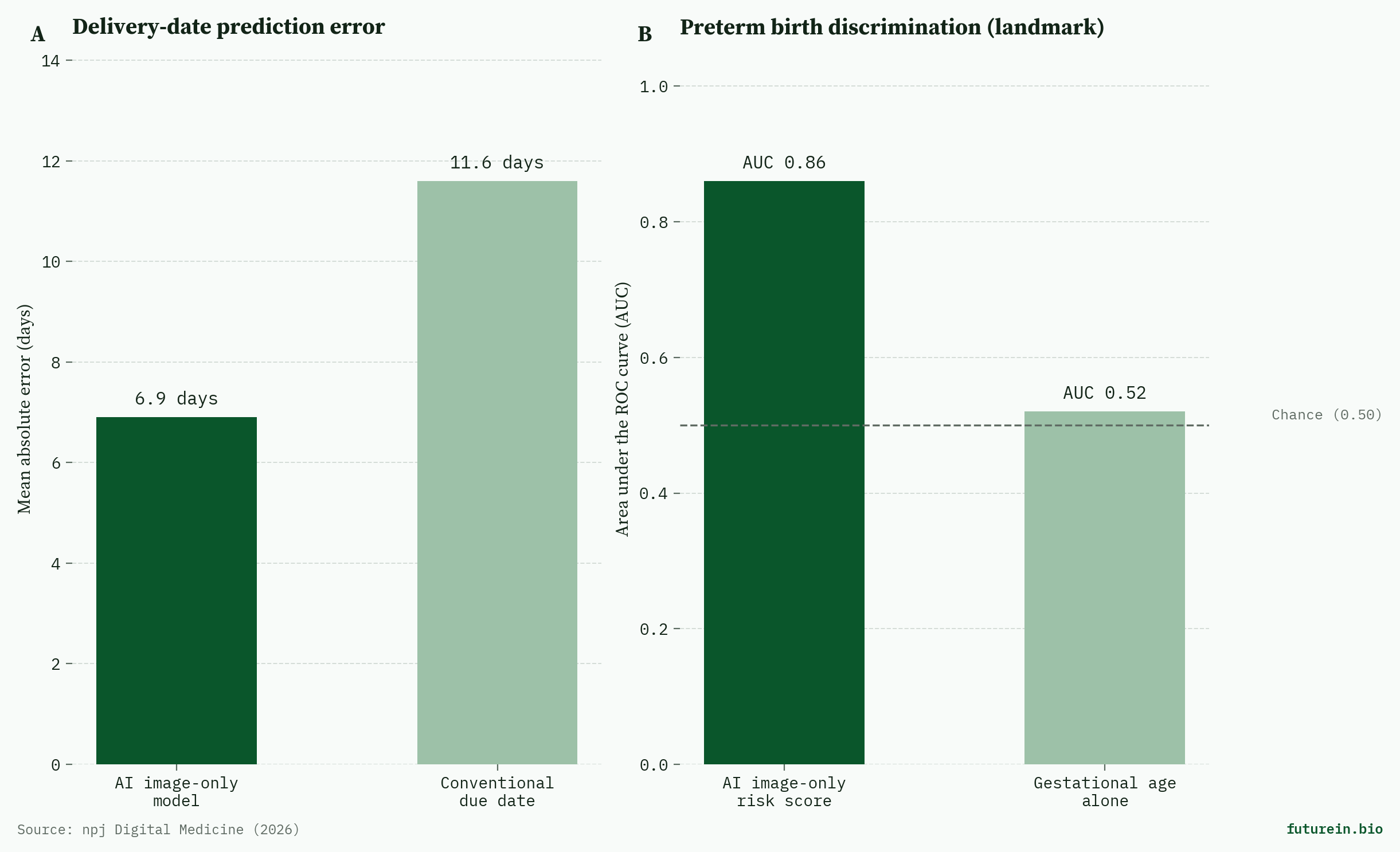
• Researchers externally validated a commercial deep-learning ultrasound model across 3,788 examinations from 2,550 pregnancies (34% migrant) at 4 Chilean public hospitals, assessing delivery-date prediction accuracy.
• The model achieved 6.9-day mean absolute error vs. 11.6 days conventionally, and discriminated preterm birth with AUC 0.86 vs. 0.52 for gestational age alone.
• Image-only AI risk scoring for preterm birth, deployable without clinical metadata, signals a scalable prenatal care tool for underserved, late-presenting populations globally.
Hybrid AI model improves reliability of anesthesia risk classification system
• This study validated a hybrid ML-LLM ensemble model for automating ASA Physical Status Classification using retrospective clinical data.
• The ensemble model achieved ~90% accuracy in ASA-PS assignment, reducing manual clinician classification burden and inter-rater variability.
• Demonstrates scalable AI integration into preoperative workflows, supporting long-term trends of LLM deployment in clinical decision support systems.
Hippocratic AI launches Polaris 6 Ultra for real-time clinical voice interactions
• Hippocratic AI launched Polaris 6 Ultra, a 7.4T-parameter clinical voice AI trained on 323M patient conversations, featuring 278ms latency and real-time bedside intuition.
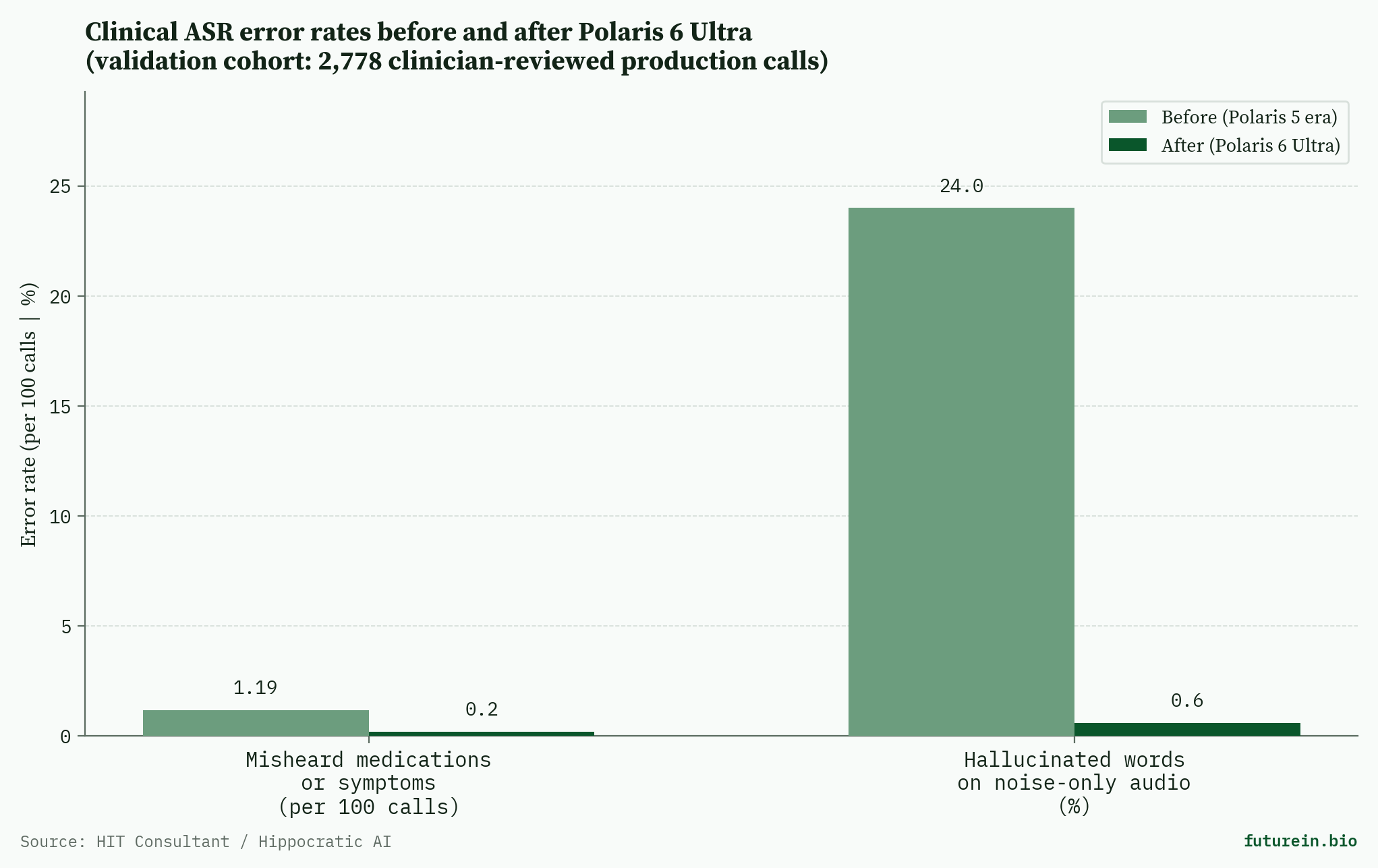
• The model cuts misheard medications 83% (1.19→0.20/100 calls), eliminates numeric/name errors (0.57→0.00), and achieves 90% drug-name pronunciation vs. 75% commercial benchmark.
• Hippocratic AI’s $3.5B valuation (7x growth since Series A) and $404M raised signal accelerating institutional investment in autonomous, empirically-trained clinical AI infrastructure.