Anthropic outlines biopharma ambitions in latest research update
• Anthropic’s Claude AI is partnering with 6 biopharma organizations (BMS, BigHat, Generate, Divergence, Enveda, TCG) across drug discovery, manufacturing, and clinical trial planning.
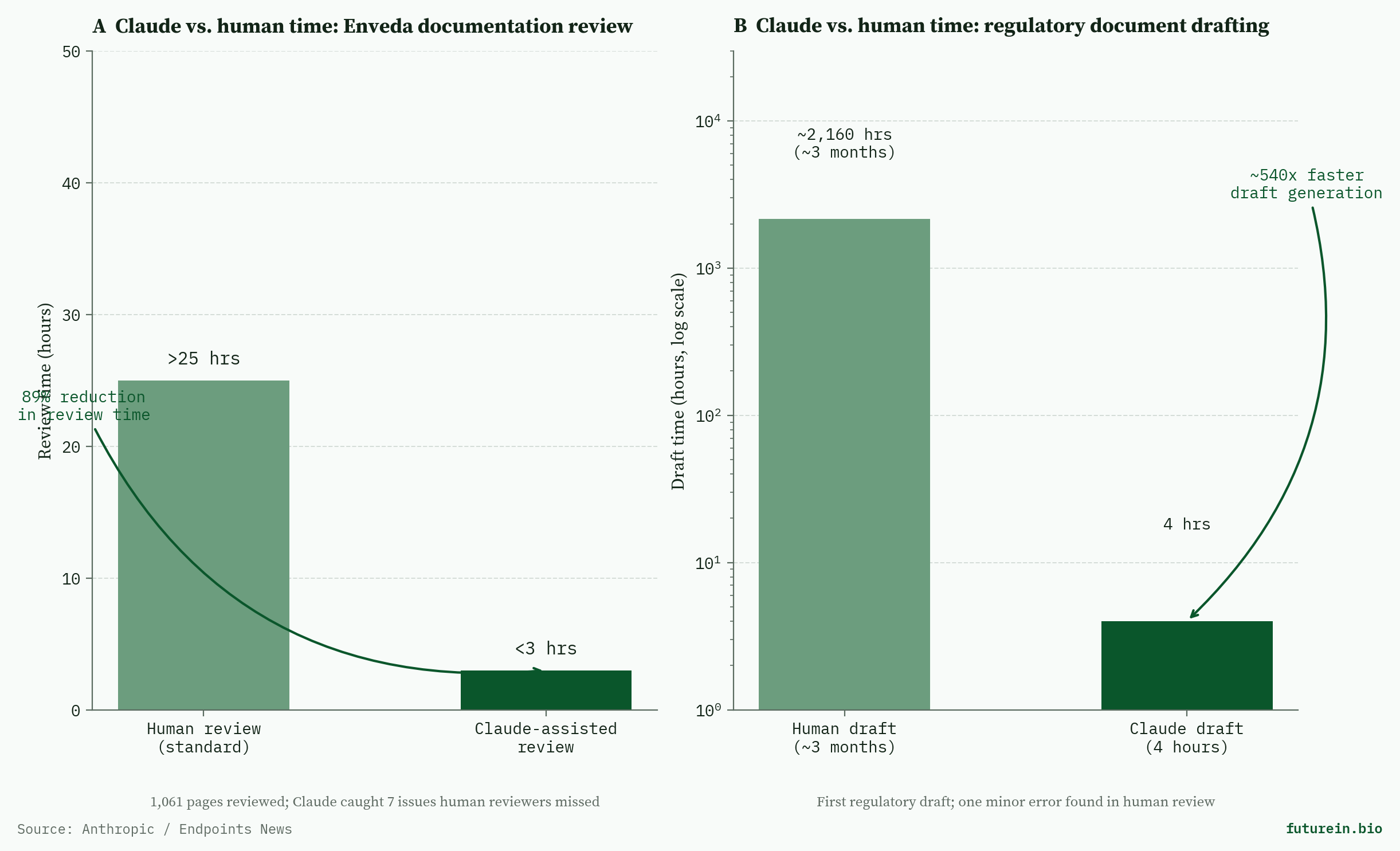
• Early results include 10x receptor expression improvement, 35,000 antibody designs generated in 1 month, 89% reduction in document review time, and 100x slower clumping rates.
• AI-driven drug discovery could compress timelines dramatically—one muscular dystrophy candidate moved from concept to promising mouse data in 18 months, targeting human trials by late 2028.
Flagship Pioneering merges three portfolio companies to compete in AI drug discovery
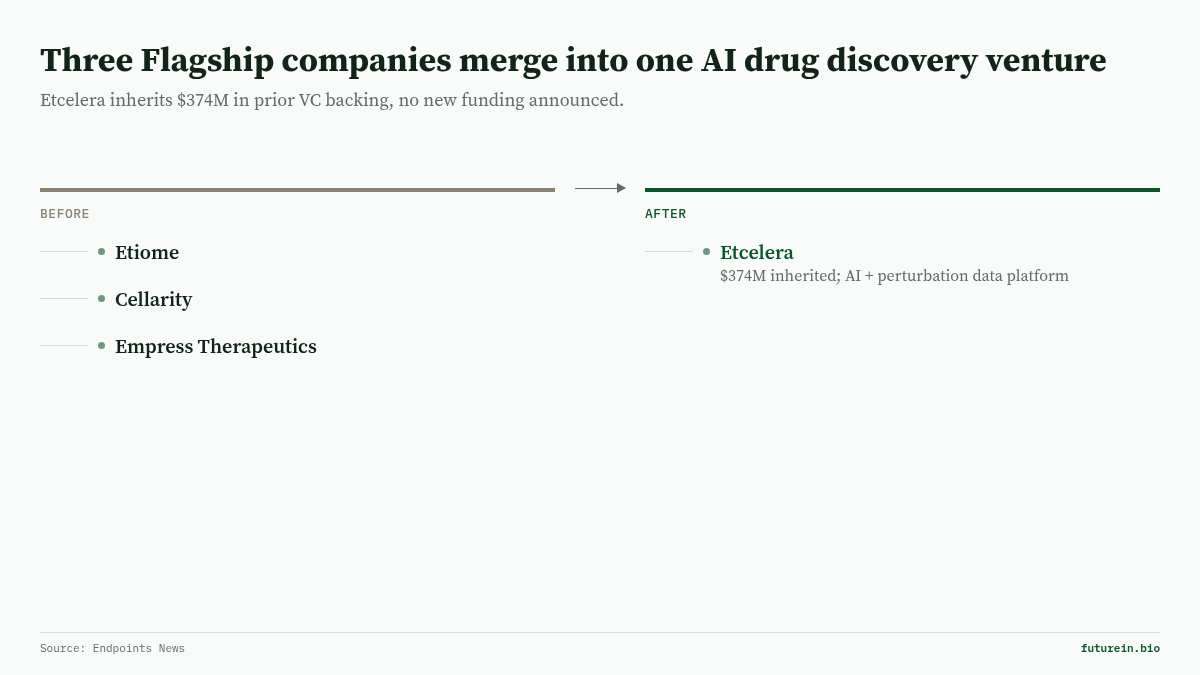
• Flagship Pioneering merged Etiome, Cellarity, and Empress Therapeutics into AI drug discovery startup Etcelera, backed by $374M in prior VC funding.
• Etcelera launches with a 150M-cell foundation model, 30+ AI prediction models, targeting myelofibrosis and essential thrombocythemia, with 2 pharma partnerships forming.
• AI drug discovery market grows from $1.71B (2024) to $8.52B (2030) at 30.58% CAGR, as platform consolidation bets aim to halve Phase 2’s ~50% failure rate.
Counsel Health launches AI-native weight management program with LillyDirect across 44 states
• Counsel Health launched a weight management program that wraps GLP-1 prescribing inside full primary care, and is collaborating with LillyDirect, Eli Lilly’s direct-to-consumer digital pharmacy, so patients can choose Counsel through the LillyDirect portal.
• Clinically supervised medical AI checks in on patients across the 44 states where Counsel is licensed, monitoring titration tolerance and flagging gastrointestinal side effects, with physicians available on demand; the formulary includes Zepbound (tirzepatide), Wegovy (semaglutide) and oral Foundayo (orforglipron).
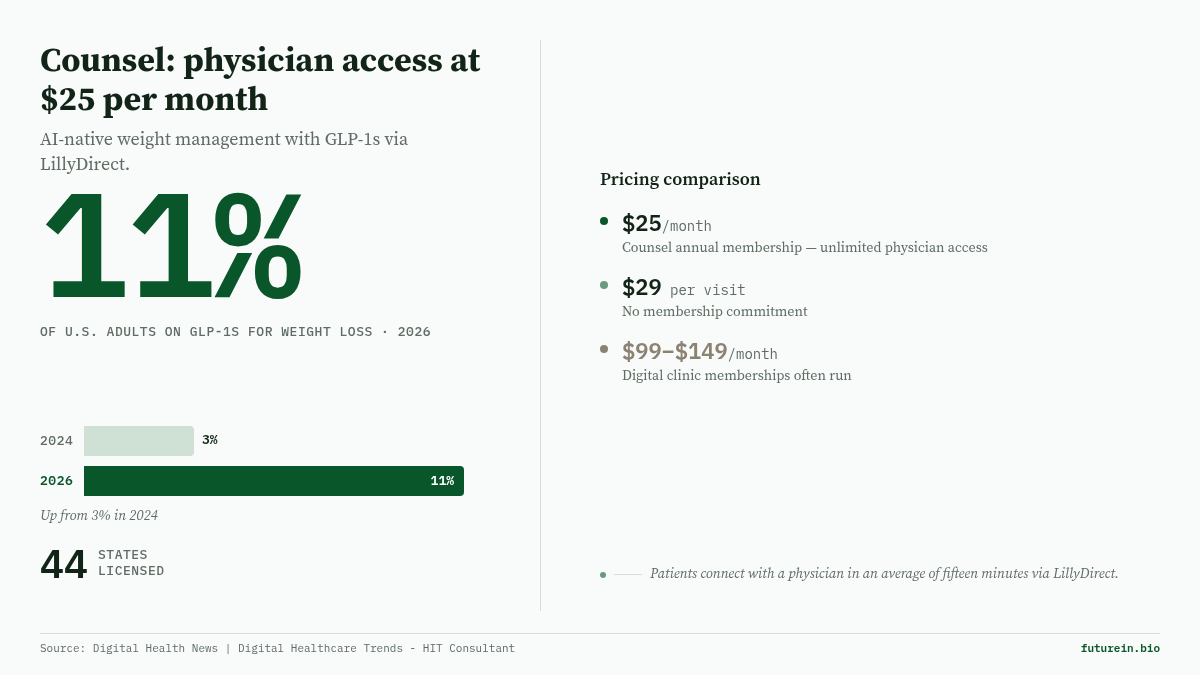
• Pricing is $300 per year for unlimited physician access or $29 per visit, versus the $99–$149 per month typical of digital clinic memberships, as the share of U.S. adults taking GLP-1s for weight loss climbed to 11% in 2026 from 3% in 2024.
A clinical multimodal vision language foundation model with fine-grain explainability
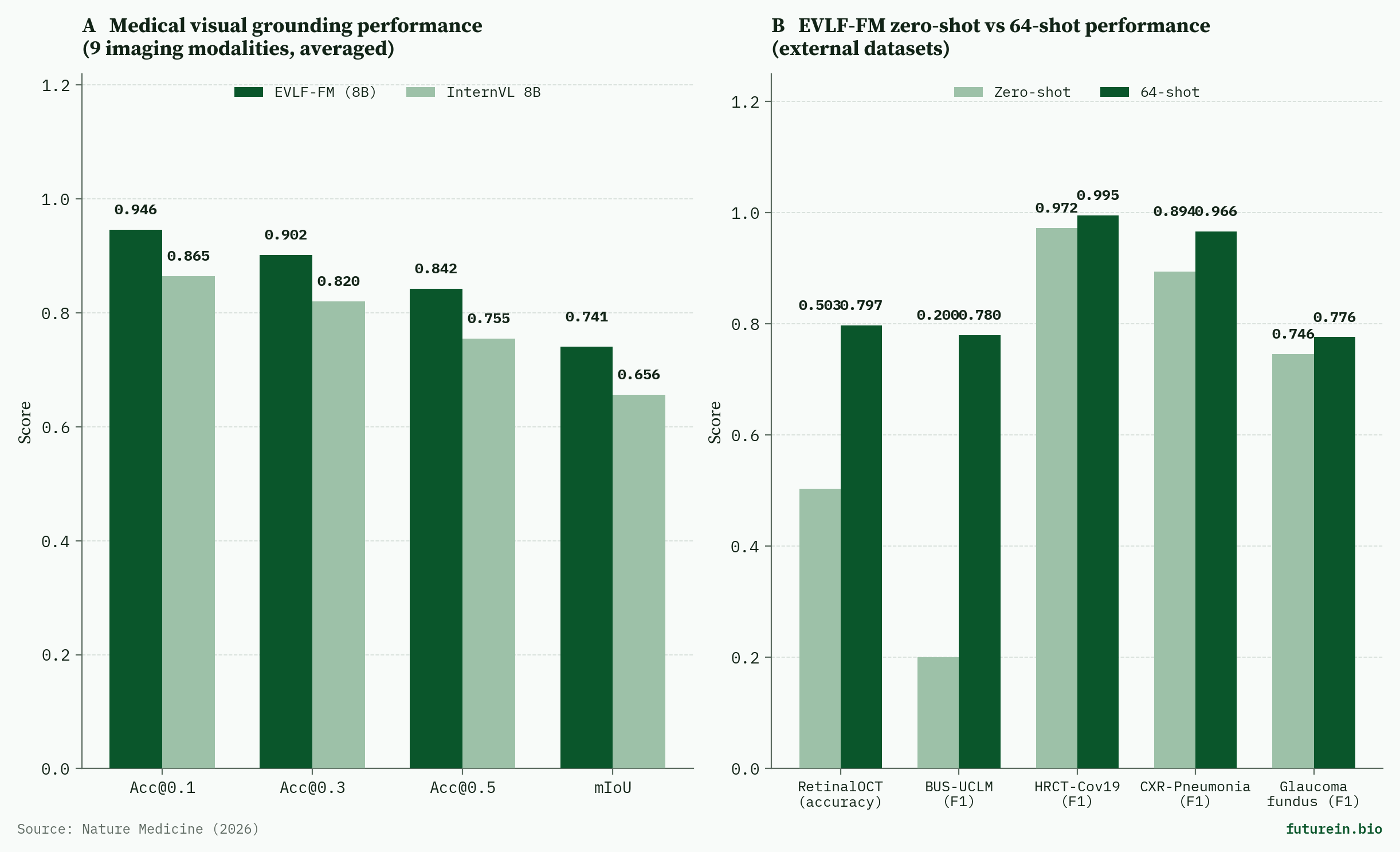
• EVLF-FM is a multimodal medical AI model trained on 1.3M+ samples across 10 imaging modalities and 6 specialties, achieving 0.895 diagnostic accuracy.
• The model outperforms competing VLMs in zero-shot settings with competitive F1 scores at 8B parameters, and earned a 4.25/5 clinical explainability score from 12 physicians.
• EVLF-FM advances toward general medical AI by combining supervised and reinforcement fine-tuning for transparent, pixel-level reasoning across radiology, pathology, and ophthalmology workflows.
AI assistance improves radiographer fracture detection in emergency departments
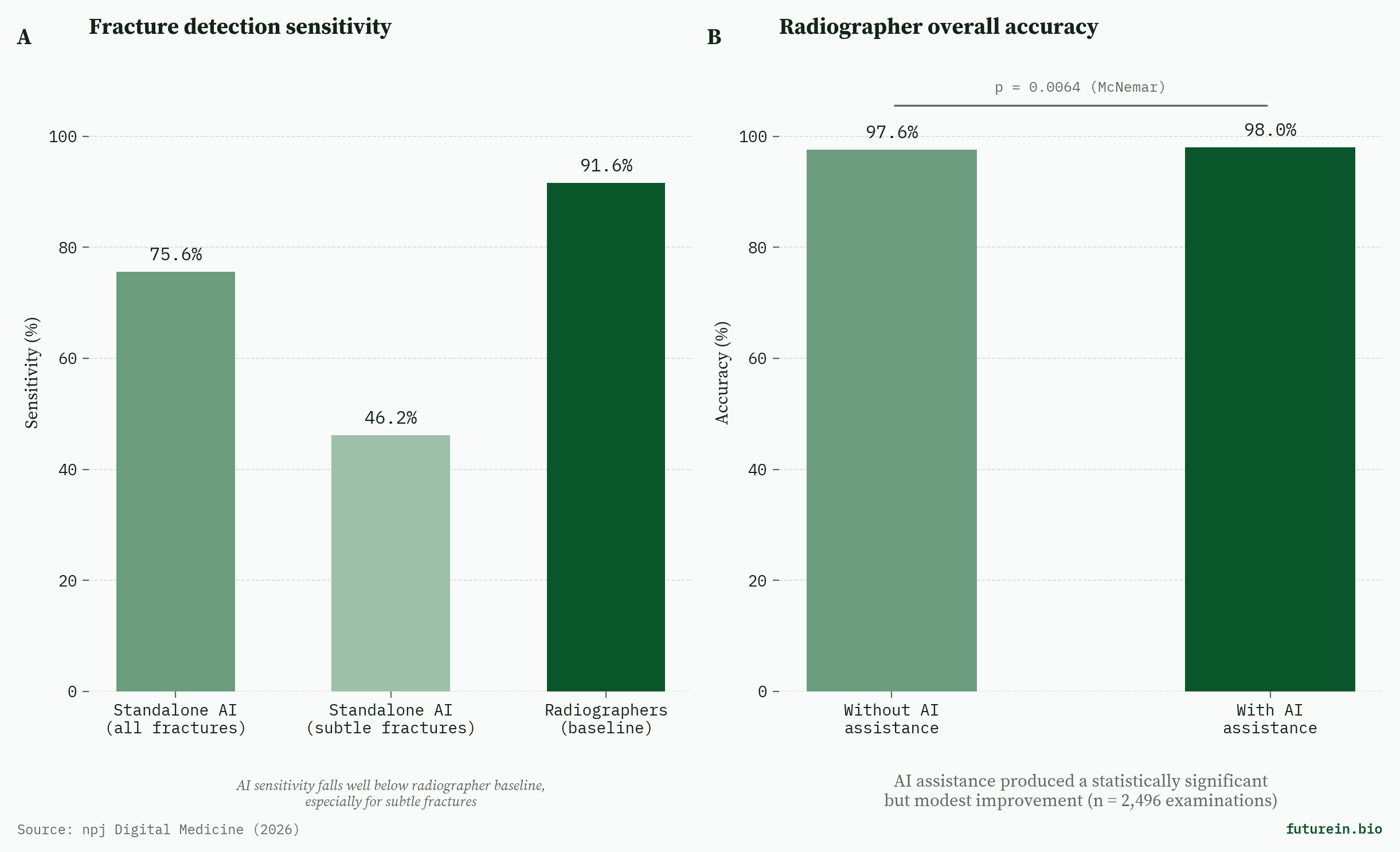
• This prospective 3-month ED study evaluated 2,496 musculoskeletal radiographs, comparing radiographer accuracy alone vs. with commercial AI assistance against radiologist reference standard.
• AI assistance improved radiographer accuracy modestly (97.6%→98.0%, p=0.0064), correcting 11 errors while introducing 1, but standalone AI sensitivity (75.6%) lagged radiographers’ baseline (91.6%).
• With 8.8% AI output failure rate and limited behavioral uptake (11/729 discordant cases changed), operational reliability and human-AI interaction design remain critical barriers to real-world deployment.
AI outperforms radiologists at detecting bone fractures, umbrella review finds
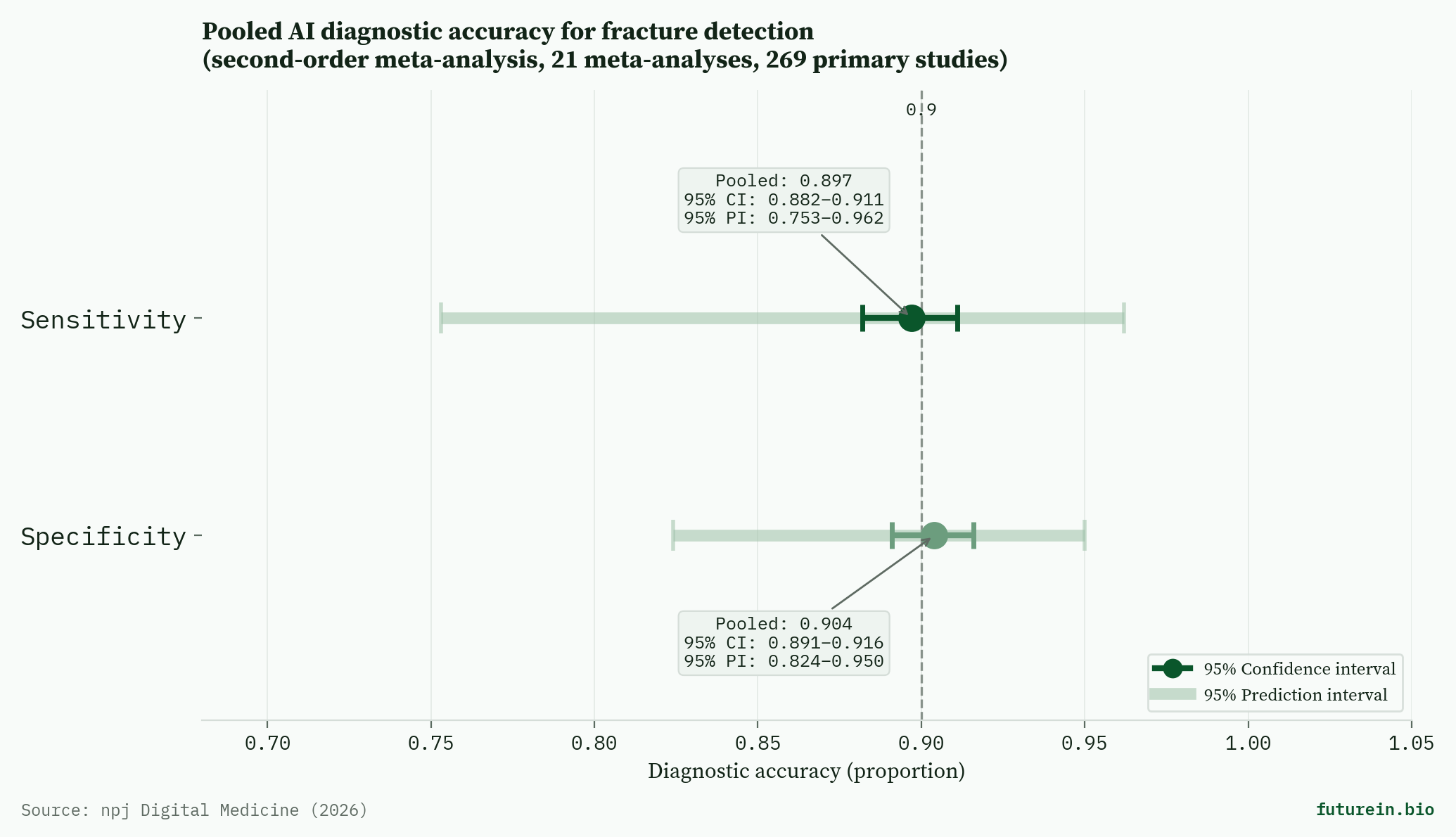
• This umbrella review of 50 systematic reviews (387 primary studies) found pooled AI fracture detection sensitivity of 89.7% and specificity of 90.4% across imaging modalities.
• Evidence quality was critically low/low across all 25 meta-analyses (AMSTAR-2), with no safety outcomes reported, making current regulatory approvals difficult to fully justify.
• Broad clinical adoption of AI fracture tools requires prospective external validation and randomised trials, as comparative performance versus clinicians remains inconclusive from sparse data.
Researchers develop scalable drift monitoring for medical imaging AI
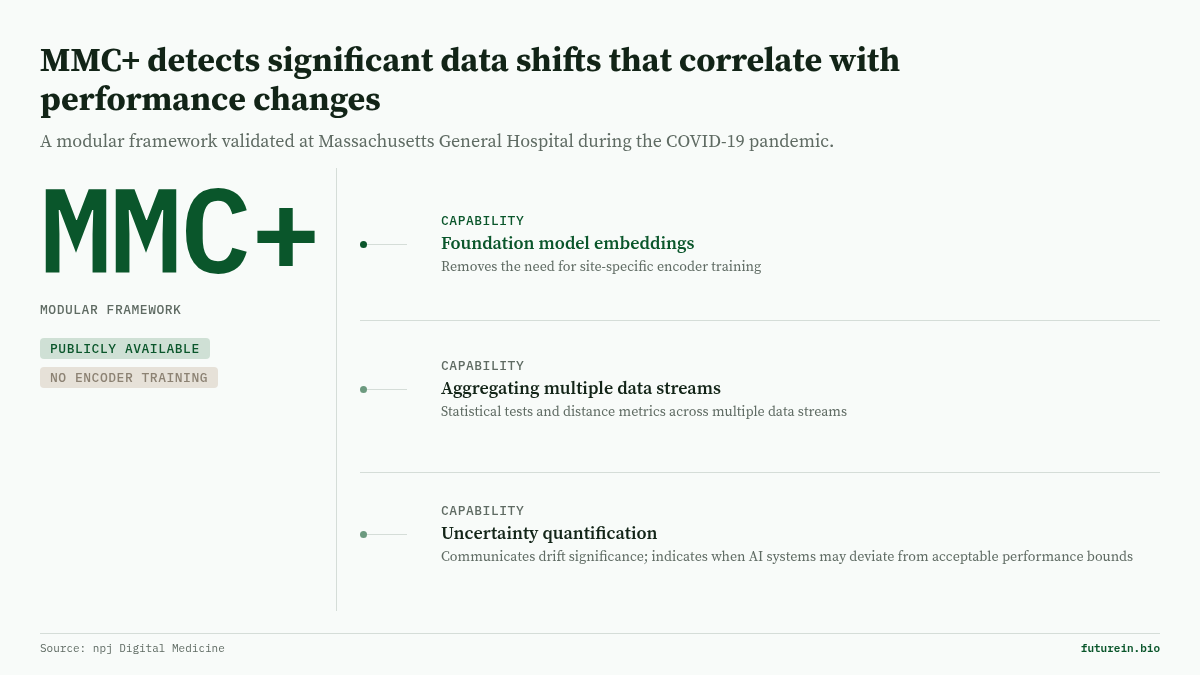
• MMC+ is a modular AI drift-monitoring framework for clinical medical imaging, validated using Massachusetts General Hospital COVID-19 pandemic data to detect performance-degrading data shifts.
• MMC+ eliminates site-specific encoder training via foundation model embeddings, reducing deployment costs while enabling real-time, continuous AI performance monitoring in live healthcare environments.
• Publicly available on GitHub, MMC+ advances scalable, transparent clinical AI oversight—critical as regulatory and operational pressure to ensure long-term AI reliability in diagnostics intensifies.
CopilotJ conversational AI system streamlines bioimage analysis
• CopilotJ is an open-source conversational multi-agent AI system integrating with ImageJ to automate bioimage analysis workflows via natural-language commands.
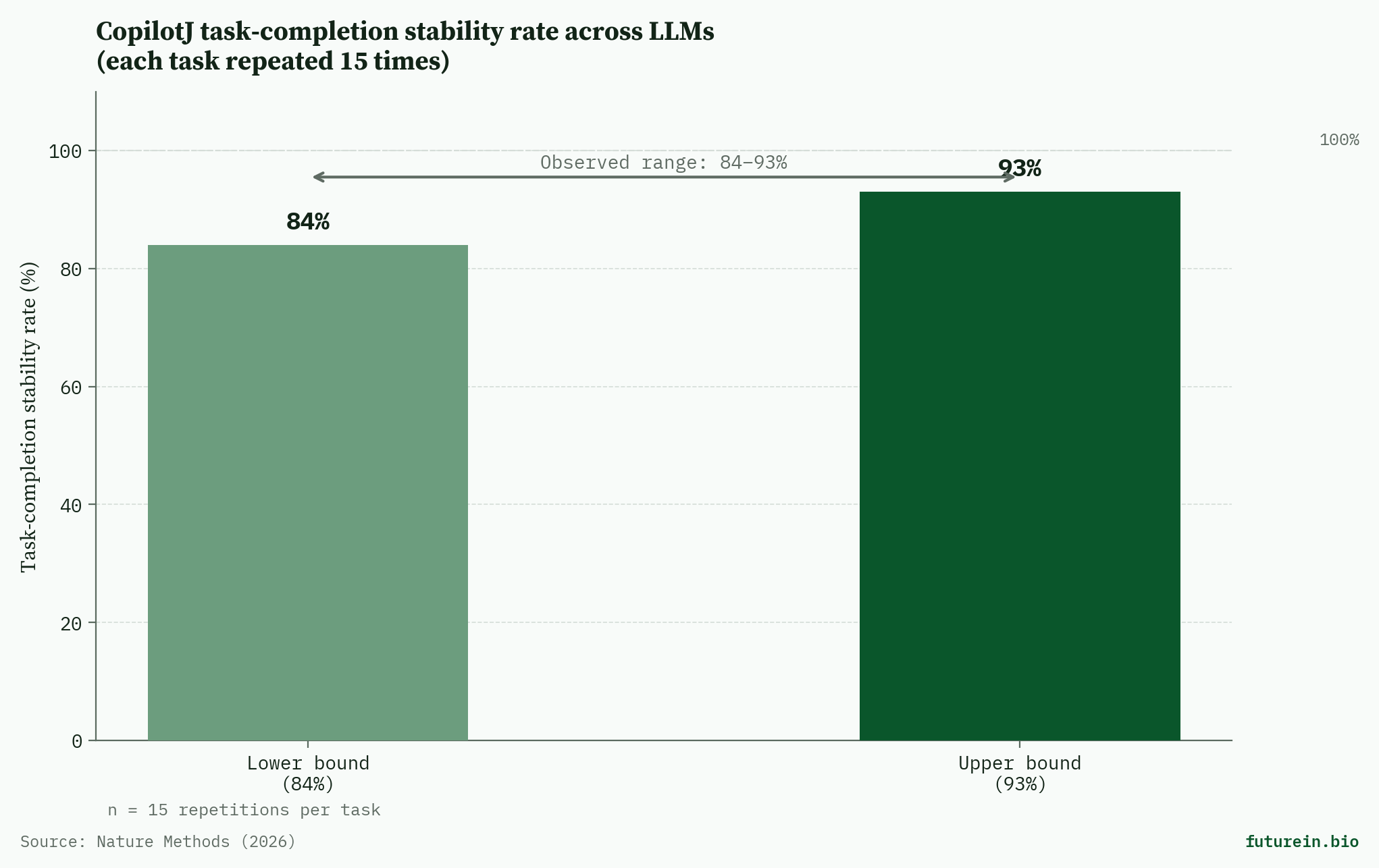
• The system achieved 84–93% task-completion stability across 15 repeated trials per task, supporting cell counting, segmentation, tracking, and batch processing pipelines.
• CopilotJ reflects a long-term shift toward LLM-agnostic, AI-automated laboratory software, reducing technical barriers in microscopy and quantitative biological imaging workflows.
Machine learning dataset improves T cell receptor binding prediction with protein language models
• Researchers introduce Hi-TPH, a hierarchical ML dataset with improved negative sampling, and Hi-TPH-PLMs models for predicting T cell receptor–pHLA binding interactions.
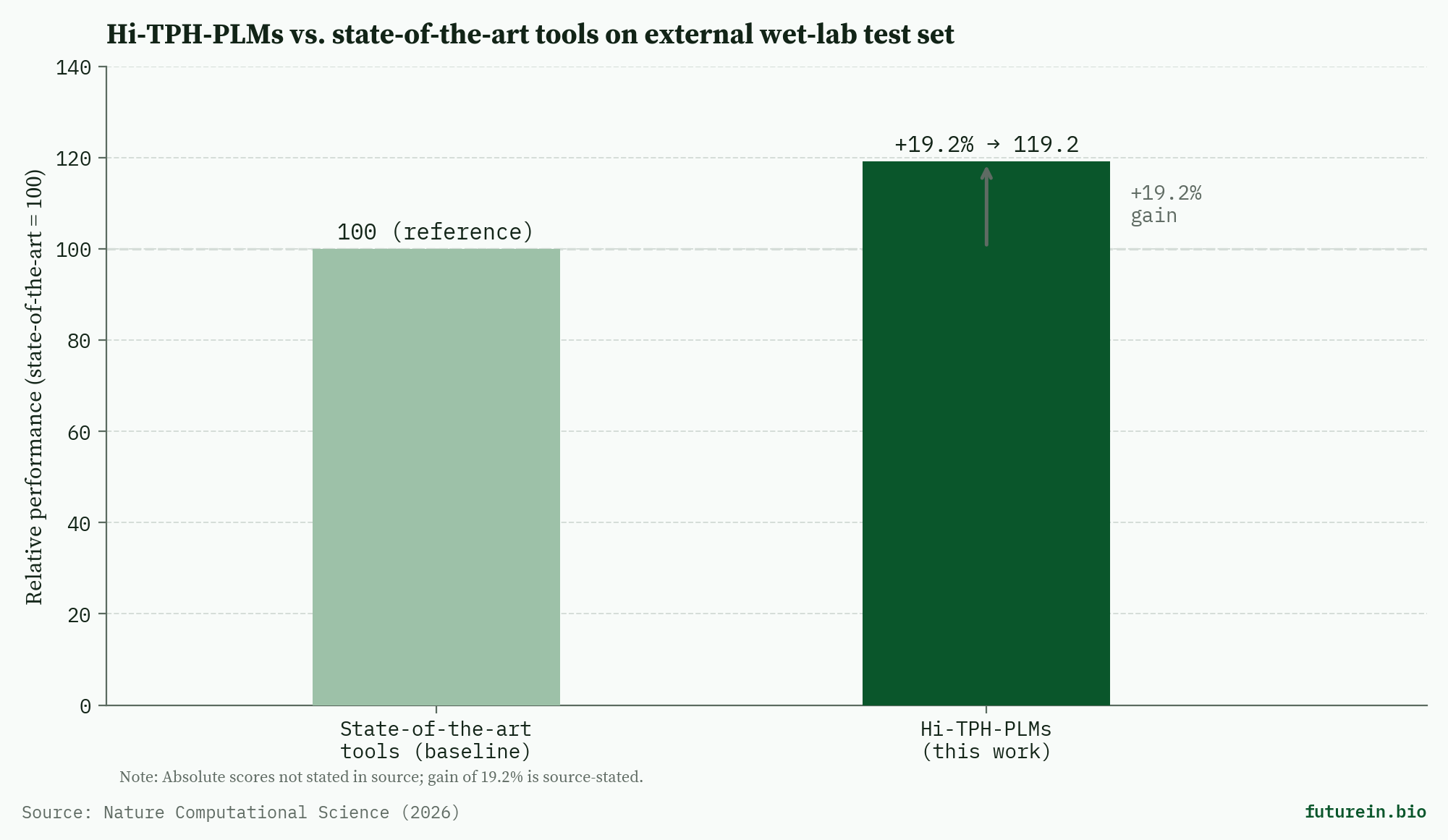
• Hi-TPH-PLMs achieves a 19.2% performance gain over state-of-the-art tools on external wet-lab validation, with code and data publicly released via GitHub and Zenodo.
• Improved TCR–pHLA binding prediction accelerates personalized cancer immunotherapy development, including neoantigen vaccines and precision T cell receptor replacement therapies.
Graph learning maps tumor microenvironment patterns to predict gastric cancer outcomes
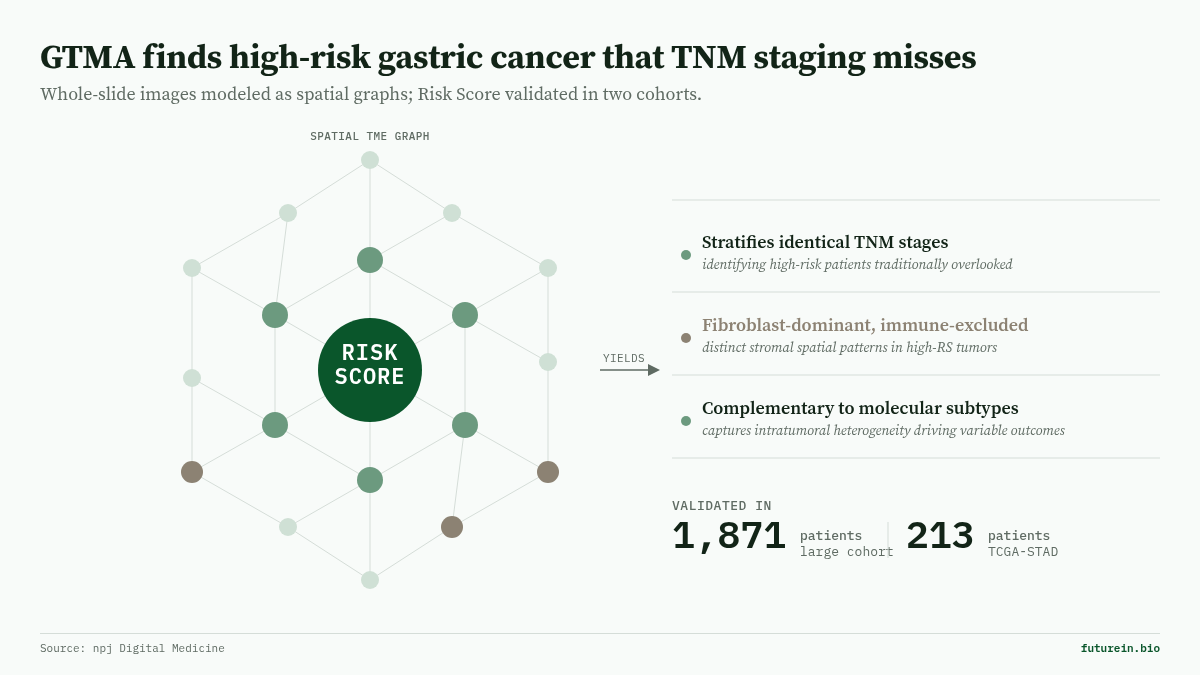
• Researchers developed GTMA, an interpretable deep learning framework modeling whole-slide images as spatial graphs to predict gastric cancer prognosis across 2,084 patients (n=1,871 + n=213 TCGA-STAD).
• GTMA’s Risk Score stratified patients within identical TNM stages and molecular subtypes, identifying previously overlooked high-risk cases linked to fibroblast-dominant, immune-excluded tumor phenotypes.
• This work advances AI-driven digital pathology toward individualized precision oncology, complementing standard clinical staging with spatially-resolved, biologically interpretable TME signatures.
Zocdoc embraces personal AI agents as healthcare industry resists automation
• Zocdoc opens its healthcare infrastructure to AI agents, enabling verified provider search, insurance checks, and confirmed appointment booking, with traffic growing 30x since July 2026.
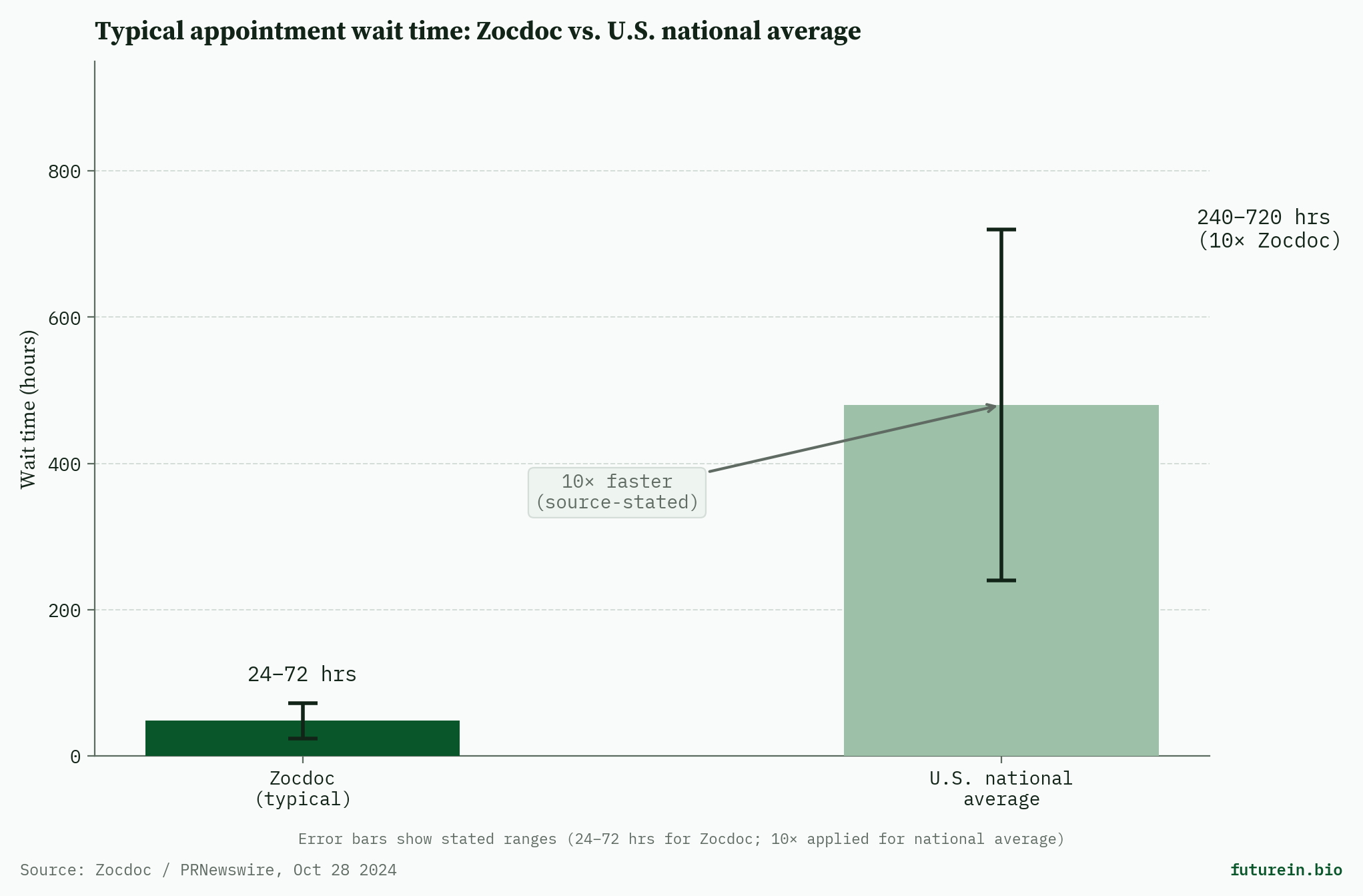
• Partnership with Instinct grants AI agents direct MCP access to 200,000+ verified providers, 10,000+ insurance plans, and 250,000 daily bookable appointments averaging 24–72 hour wait times.
• With 33% of Americans using AI weekly for health advice and national wait times at 31 days, agent-integrated healthcare platforms represent a structural shift in patient access infrastructure.
FDA outlines approval pathway for personalized gene editing therapies
• FDA’s October 2026 draft guidance (docket FDA-2026-D-11783) outlines how individualized genome editing products can be submitted under a single BLA per PHS Act section 351(a).
• Sponsors can now add multiple gene editing variants post-approval under one license, streamlining regulatory pathways for personalized genetic therapies.
• This framework accelerates individualized gene editing commercialization, signaling FDA’s long-term commitment to scalable, patient-specific genomic medicine infrastructure.
Digital relapse prevention tool shows promise for schizophrenia patients in trial
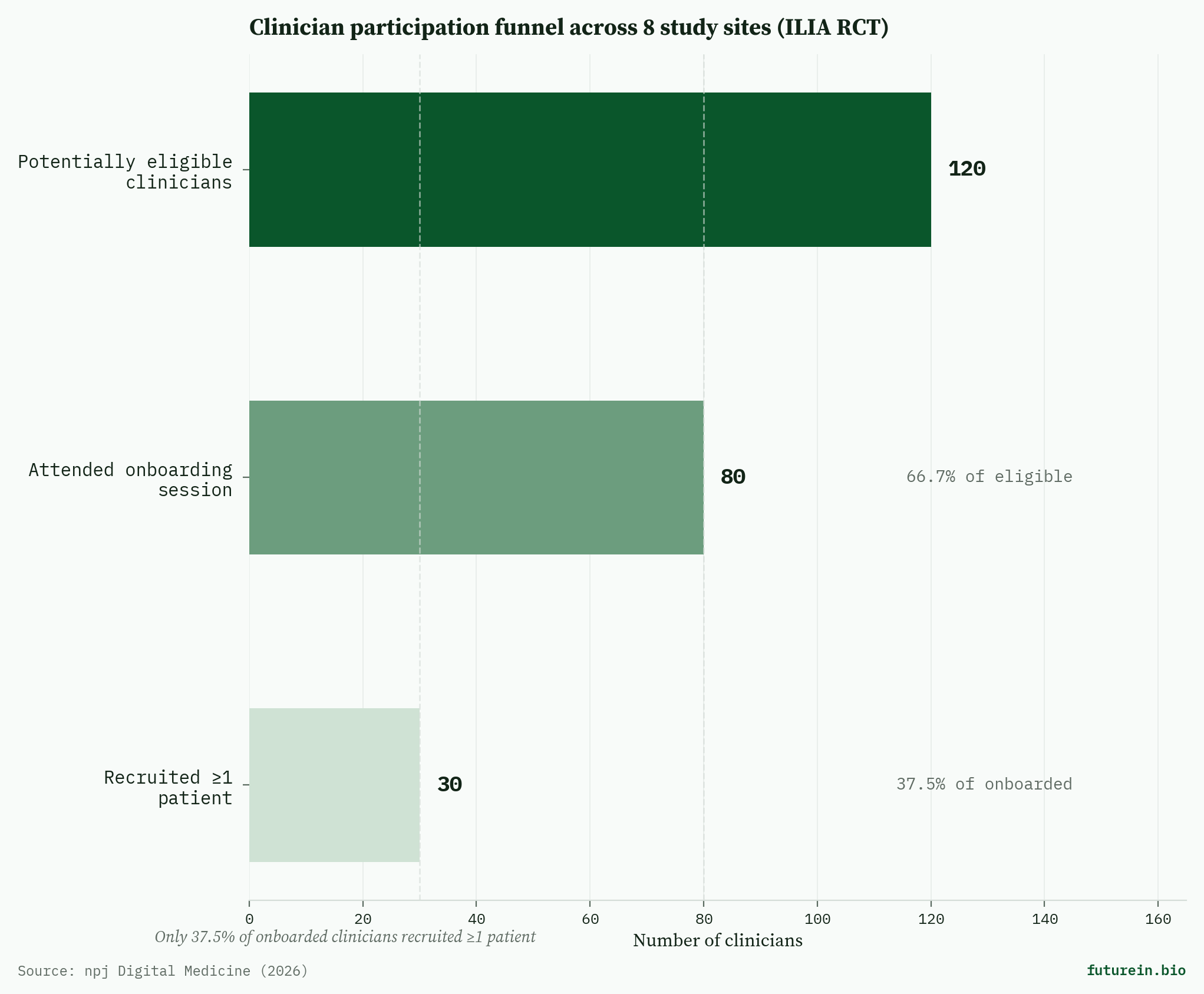
• This study analyzes implementation barriers/facilitators of a smartphone relapse-prevention app for schizophrenia across 8 sites, 115 patients, using the R(E)-AIM framework.
• Digital intervention reduced hospitalizations 43%→24% and cut hospital days by ~5; yet only 37.5% of 80 onboarded clinicians actively recruited patients.
• Long-term adoption requires EHR interoperability, standardized SOPs, and reimbursement pathways; SMS-based tools demonstrated up to 60% hospitalization reduction potential.
Wearable data and AI show promise for detecting burnout in pediatric clinicians
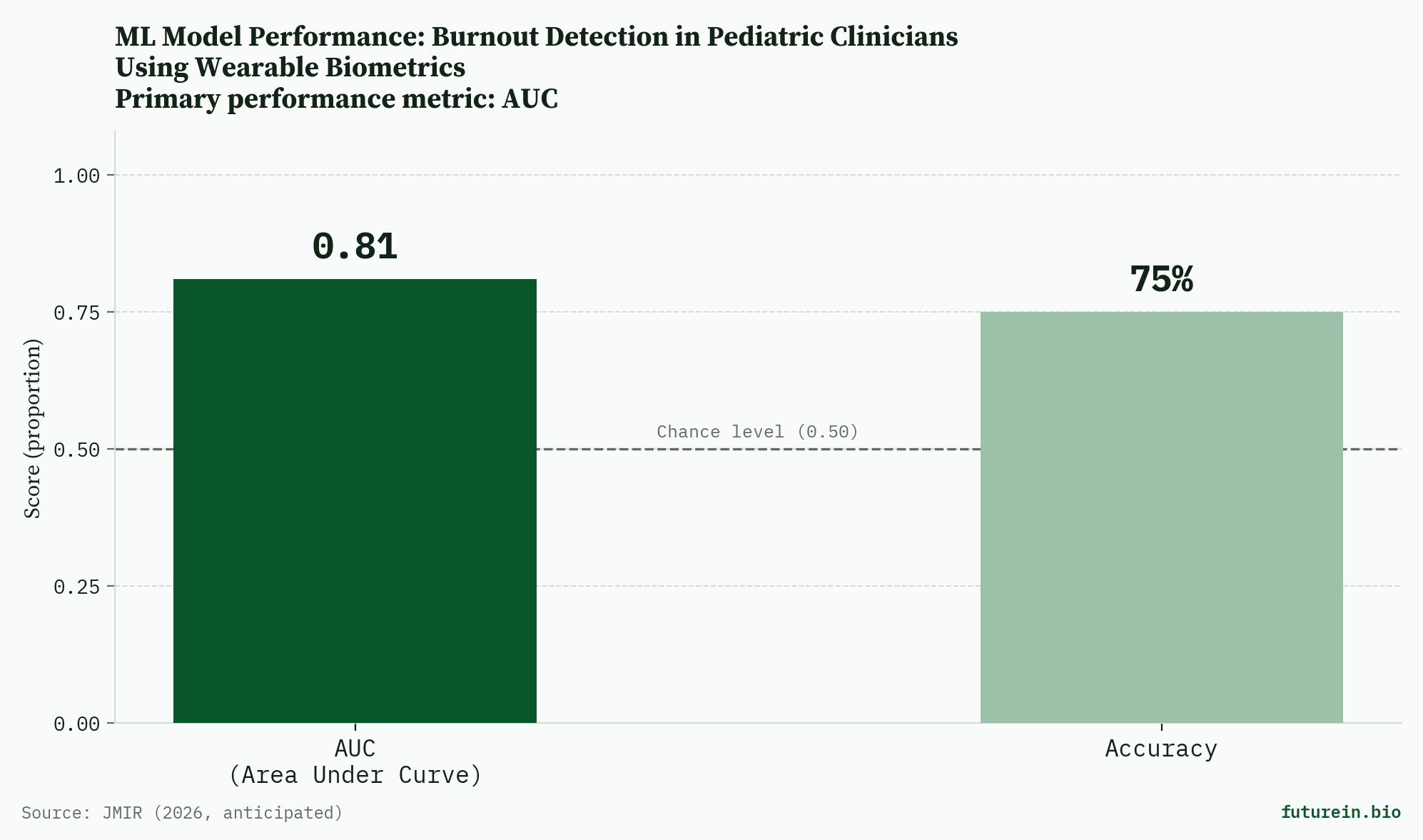
• This feasibility study develops an ML model using wearable biometric data to detect burnout among pediatric clinicians, where specialty burnout rates reach 51%.
• XGBoost models achieved 79.1% accuracy (AUC-ROC: 0.832), outperforming psychometric-only models (76.3%), offering clinicians an objective, continuous burnout screening tool.
• With physician burnout declining from 62.8% (2021) to 43.2% (2024) yet remaining elevated, wearable-AI integration (pooled accuracy: 85.6%) signals scalable preventive workforce health monitoring.
PHERGain trial supports PET-guided de-escalation in HER2-positive breast cancer
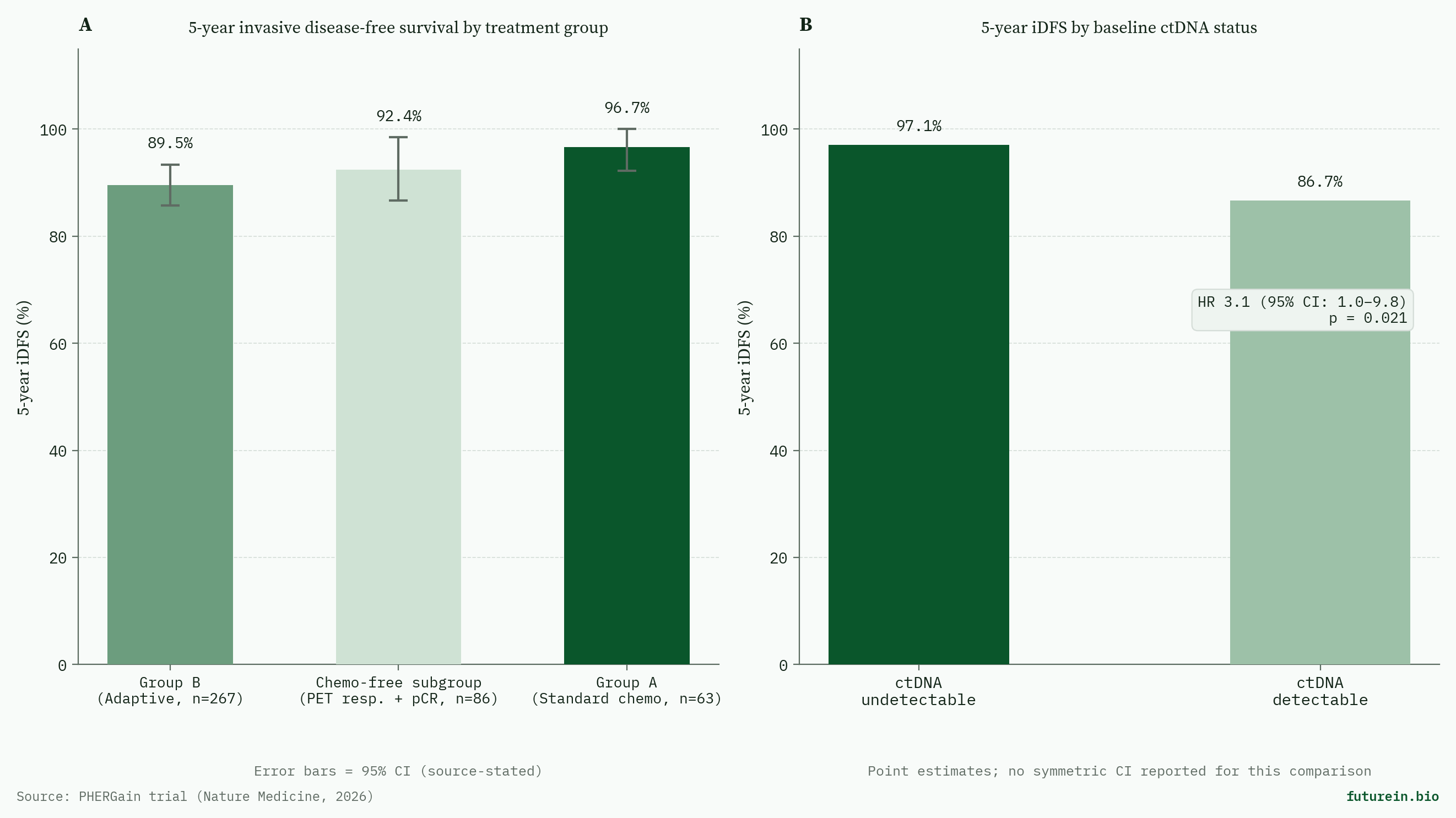
• PHERGain phase 2 trial (NCT03161353, n=356) reports 5-year iDFS of 89.5% in HER2+ early breast cancer patients using 18F-FDG-PET-guided chemotherapy de-escalation.
• Among 86 PET-responders achieving pCR without chemotherapy, 5-year iDFS reached 92.4% with only 1 distant recurrence, validating chemotherapy omission feasibility.
• ctDNA clearance correlated with higher pCR rates (48.4% vs 22.0%) and improved iDFS (92.3% vs 75.6%), supporting liquid biopsy integration into precision oncology treatment algorithms.